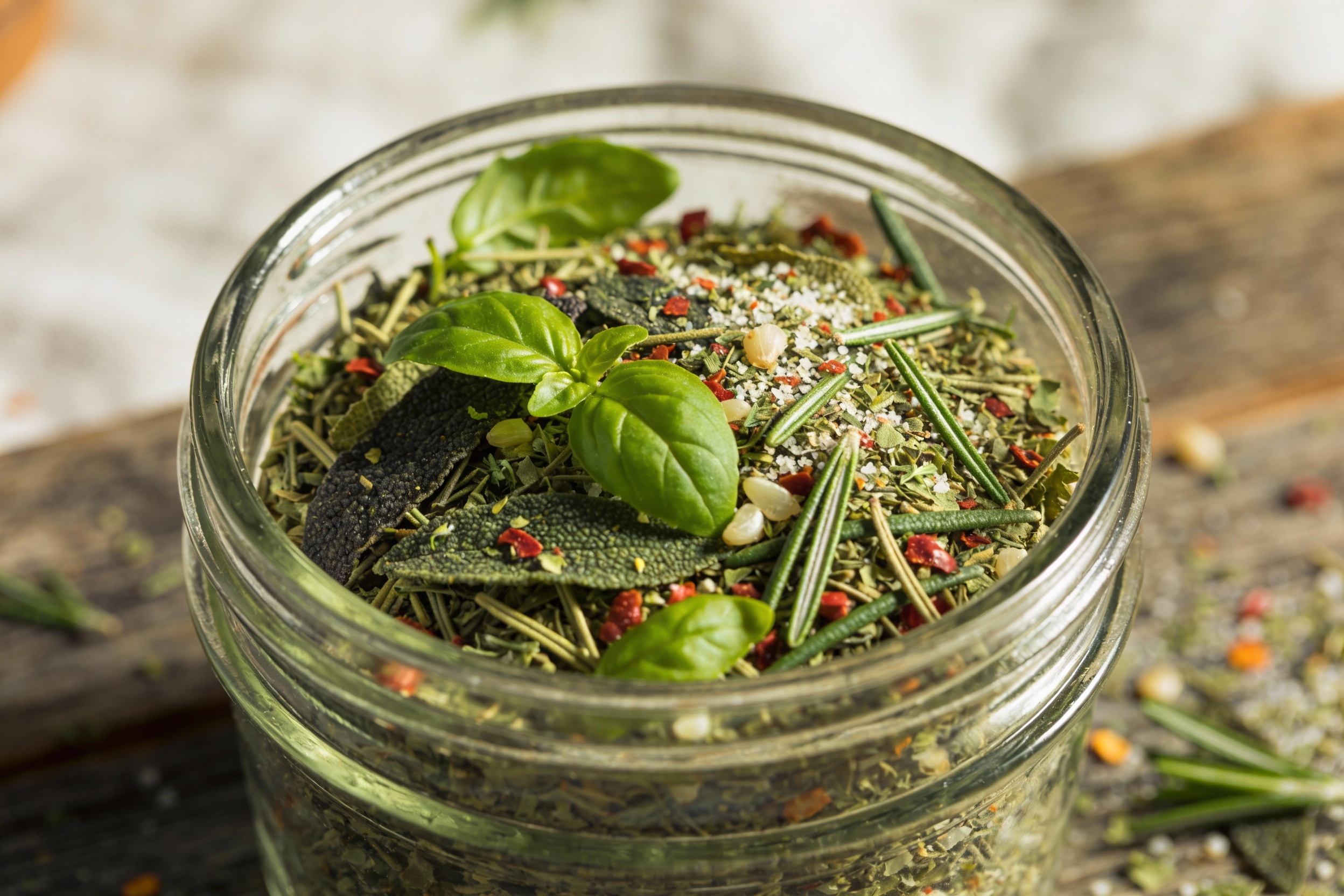
You don’t need a fancy jar to make food taste Italian. You need a handful of dried herbs, five minutes, and the stubborn belief that your sauce can always taste better. Italian seasoning isn’t a mystery—it’s the greatest hits album of your spice cabinet. Ready to upgrade pasta night, roasted veggies, and maybe your personality a little? Let’s mix.
What Exactly Is Italian Seasoning?
Italian seasoning is a blend of dried herbs that play well together and make everything taste like it came from a tiny trattoria with a nonna in charge. It’s not traditionally “Italian” in Italy, FYI—Americans popularized it. But the flavors scream Italian cooking: earthy, aromatic, and herb-forward.
You can buy it, sure. But the store-bought stuff often tastes dusty or one-note. When you make your own, you control the balance—more oregano? Less thyme? Basil-forward? You’re the boss.
The Core Blend (AKA The Reliable Classic)
Here’s the no-fuss, crowd-pleasing version. It hits all the right notes without stealing the show from your tomatoes or olive oil.
Base recipe (about 1/2 cup):
- 2 tbsp dried oregano
- 2 tbsp dried basil
- 1 tbsp dried thyme
- 1 tbsp dried rosemary, crushed
- 1 tbsp dried marjoram
- 1 tsp dried sage
Stir everything together in a bowl. Crush the rosemary between your fingers to break up those pokey needles. Store it in an airtight jar, then feel smug for the next few months.
Why these herbs?
- Oregano: Bold, slightly bitter, brings the “pizza” vibes.
- Basil: Sweet and soft, smooths everything out.
- Thyme: Woodsy backbone—keeps things grounded.
- Rosemary: Piney pop; use lightly so it doesn’t take over.
- Marjoram: Oregano’s gentler cousin—adds warmth.
- Sage: Savory complexity—just a little does the trick.
Customize It Like a Pro
You cook for you, not the spice police. Tweak the blend to fit what you actually make and love.
If you love bold flavors
- Add 1 tsp crushed red pepper flakes.
- Swap 1 tsp rosemary for 1 tsp savory or fennel seed (lightly crushed).
If you want it more gentle
- Reduce rosemary to 1 tsp.
- Add 1 tsp parsley for brightness.
For roasted meats or potatoes
- Increase thyme to 2 tbsp.
- Add 1 tsp garlic powder and 1 tsp onion powder.
For seafood
- Cut oregano in half.
- Add 1 tsp lemon zest (dried) or 1 tsp dill for a coastal vibe.
IMO: a pinch of fennel seed is wildly underrated. It whispers “Italian sausage” without stealing the show.
How to Use It (Without Overthinking)
Italian seasoning plays nice with nearly everything savory. Use light pinches first, then adjust. You can always add more—removing herbs from a sauce is not a thing.
Easy ways to use it
- Pasta sauce: 1–2 tsp per 3 cups of sauce.
- Roasted veggies: 1 tbsp per sheet pan with olive oil and salt.
- Chicken or pork: 1–2 tsp per pound, plus salt and pepper.
- Garlic bread: Mix 1 tsp into softened butter + minced garlic. Slather, toast.
- Salad dressing: 1 tsp in a simple vinaigrette with red wine vinegar.
- Soup: 1–2 tsp stirred in near the end so it stays bright.
Timing matters
- Early in cooking: Herbs sink in and mellow—great for sauces and braises.
- Toward the end: Fresher aroma—great for soups, sautés, and dressings.
Quality Hacks You’ll Actually Taste
You can make great seasoning with basic dried herbs. But if you want it next-level, do these tiny, easy things.
Buy better (without going broke)
- Get whole-leaf herbs when possible—crumble them yourself for more aroma.
- Check dates: Dried herbs fade after ~1 year. If it smells like dust, it tastes like dust.
- Use bulk bins or ethnic markets—cheaper and fresher, usually.
Crush before using
Rub the blend between your palms before you add it to a dish. You’ll wake up the oils and smell the difference instantly. It’s like espresso for herbs.
Mind the rosemary
Big needles = pokey bites. Either crush it or pulse the whole blend a couple of times in a spice grinder. Don’t overdo it or you’ll end up with powder.
Storage: Keep It Fresh, Keep It Functional
Store your blend in an airtight jar, away from heat and light. Not next to the stove. Not in full sun. Give it a home in a cool cabinet.
- Best flavor window: Use within 6 months for peak aroma.
- Label: Write the date and the exact mix for future you. Future you will thank past you.
- No fridge: Moisture is the enemy. Keep it dry.
Level-Up Variations You’ll Actually Use
Want a signature blend? Make one of these and feel like a culinary mastermind.
Herby Garlic Bomb
- Base blend
- + 2 tsp garlic powder
- + 1 tsp onion powder
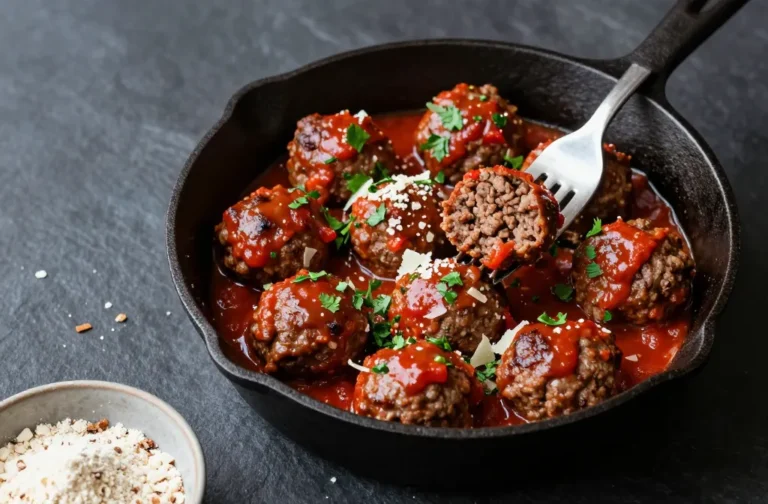
Great for meatballs, marinades, and emergency garlic bread.
Spicy Calabrian-Inspired
- Base blend
- + 1–2 tsp crushed red pepper
- + 1 tsp fennel seed, lightly crushed
Perfect for pizza sauce and roast chicken.
Lemony Primavera
- Base blend
- + 2 tsp dried parsley
- + 1 tsp dried lemon zest
Toss with veggies, shrimp, or orzo salads. It screams spring.
Mini Techniques That Make You Look Fancy
Want the seasoning to cling like a stage-five clinger? Use a bit of fat or liquid.
- Bloom in oil: Warm olive oil, add 1–2 tsp seasoning, cook 30 seconds, then add tomatoes or veggies.
- Herb butter: Mix 1 tbsp seasoning into 4 tbsp softened butter. Melt over steak, fish, or steamed broccoli.
- Compound salt: 2 tbsp kosher salt + 2 tsp seasoning. Sprinkle over fries or focaccia before baking.
FYI: Blooming wakes up dried herbs and makes everything taste more “cooked” and cohesive. It’s an easy win.
FAQ
Can I use fresh herbs instead of dried?
You can, but they behave differently. Fresh herbs taste brighter and more delicate, and they don’t store well in a blend. If you want to swap in a recipe, use three times the amount of fresh to dried and add them near the end of cooking.
Is Italian seasoning the same as Herbs de Provence?
Nope. They look similar, but Herbs de Provence often includes lavender and leans French. Italian seasoning has stronger oregano/basil vibes. If you use them interchangeably, your dinner won’t implode, but the flavor shifts.
How do I fix a dish if I added too much?
Add acid (splash of vinegar or lemon), more fat (olive oil, butter), or a little broth to dilute. A pinch of sugar can balance bitterness. Worst case, add more base ingredients and call it “meal prep.”
What if I don’t have marjoram?
Use more oregano and add a pinch of parsley for softness. Marjoram adds warmth, but your blend won’t fall apart without it.
Can I add salt to the blend?
You can, but I wouldn’t. You’ll lose control when seasoning different dishes. Keep salt separate so you can adjust for pasta water, broths, or salted butter.
How much should I use for a new recipe?
Start small: 1 teaspoon per pound of protein or per 3 cups of sauce/soup. Taste, then bump it up. Your taste buds, your rules.
Conclusion
Italian seasoning keeps dinner interesting with almost zero effort. Mix a jar once, then sprinkle your way to better pizza sauce, roast veggies, and Tuesday-night chicken. Keep it simple, tweak it to your taste, and crush it before you use it. IMO, it’s the easiest kitchen upgrade you’ll make this week.