Italian dressing does more than make salad less sad. It brings brightness, zip, and a little swagger to anything it touches—greens, grilled veggies, chicken, pasta salad… all of it. And the homemade version? It blows the bottled stuff out of the water. We’re talking fresh flavor, zero weird additives, and a level of customization that would make a barista blush.
Why Make Your Own Italian Dressing?
Homemade Italian dressing tastes cleaner and brighter. You feel the lemon, you smell the oregano, and the garlic? It actually tastes like garlic, not “garlic flavor.” Plus, you mix it once and use it all week.
You also control the salt, the sweetness, and the oil quality. Want it punchier? Add more vinegar. Want a silkier finish? Use a better olive oil. FYI: once you make it yourself, you won’t go back to the fluorescent bottle.
The Classic Flavor Blueprint
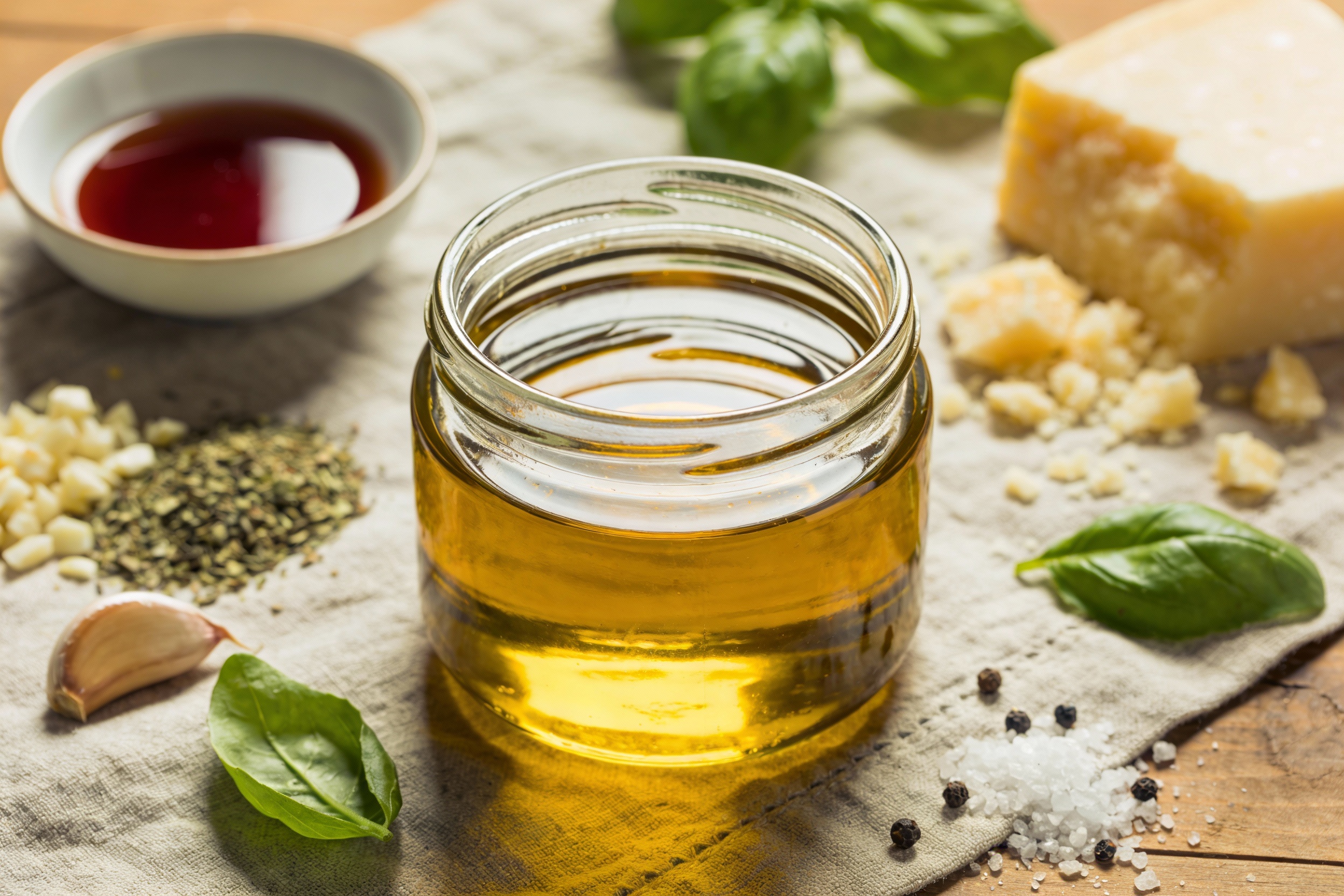
Let’s decode the essentials. Italian dressing lives and dies by balance: acid + fat + aromatics + herbs.
- Acid: Red wine vinegar or white wine vinegar. Lemon juice adds sparkle.
- Fat: Extra-virgin olive oil for flavor. Neutral oil for a lighter vibe.
- Aromatics: Garlic for punch, shallot for sweetness.
- Herbs: Oregano and basil, with parsley for freshness.
- Seasonings: Salt, black pepper, a pinch of sugar or honey, and optional red pepper flakes.
- Emulsifier: Dijon mustard keeps it from separating instantly.
- Umami (optional but clutch): Grated Parmesan or a splash of brine from pepperoncini.
Oil-to-Vinegar Ratios That Actually Work
Most people use 3:1 oil to vinegar. That’s fine. But for an Italian dressing with personality, go 2:1. You’ll taste the bright tang without puckering up. If you like a softer dressing for delicate greens, nudge it toward 2.5:1.
My Go-To Italian Dressing Recipe
This makes about 3/4 cup—perfect for a week of salads and drizzles.
- 1/3 cup extra-virgin olive oil
- 3 tablespoons red wine vinegar
- 1 tablespoon fresh lemon juice
- 1 small garlic clove, finely grated or smashed to a paste
- 1 tablespoon finely minced shallot (optional but recommended)
- 1 teaspoon Dijon mustard
- 1 teaspoon dried oregano (or 1 tablespoon fresh, chopped)
- 1/2 teaspoon dried basil (or 1 1/2 teaspoons fresh, chopped)
- 2 tablespoons chopped fresh parsley (or 1 teaspoon dried)
- 1/2 teaspoon kosher salt, plus more to taste
- 1/4 teaspoon black pepper
- 1/2 teaspoon sugar or honey (optional, balances acidity)
- Pinch red pepper flakes (optional)
- 1 tablespoon finely grated Parmesan (optional but amazing)
Directions
- Whisk vinegar, lemon juice, Dijon, garlic, shallot, herbs, salt, pepper, and sugar/honey in a bowl until combined.
- Slowly stream in the olive oil while whisking until slightly thickened.
- Stir in Parmesan, taste, and adjust salt, acid, or sweetness. If it tastes flat, add a pinch more salt or a squeeze of lemon.
Pro tip: Use a jar with a tight lid. Add everything, shake like you mean it, and boom—instant emulsification with one less dish to wash.
Dial In Your Perfect Version
You want options? You got options. Italian dressing takes tweaks like a champ.
If You Like It Zippier
– Add an extra teaspoon of vinegar or lemon juice.
– Increase Dijon to 2 teaspoons for more tang and body.
If You Like It Milder
– Use half olive oil and half neutral oil.
– Drop the garlic to half a clove or use roasted garlic for sweetness.
Herb Swaps
– Try thyme or marjoram for a softer profile.
– Use all fresh herbs if you have them—double the amounts vs. dried.
No Dairy Version
– Skip Parmesan and add 1 teaspoon caper brine or pepperoncini brine. It adds savory depth without cheese.
How to Use It (Beyond Boring Salad)
You can toss it with lettuce and call it a day, sure. But this dressing can do so much more. IMO, it shines when it hits warm ingredients.
- Pasta salad: Toss warm pasta with the dressing so it absorbs the flavors, then add veggies and cheese.
- Grilled chicken marinade: 30 minutes is plenty. The acid tenderizes while herbs add punch.
- Roasted veggie finisher: Drizzle over hot roasted broccoli, zucchini, or peppers. Game changer.
- Italian sub in a bowl: Shredded lettuce, salami, provolone, tomatoes, pepperoncini, onions—dress generously.
- Tomato and cucumber salad: Add a handful of olives and call it lunch.
What It Loves to Pair With
– Crunchy romaine, radicchio, and iceberg mix
– Cherry tomatoes and cucumbers
– Red onion (thin-sliced)
– Chickpeas or white beans
– Salami, mozzarella, and olives for antipasto vibes
Emulsions: The Why and the How
We want a dressing that clings to greens instead of sliding off like a bad first date. Emulsions make that happen.
- Dijon acts like glue between oil and acid.
- Fine chopping of garlic and shallot helps distribute flavor evenly.
- Vigorous shaking in a jar creates tiny droplets that hang out longer together.
Fix It If It Breaks
Separated dressing happens. Shake again. Or whisk in 1 teaspoon more Dijon to bring it back together. Worst case, add a splash of warm water and whisk—works like a charm.
Make-Ahead, Storage, and Freshness
Italian dressing actually tastes better after it sits for an hour. Let the flavors mingle and mellow. Store it in the fridge for up to a week.
Heads up: Olive oil may solidify when cold. It’s normal. Let the jar sit at room temp for 15 minutes, then shake. If you used fresh garlic, use within 5–7 days and keep it refrigerated—fresh alliums can get funky if they hang out too long.
Meal Prep Strategy
– Make a double batch on Sunday.
– Keep half plain in one jar.
– Stir Parmesan into the other jar for richer salads.
– Use the plain one as a marinade to keep dairy out of the mix.
Common Mistakes (And How to Avoid Them)
– Going too heavy on oil: You’ll drown the acidity. Stick close to 2:1 for real flavor.
– Undersalting: Salt wakes everything up. Taste and adjust at the end.
– Chunky garlic: Grate it or smash to a paste. No one wants a surprise garlic boulder.
– Old dried herbs: If they smell like dust, they taste like dust. Replace them every 6–12 months, FYI.
FAQ
Can I use only olive oil?
Yes. All olive oil gives richer flavor, but it can feel heavy. If the dressing coats your tongue too much, cut in a neutral oil next time or add a splash more lemon to brighten it.
Is fresh or dried oregano better?
Both work. Dried oregano delivers that classic “Italian dressing” punch. Fresh tastes brighter and more herbal. If you use fresh, double the amount and mince it fine.
How long does homemade Italian dressing last?
Up to a week in the fridge. Shake before each use. If it smells off or looks weird, toss it. When in doubt, make a smaller batch—this dressing takes 5 minutes anyway.
What if I don’t like Dijon mustard?
Use 1 teaspoon mayonnaise instead—it emulsifies like a champ. Or skip it and just shake more before serving. IMO, a little Dijon disappears into the mix and adds needed body.
Can I make it without garlic?
Totally. Use minced shallot for subtle bite, or a pinch of garlic powder for gentler flavor. Not traditional, but your kitchen, your rules.
How do I make it spicy?
Add red pepper flakes or a few dashes of Calabrian chili paste. You can also splash in pepperoncini brine for heat plus tang. It won’t blow your face off—just wakes it up.
Conclusion
Italian dressing doesn’t need bells and whistles—it just needs balance and good ingredients. Mix it once, tweak it to your taste, and keep a jar in the fridge. Your salads will finally taste like something you crave, and your veggies and grilled chicken will thank you. IMO, it’s the easiest flavor upgrade you can make this week.