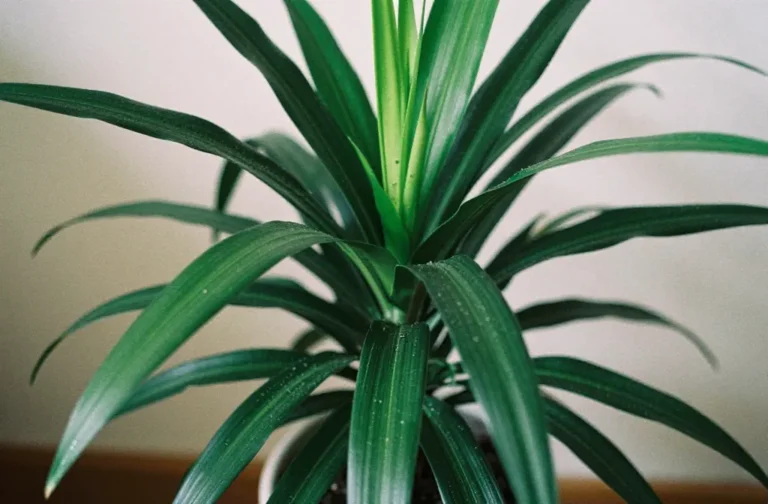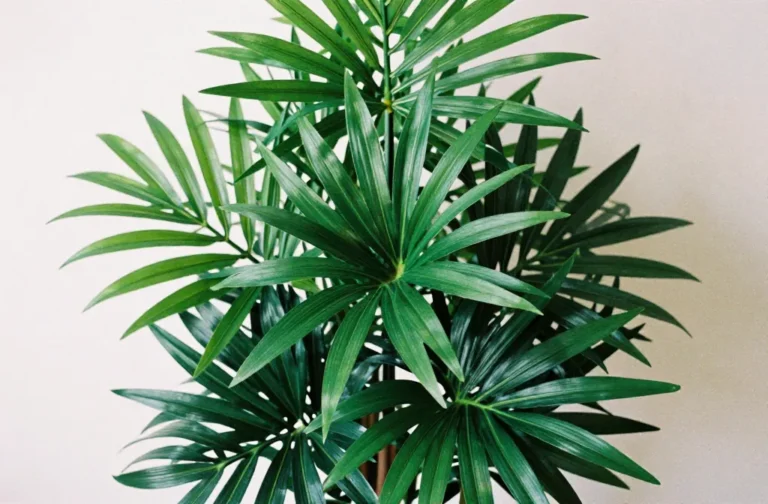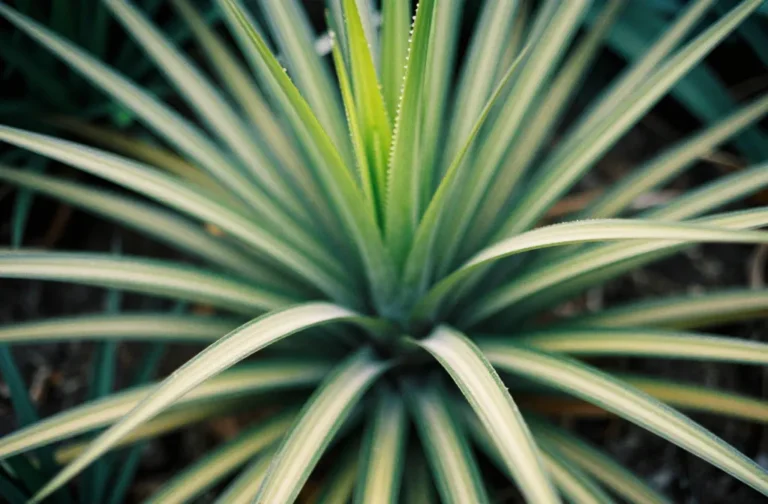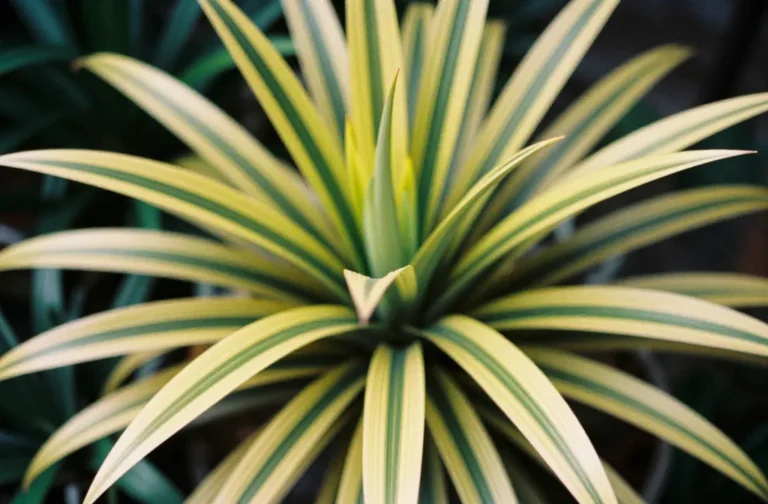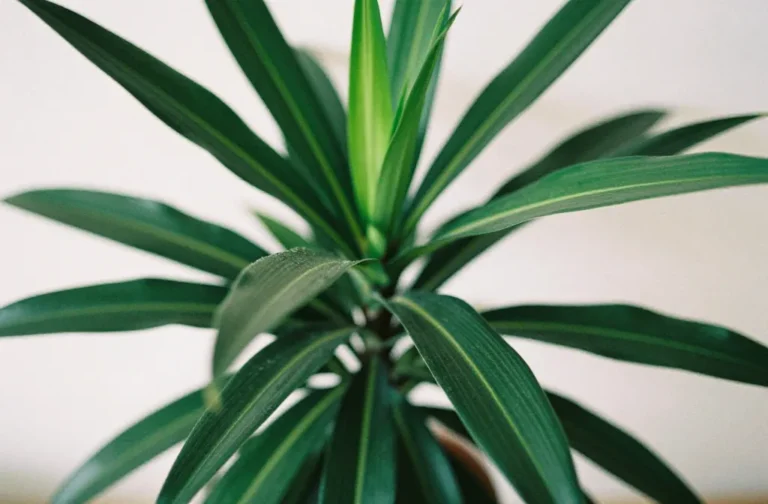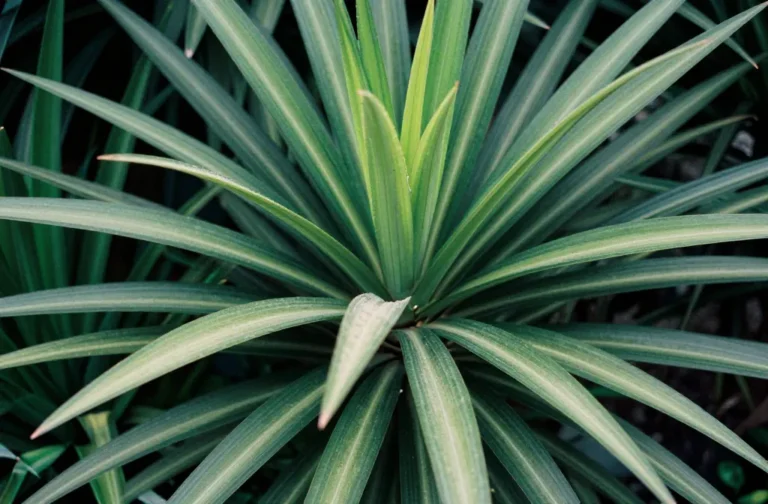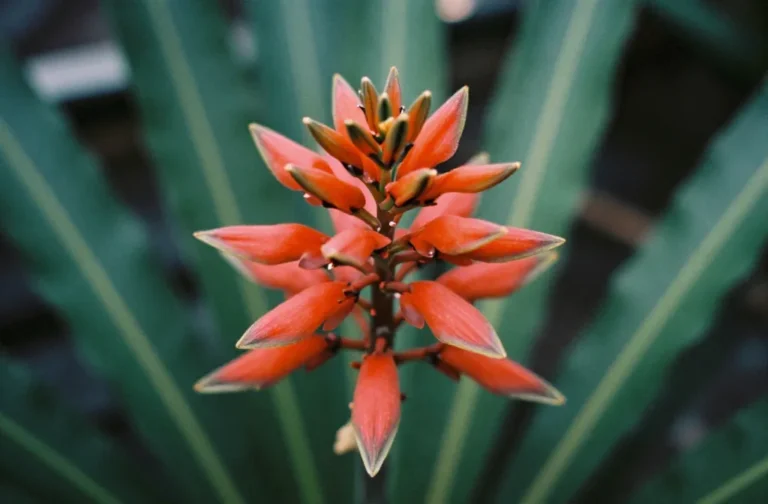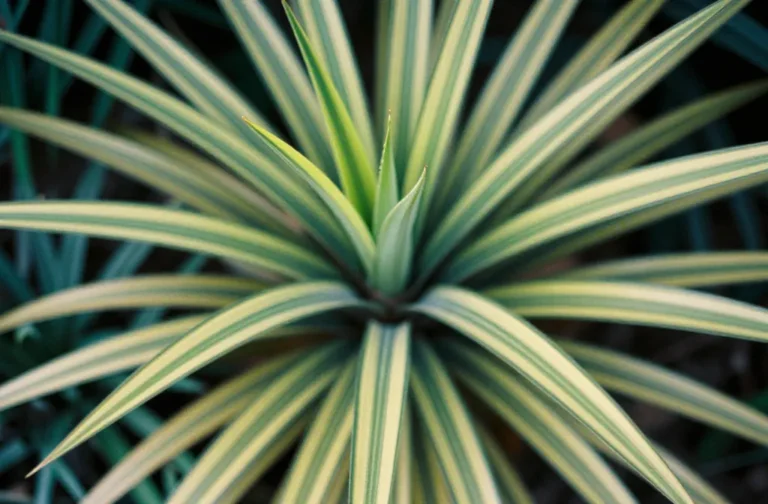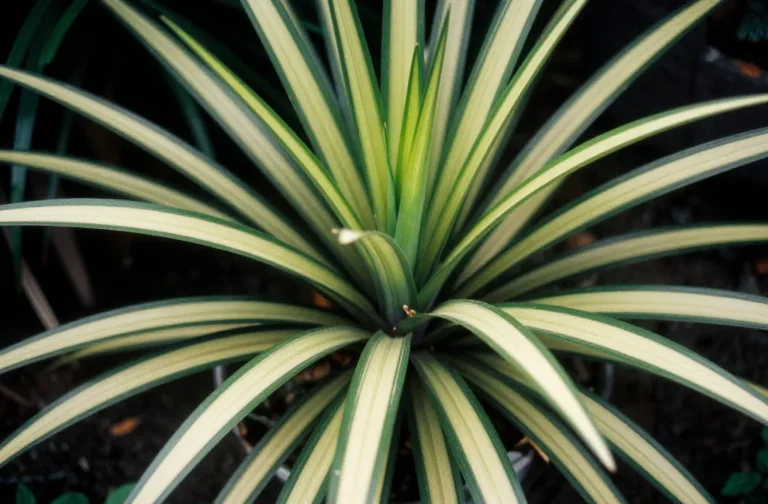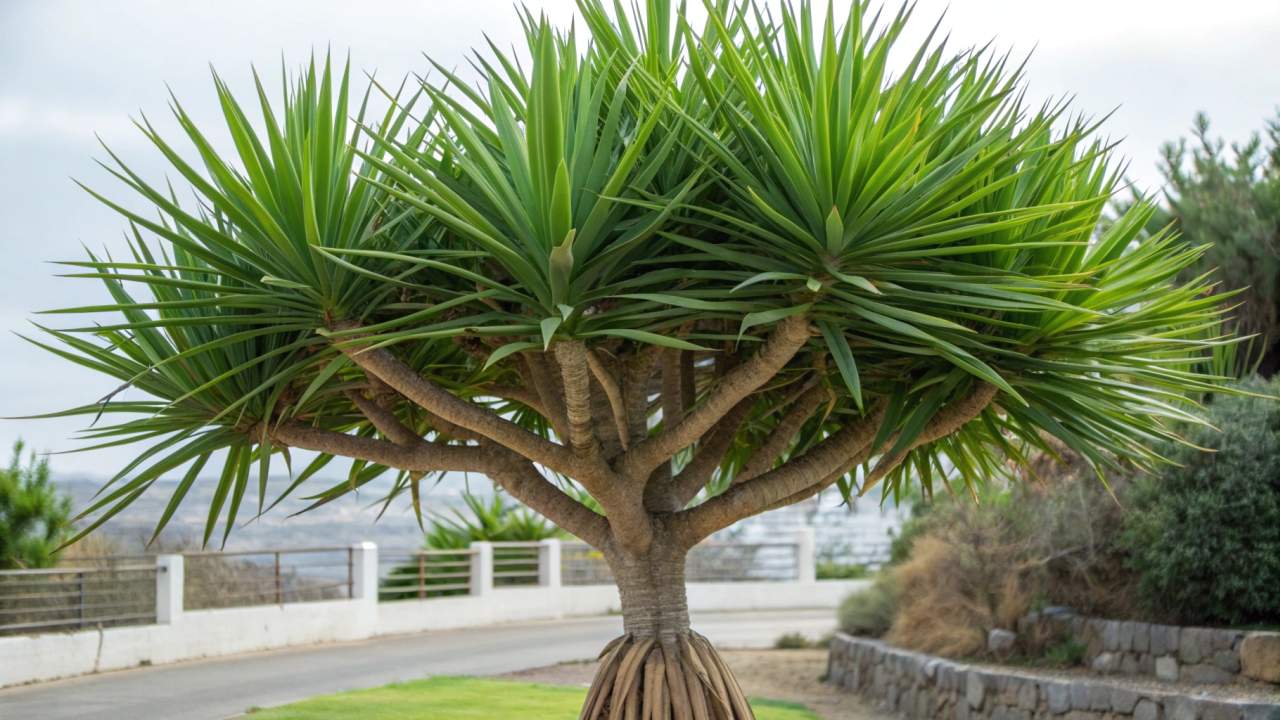
Imagine a tree that looks like a living firework, bleeds red “dragon’s blood,” and shrugs at drought like it’s nothing. That’s Dracaena draco, the iconic Dragon Tree. It’s sculptural, stubbornly slow-growing, and somehow makes any space feel ancient and cinematic. If you want a plant with presence (and the patience of a monk), this one’s your fantasy novel come to life.
Meet the Dragon Tree: What Makes It Legendary
The Dragon Tree hails from the Canary Islands, Madeira, and parts of Morocco. It evolved on windswept landscapes, which explains its thick trunk, umbrella canopy, and stoic vibe. Mature trees look like natural candelabras—wide, dramatic, and totally photogenic.
The sap turns red when exposed to air, known as dragon’s blood. People used it historically as dye, varnish, and medicine. Is it magical? Not officially. Does it feel magical? Absolutely.
How Fast Does It Grow? Spoiler: Very Slowly
If you’re after instant gratification, the Dragon Tree will test your soul. It grows in stages: long periods of leafy growth, then branching after it flowers. Indoors, you’ll likely wait years for branching. Outdoors in ideal conditions, it still moves at “dragon years.”
You can expect:
- Seed to small plant: 1–2 years
- Noticeable trunk: 5–10+ years
- Iconic umbrella shape: decades
IMO, the slow burn makes it special. You don’t just own a Dragon Tree—you enter a long-term relationship.
Light, Water, and Soil: The Golden Rules
Think tough love. Give it enough light, don’t drown it, and don’t feed it junk. That’s the whole strategy.
Light: Bright and Indirect Wins
Give it bright, indirect light indoors. A few hours of soft direct sun works, especially morning or late afternoon. Outdoors, it thrives in full sun once acclimated, but young plants prefer partial shade at first. Crispy leaf tips? Too much direct heat or dry air.
Water: Less Than You Think
This species stores water like a camel. Overwatering causes almost every problem.
- Indoors: Water when the top 2–3 inches of soil feel dry. In winter, stretch it out even more.
- Outdoors: Deeply but infrequently, then let the soil dry.
- Signs of trouble: Yellowing, mushy stems = too much water. Wrinkly leaves = time for a drink.
Soil: Fast-Draining or Bust
Use a gritty, fast-draining mix. Try:
- 2 parts cactus mix
- 1 part perlite or pumice
- Optional: a little bark or coarse sand for texture
The goal: water flows through quickly, roots breathe, you avoid rot. Easy.
Container, Repotting, and Placement Tips
Dragon Trees like a snug pot. Upgrade only when roots circle heavily, usually every 2–3 years for younger plants and less often as they mature. Choose a pot with big drainage holes. Terracotta helps wick away moisture and looks nice, FYI.
Placement ideas:
- Indoors: Near a bright window, away from heat vents. High ceilings? Perfect—it loves vertical drama.
- Outdoors: A sunny patio, xeriscape garden, or Mediterranean-style courtyard.
Staking and Structure
Young Dragon Trees can look a bit wobbly. Stake gently if needed, but don’t cinch too tight. As it thickens, it’ll stand proud and do its dragon thing.
Pruning, Propagating, and Styling
Pruning turns a decent plant into a showpiece. You can shape it to emphasize that signature umbrella form.
Pruning 101
- Use sterilized, sharp pruners.
- Cut above a node or on a stem to encourage branching.
- Remove dead or damaged leaves cleanly.
After a cut, the plant often bleeds red sap. That’s normal—and kind of awesome. Let the wound dry and callus.
Propagation: Yes, You Can Clone Your Dragon
You can root stem cuttings:
- Take a 6–12 inch section of healthy stem.
- Let it callus for a few days.
- Plant in a gritty mix and keep slightly moist, not wet.
- Give bright, indirect light and lots of patience.
Expect weeks to months for roots. This plant doesn’t rush for anyone.
Temperature, Humidity, and Feeding
The Dragon Tree plays nice with average home conditions. It tolerates low humidity better than most tropicals.
- Temperature: 60–80°F is ideal. Protect from frost; anything under 40°F risks damage.
- Humidity: Normal room humidity works. Brown tips can happen in dry air—no biggie.
- Fertilizer: Light feeder. Use a balanced, diluted liquid fertilizer every 4–6 weeks in spring and summer. Skip winter.
FYI: Overfeeding does nothing but make roots salty and sad. Less is more.
Common Problems (And How to Fix Them Fast)
Let’s keep drama for the canopy shape, not your care routine.
- Brown tips: Usually low humidity or fluoride/chlorine in tap water. Switch to filtered water or let tap water sit overnight.
- Yellow leaves: Overwatering or poor drainage. Check the soil mix and watering schedule.
- Soft, collapsing stems: Root rot. Unpot, trim mushy roots, repot in fresh, dry mix, and water sparingly.
- Pests: Spider mites, mealybugs, scale. Wipe leaves, use insecticidal soap or neem weekly until clear.
Pet Safety
Dracaenas can be toxic to pets if ingested, especially cats and dogs. Symptoms include drooling, vomiting, and lethargy. Keep it out of nibble range unless you want a surprise vet bill.
Outdoors vs. Indoors: Where It Thrives Best
Outdoors in warm, dry climates (USDA zones roughly 9–11), it can grow into a majestic tree—think 15–30 feet over decades. Indoors, it stays compact and architectural, usually 3–8 feet in a pot over many years.
If you move it outside for summer:
- Acclimate slowly to direct sun over 1–2 weeks to avoid sunburn.
- Watch watering—heat dries soil fast.
- Bring it in before nights drop below 50°F.
IMO, a sunny patio stint each year supercharges growth and color.
FAQ
How often should I water a Dragon Tree?
Water when the top 2–3 inches of soil feel dry. In bright, warm conditions, that might be every 10–14 days. In winter or lower light, stretch it to 3–4 weeks. Always check the soil—your finger beats any schedule.
Why are the leaves drooping or curling?
Usually underwatering or low humidity causes droop. Check the soil moisture first. If it’s bone dry, give a thorough soak. If humidity runs very low, a gentle mist or nearby humidifier helps, but don’t overdo it.
Can I grow Dracaena draco from seed?
Yes, if you enjoy slow projects. Scarify or soak seeds, then sow in a warm, well-draining mix with bright, indirect light. Germination can take weeks to months. Seedlings grow slowly but build character early.
Will it branch indoors?
It can, but not quickly. Branching often follows flowering, which indoor plants rarely do. Strategic pruning can encourage multiple heads. Expect a slow reveal, not a quick transformation.
Is dragon’s blood sap dangerous?
Not typically, but it can irritate skin for some people. Wear gloves if you’re sensitive and avoid contact with eyes or pets. It stains fabric, so don’t prune over your favorite rug unless you enjoy chaos.
What’s the best pot for a Dragon Tree?
A heavy pot with excellent drainage. Terracotta or concrete keeps tall plants stable and prevents soggy roots. Choose a size just 1–2 inches wider than the root ball when repotting.
Conclusion
Dracaena draco brings drama without demanding much. Give it bright light, a gritty mix, and measured watering, and it’ll reward you with sculptural beauty for decades. It won’t sprint, but it will stand the test of time—and look epic doing it. If you want a plant with myth, attitude, and staying power, the Dragon Tree is your move.