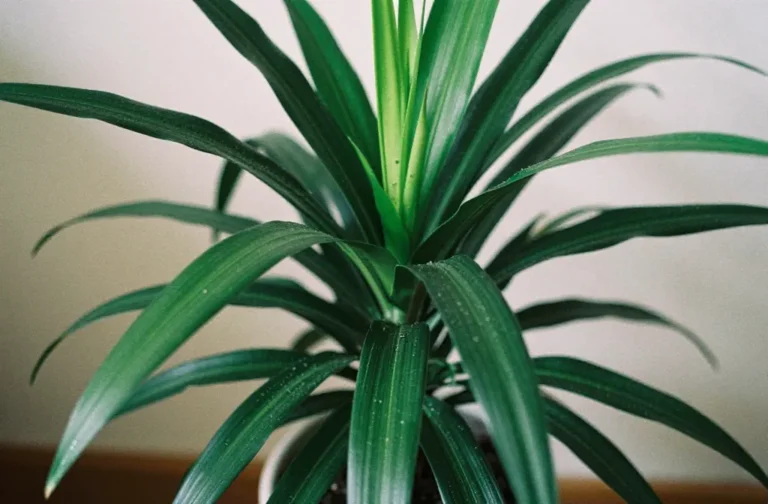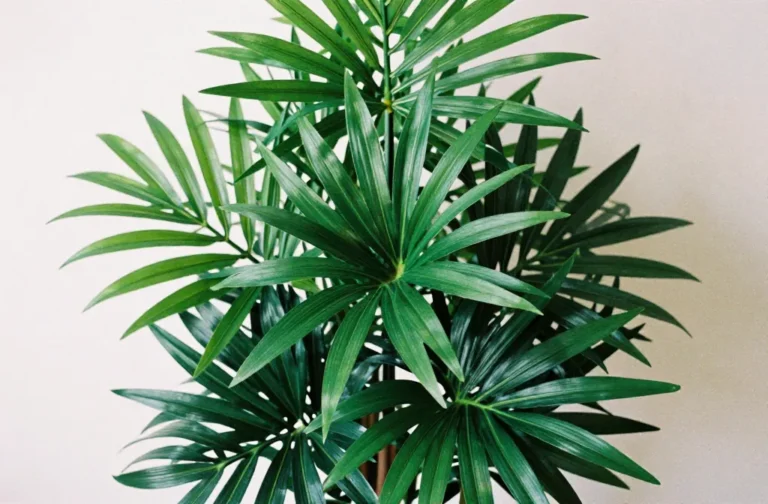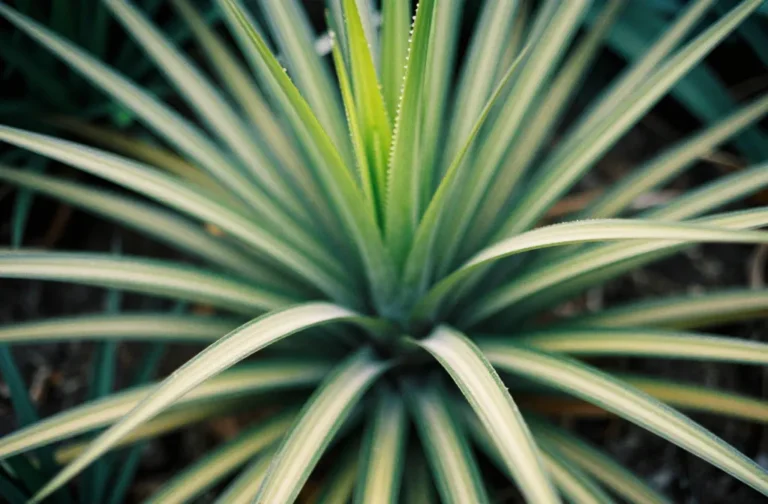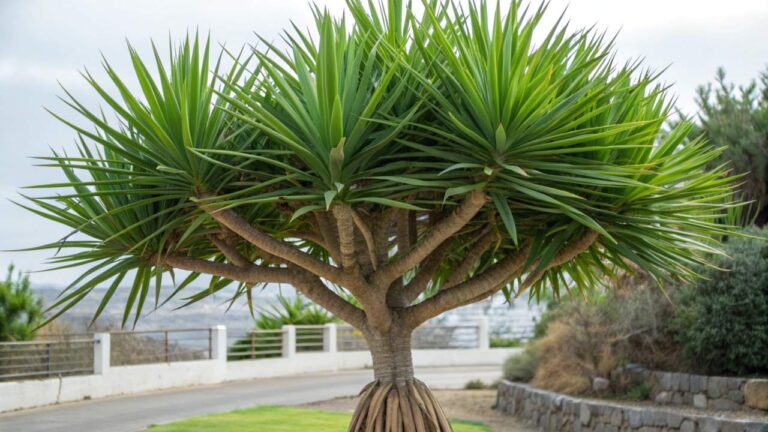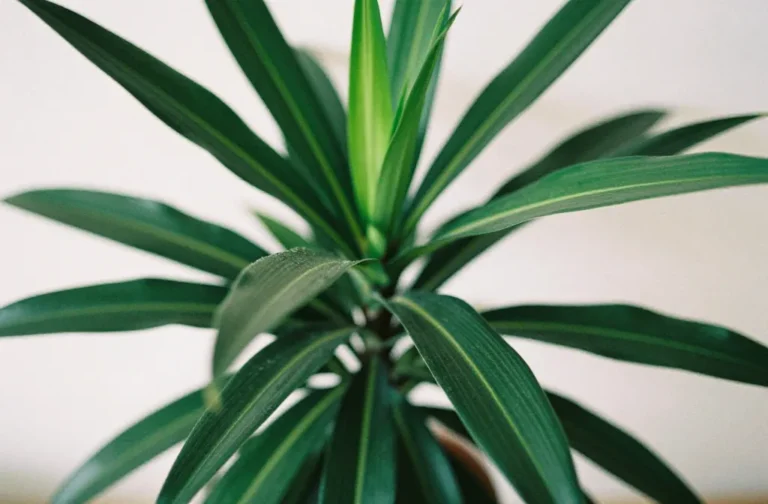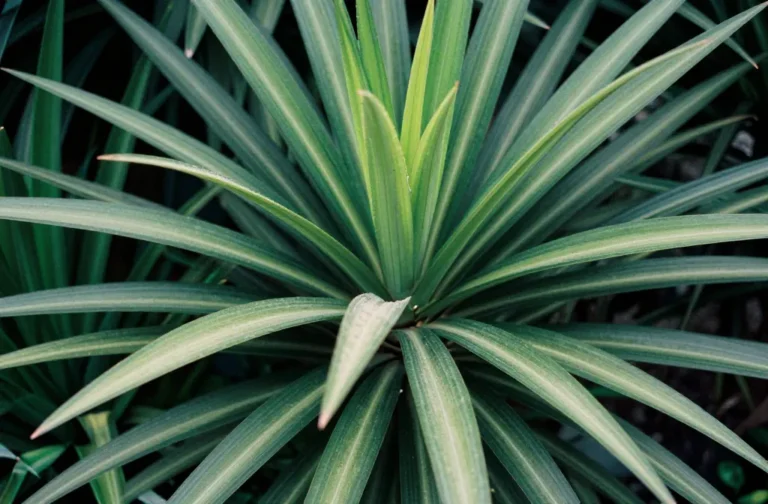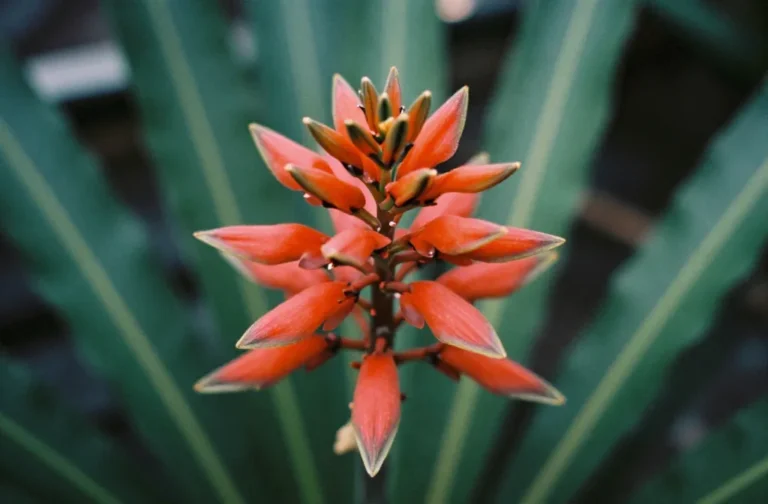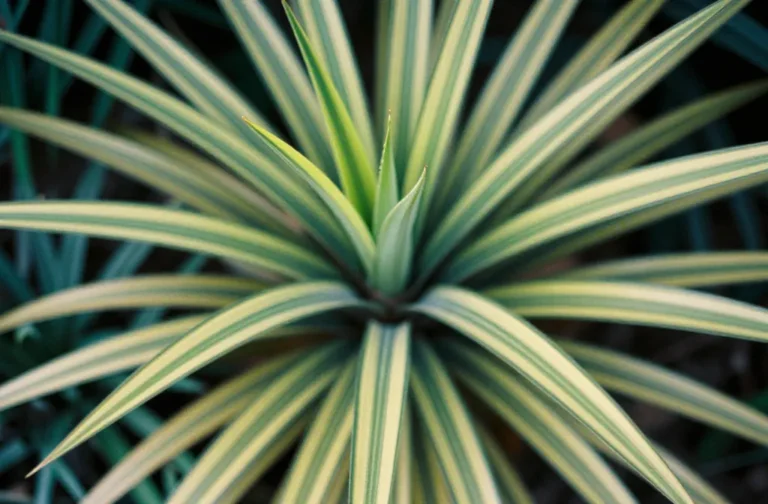
Dracaena reflexa doesn’t ask for much, but give it the right setup and it turns into a total show-off. Shiny leaves, upright posture, and that “I woke up like this” vibe. You don’t need a greenhouse or a degree in botany—just a few smart choices. Let’s dial in the best conditions so your reflexa doesn’t just survive—it thrives.
Meet Dracaena Reflexa (AKA Song of India)
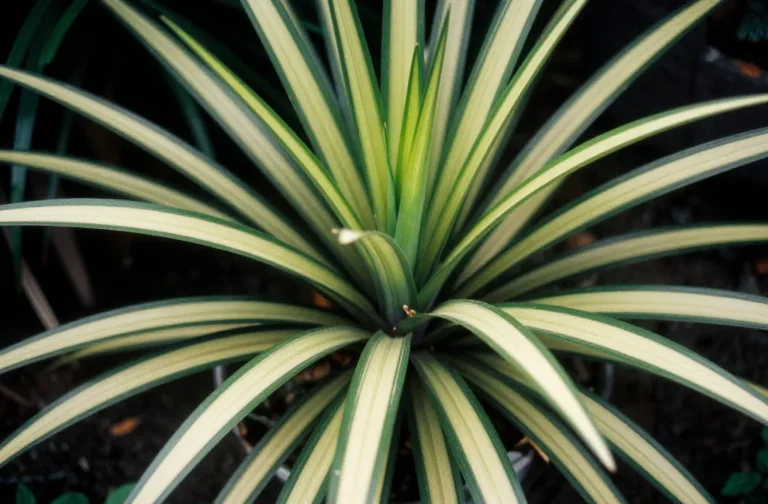
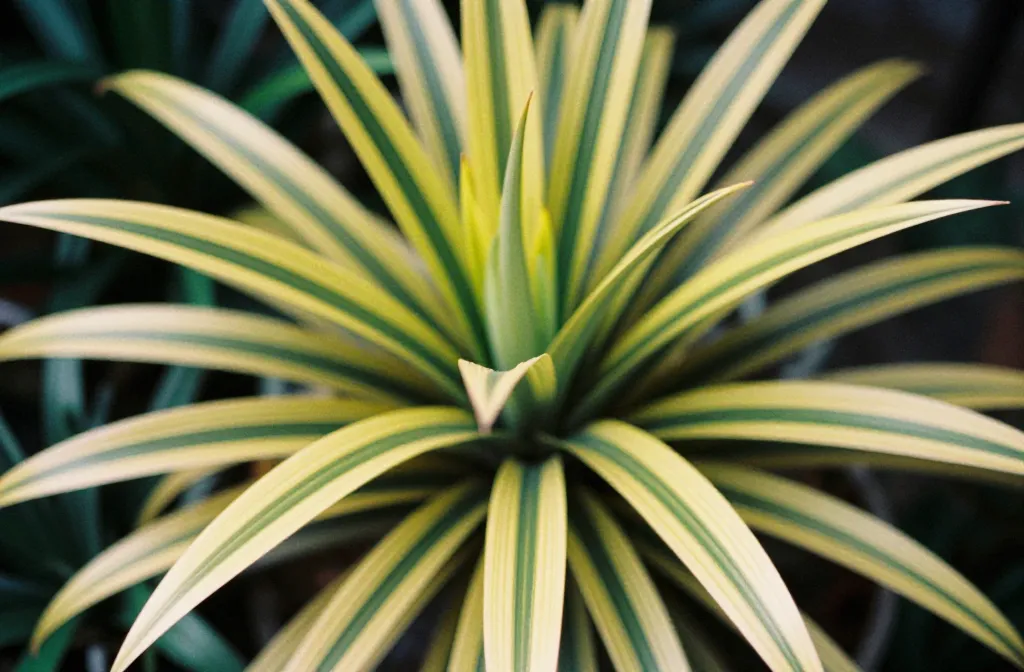
This beauty hails from Madagascar and nearby islands, and yes, it looks fancy for a houseplant. You’ll see it in two common forms: the variegated “Song of India” with cream-edged leaves, and the deep green “Song of Jamaica.” Both stay relatively compact indoors and grow slowly, which makes them perfect for homes and offices.
Good news: it’s forgiving. You can miss a watering or two and it won’t file a complaint. But if you give it dialed-in light, water, and airflow? You’ll get dense foliage and a more sculptural shape. IMO, it’s one of the easiest “statement plants” you can own.
Light: Bright, But Not Brutal
Think “plenty of light without sunburn.” Dracaena reflexa loves bright, indirect light. Place it near a window with filtered sun—sheer curtains do wonders.
- Best: Bright, indirect light for 6–8 hours daily.
- Okay: Medium light. It’ll grow slower and variegation may fade.
- Avoid: Harsh midday sun. It scorches leaf tips and edges.
Window Cheat Sheet
- East-facing: Ideal. Gentle morning sun, great all year.
- North-facing: Works if close to the window. Consider a grow light in winter.
- South/West-facing: Pull it back a few feet or filter with curtains.
Water: Less Is More
If you remember one thing, remember this: let the top 1–2 inches of soil dry before watering. Dracaenas hate wet feet. Like, truly hate it. Root rot sneaks in fast if you keep soil soggy.
- Spring–Summer: Water when the top layer dries—usually every 7–10 days.
- Fall–Winter: Slow down to every 2–3 weeks, depending on light and temperature.
- Water quality: They’re sensitive to fluoride and salts. Use filtered, distilled, or rainwater if your tap water causes brown tips.
How to Water Properly
- Water until it drains from the bottom, then dump the saucer. No plant likes wet socks.
- Check moisture with your finger or a meter—don’t guess.
- Brown tips? Could be overwatering, low humidity, or tap-water fluoride. Start with water quality first.
Soil & Pot: Drainage Is Non-Negotiable
Your reflexa wants fast-draining soil that still holds a bit of moisture. A compact, heavy mix suffocates roots, so keep it airy.
Best potting mix combo:
- 2 parts high-quality potting mix
- 1 part perlite or pumice
- 1 part pine bark fines or orchid bark
Use a pot with a drainage hole. Terracotta works great if you tend to overwater because it breathes.
Repotting Rhythm
- Every 2–3 years or when roots circle the pot or push through drainage holes.
- Go up just one pot size. Too big a jump = soggy soil between waterings.
- Refresh the top inch of soil yearly if you’re not repotting. Easy nutrition boost, FYI.
Temperature, Humidity, and Airflow
Dracaena reflexa doesn’t want temperature drama. Keep it cozy and consistent.
- Temperature: 65–80°F (18–27°C) ideal. It sulks below 60°F (16°C).
- Humidity: 40–60% is perfect. It handles average home humidity, but leaf tips look better with a bit more moisture.
- Airflow: Light airflow helps prevent pests. Avoid cold drafts and vents.
Easy Humidity Upgrades
- Place on a pebble tray with water (without touching the pot bottom).
- Group with other plants to create a microclimate.
- Run a small humidifier nearby in winter. Your skin will also thank you.
Feeding and Growth Pace
Reflexa grows slowly, so it doesn’t need a buffet of fertilizer. But a little snack in the growing season really helps.
- Fertilizer: Use a balanced liquid fertilizer at half strength monthly in spring and summer.
- Skip: Late fall and winter feeding. The plant rests and extra nutrients just build up.
- Signs you overdid it: Salt crust on soil, yellowing leaves, and tip burn. Flush the soil with clean water if that happens.
Shaping and Pruning
Want a fuller look? Pinch or snip growing tips to encourage branching. You can also cut back leggy canes—new shoots often sprout below the cut. IMO, a little strategic pruning makes a huge visual difference.
Pests, Problems, and Quick Fixes
Even resilient plants run into issues. Thankfully, most problems have easy solutions.
- Brown leaf tips: Often from fluoride, low humidity, or underwatering. Switch to filtered water and bump humidity.
- Yellow leaves: Often old foliage or overwatering. Check the root zone and adjust schedule.
- Leaf scorch: Too much direct sun. Move it back or filter the light.
- Pests: Watch for spider mites, mealybugs, and scale. Treat with insecticidal soap or neem oil weekly until gone.
Proactive Pest Prevention
- Inspect new plants before introducing them—no freeloaders.
- Wipe leaves monthly with a damp cloth to remove dust and mites.
- Keep airflow gentle but consistent. Stagnant air invites trouble.
Propagation: Make More, Spend Less
You can turn one reflexa into several with stem cuttings. It’s not hard, and it’s weirdly satisfying.
- Take 4–6 inch cuttings with at least 2–3 nodes.
- Strip lower leaves and let the cut ends callus for a few hours.
- Root in water (change weekly) or in moist perlite/soil mix.
- Bright, indirect light speeds rooting. Expect 4–8 weeks.
Canes and “Logs”
You can also lay a leafless stem horizontally on moist substrate and partially bury it. Nodes along the cane sprout new shoots. It looks odd, but it works—plant magic.
Styling Tips for Maximum Impact
Let’s make it look as good as it grows. Reflexa brings natural architecture into a room, and you can lean into that.
- Pot choice: Matte ceramic or textured terracotta complements the glossy leaves.
- Placement: Corners near windows, flanking a sofa, or next to a bookcase for contrast.
- Grouping: Pair with trailing pothos or upright sansevieria for height and texture play.
- Rotation: Quarter-turn your plant every 1–2 weeks for even growth. No lopsided divas here.
FAQ
Is Dracaena reflexa toxic to pets?
Yes, unfortunately. Dracaenas can cause vomiting, drooling, and lethargy in cats and dogs if ingested. Keep it out of nibble range or pick a pet-safe alternative if your furry roommates treat plants like salad.
Why are the leaves losing variegation?
Not enough light. Move it to brighter indirect light and give it a few weeks. New growth should come in with stronger variegation once conditions improve.
Can I keep Dracaena reflexa in low light?
It will survive, but it won’t thrive. Expect slower growth and sparser foliage. If low light is your reality, add a small LED grow light for a few hours daily—huge difference for very little effort.
How tall does it get indoors?
Usually 3–6 feet over several years. It stays manageable because it grows slowly. You can prune canes to maintain the height you want and encourage bushier growth.
Why are the leaf tips brown even though I don’t overwater?
Likely fluoride or low humidity. Try filtered or distilled water and raise humidity slightly. Also check for salt buildup—flush the soil every few months to clear accumulated minerals.
Can I put it outside in summer?
Yes, if temps stay above 60°F (16°C). Give it bright shade, not direct midday sun, and acclimate slowly. Bring it back in before nights cool off. FYI, outdoor time often boosts growth and color.
Conclusion
Give Dracaena reflexa bright, indirect light, water only when the top inch dries, and plant it in a fast-draining mix. Keep temps steady, humidity moderate, and fertilize lightly in the growing season. Do that, and your reflexa will repay you with lush, sculptural growth and glossy leaves that look way fancier than the effort required. Low maintenance, high impact—what’s not to love? IMO, it’s a keeper.