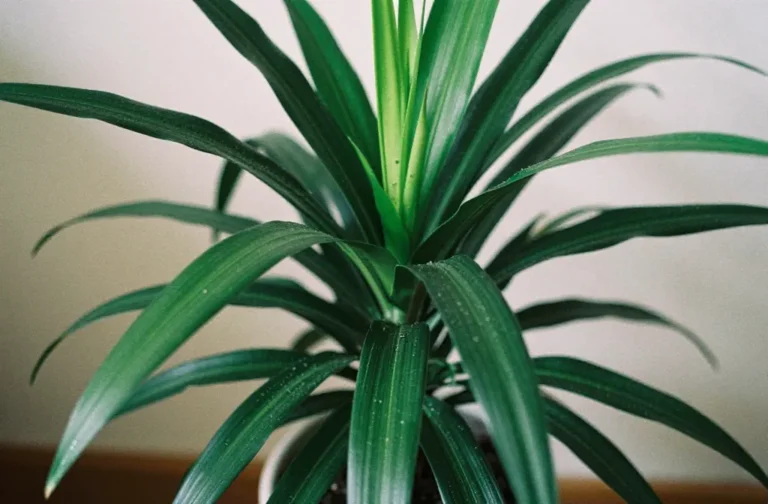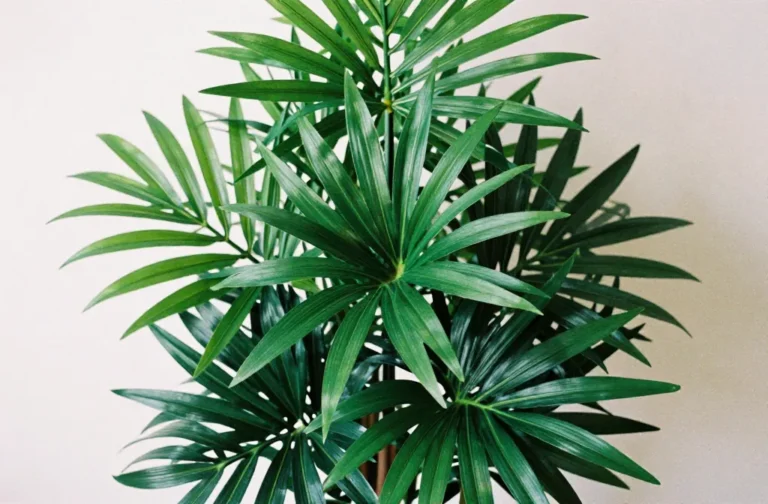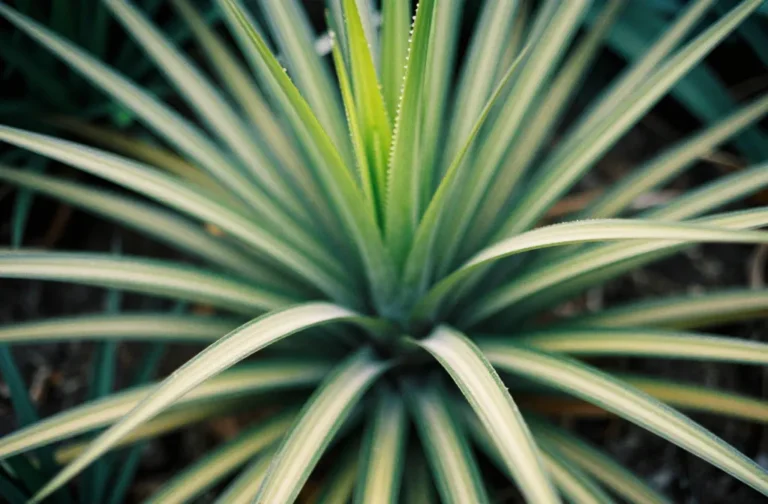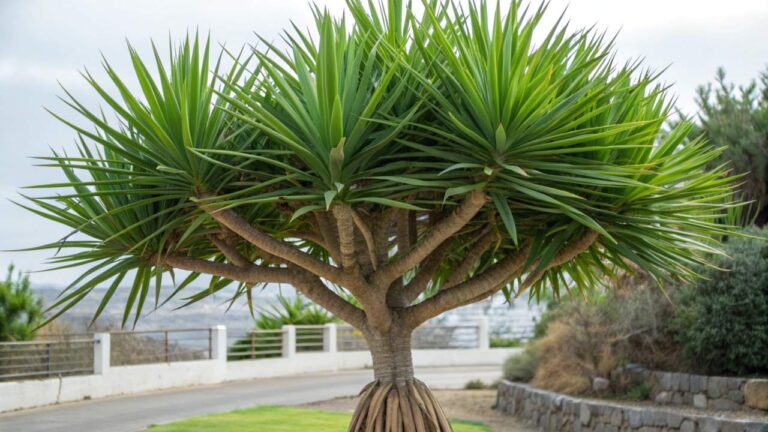
You want a plant that looks like you tried, but won’t punish you if you forget it for a week? Meet Dracaena fragrans, a.k.a. the corn plant. It brings that tropical, glossy vibe without demanding a plant sitter every time you go out of town. It’s forgiving, great-looking, and smells amazing when it blooms (rare indoors, but still). Let’s make sure yours thrives, not just survives.
Why Dracaena Fragrans Wins the Indoor Game
Dracaena fragrans nails the trifecta: good looks, low maintenance, and adaptable. Those long, arching leaves give you instant jungle energy. It tolerates low light and shrugs when you miss a watering or two. FYI, it also filters air pollutants like benzene and formaldehyde, which is a nice bonus even if you’re not wearing a lab coat at home.
You’ll find several varieties, and they all behave similarly:
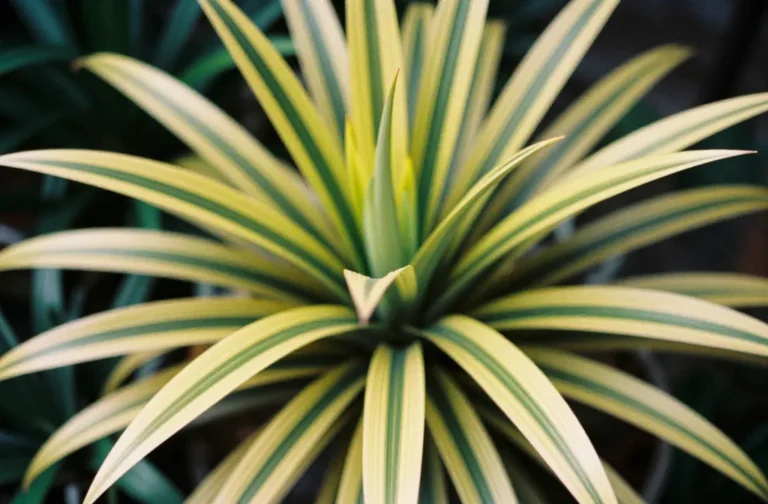
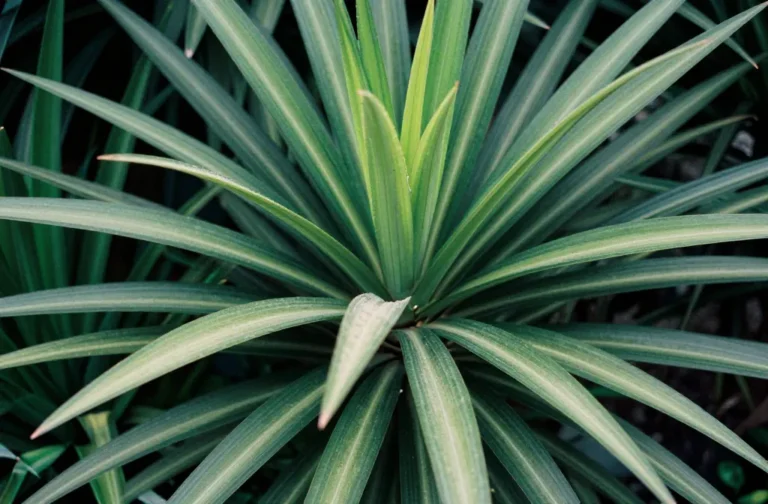
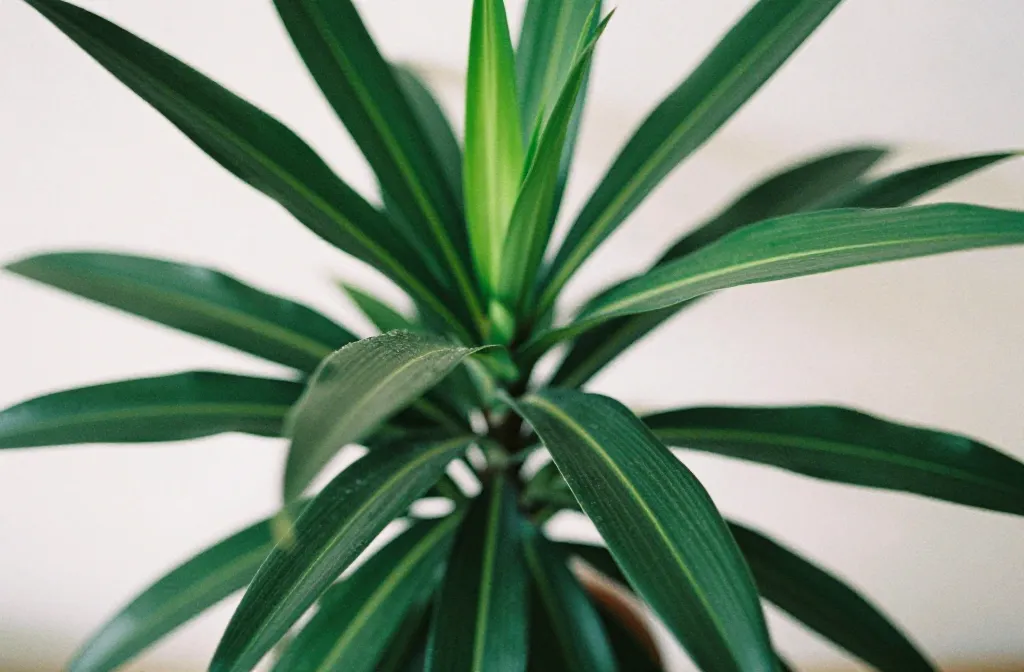
- Massangeana – green leaves with a lime-yellow stripe down the middle (the classic “corn plant”).
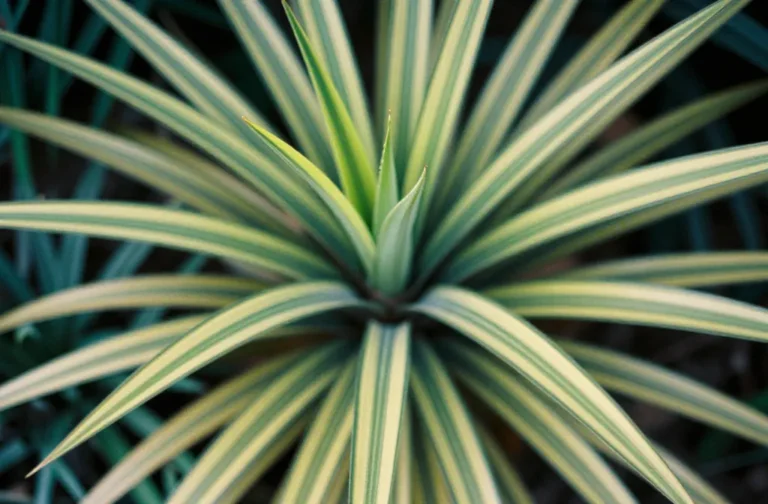
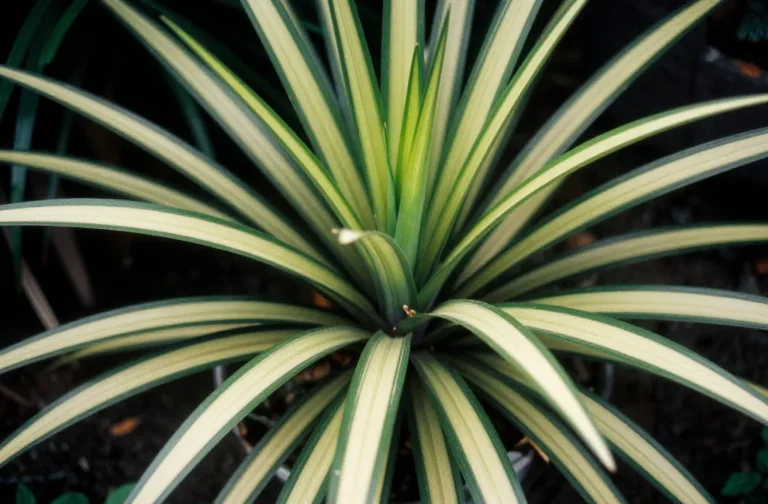
- Lindenii – bold cream margins that pop in bright rooms.
- Compacta – tighter, denser rosette leaves; looks fancier, needs just a touch more light.
Light: Bright-ish, But Chill
Aim for bright, indirect light. Near an east or north window? Perfect. West and south windows work too, but pull it back a bit or use a sheer curtain to avoid crispy tips. Dracaena tolerates lower light, but it grows slower and may lose variegation.
- Signs of too little light: stretched internodes, dull color, leaves droop.
- Signs of too much light: scorched, papery tips or faded stripes.
Can it grow under lamps?
Yes. Use a full-spectrum LED or “daylight” bulb for 10–12 hours daily. Place lights 12–24 inches above the plant. Rotate the pot monthly so it grows evenly, unless lopsided chic is your thing.
Watering: Don’t Drown the Corn
This plant hates wet feet. Water when the top 1–2 inches of soil dries out. In medium light, that’s about every 1–2 weeks. In lower light, you’ll wait longer. Winter? Water less; growth slows down and the soil stays damp longer.
How to water like a pro
- Water thoroughly until liquid runs out the drainage holes. Toss excess from the saucer.
- Use filtered or dechlorinated water if your tap contains fluoride or chlorine; dracaena can get brown tips from them.
- Overwatering signs: yellow lower leaves, mushy stems, sour smell.
- Underwatering signs: curling leaves, crunchy tips, droop.
Soil, Potting, and Drainage: The Boring Stuff That Matters
Dracaena fragrans prefers a well-draining, airy mix. Regular indoor potting soil works, but improve it.
My go-to potting mix
- 2 parts high-quality potting soil
- 1 part perlite or pumice
- 1 part coco coir or fine bark
Use a pot with drainage holes. Terra cotta breathes and helps prevent soggy roots. Repot every 2–3 years in spring when you see roots circling or pushing out of the drainage holes. Move up just one pot size.
Humidity and Temperature: Keep It Mild
Dracaena likes 50–60% humidity, but it handles regular household levels just fine. If you run heat or AC hard, leaves might get crispy tips. A pebble tray, grouping plants, or a small humidifier fixes that quickly. Avoid misting as your main strategy; it bumps humidity for like 8 minutes and encourages leaf spots if you overdo it.
Temperature sweet spot: 65–80°F (18–27°C). Keep it away from cold drafts, heat vents, or doors that blast it with winter air. Below 55°F? The sulking begins.
Feeding and Growth: Slow and Steady Wins
Feed lightly during spring and summer. Use a balanced liquid fertilizer at half strength every 4–6 weeks. Skip feeding in fall and winter. IMO, this plant does better slightly underfed than overfed.
Expect slow, steady growth. Taller canes grow leaves at the top and shed older ones over time, which creates that palm-like look. If it gets leggy, don’t panic—you can fix it.
Pruning and shaping
- Snip the cane at the height you want using clean shears. New shoots will sprout below the cut.
- Root the top cutting in water or moist perlite and plant it once roots form.
- For a fuller look, keep multiple canes of different heights in one pot.
Common Problems (And How to Outsmart Them)
You’ll probably run into brown tips at some point. Doesn’t mean you failed; it means you’re human.
- Brown tips/edges: usually low humidity, underwatering, or fluoride in tap water. Trim tips following the leaf’s natural shape.
- Yellow lower leaves: normal aging if it’s just one or two; otherwise, you may be overwatering.
- Soft, smelly stems: root rot—repot into fresh, dry mix and cut away mushy roots.
- Leaves with brown patches and webbing: spider mites. Wipe leaves, shower the plant, then treat with insecticidal soap or neem weekly until gone.
- Sticky residue or cottony bits: scale or mealybugs. Dab with isopropyl alcohol and follow with a horticultural soap treatment.
Sunburn vs. fungus vs. “What even is that?”
Sunburn creates dry, pale, papery patches on the sun-facing side. Fungal leaf spots look wet, with defined edges and sometimes yellow halos. Improve airflow, water the soil (not the leaves), and remove affected leaves.
Styling and Variety Picks
Want something punchy? Lindenii brightens shady corners with creamy edges. Need a classic office plant that looks expensive? Compacta has that architectural vibe. For a larger statement, grab a multi-cane Massangeana in a tall pot and watch it become the room’s anchor.
A few styling tips:
- Pair with a tall, narrow planter to emphasize height.
- Rotate monthly for even growth and consistent leaf color.
- Wipe leaves with a damp cloth every few weeks to keep them glossy and photosynthesizing like champs.
Pet Safety and Household Notes
Important heads-up: Dracaena is toxic to cats and dogs if they chew it. It can cause drooling, vomiting, and lethargy. Keep it out of reach or choose a pet-safe spot. Also, if your tap water has high fluoride, switch to filtered or rainwater to reduce brown tips. Small adjustment, big payoff.
FAQ
How often should I water my Dracaena fragrans?
Water when the top inch or two of soil dries out. In average indoor light, that’s roughly every 7–14 days. Always check the soil first—schedule watering by dryness, not by the calendar.
Why are the leaf tips turning brown?
Common causes include low humidity, underwatering, or fluoride/chlorine in tap water. Trim the tips neatly, increase humidity a bit, and use filtered or dechlorinated water. Also check that you’re not letting the soil stay wet for too long.
Can my Dracaena grow in low light?
Yes, it survives in low light and still looks decent, but it grows slower and variegation may fade. If you want faster growth and richer color, give it bright, indirect light or supplement with a grow light. IMO, a sheer-curtained south window is the sweet spot.
How do I propagate it?
Take a top cutting with several leaves, remove the lower leaves, and root it in water or moist perlite. Change water weekly if you go that route. You can also cut the cane into 3–4 inch segments and lay them horizontally on moist mix; they’ll sprout new shoots.
Is it normal for lower leaves to drop?
Yes. As the plant grows taller, older leaves yellow and drop, leaving a woody cane. If many leaves drop at once, reassess watering and light. Slow, occasional leaf loss is just the plant maturing.
Do they really bloom indoors?
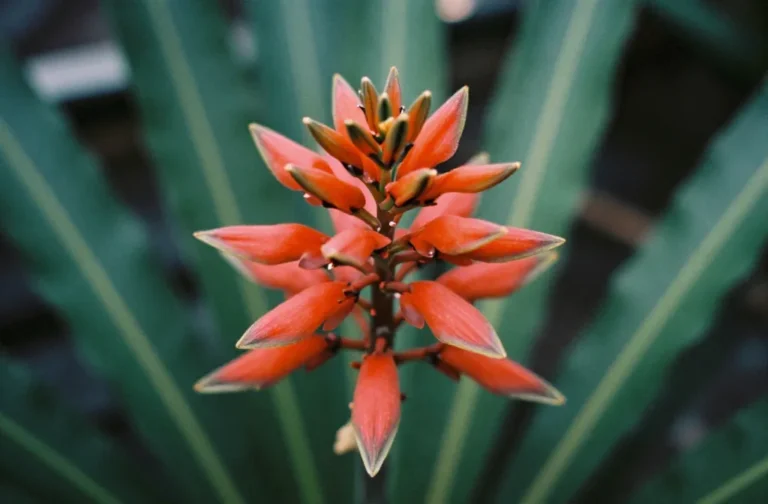
Sometimes, especially on older plants. The flower stalk smells sweet and strong—some people love it, others find it intense. If it blooms, enjoy the show, then snip the spent stalk so the plant redirects energy to new growth.
Conclusion
Dracaena fragrans gives you that lush, tropical look without the diva behavior. Nail the basics—bright, indirect light; moderate watering; airy soil; light feeding—and it’ll reward you for years. It’s tough, stylish, and forgiving. And if you forget to water during a busy week? It’ll forgive you. Just don’t make it a habit, okay? FYI, your living room will look better for it.