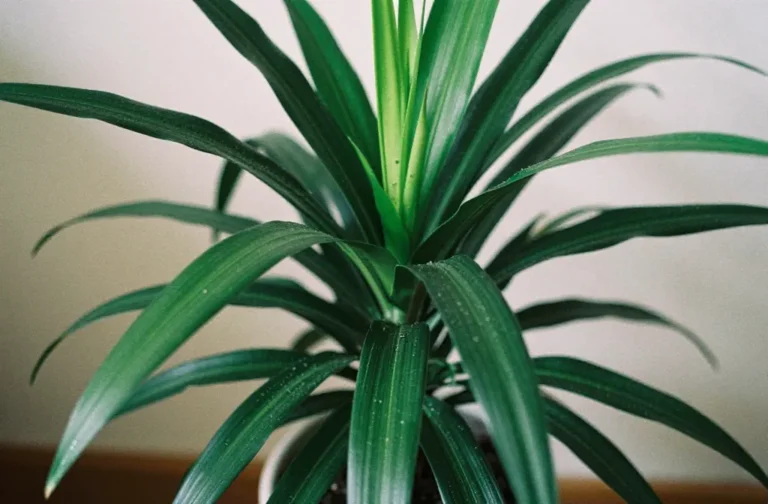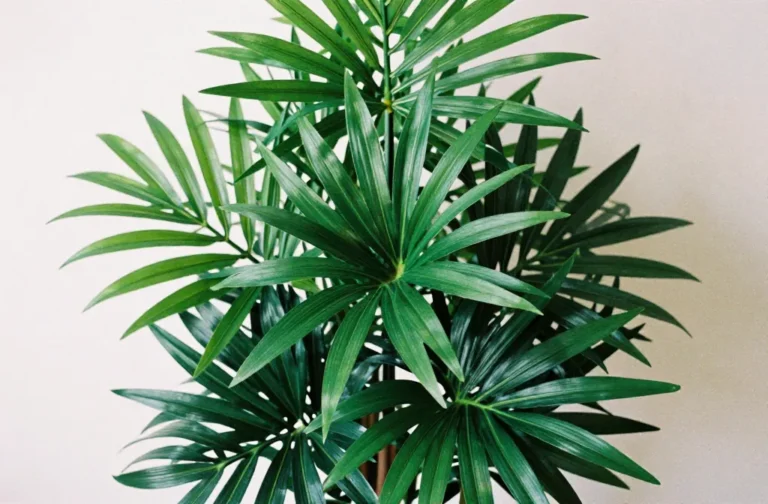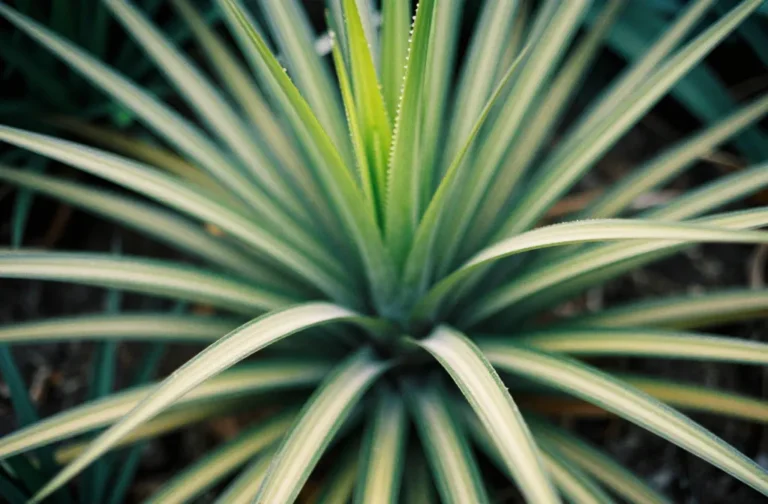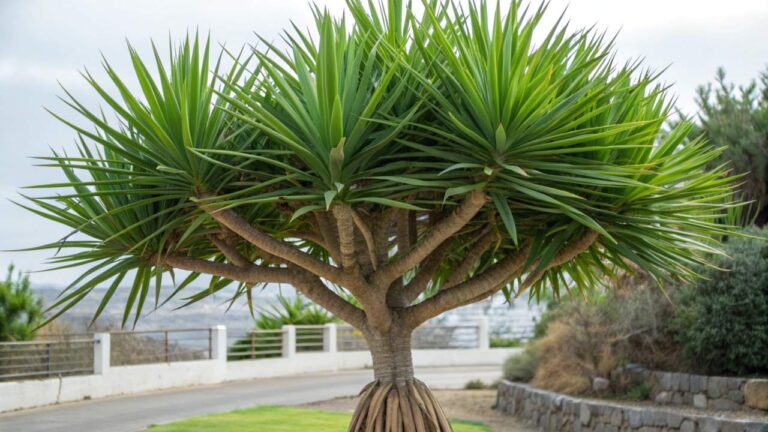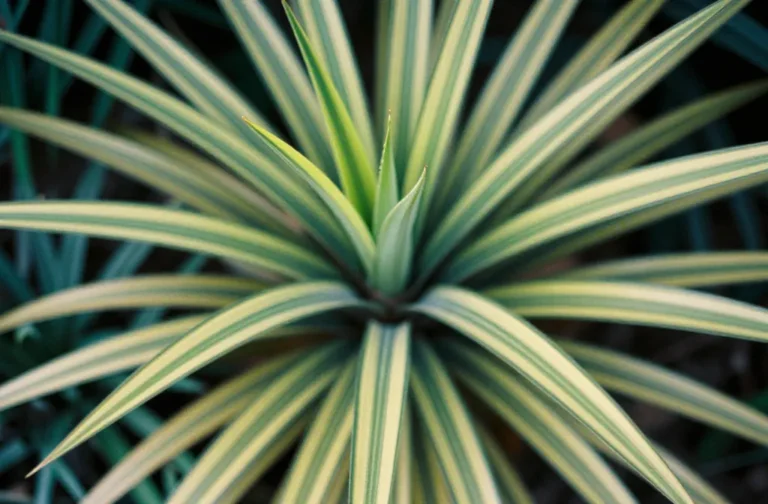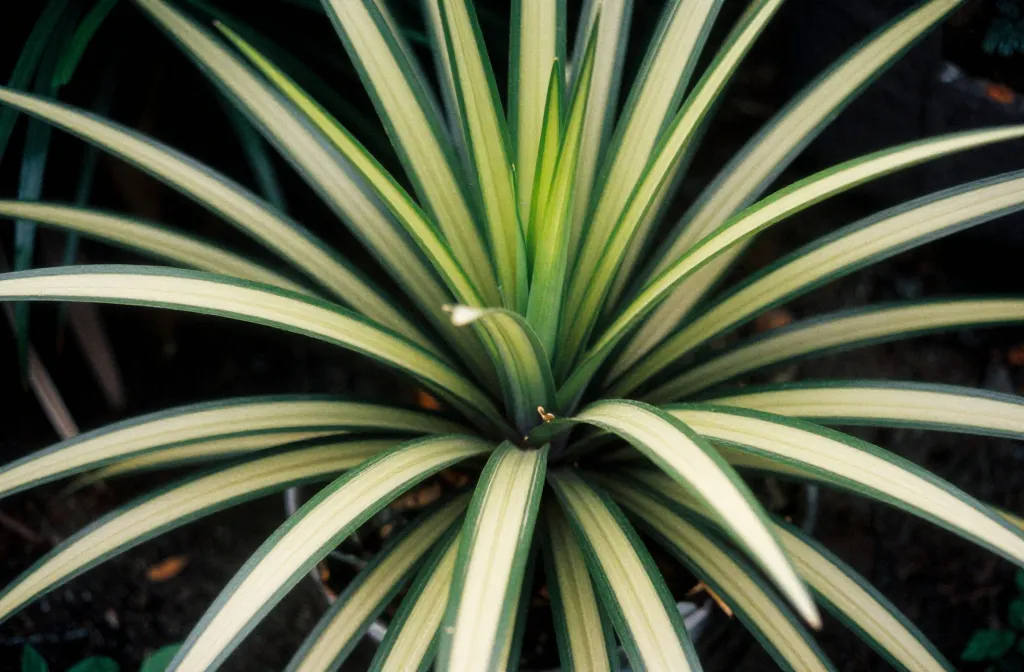
Dracaenas look like tropical trees, behave like kittens (they’re low-maintenance, promise), and tolerate the kind of care schedule that involves… forgetting. If you want lush, sculptural greenery without the drama, you’ve found your plant family. Let’s break down the most popular dracaena types, how they differ, and which one fits your vibe. Ready to pick your new leafy roommate?
Meet the Dracaena Crew: What Makes Them So Good?
Dracaenas belong to a group of drought-tolerant shrubs and trees that thrive indoors. They bring drama with sword-like leaves, cane-like stems, and bold stripes. Most varieties prefer bright, indirect light, but many handle lower-light corners like champs.
You’ll also love their fuss-free attitude. They don’t need daily watering, they don’t need constant pruning, and they don’t pout if you move them. FYI, they also help filter indoor air, which is a nice bonus while they sit there looking fabulous.
Dracaena Marginata (The Dragon Tree)
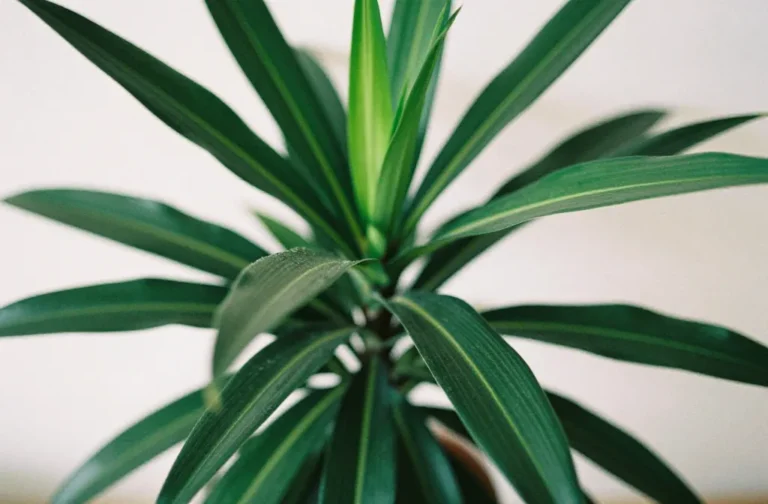
If you like modern, sculptural plants, marginata delivers. It grows thin, woody canes topped with spiky leaf tufts—think stylish palm-tree cosplay.
What to expect:
- Leaves: Narrow, often edged in red or pink.
- Shape: Tall and slender; perfect for corners and small apartments.
- Varieties: ‘Tricolor’ (cream, green, red), ‘Colorama’ (brighter pink margins).
Care quick hits:
- Light: Bright, indirect light; tolerates medium light.
- Water: Let the top half of the soil dry out. Overwatering = leaf drop.
- Pro tip: Rotate the pot monthly for even growth.
Why choose marginata?
It looks expensive without being dramatic. IMO, it’s the easiest “instant architecture” plant money can buy.
Dracaena Fragrans (Corn Plant)
Don’t let the name fool you—it’s not corn. It just has broad, arching leaves that resemble corn stalks. This one nails that tropical, soft-leaf look.
What to expect:
- Leaves: Wider, glossy green with many variegated forms.
- Growth: Canes you can stack or cluster for a layered look.
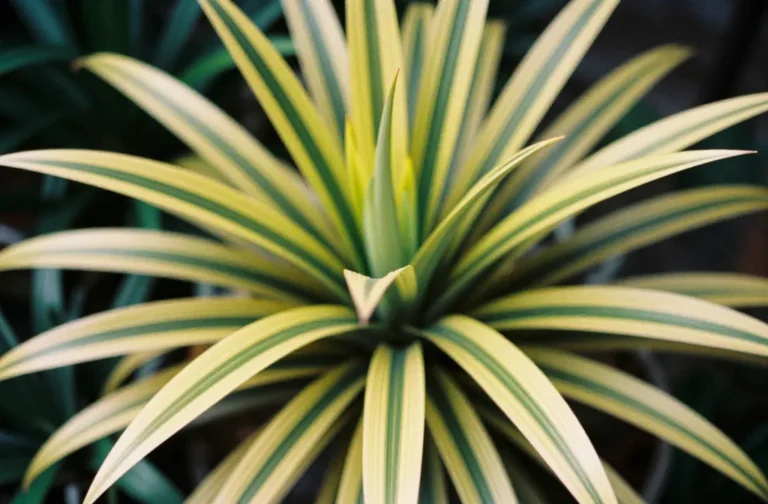
- Varieties: ‘Massangeana’ (green leaves with a yellow stripe), ‘Lemon Lime’ (electric green and yellow), ‘Warneckii’ (gray-green stripes).
Care quick hits:
- Light: Medium to bright, indirect. Variegated types want more light.
- Water: Keep lightly moist in spring/summer; drier in winter.
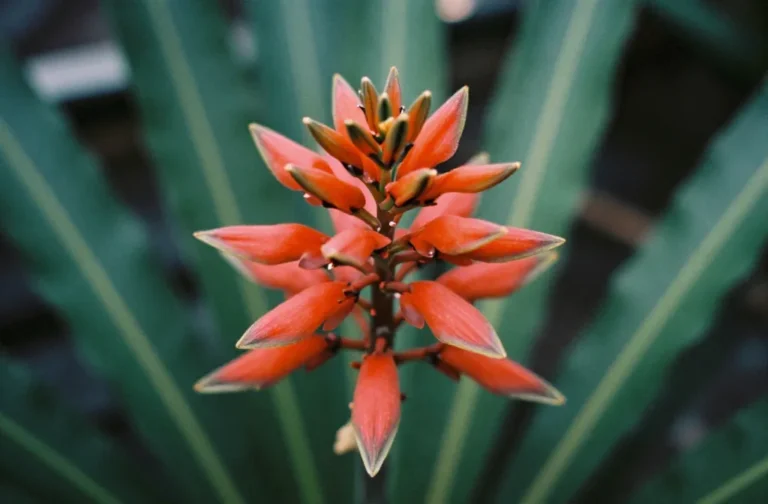
- Bonus: Mature plants can flower with sweetly fragrant blooms. Rare indoors, but magical.
‘Lemon Lime’ vs. ‘Warneckii’
- ‘Lemon Lime’: Bold lime and yellow stripes; loves brighter spots.
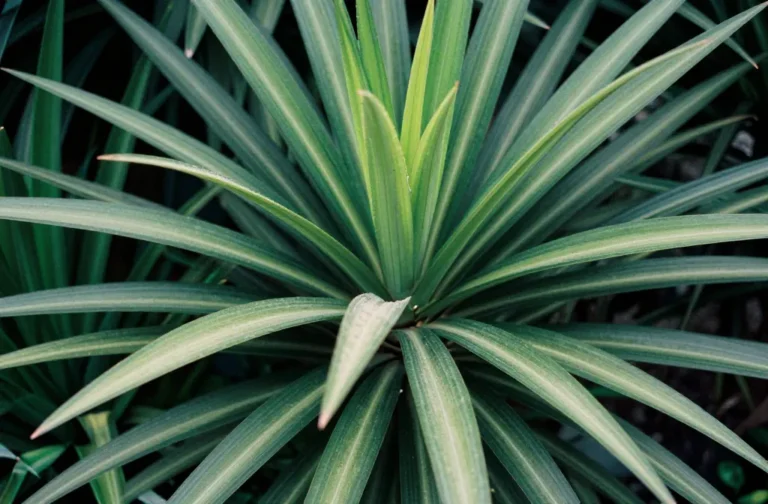
- ‘Warneckii’: Cooler gray hues; tolerates lower light a bit better.
Dracaena Reflexa (Song of India & Song of Jamaica)
The reflexa group brings lush, bushier leaves and branches. It reads more “tropical shrub” than “cane plant,” which makes it great for a full, leafy vibe.
What to expect:
- ‘Song of India’: Creamy yellow margins with green centers; very striking.
- ‘Song of Jamaica’: Darker green with lighter green striping; more subtle.
- Form: Can be trained as a tree or kept bushy with pruning.
Care quick hits:
- Light: Bright, indirect for best variegation.
- Water: Let the top third of soil dry. It dislikes soggy roots.
- Note: More humidity = happier reflexa. Mist or use a tray if your air runs dry.
Dracaena Deremensis (Striped Show-Offs)
Deremensis types bring those crisp stripes and a tidy growth habit. They’re classic office plants because they tolerate a range of light.
Popular picks:
- ‘Janet Craig’: Solid deep green, broad leaves; low-light champion.
- ‘Janet Craig Compacta’: Shorter, denser rosettes; very sleek.
- ‘Warneckii’: Often grouped here too—silvery striping, upright leaves.
Care quick hits:
- Light: Medium to bright; ‘Janet Craig’ tolerates low light.
- Water: Evenly moist but not wet; let top inch or two dry first.
- Maintenance: Dust leaves so they can photosynthesize like the overachievers they are.
Compacta vs. regular ‘Janet Craig’
Compacta grows slower and stays smaller, but it needs more light than the regular version. It’s the minimalist’s dream but not a cave-dweller.
Dracaena Sanderiana (Lucky Bamboo… that’s not bamboo)
Yep, the “lucky bamboo” from desk gift sets is actually a dracaena. It’s fun, bendy, and often grown in water with pebbles.
What to expect:
- Stems: Smooth, segmented canes you can train into spirals or braids.
- Leaves: Narrow and bright green; variegated options exist.
- Vibes: Zen office companion or kitchen windowsill buddy.
Care quick hits:
- Light: Bright, indirect. Avoid harsh sun that scorches leaves.
- Water: If growing in water, change it every 2–3 weeks; use filtered water if possible.
- In soil: Treat like other dracaenas—lightly moist, not soggy.
Dracaena Draco (The Original Dragon)
Meet the dramatic cousin. In nature, dracaena draco becomes a sculptural tree with a thick trunk and umbrella canopy. Indoors, it grows slowly but still looks epic.
What to expect:
- Leaves: Blue-green, sword-like, stiffer than other types.
- Growth: Slow, architectural, very long-lived.
- Fun fact: The “dragon’s blood” resin historically saw use in dyes and varnishes.
Care quick hits:
- Light: Bright, indirect to some gentle direct morning sun.
- Water: Drought-tolerant; let soil dry deeply between waterings.
- Soil: Fast-draining mix—think cactus + houseplant blend.
Choosing the Right Dracaena for Your Space
You’ve got options. Here’s how to pick without spiraling into plant paralysis.
Best for low light:
- ‘Janet Craig’ (deremensis)
- Marginata (just expect slower growth)
Best for bold color:
- ‘Lemon Lime’ (fragrans)
- ‘Song of India’ (reflexa)
- Marginata ‘Colorama’
Best for minimal maintenance:
- Marginata
- ‘Janet Craig Compacta’ (with decent light)
- Lucky bamboo (water-grown, if you remember to change it)
Best for statement piece:
- Corn plant cane cluster (‘Massangeana’)
- Dracaena draco, if you’ve got bright light and patience
Potting and soil basics
- Use a well-draining mix. Regular potting soil + perlite works; add some bark for airiness.
- Choose a pot with drainage holes. Non-negotiable.
- Repot every 2–3 years or when roots circle and compact.
Care Essentials You’ll Actually Use
Let’s keep it simple and avoid plant anxiety.
Light: Bright, indirect light makes colors pop. Most dracaenas handle medium light. Variegated types want more brightness to keep their stripes.
Water: Let some soil dry out first. Overwatering kills more dracaenas than anything else. If leaves yellow and fall from the bottom up, cut back the water.
Humidity: Average home humidity works. Brown tips? Increase humidity a bit or switch to filtered water.
Fertilizer: Feed lightly in spring and summer. A balanced liquid fertilizer at half strength monthly works. Skip winter feeding.
Pruning and shaping: Chop canes to the height you want, and new shoots will sprout below the cut. It’s like a reset button with leaves.
Pets: Dracaenas are toxic to cats and dogs if chewed. Place out of reach or pick a pet-safe plant instead.
Troubleshooting common issues
- Brown tips: Usually fluoride or salts in tap water. Try filtered water and don’t overfertilize.
- Soft, mushy stems: Root rot from overwatering—repot into dry, airy soil and trim rotten roots.
- Pale leaves: Not enough light; move it closer to a window (no harsh midday sun).
- Curled or crispy leaves: Underwatering or very low humidity. Water thoroughly and adjust routine.
FAQ
How often should I water my dracaena?
Water when the top 2–3 inches of soil feel dry. In brighter light, you’ll water more often; in low light, less. Always check the soil first—your finger is a better tool than a calendar.
Can dracaenas live in low light?
Yes, especially ‘Janet Craig’ and marginata. They’ll grow slower and may lose some variegation, but they’ll survive. If the plant stretches or looks pale, bump up the light.
Why are my dracaena’s leaf tips turning brown?
Tap water often contains fluoride and salts that dracaenas dislike. Switch to filtered or let tap water sit 24 hours before using. Also check for underwatering or very low humidity.
Do dracaenas clean the air?
They can help reduce certain indoor pollutants, but not enough to cancel out your gym membership or anything. Consider it a tiny bonus, not a medical-grade air scrubber.
How do I propagate a dracaena?
Take a cane cutting with several nodes, let it callus for a day, then root it in water or moist perlite/soil. Keep it warm and bright (no direct sun). New roots show up in a few weeks.
Is lucky bamboo better in water or soil?
Both work. In water, keep the container clean and change water regularly. In soil, provide good drainage and water when slightly dry. Soil usually leads to sturdier plants long-term, IMO.
Conclusion
Dracaenas check every box: stylish, forgiving, and surprisingly customizable. Whether you want a bold striped diva or a sleek architectural silhouette, there’s a type that fits your space and your “I forget to water” schedule. Pick your favorite, give it bright, indirect light, and don’t drown it. The plant will handle the rest—quietly making your room look way more put-together than you feel.