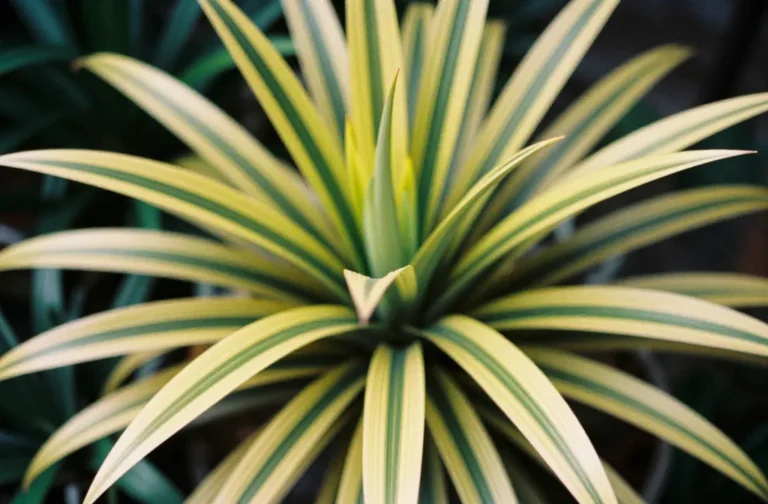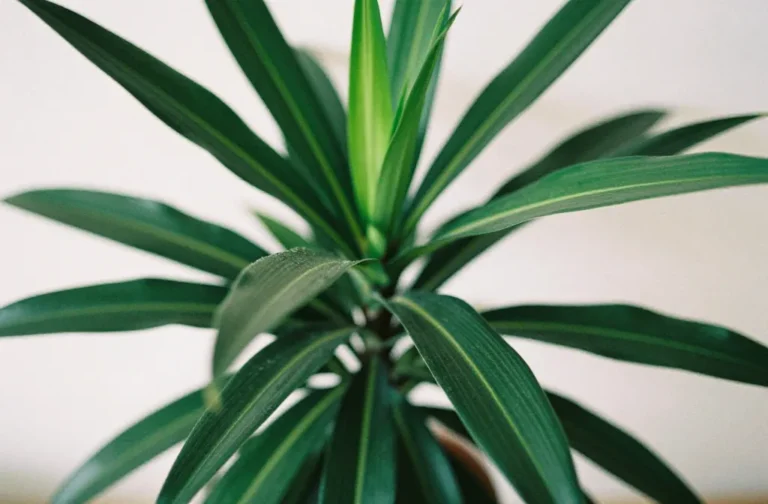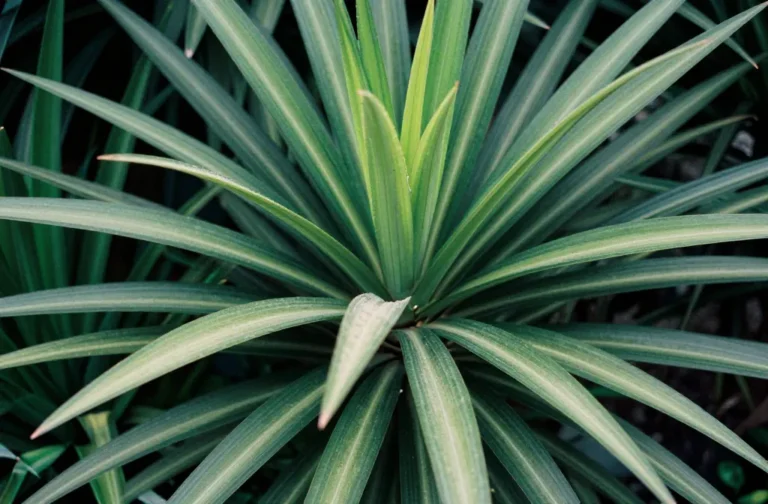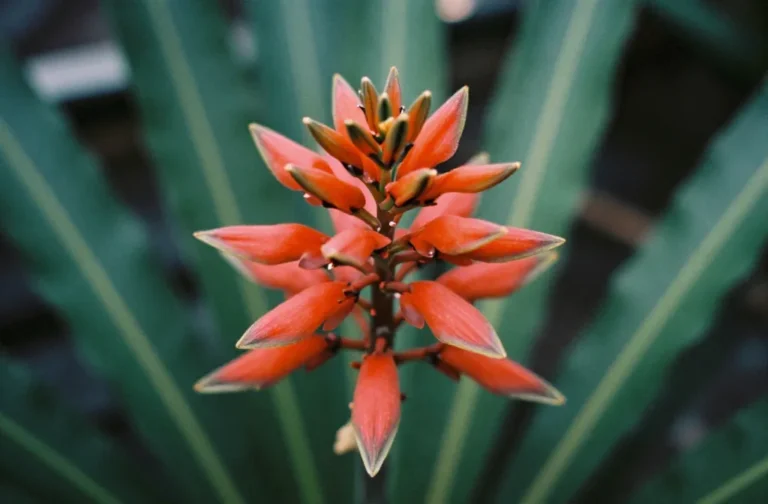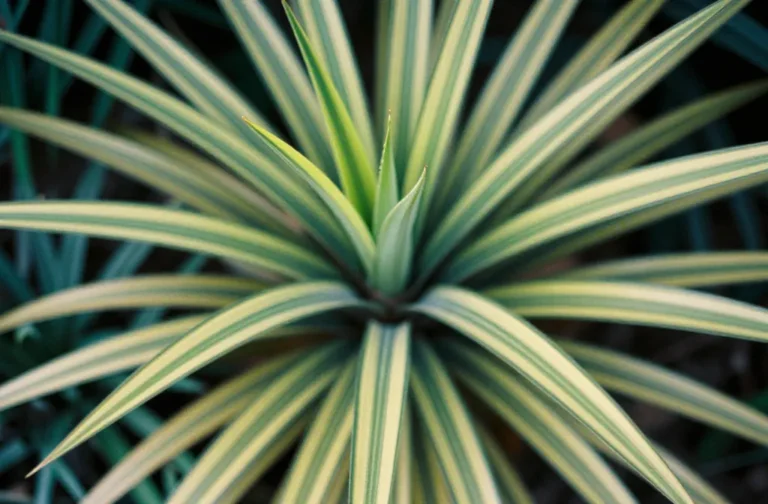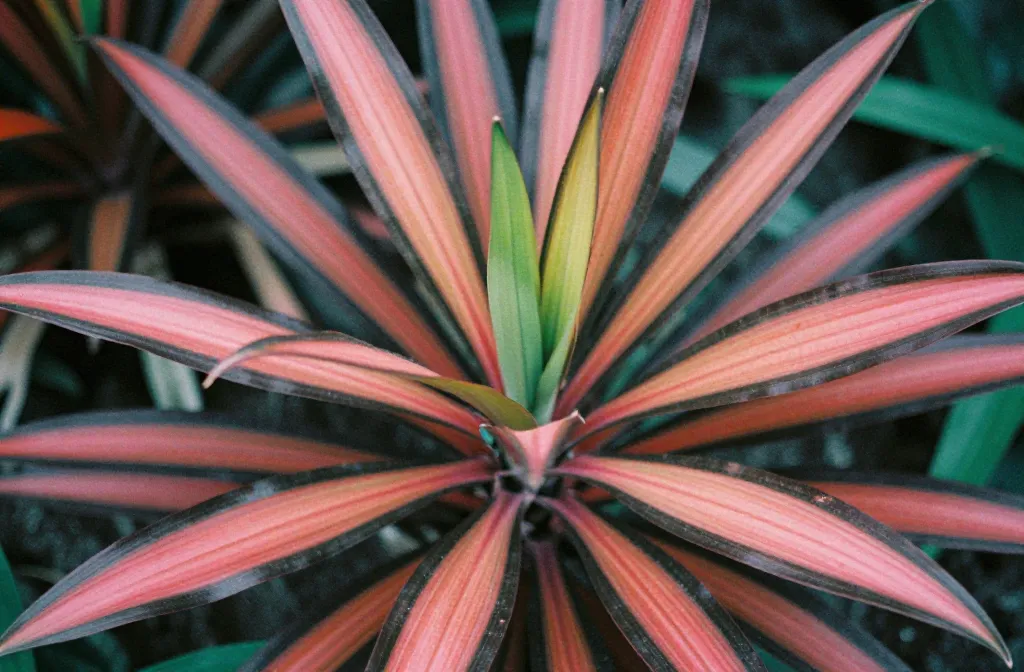
If you want a houseplant that looks like it dressed for a tropical party and never went home, meet Dracaena Red Sister. Those bold burgundy leaves streaked with hot pink? Instant drama. The best part: it thrives with minimal fuss if you learn a few simple moves. Let’s get those colors popping and keep this diva happy without turning your living room into a greenhouse lab.
Meet the Red Sister: What Makes It Pop
Dracaena Red Sister (Cordyline fruticosa ‘Red Sister’) nails that “statement plant” vibe. It brings fiery pink, burgundy, and red tones that brighten dark corners and stand out among your greens. You’ll often see it sold as a cordyline or ti plant—same gorgeous foliage, same care basics.
Want the color to stay bold? Light and water decide whether Red Sister slays or sulks. Nail those two, and the rest feels easy.
Light: The Color Control Dial
Red Sister loves bright conditions, but it doesn’t want harsh noon sun frying its leaves. Think filtered light or gentle morning rays.
- Indoors: Bright, indirect light near an east or north window works great. South or west windows need a sheer curtain.
- Outdoors: Dappled shade or a spot with morning sun and afternoon shade. Too much sun = crispy edges. Too little = dull color.
Signs You Need to Move It
- Faded leaves: Not enough light. Scoot closer to a window.
- Crisp edges or bleached spots: Too much sun. Filter the light or shift it back.
Watering: Keep It Even, Not Soggy
This plant likes consistent moisture—keyword: consistent. Let the top inch of soil dry out between waterings. Then water thoroughly until a little drains out the bottom.
- Spring–Summer: Water when the top inch feels dry.
- Fall–Winter: Cut back slightly; it drinks less.
- Water type matters: Dracaenas dislike fluoride and salts. Use distilled, rainwater, or let tap water sit 24 hours.
Classic Red Sister Drama (And Fixes)
- Brown tips: Low humidity, fluoride, or inconsistent watering. Switch water source and bump humidity.
- Yellow lower leaves: Overwatering or poor drainage. Check the pot and soil.
Soil, Potting, and Drainage: The Foundation
You want a mix that drains quickly but still holds some moisture. Skip heavy garden soil. Use a light potting mix with a bit of chunk to it.
- Good mixes: 2 parts all-purpose potting mix + 1 part perlite or pumice. Add a little orchid bark for airflow if you have it.
- Pot choice: Always use drainage holes. Terracotta helps the soil dry faster if you water heavy.
- Repotting: Every 1–2 years in spring. Size up one pot, no more.
Roots and Rot Prevention
Lift the plant and check roots if it looks sad. Healthy roots look white/tan and firm. Mushy, dark roots mean rot—trim them and repot into fresh, dry mix. Water lightly for a week, then resume normal care.
Humidity, Temperature, and Where It Thrives
Red Sister reads as tropical because it is. It loves warmth and medium humidity. You don’t need a rainforest, but you can’t treat it like a cactus either.
- Temperature: 65–85°F is ideal. Keep it away from drafts and AC vents.
- Humidity: Aim for 40–60%. A pebble tray, grouped plants, or a small humidifier helps. Bathrooms with bright light? Chef’s kiss.
- Outdoors: Great on shaded patios in warm seasons. Bring it in when nights drop below 55°F.
Feeding and Growth: Keep the Color Coming
You don’t need to overfeed; this isn’t a teenager. A little food during the growing season keeps color vivid and growth steady.
- Fertilizer: Use a balanced, water-soluble fertilizer at half strength monthly in spring and summer.
- Skip in winter: It rests. Feeding then just stresses the plant.
- Slow-release option: Works well if you’d rather “set it and forget it.”
Pruning for Shape (And Sanity)
Snip off ratty lower leaves where they meet the stem. If it gets leggy, prune the cane back by a third in spring. It will push fresh growth from nodes. Fun bonus: you can root those cane cuttings.
Propagation: Make More Red Sisters
Want a mini army? Propagation is pretty easy and weirdly satisfying.
- Stem cuttings: Take a 4–6 inch piece of cane, let it dry for a few hours, then stick it upright in moist, airy mix.
- Lay-flat method: Cut a longer cane, lay it horizontally on the soil, and lightly cover. New shoots pop from nodes.
- Environment: Bright, indirect light and warm temps. Keep the medium barely moist. Roots show in 4–8 weeks.
Pests and Problems: Catch Them Early
No plant is truly drama-free. Luckily, most issues with Red Sister have quick fixes if you spot them fast.
- Spider mites: Fine webbing and stippled leaves. Increase humidity and rinse leaves. Treat with insecticidal soap or neem weekly until gone.
- Mealybugs: White cottony clusters. Dab with alcohol on a cotton swab and follow with insecticidal soap.
- Scale: Hard brown bumps on stems. Scrape gently and treat with horticultural oil.
- Fungal leaf spots: Improve airflow, water the soil not the foliage, and remove affected leaves.
Why Are My Leaves Losing Color?
Color fades for three big reasons:
- Not enough light. Move it brighter but still indirect.
- Old leaves. Lower leaves naturally age out. No biggie.
- Nutrient lull. Feed lightly in spring/summer. FYI, overfeeding burns tips.
Styling and Placement: Let It Shine
This plant steals the show, so give it a stage. Pair it with lime-green or silvery plants for contrast, or set it solo in a simple pot to let the pink do the talking.
- Great spots: By a bright window, on a shaded balcony, or as a living room focal point.
- Pot color: White, charcoal, or matte black makes the foliage look extra electric.
- Companions: Ferns, pothos, and calatheas match the humidity vibe and balance the color.
FAQ
Is Dracaena Red Sister toxic to pets?
Yes. It’s toxic to cats and dogs if ingested and can cause vomiting or drooling. Keep it out of nibble range and call your vet if your pet samples the salad bar. IMO, a plant shelf or hanging placement helps.
How often should I water it?
Water when the top inch of soil dries out. This might be once a week in bright indoor light and a bit more often in summer. Always adjust based on your home’s light, temperature, and humidity.
Can I grow it in low light?
It will survive, but the color will fade. For max pink, give it bright, indirect light. If low light is your only option, expect deeper burgundy with less hot-pink flair. FYI, grow lights can help.
Why are the leaf tips brown?
Usually water quality, low humidity, or inconsistent watering. Try distilled or rainwater, increase humidity, and keep your watering schedule steady. Trim crispy tips with clean scissors if they bug you.
What’s the best temperature range?
Keep it between 65–85°F. It hates cold drafts and sudden drops. If your space gets chilly at night, move it away from windows or doors.
Should I mist the leaves?
Light misting won’t hurt, but it won’t move the humidity needle for long. A humidifier or pebble tray does more. Also, avoid constant wet leaves to prevent fungal spots.
Conclusion
Dracaena Red Sister brings jaw-dropping color without diva-level demands. Give it bright, indirect light, steady moisture, and decent humidity, and it will reward you with glowing pink foliage that looks borderline unreal. Tweak the basics, watch the leaves, and you’ll dial in its care fast—no botany degree required, IMO.