Dracaena compacta doesn’t scream for attention; it smolders. This tidy, palm-like plant packs big style into a small footprint, making desks, shelves, and dim corners feel suddenly intentional. If you want sleek, low-key greenery without the diva attitude, this one earns a spot. Let’s get you set up so your dracaena doesn’t silently judge your care routine.
Meet the Plant: Why Dracaena Compacta Wins
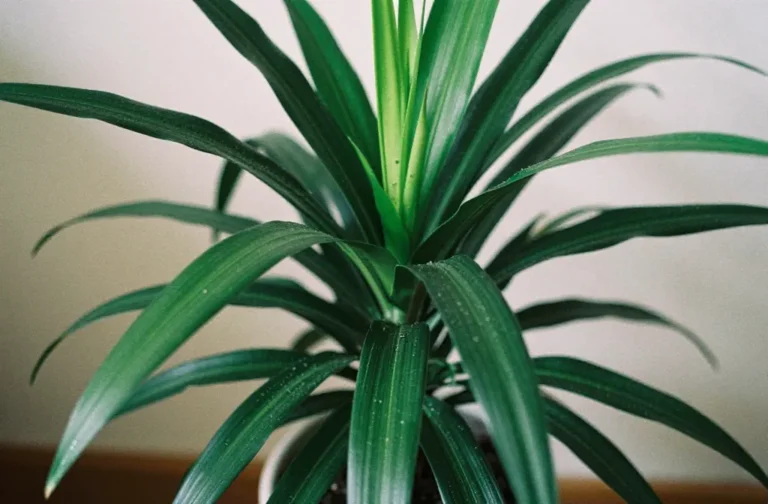
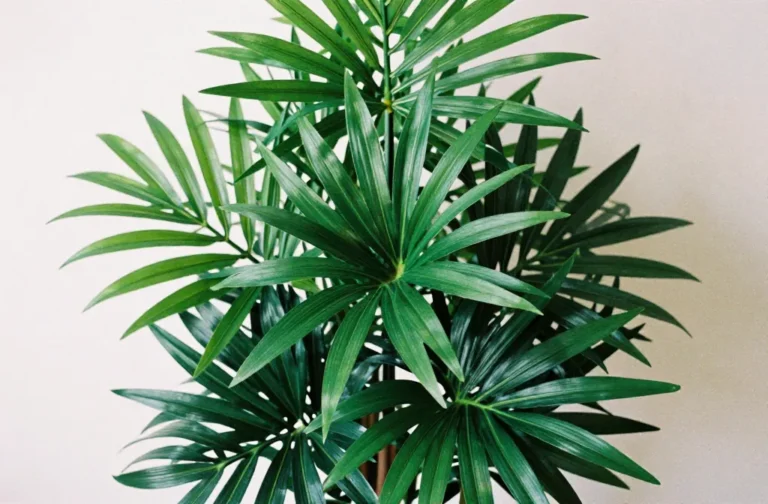
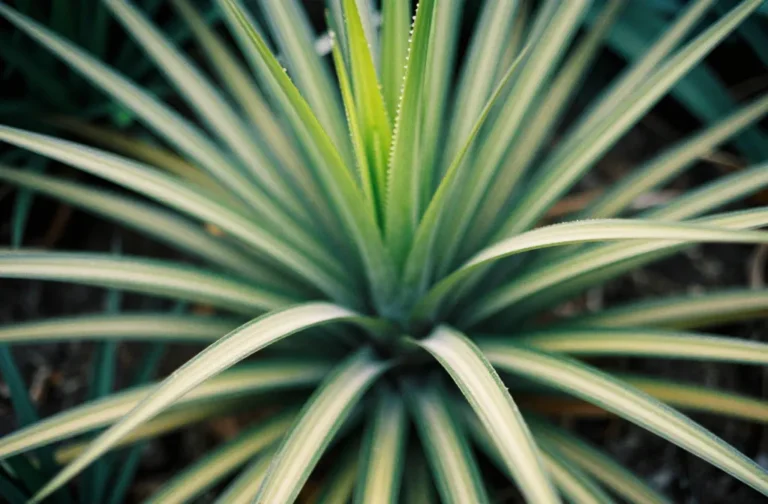
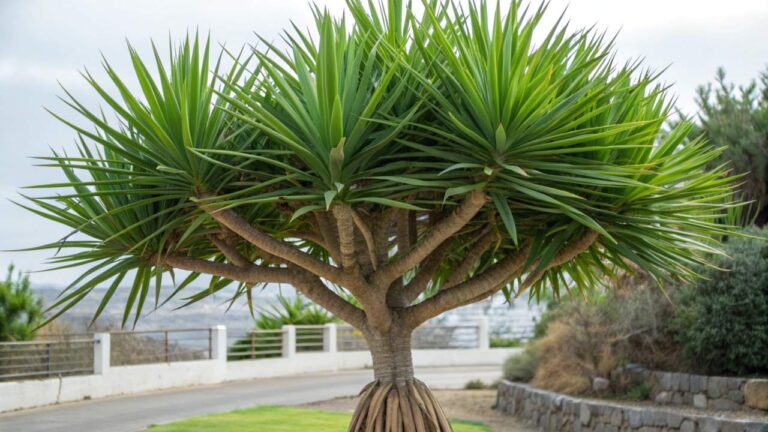
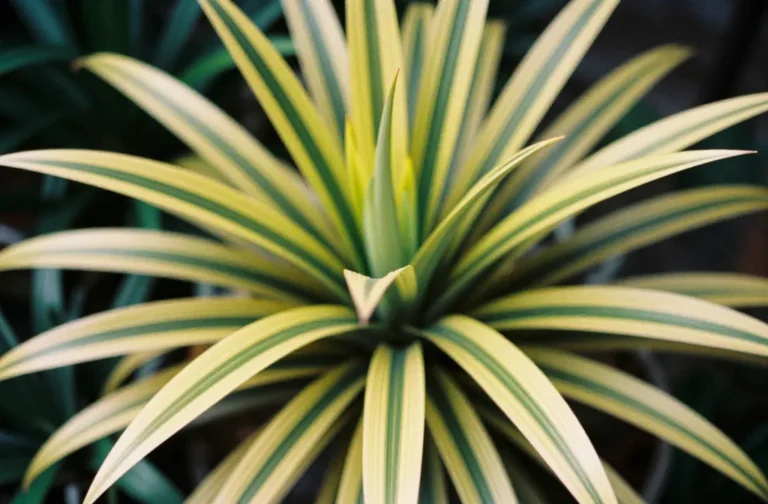
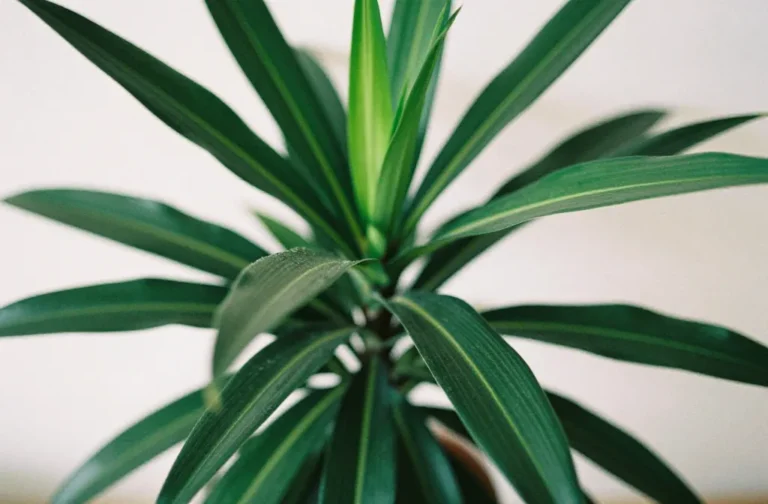
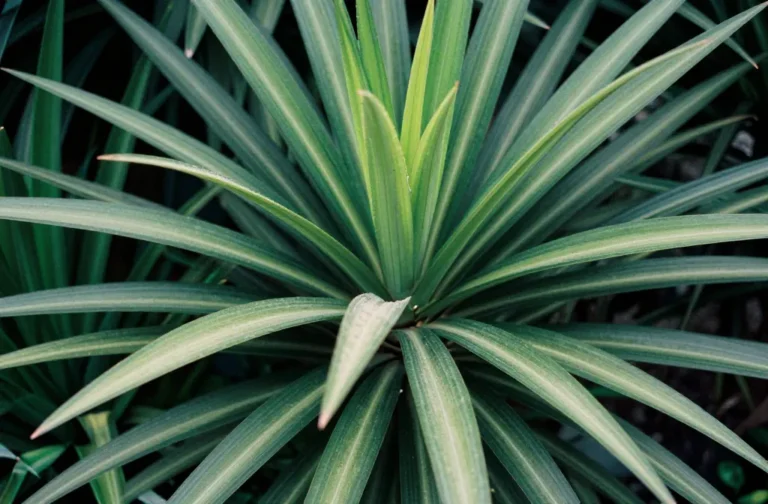
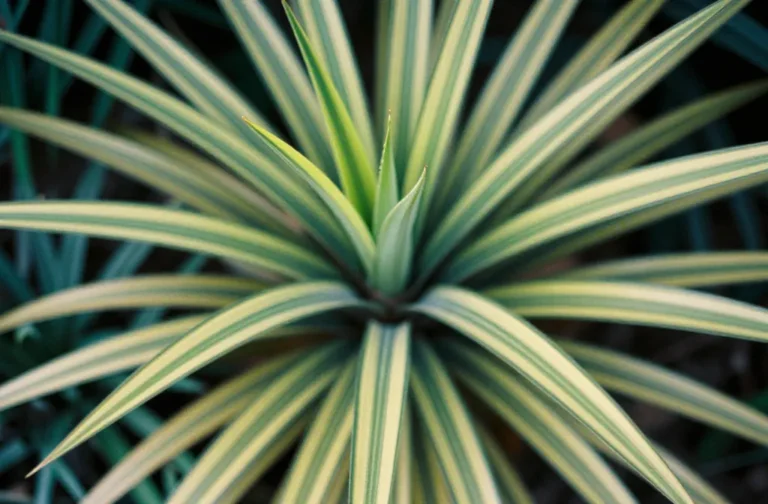
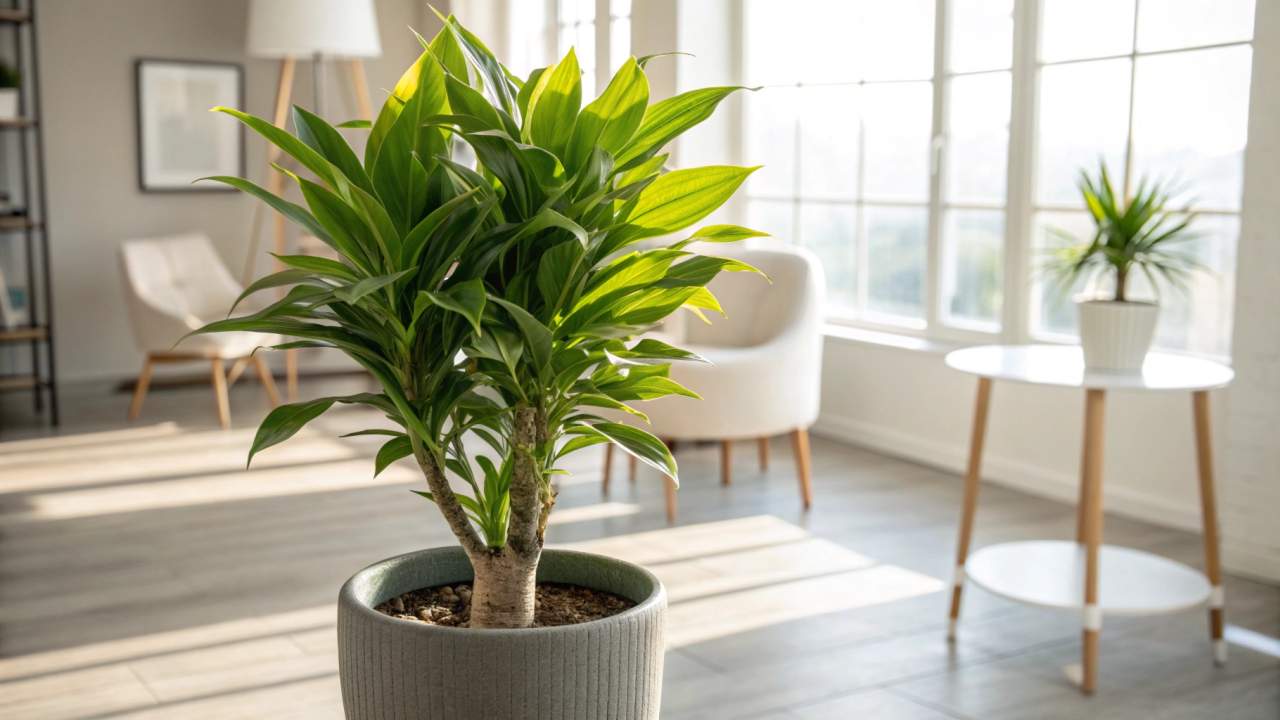
Dracaena compacta (also sold as “Janet Craig Compacta”) grows in tight rosettes with glossy, deep-green leaves. It looks like a tiny indoor tree that hired a stylist. You get structure, shine, and a slow-growing plant that won’t outpace your apartment.
Best part? It tolerates less-than-perfect light and irregular watering. Does it still have preferences? Absolutely. But IMO, it’s one of the more forgiving “fancy-looking” plants.
Light: Bright Enough, But Not Blinding
Aim for bright, indirect light. Think near a window with filtered sun or a few feet back from a bright spot. It can tolerate medium light but will grow slower and stretch a bit.
Avoid direct sun, especially harsh afternoon rays. They scorch those shiny leaves and leave crispy edges. No one wants a crunchy dracaena.
Low-Light Reality Check
It survives in lower light, but doesn’t thrive. You’ll see slower growth and fewer new rosettes. If your home leans dim, add a grow light for a few hours daily. FYI, cool-white LEDs work fine.
Watering: Less Is More (Truly)
This plant hates soggy soil. Your mission: keep it slightly moist, then let it dry a bit. Water when the top 1–2 inches of soil feel dry.
- Spring–summer: Water every 10–14 days, depending on light and temperature.
- Fall–winter: Every 2–3 weeks, sometimes longer. Growth slows, so you should too.
Use room-temperature, low-fluoride water if possible. Dracaenas can react to fluoride in tap water with brown tips. If your city water runs high in salts or fluoride, try filtered or let tap water sit overnight.
Overwatering Red Flags
- Limp, yellowing leaves starting from the bottom
- Mushy stems or a sour smell from the soil
- Fungus gnats doing laps around your pot (they love wet soil)
If you see these, let the plant dry out more, check drainage, and consider repotting if the roots feel mushy.
Soil, Pots, and Drainage: Set the Foundation
This plant likes airflow around its roots. Use a well-draining potting mix and a pot with a drainage hole. No exceptions.
Easy mix recipe:
- 2 parts high-quality houseplant potting soil
- 1 part perlite or pumice
- 1 part orchid bark or coco chips
Choose a pot that’s just 1–2 inches wider than the root ball. Dracaena compacta appreciates a snug fit. Go too big and the soil stays wet forever—aka root rot city.
Repotting Timeline
Repot every 2–3 years, or when:
- Roots circle the pot or pop out the drainage hole
- Water runs straight through without soaking
- Growth stalls and the plant looks annoyed for no reason
Humidity and Temperature: Cozy, Not Tropical
You don’t need a rainforest. Dracaena compacta handles average indoor humidity (40–50%) just fine. If your air dips dry in winter, a small humidifier or a pebble tray helps.
Keep temps between 60–80°F (15–27°C). Avoid cold drafts and heat vents. Sudden chill = droopy leaves. Sudden blast of hot air = crispy tips. Pick a stable spot and call it a day.
Feeding and Growth: Slow and Steady
This plant grows like it sips espresso, not chugs it. Feed lightly during the growing season.
- Fertilizer: Balanced liquid fertilizer at 1/2 strength every 4–6 weeks from spring to early fall.
- Skip winter feeding: It’s resting. Don’t force it.
If your plant leans toward one side, rotate it a quarter turn every few weeks. It’ll stay symmetrical and “compacta” won’t become “compact-ish.”
Pruning for Shape
Snip off yellow or damaged leaves at the base. If stems get leggy, you can top the cane. New shoots usually pop from below the cut. And yes, you can root the top cutting in water or perlite. Free plant, hello.
Common Problems (and Quick Fixes)
Brown tips? Usually low humidity, underwatering, or fluoride. Trim tips with clean scissors and adjust conditions.
Yellow lower leaves? Normal aging if it’s occasional. If it’s lots at once, you’re probably overwatering.
Leaf curl or droop? Check soil moisture first. Too dry or too wet both cause drama. Balance is key.
Pests? Mealybugs, spider mites, and scale might try it. Wipe leaves regularly to spot issues early.
Pest Control 101
- Isolate the plant if you see bugs.
- Wipe leaves with a microfiber cloth and diluted neem oil or insecticidal soap.
- Repeat every 7–10 days for 3–4 rounds to catch hatch cycles.
- Increase humidity slightly for spider mites; they hate it. You’ll love it.
Pet Safety and Placement
Dracaenas are toxic to pets if chewed. Cats and dogs might drool, vomit, or get wobbly. If your pet treats plants like salad, place this one out of reach or pick a different species.
As for styling, dracaena compacta loves:
- Bright shelves or plant stands near east or north windows
- Office desks with good ambient light
- Bathrooms with a window (bonus humidity!)
Just keep it away from harsh sun and gusty doors. Easy.
FAQ
Why are my dracaena’s leaf tips turning brown?
Brown tips usually mean dry air, underwatering, or fluoride/salts in your water. Try filtered water, bump humidity a bit, and keep your watering consistent. Trim the brown tips if they bug you, but don’t cut into the green.
Can dracaena compacta live in low light?
It can survive, but it won’t thrive. Expect slower growth and fewer fresh leaves. If low light is your only option, supplement with a small LED grow light for a few hours daily, IMO the best compromise.
How often should I clean the leaves?
Dust blocks light and can invite pests, so wipe the leaves every few weeks. Use a damp cloth and support each leaf as you clean. Skip leaf shine sprays—they clog pores and look weirdly plastic.
When should I repot my dracaena compacta?
Repot every 2–3 years or when it becomes root-bound, water speeds through, or growth slows. Move up just one pot size and refresh with a chunky, well-draining mix. Spring is the best time.
What kind of fertilizer works best?
Use a balanced liquid houseplant fertilizer at half strength during spring and summer. Feed every 4–6 weeks. Too much fertilizer causes tip burn, so go light. FYI, slow-release pellets also work if you prefer low-maintenance.
Can I propagate dracaena compacta?
Yes. Take a top cutting with a few leaves, let the cut end dry for a day, then root it in water, perlite, or a light soil mix. Keep it warm and bright (indirect light). Roots show up in a few weeks if you don’t overthink it.
Conclusion
Dracaena compacta brings polished, minimal vibes without a high-maintenance attitude. Give it bright, indirect light, water thoughtfully, and stick to a well-draining mix. Keep the leaves clean, watch for pests, and rotate for even growth. Do that, and you’ll have a plant that looks effortlessly chic—because you’re secretly doing all the right things, IMO.