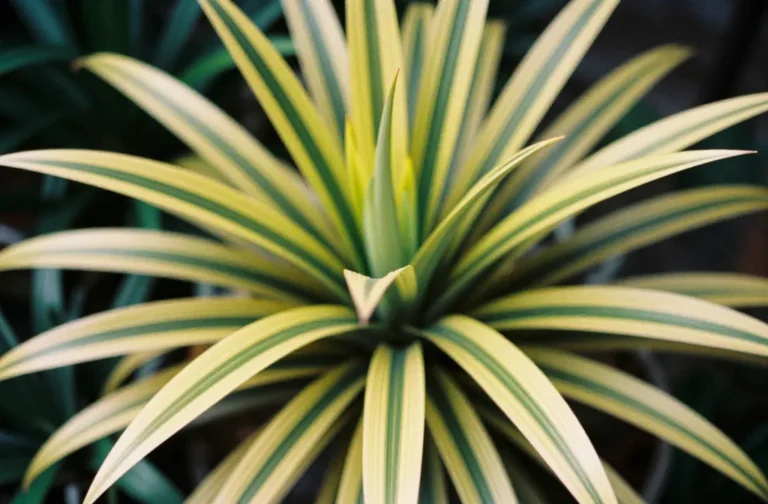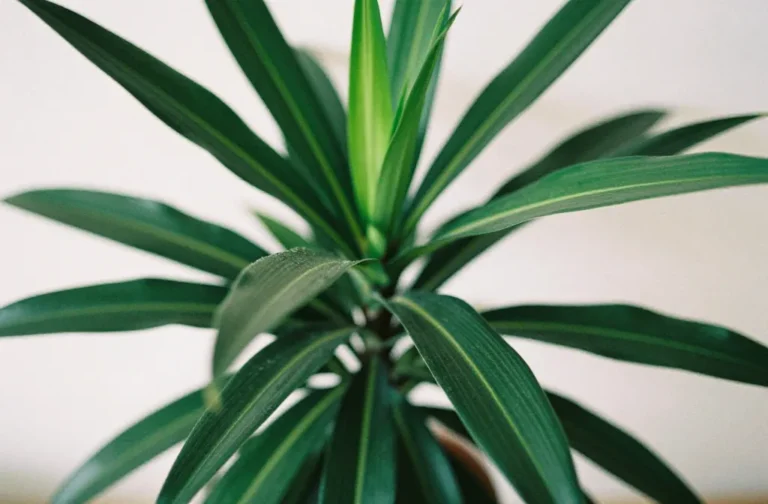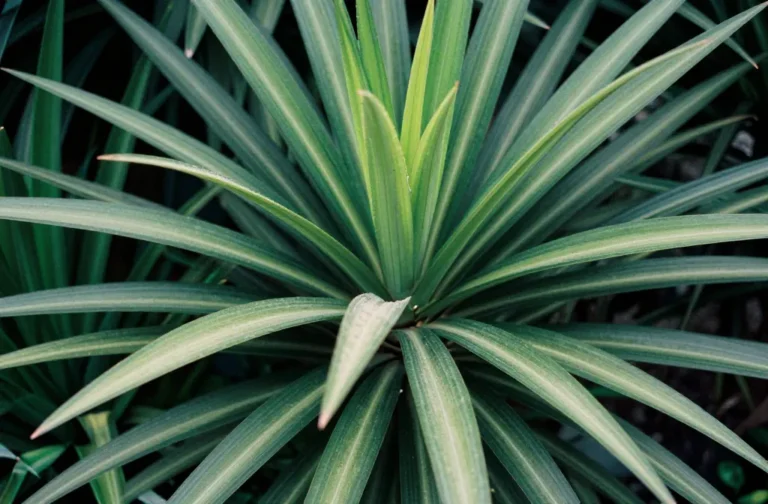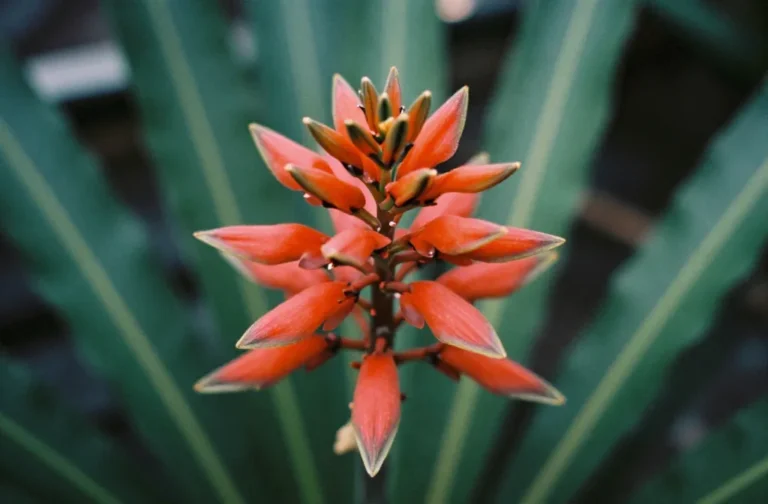
You want a happy plant that doesn’t ghost you after two weeks? Dracaena delivers. It looks tropical, handles neglect like a champ, and forgives the occasional “oops, I forgot to water you.” If you can keep a coffee habit alive, you can keep a dracaena alive. Let’s make yours thrive, not just survive.
Meet the Dracaena: The Chill Roommate of Houseplants
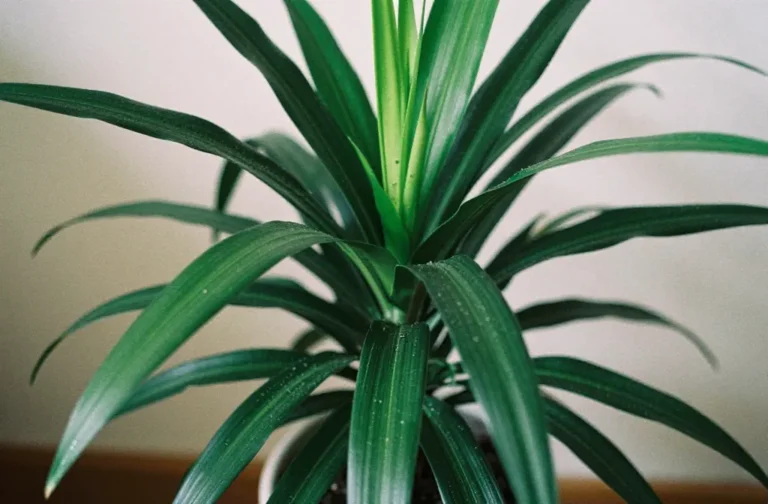
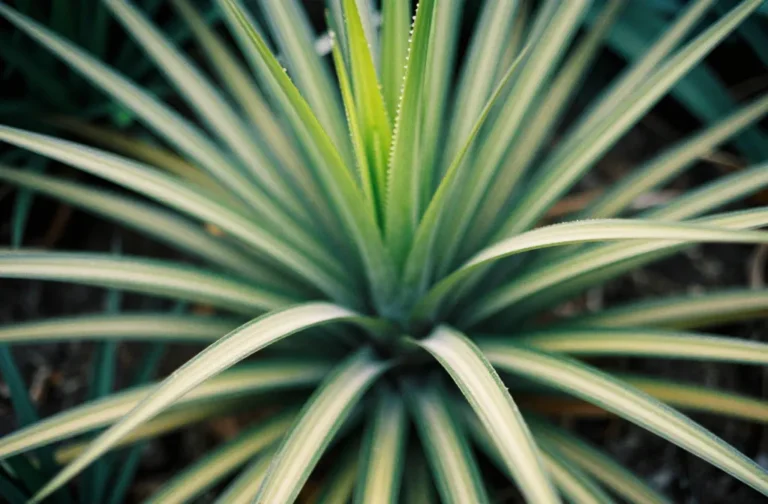
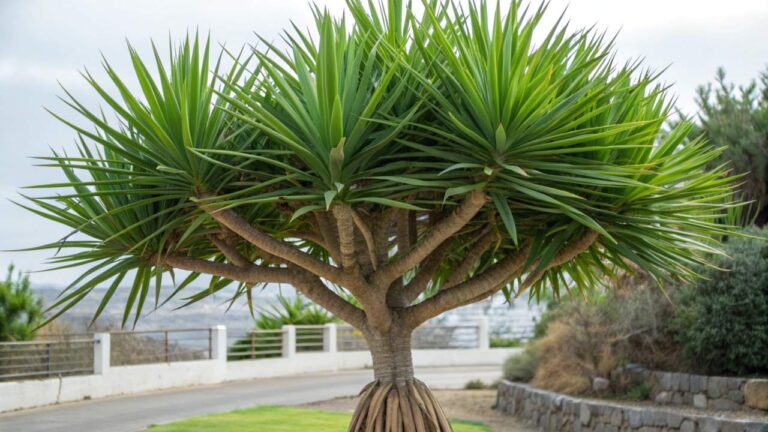
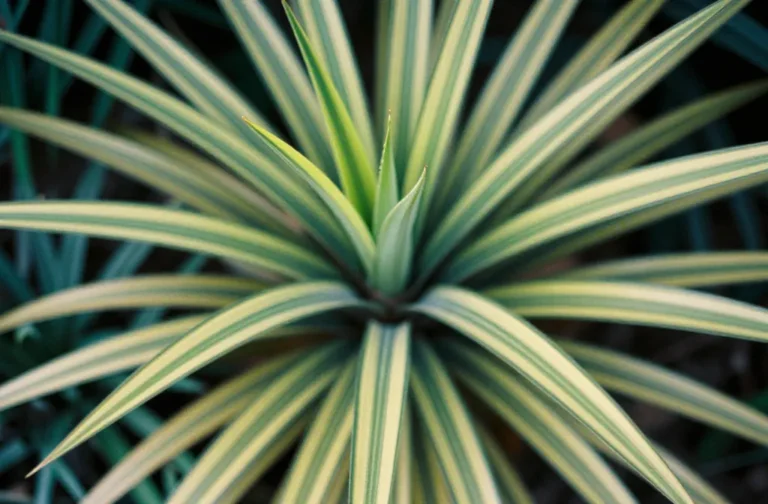
Dracaena isn’t one plant—it’s a whole squad. You’ll see varieties like ‘Marginata’ (spiky, tall), ‘Janet Craig’ (glossy, broad leaves), ‘Warneckii’ (striped), and ‘Lemon Lime’ (neon vibes). They all want similar care, so you don’t need a botany degree.
They grow slowly, stay tidy, and do great in apartments. Bonus: they filter indoor air. Does that make them superheroes? IMO, yes.
Light: Bright, But Make It Indirect
Dracaena loves light, just not sunburn. Give it bright, indirect light and it’ll reward you with lush growth. Direct sun? That scorches the leaves faster than a forgotten pizza.
North or east windows work well. South or west windows? Move it a few feet back or use a sheer curtain. Low light works in a pinch, but growth slows and variegation may fade.
Signs Your Light Is Off
- Too little: Sparse growth, pale leaves, leaning toward the window.
- Too much: Crispy brown patches, bleached stripes.
Watering: Less Is More (Seriously)
If you overwater dracaena, it will throw shade at you in the form of yellowing leaves and mushy stems. Let the top 1-2 inches of soil dry between waterings. Then water thoroughly until it drains out the bottom.
Use filtered or dechlorinated water if you can. FYI, dracaenas can be sensitive to fluoride in tap water. If the tips keep browning, that might be the culprit.
A Simple Watering Routine
- Spring–summer: Check weekly; water when dry on top.
- Fall–winter: Check every 10–14 days; they sip, not chug.
- Always: Empty saucers—no wet feet.
Soil, Pot, and Repotting: Set the Foundation
Dracaena roots like air, not sludge. Use a well-draining mix: a standard houseplant blend with extra perlite, pumice, or orchid bark works great.
Pick a pot with a drainage hole (non-negotiable). Terracotta helps wick away moisture if you overwater sometimes—no judgment.
Repot Without the Drama
- Repot every 2–3 years or when roots circle the pot.
- Go up just one size (1–2 inches wider).
- Spring is best; they bounce back faster.
Humidity and Temperature: Keep It Comfy
These plants came from tropical vibes, but they don’t demand a rainforest. Aim for 40–60% humidity. Most homes hit that, but winter can drop it. Group plants, set a pebble tray, or run a small humidifier if tips crisp up.
Temperature-wise, they like 65–80°F. Avoid cold drafts and heater blasts. If you feel comfy, your dracaena probably does too.
Feeding and Growth: Slow and Steady Wins
Dracaenas grow slowly, so you don’t need to go fertilizer-crazy. Use a balanced, water-soluble fertilizer at half strength every 4–6 weeks in spring and summer. Skip feeding in winter. Overfeeding leads to salt buildup and sad leaves—hard pass.
Want a bushier plant? You can prune the cane. It sounds scary, but it works.
Pruning 101
- Use clean shears and cut above a node (the little line on the cane).
- Leave at least 6 inches of cane so it can resprout.
- Stick the cutting in water or soil to propagate—free plant!
Common Problems (And How to Fix Them Fast)
Let’s troubleshoot like plant detectives. Most issues come from light, water, or air quality. Here’s your cheat sheet.
Crispy Brown Tips
Likely low humidity, fluoride, or inconsistent watering. Switch to filtered water, boost humidity, and keep your watering routine steady. Trim the brown bits if they bug you, but don’t cut into green tissue.
Yellowing Lower Leaves
Normal as the plant ages. If lots turn yellow at once, check for overwatering and soggy soil.
Brown Splotches or Mushy Stems
Root rot alert. Remove from the pot, trim dead roots, repot in fresh mix, and water less frequently. Make sure the pot drains.
Leaves Dropping After a Move
Acclimation stress. Give it a couple weeks. Keep light, water, and temps consistent. Don’t panic-repot.
Pests
Spider mites, mealybugs, and scale like dracaena. Catch them early:
- Shower the foliage to knock pests off.
- Wipe leaves with insecticidal soap or a neem solution weekly until gone.
- Quarantine from other plants like it’s contagious—because it is.
Style and Placement: Make It Look Intentional
Dracaena’s vertical form brings instant structure. Tall canes look awesome in living rooms and entryways, while compact types fit desks and shelves. Pair with textured pots for contrast—matte black with ‘Lemon Lime’ looks sharp, IMO.
Avoid placing it right next to heating vents or sunny windows without protection. Corners with bright, indirect light are prime real estate.
Pet and Kid Safety
Important heads-up: dracaena can be toxic to cats and dogs if eaten. Keep it out of nibble range. If your pet treats plants like salad, consider a safer option or elevate the pot.
Seasonal Care: What Changes (And What Doesn’t)
Plants don’t read calendars, but they feel seasons. Adjust a few habits and you’ll keep them thriving.
- Spring: Resume light feeding, check for root crowding, and rotate the pot for even growth.
- Summer: Water a bit more often and watch for sun scorch. Dust leaves so they can photosynthesize like champs.
- Fall: Ease off the water as days shorten. Hold the fertilizer.
- Winter: Brighten the light if possible, protect from drafts, and increase humidity. Water sparingly.
FAQ
Why are the tips of my dracaena leaves turning brown?
Brown tips usually come from low humidity, fluoride in tap water, or inconsistent watering. Try filtered or distilled water, increase humidity with a pebble tray or humidifier, and keep a steady watering schedule. Trim the tips for looks, but don’t cut into green areas.
How often should I water my dracaena?
Water when the top 1–2 inches of soil feel dry. That might mean weekly in summer and every 10–14 days in winter. Always water thoroughly and let excess drain. If the pot feels heavy and the soil looks dark and wet, wait—your plant is not thirsty yet.
Can I grow dracaena in low light?
Yes, but manage expectations. In low light, dracaena grows slower and variegation may fade. Keep it near a bright window but out of direct sun for best results. If your space is dim, consider a small grow light for a few hours daily.
How do I make my dracaena bushier?
Prune the cane. Snip a few inches above a node, and the plant will send out new shoots below the cut. You can root the cutting in water or soil to create a fuller pot. Rotate the plant monthly to prevent leaning.
What soil is best for dracaena?
Use a well-draining mix. A standard houseplant potting soil with added perlite or pumice (about 25–30%) works great. You can mix in a bit of orchid bark for extra airflow. Avoid heavy, peat-only mixes that stay soggy.
Is dracaena safe for pets?
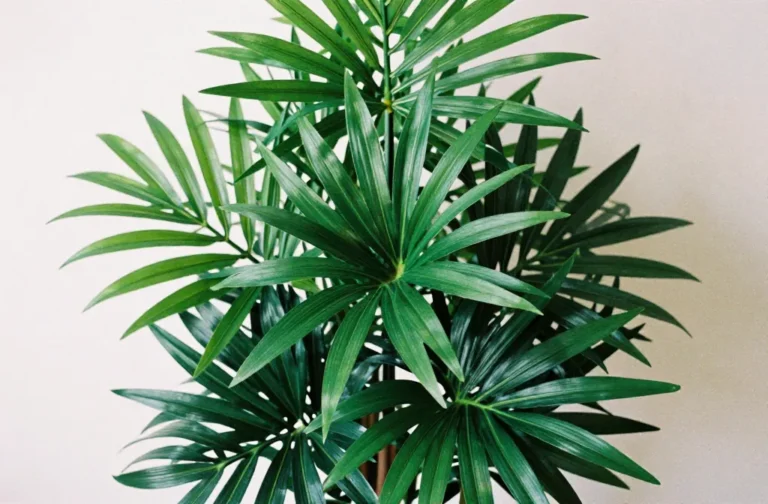
Unfortunately, no. Dracaena can be toxic to cats and dogs if ingested. Keep it out of reach, use plant stands, or place it in rooms pets can’t access. If you want a pet-safe vibe, try a parlor palm or a calathea instead.
Conclusion
Dracaena doesn’t ask for much: bright, indirect light, moderate watering, and a comfy room. Get those right and you’ll have a plant that looks expensive and behaves easy—dream combo. Start simple, tweak as you go, and enjoy the glow-up. Your future self (and your living room) will thank you, FYI.