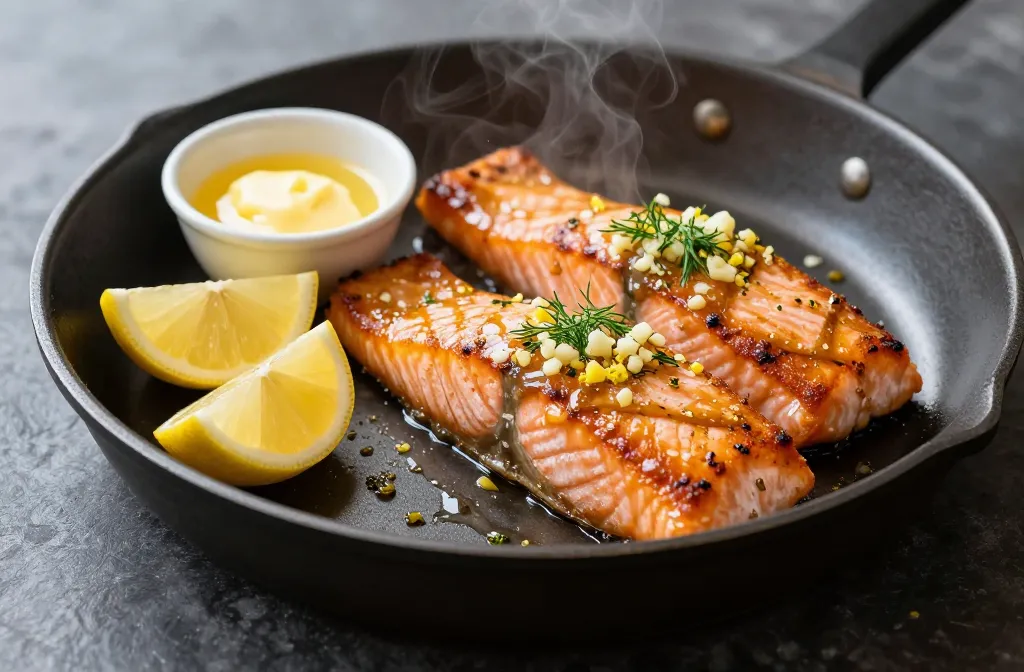
Salmon shows up to dinner already halfway to delicious. Add garlic butter, and you basically cheat your way to a restaurant-level meal with zero drama. We’re talking juicy, flaky fish under a glossy, garlicky blanket that melts into every bite. Minimal ingredients, maximum payoff. Ready to become the person who “just throws together” amazing salmon on a weeknight?
Why Garlic Butter and Salmon Belong Together
Garlic butter loves salmon because fat carries flavor like a limo service. The butter bakes into the fish, keeps it moist, and makes the garlic mellow and sweet. It also gives you that glossy finish that screams “I know what I’m doing.”
Salmon can handle bold flavors without losing itself, which is why you can throw in lemon, herbs, or a little heat and it still tastes like salmon, not mystery fish. FYI: You don’t need much. A few cloves of garlic and a couple tablespoons of butter do the heavy lifting.
The Core Ingredients (Keep It Simple)
You only need a handful of things. You can fancy it up later, but this gets you 95% of the way.
- Salmon: 1–1.5 lb fillet or 4 portions, skin-on for easier handling.
- Butter: 3–4 tablespoons, softened. Salted butter works; adjust salt accordingly.
- Garlic: 3–5 cloves, finely minced. Don’t be shy.
- Lemon: Zest and juice of half a lemon for brightness.
- Fresh herbs: Parsley or dill, chopped (about 2 tablespoons).
- Seasoning: Salt, black pepper, and optional red pepper flakes.
- Olive oil: A drizzle to prevent sticking.
Flavor Bonuses (Optional but Awesome)
- Paprika or smoked paprika: Adds color and a little smokiness.
- Honey or maple: A teaspoon to balance the garlic and lemon.
- White wine: A splash in the pan for quick deglazing, if you’re feeling chef-y.
Prep Like You Mean It
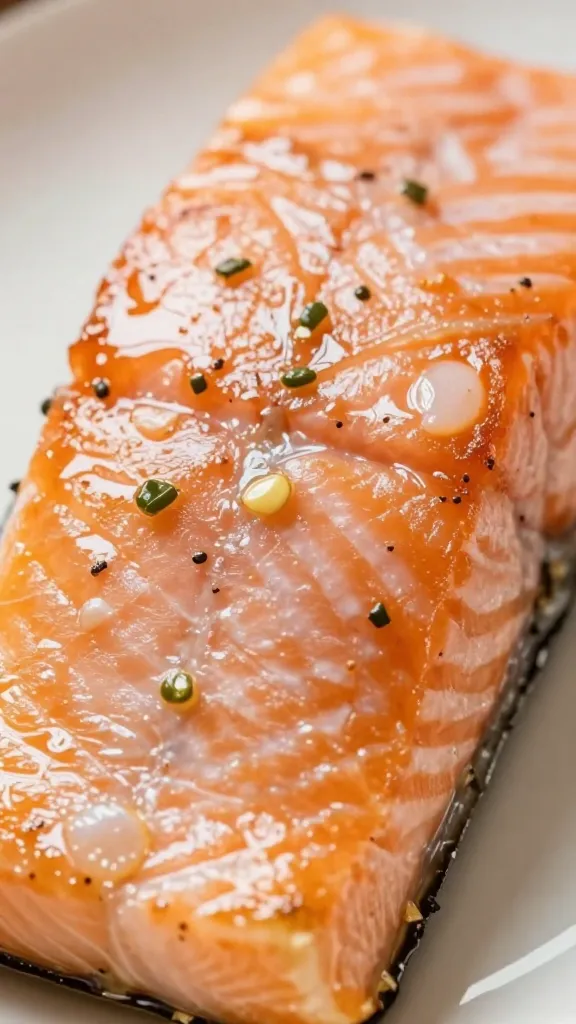
You don’t need to prep much, but a couple small moves make a big difference.
- Pat the salmon dry. Dry fish browns better. Moisture is the enemy of crisp edges.
- Season both sides. Salt and pepper the flesh and the skin. Don’t forget the skin—it’s not just there for vibes.
- Make the butter. Mash butter, garlic, lemon zest, herbs, and a pinch of salt and pepper. Add red pepper flakes if you want a mild kick.
Should You Remove Pin Bones?
If your fillet has pin bones, yank them with tweezers. They hide along the center line and feel like tiny needles. It takes two minutes and saves you awkward bites later.
Three Foolproof Cooking Methods
Pick your path. IMO, pan-searing plus a quick oven finish gives you the best texture. But bake-only works great when you want zero fuss.
1) Pan-Seared, Oven-Finished
- Preheat oven to 400°F (205°C).
- Heat an oven-safe skillet over medium-high. Add a thin layer of oil.
- Place salmon skin-side down. Sear 3–4 minutes until the skin crisps and the sides look opaque about 1/3 up.
- Turn off the heat. Spread the garlic butter over the top.
- Transfer skillet to the oven. Bake 5–7 minutes until just cooked through. Spoon buttery pan juices over the fish.
2) Bake-Only (No Sear, No Stress)
- Preheat oven to 400°F (205°C). Line a sheet pan with foil for easy cleanup.
- Place salmon skin-side down. Spread garlic butter evenly.
- Bake 10–14 minutes, depending on thickness. Aim for slightly translucent in the center; it finishes cooking off-heat.
- Finish with a squeeze of lemon juice and a sprinkle of herbs.
3) Broiled for Golden Tops
- Position rack 6 inches from the broiler. Preheat broiler.
- Spread garlic butter on the salmon. Broil 6–9 minutes, rotating the pan halfway for even color.
- Watch closely. Garlic can go from perfect to scorched faster than you can say “smoke alarm.”
Know When It’s Done (Without Overthinking It)
You want moist, flaky salmon—never dry. Overcooking ruins good fish faster than anything.
- Temperature: Pull at 120–125°F (49–52°C) for medium-rare, 130°F (54°C) for medium.
- Visual cues: The flesh turns opaque and flakes with gentle pressure. Slight translucence at the thickest point equals juicy perfection.
- Rest time: Let it sit 3 minutes. Carryover heat finishes the job.
If You Overcooked It
Don’t panic. Hit it with extra melted butter, a squeeze of lemon, and fresh herbs. It won’t undo it, but it will smooth the edges. Next time, check 2 minutes earlier.
Smart Pairings and Easy Sides
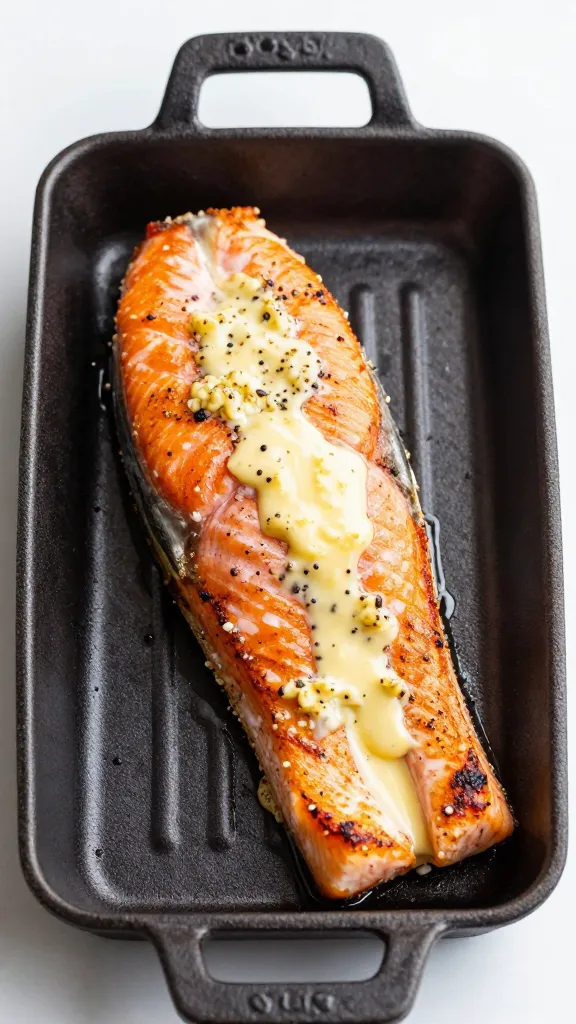
Garlic butter salmon plays well with bright, crunchy, or herby sides. Keep the vibe fresh and balanced.
- Vegetables: Roasted asparagus, green beans, or broccoli. Add lemon zest at the end for extra pop.
- Starches: Garlic rice, buttered orzo, or crispy potatoes. Carbs + butter sauce = happiness.
- Salads: Arugula with shaved Parmesan and a lemon vinaigrette. It cuts the richness like a pro.
- Saucy extras: A dollop of herbed yogurt or a drizzle of pesto if you want a flavor twist.
Wine and Beverage Pairings
- White: Sauvignon Blanc or Chardonnay (unoaked or lightly oaked).
- Rosé: Dry, crisp styles work great.
- Beer: Pilsner or a light pale ale if wine’s not your thing.
- Non-alcoholic: Sparkling water with lemon and a pinch of sea salt. Surprisingly good.
Variations If You Like to Freestyle
You can pivot flavors without messing up the core concept. Butter + garlic stays. Everything else can change outfits.
- Lemon-caper twist: Stir chopped capers into the butter. Finish with extra lemon juice.
- Honey-garlic glaze: Mix a teaspoon of honey into the butter and add a little soy sauce. Sweet-salty magic.
- Herb explosion: Swap parsley for dill, chives, or tarragon. Use what’s fresh and you win.
- Spicy situation: Add Calabrian chili paste or gochujang to the butter for heat and depth. IMO, a tiny bit goes a long way.
Meal Prep Friendly?
Yes, with caveats. Cook slightly under, cool quickly, and store airtight for up to 3 days. Reheat gently in a low oven or flake cold over salads. Cold garlic butter salmon tastes fancy with zero effort.
Common Mistakes (And How to Dodge Them)
We all make them. You’ll make fewer now.
- Too much garlic on top under high heat: It burns. Mix garlic into the butter so it cooks gently.
- Skipping salt: Butter tastes better when you season the fish properly first. Layer flavor.
- Cranking the heat the whole time: Sear, then finish in the oven for control. Your future self will thank you.
- Moving the fish too much: Let the skin release naturally. When it’s ready, it lifts easily.
- Going boneless on instinct: Keep the skin on. It protects the fish and crisps up nicely.
FAQ
Can I use frozen salmon?
Absolutely. Thaw it overnight in the fridge or under cold running water in its packaging. Pat it dry really well or you’ll steam instead of sear. Frozen works great for weeknights, FYI.
Farmed or wild—does it matter?
Both can be excellent. Wild runs leaner and cooks faster; farmed tends to be richer and more forgiving. Adjust time and doneness checks accordingly. Choose what fits your budget and taste.
How do I keep it from sticking to the pan?
Use a preheated pan, a thin film of oil, and dry fish. Place it skin-side down and don’t touch it until it naturally releases. Nonstick or well-seasoned cast iron both do the job.
What if I don’t have fresh herbs?
Use dried parsley or dill—about a third of the fresh amount. Or skip herbs and lean on lemon zest and pepper. You’ll still get big flavor.
Can I make it dairy-free?
Yes. Use a good plant-based butter or olive oil mixed with a little miso or nutritional yeast for savoriness. It won’t taste identical, but it’ll still slap.
How do I reheat leftovers without drying them out?
Low and slow. Cover and warm in a 275°F (135°C) oven for 10–12 minutes, or flake into a warm skillet with a bit of butter. Or eat it cold over salad—kind of elite, IMO.
Conclusion
Garlic butter salmon hits that sweet spot: fast, forgiving, and absurdly tasty. You season, you schmear, you cook for a few minutes, and you look like a culinary wizard. Keep it simple on busy nights, riff with variations when you’re feeling extra, and always finish with lemon. Dinner: handled.