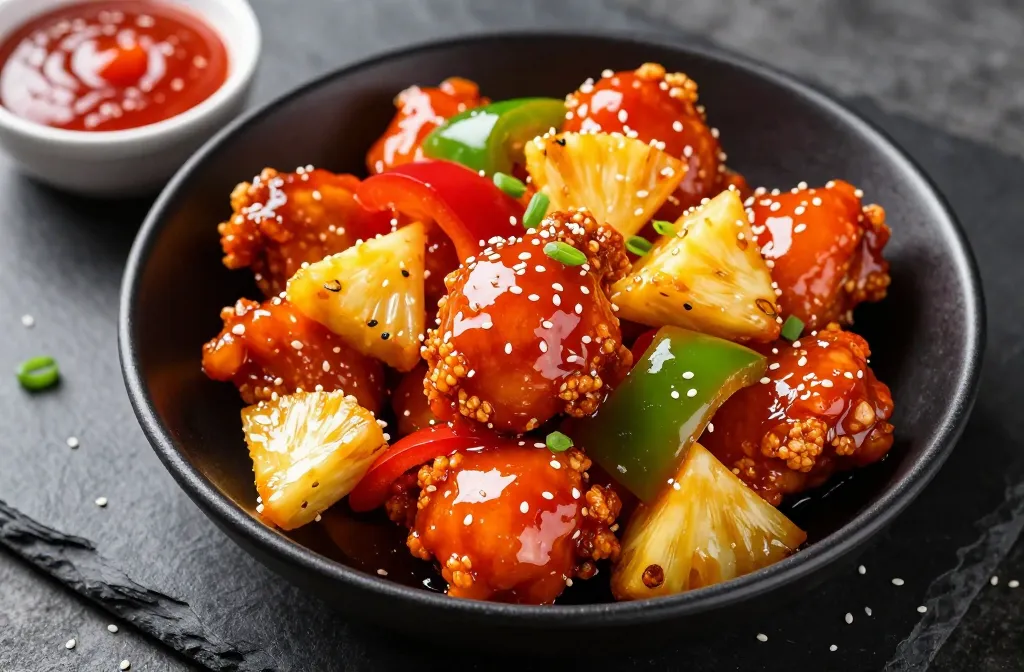
Sweet and sour chicken doesn’t whisper. It struts onto your plate, throws confetti, and dares you not to smile. One bite hits you with tang, crunch, and juicy chicken, and suddenly that “I’ll just have a small portion” plan flies out the window. If comfort food had a party anthem, this dish would play on loop.
Why We’re Obsessed With Sweet and Sour Chicken
Sweet and sour chicken nails balance like a tightrope walker. You get crispy chicken coating, tender meat, and a sauce that’s equal parts zingy and sweet. It’s bold. It’s bright. It’s basically edible sunshine.
Cravings hit for a reason. This dish delivers contrasting textures and flavors that keep your taste buds entertained. IMO, that’s the secret to food you never get bored of.
Let’s Talk Chicken: Cut, Coat, Crisp
You can’t fake great texture. Start with the right cut and a proper coat.
- Cut: Go for boneless thighs for extra juiciness. Breasts work too—just don’t overcook.
- Marinate: A quick soak (15–20 minutes) in soy sauce, a splash of rice vinegar, and a pinch of sugar adds depth.
- Coat: Toss in cornstarch (or potato starch) for a shatteringly crisp exterior.
- Fry smart: Use neutral oil at 350–365°F (175–185°C). Fry in batches so the oil stays hot and your chicken doesn’t steam itself into sadness.
Double Fry? Yes, Chef
You want that takeout-level crunch? Fry once until pale golden, rest the pieces, then fry again for 60–90 seconds. The second fry drives off moisture and locks in crispness. It’s not extra; it’s essential.
The Sauce: Sweet, Tangy, and Not a Sugar Bomb
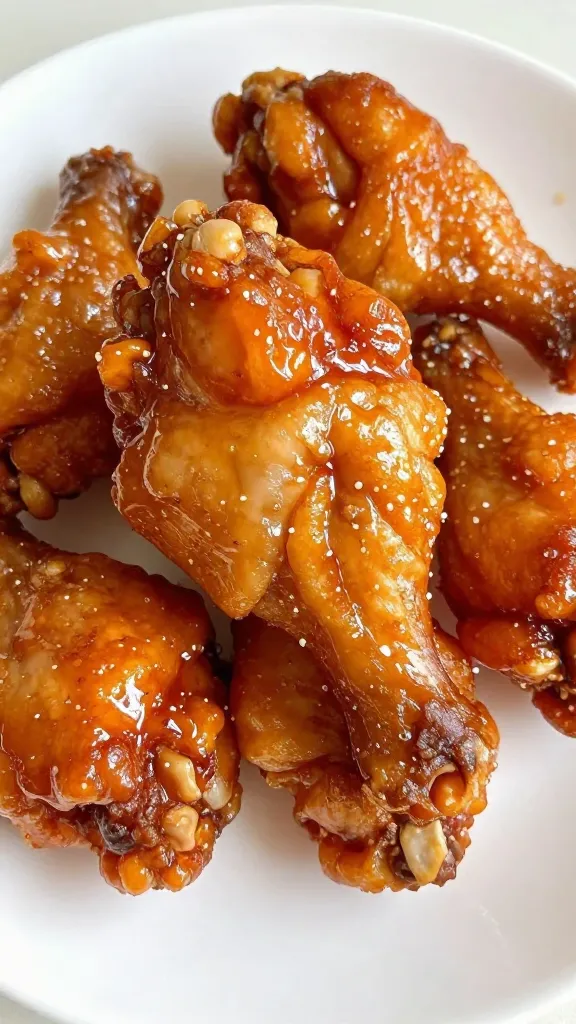
A good sweet and sour sauce hits citrusy highs without turning into candy. You don’t need a chemistry degree—just some balance.
- Sweet: Sugar or honey. Honey adds floral notes and gloss.
- Sour: Rice vinegar is classic. Apple cider vinegar works in a pinch but brings more edge.
- Fruity base: Pineapple juice adds body and fun. Orange juice gives a rounder sweetness.
- Umami backbone: Soy sauce (just a splash) stops the sauce from tasting like dessert.
- Color + complexity: Ketchup for tang and that signature red. Tomato paste if you want less sweetness and deeper flavor.
- Thickener: Cornstarch slurry keeps it glossy and clingy—no gloopy glue vibes, please.
Hate overly sweet sauces? Dial back the sugar and ketchup, bump the vinegar a bit, and add a spoonful of apricot jam or a squeeze of lemon to sharpen the edges. FYI: a tiny grate of fresh ginger wakes everything up.
Consistency Check
Simmer your sauce until it coats the back of a spoon. If it looks like soup, keep going. If it looks like jelly, add a splash of water and whisk like you mean it.
Veggies and Add-Ins That Make It Pop
Color matters. Crunch matters. You can throw anything in there, but a few classics never fail.
- Bell peppers: Red and yellow bring sweetness and color. Don’t overcook—leave some bite.
- Onions: White or red, cut into wedges for texture.
- Pineapple: Fresh or canned. Caramelize it lightly for extra oomph.
- Optional flex: Snap peas, carrots, or baby corn for variety.
Stir-Fry Flow
Stir-fry veggies in a hot pan with a bit of oil until crisp-tender. Add sauce, simmer to thicken, then toss in the crispy chicken right before serving. Coat every piece, then serve immediately. Delay equals sog-ville.
Crispy vs. No-Fry: Choose Your Adventure
You want crispy, you fry. That’s the law. But sometimes the sink full of oil says “not today,” and that’s valid.
- Classic fry: Maximum crunch, restaurant vibes, worth the cleanup.
- Oven-baked: Toss marinated chicken in cornstarch and a little oil. Bake at 425°F (220°C), flipping once, until golden. Not as shatter-crisp, but still great.
- Air fryer: 390°F (200°C) for 10–14 minutes, shake halfway. Good crunch, minimal mess.
- No-batter stir-fry: Slice chicken thin, marinate with soy, cornstarch, and oil (a quick velveting hack), then stir-fry. Sauce clings, texture stays tender.
IMO, if you’ve never deep-fried at home, this is the dish to convert you. The payoff tastes like victory.
Rice, Noodles, and Plating That Slaps
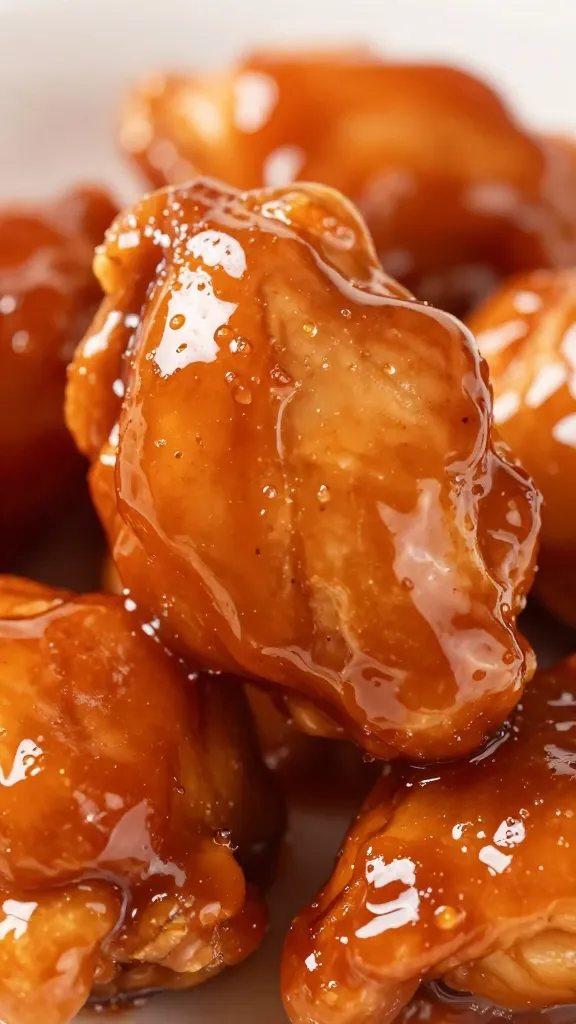
Sweet and sour chicken begs for a canvas. Give it carbs and watch it shine.
- Steamed jasmine rice: Fragrant and fluffy—classic for a reason.
- Fried rice: Go light on soy so your main dish still leads.
- Stir-fry noodles: A chewy counterpoint if you want to switch it up.
- Toppings: Toasted sesame seeds, scallions, and a squeeze of lime to cut the sweetness.
Plating Tip
Keep sauce in the pan until it’s ready to hit the chicken. Then move fast. Plate immediately over hot rice so the grains catch the drips. Add sesame seeds like you mean it.
Short Recipe Walkthrough
You want a simple path from hungry to happy? Here’s your streamlined plan.
- Marinate chicken: 1 lb boneless thighs or breasts, 1 tbsp soy sauce, 1 tsp sugar, 1 tsp rice vinegar, 15–20 minutes.
- Coat and fry: Toss in 1/2 cup cornstarch. Fry at 350–365°F until golden. Rest, then double-fry briefly for extra crunch.
- Make sauce: In a pan, combine 1/2 cup pineapple juice, 2 tbsp rice vinegar, 2–3 tbsp sugar or honey, 2 tbsp ketchup, 1 tsp soy sauce, 1/2 tsp grated ginger. Simmer. Add a slurry (1 tsp cornstarch + 2 tsp water) and cook until glossy.
- Veggies: Stir-fry 1 cup bell peppers and 1/2 onion in a splash of oil until crisp-tender. Add pineapple chunks.
- Combine: Pour sauce over veggies, toss in chicken, coat evenly. Serve hot with rice. High-fives optional but recommended.
FAQ
Can I make it ahead?
You can prep components, but don’t sauce the chicken until serving. Fry chicken, cool completely, and store separately from the sauce and veggies. Re-crisp the chicken in a hot oven or air fryer, reheat sauce on the stove, then combine at the last minute to keep the crunch.
What if I don’t like pineapple?
Skip it and use orange juice for the base. Add a little extra vinegar to keep the tang. You still get fruity brightness without the tropical vibes. It’s your dinner—no fruit peer pressure here.
How do I make it less sweet?
Cut the sugar and ketchup by a third, add more rice vinegar, and introduce a savory note like a splash of fish sauce or extra soy. A squeeze of lime at the end sharpens everything. Balance beats blunt force sweetness every time.
Can I use other proteins?
Absolutely. Shrimp fries fast and soaks up sauce like a champ. Tofu (firm or extra firm) turns amazing when you press it, toss in cornstarch, and fry. Pork works great too—thin slices or small cubes for even cooking.
Is there a gluten-free version?
Yes. Use tamari or a certified gluten-free soy sauce. Stick with cornstarch for the coating and thickening. Double-check your ketchup and vinegar labels just to be safe.
Why did my chicken turn soggy?
A few culprits: crowded oil, low frying temperature, or letting the chicken sit in sauce too long. Fry in batches, keep your oil hot, and combine with sauce right before you eat. Soggy chicken is fixable—don’t let it win.
Conclusion
Sweet and sour chicken thrives on contrast—crisp meets juicy, sweet meets tangy, and weeknight ease meets “wow” factor. Nail the fry, balance the sauce, and toss everything together at the last minute for maximum magic. It’s bold, it’s cheerful, and it absolutely earns a spot in your regular rotation. Now grab a fork and try not to hum the party anthem while you eat.