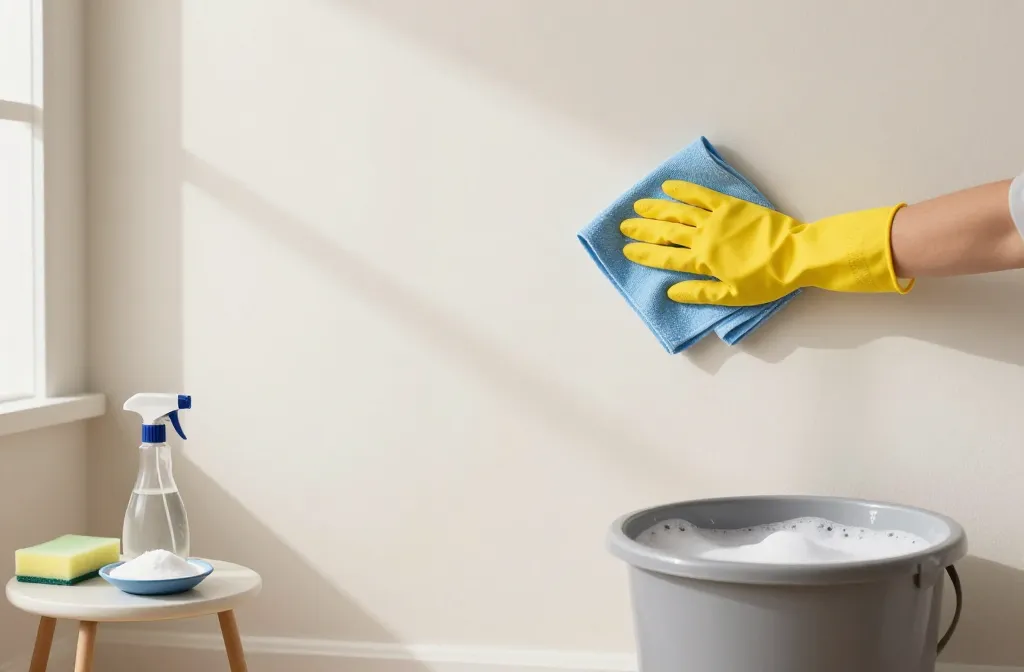
You probably didn’t notice your walls getting dirty… until you did. Smudges around light switches, mystery splatters in the kitchen, and that weird gray haze where your kid’s soccer ball “missed.” Good news: you can fix all of it fast without repainting. Let’s talk practical wall-cleaning that won’t wreck your paint—or your weekend.
Know Your Wall: Paint Type Matters (A Lot)
Before you grab the nearest scrub brush, figure out what you’re cleaning. Not all paint finishes can handle the same treatment. Your paint finish decides your strategy.
- Flat/Matte: Looks chic, scuffs easily, cleans delicately. Go gentle. Very gentle.
- Eggshell/Satin: Slight sheen, more durable. Great for living rooms and hallways.
- Semi-Gloss/Gloss: Kitchen/bath MVP. Wipes clean like a champ.
Can’t remember the finish? Do a tiny spot test in a hidden corner with your cleaner first. If the paint dulls or color lifts, bail and try something milder.
Gear Up: Simple Supplies, Big Results
You don’t need a cleaning lab. You need this hit list.
- Soft microfiber cloths (non-negotiable)
- Soft sponge (no abrasive scrub pads)
- Bucket of warm water
- Mild dish soap or a gentle all-purpose cleaner
- Baking soda (for scuffs)
- White vinegar (for grease and light mildew)
- Magic eraser-style sponge (use carefully, like a tiny sandpaper)
- Dry towel for blotting
FYI: Skip colored sponges or ratty towels that shed lint. You’ll just trade grime for fuzz.
Start Smart: Dust First, Then Clean
Don’t drag wet grime around. Dusting first makes your life easier and your results better.
- Dust the walls top to bottom with a dry microfiber mop or cloth. Hit corners, baseboards, and the tops of door frames. Cobwebs? Gone.
- Protect the floor with a towel if you’re messy (me too, no judgment).
- Mix your cleaner: Warm water + a tiny squeeze of dish soap. Think “barely sudsy tea,” not bubble bath.
The Gentle Wash Technique
– Dip your sponge, wring it nearly dry.
– Wipe in light, vertical strokes.
– Rinse the sponge often.
– Blot dry with a towel to prevent drip marks.
Never soak the wall. Water can streak, bubble paint, or leave tide lines. IMO, patience beats repainting every time.
Spot Care: Stains, Scuffs, and Sticky Stuff
Different problems, different tactics. No one wants to make a stain bigger.
Scuffs and Rubber Marks
– Try a dry microfiber cloth first.
– Next, a paste of baking soda + water, dab gently, then wipe clean.
– Last resort: magic eraser. Use a light hand, especially on matte finishes, because it can dull paint.
Grease and Kitchen Gunk
– Mix 1 part white vinegar to 4 parts warm water.
– Wipe gently and rinse with plain water after to kick the vinegar smell.
– Stubborn spots? A drop of dish soap = grease kryptonite.
Crayon, Marker, and “Art”
– Dish soap + warm water for washable markers.
– Isopropyl alcohol on a cotton pad for ink or permanent marker—test first.
– Magic eraser lightly for crayon wax. Don’t grind it in like you’re polishing a car.
Adhesive Residue (Tape, Stickers, Hooks)
– Warm the area with a hair dryer on low, then peel.
– Remove leftover gunk with a little cooking oil on a cloth, then wash with soapy water.
Bathroom and Basement Battles: Mold and Mildew
Mildew looks dramatic, but you can handle it. Ventilation first: open a window or run the fan.
- Mix 1 part white vinegar to 1 part water. Spray or wipe the spot.
- Let it sit for 10 minutes. Wipe clean. Rinse with plain water.
- Dry thoroughly. Mildew loves damp walls more than you love coffee.
If vinegar doesn’t cut it, you can use a diluted bleach solution (1 tablespoon bleach per quart of water), but only on colorfast, glossy paints and non-porous surfaces. Test a tiny area. Wear gloves. Don’t mix with anything else—ever. FYI, bleach can fade paint, so keep it surgical.
Wallpaper Wisdom: Clean Without Tears
You can clean wallpaper—just not like paint.
Vinyl or Washable Wallpaper
– Dust first.
– Wipe with a damp (not wet) cloth and mild dish soap.
– Rinse lightly, then blot dry.
Non-Washable or Grasscloth
– Use a dry cloth or vacuum with a brush attachment.
– Spot clean with a barely damp cloth only if the manufacturer says it’s okay.
– Oil-based stains? Try dry-cleaning sponge (the rubbery kind), dab gently.
Troubleshooting: Avoid Rookie Mistakes
Learn from other people’s oops moments so you don’t make them. You’re welcome.
- Don’t scrub circles. You’ll create shiny halos, especially on matte paint.
- Don’t over-wet. Water stains look worse than the original problem.
- Don’t mix products. Vinegar + bleach = nope. Ammonia + bleach = even bigger nope.
- Test in a hidden spot. Behind a frame, near a baseboard. Always.
- Rinse and dry. Soap residue attracts dust like a magnet.
When to Touch Up Paint
If cleaning dulls a spot or reveals older discoloration, grab the original paint (same finish, same brand) and feather a small touch-up after the wall dries. Lightly clean and dry first so the paint adheres. IMO, a micro touch-up beats repainting an entire wall because of a coffee splash from 2022.
Prevent Dirt Buildup (So You Clean Less Later)
Let’s future-proof those walls.
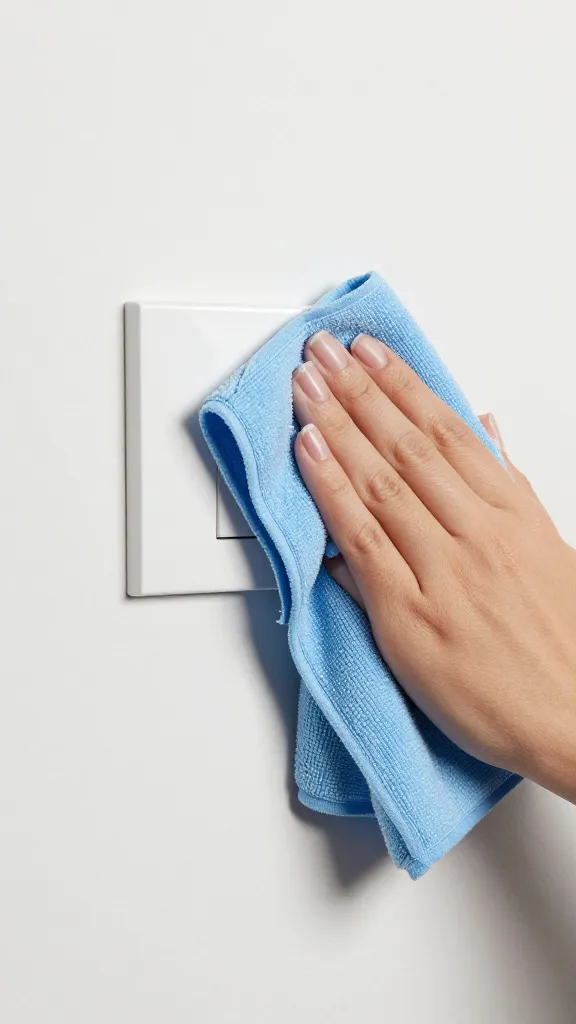
- Wipe high-touch zones monthly: Around light switches, stairwells, kids’ rooms.
- Use scrubbable paint in busy areas next time you paint (satin or semi-gloss saves sanity).
- Run the range hood while cooking to reduce greasy film.
- Dehumidify bathrooms and basements to block mildew.
- Keep a small kit (cloth, mild cleaner, baking soda) handy. You’ll handle messes on sight.
FAQ
How often should I clean my walls?
Do a light dusting every few months and spot clean as needed. Kitchens and hallways appreciate a quick wipe monthly, especially around handles and switches. A deeper clean once or twice a year keeps paint looking fresh.
Can I use a steam cleaner on painted walls?
Generally, no. Steam forces moisture into the paint and drywall, which can bubble or peel finishes. Stick to damp—not wet—cleaning methods.
What if I see color on my cloth while cleaning?
That means the paint is either older, low-quality, or not fully cured from a recent job. Stop and switch to plain water, dab only, and let it dry. If the color still lifts, consider touching up or using a color-safe cleaner made for delicate finishes.
How do I clean cigarette smoke residue off walls?
Use a mix of warm water, dish soap, and a splash of vinegar. Wipe gently, rinse, and dry. Severe cases may need a specialized degreaser or a primer made to block odor and stains before repainting.
Do magic erasers damage paint?
They can. They’re micro-abrasive, which means they “erase” by sanding. Use a light touch on glossy or satin finishes. On flat or matte paint, test in a hidden spot and go super gentle—or try baking soda paste instead.
What about washable paint—can I scrub harder?
Washable/scrubbable paints tolerate more cleaning, but you still shouldn’t go wild. Use mild soap, soft cloths, and straight strokes. Aggressive scrubbing can still create shiny burnish marks.
Wrap-Up: Clean Walls, Clear Mind
Wall cleaning doesn’t need a full weekend or a chemistry degree. Dust first, work gently, match your method to the paint, and handle stains with targeted moves. Keep a small cleaning kit nearby, and you’ll knock out smudges before they settle in. Clean walls, lighter vibe—IMO, totally worth 20 minutes and a sponge.