Steam, splatters, and mystery smells—your microwave has seen things. The good news? You can make it look (and smell) brand new without scrubbing till your arm falls off. We’ll tackle it step by step, with shortcuts that actually work and a few pro tips you’ll want to steal. Ready to reclaim your burrito-warming throne?
Size Up the Situation (AKA: What Are We Dealing With?)
Before you go full cleaning montage, open the door and assess. Are we talking light splatters? Or a cheese explosion that hit the ceiling? You’ll clean smarter if you match your method to the mess.
– Light grime: A quick steam and wipe will do.
– Medium mess: Add a little soap power and detail work.
– Heavy duty (sticky, burnt-on gunk): You’ll want vinegar, patience, and maybe a podcast.
Pro tip: Unplug the microwave if you plan to clean near vents, underneath, or around the control panel. Safety first, hero later.
The Fastest Way: Steam Clean in 5 Minutes
If you want quick results with minimal effort, steam is your BFF. It softens everything so you barely have to scrub.
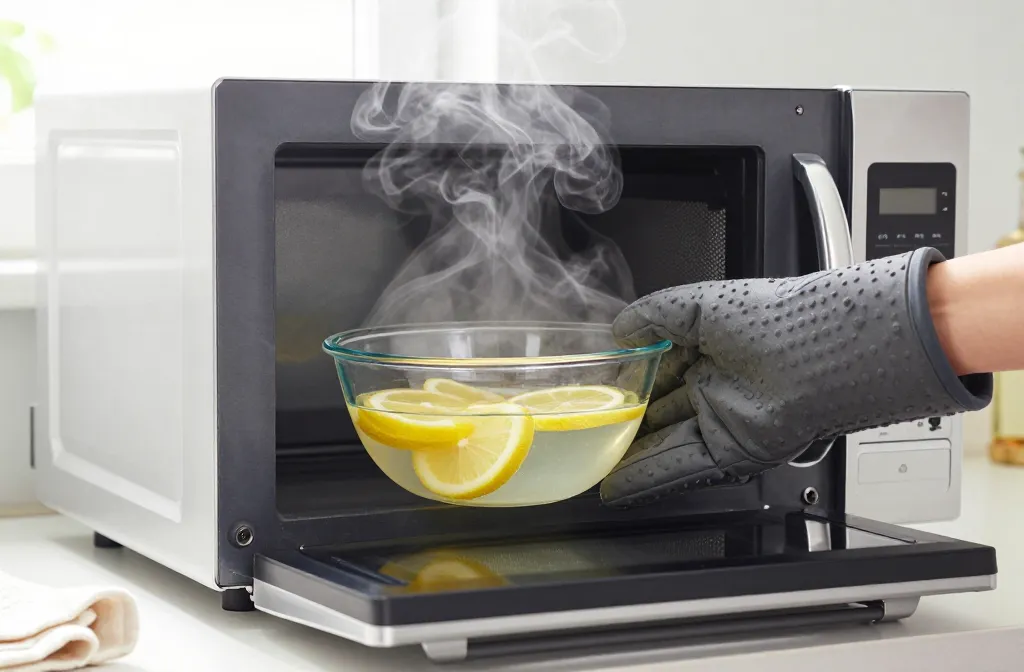
- Fill a microwave-safe bowl with 1 cup water and 2 tablespoons white vinegar. Toss in a few lemon slices if you want that “spa day for appliances” vibe.
- Microwave on high for 3–5 minutes. Let it sit for another 2 minutes after it beeps to let the steam work its magic.
- Carefully remove the bowl (it’s hot—use oven mitts). Wipe everything with a soft cloth or paper towel.
Why it works: Steam loosens dried food. Vinegar cuts grease and odors. Lemon adds a fresh scent and a tiny bit of acidity. Simple, fast, effective.
Got a Stubborn Spot?
Dip your cloth in the hot vinegar water from the bowl and press it on the spot for 30 seconds. Then wipe. If it still fights back, we escalate (gently).
Deep Clean: For When It Looks Like a Crime Scene
Sometimes you need to go beyond a quick steam. We’re still not scrubbing like we’re polishing a trophy, though.
You’ll need:
- White vinegar or lemon
- A mild dish soap
- Baking soda (optional but clutch for stuck-on messes)
- Soft sponge or microfiber cloth
- Toothbrush or soft brush for crevices
- Remove the turntable and roller ring. Wash them in warm, soapy water. Dry completely.
- Steam it first (see above). Always start with steam—IMO, it saves you 80% of the work.
- Mix a few drops of dish soap in warm water. Wipe the interior, including the ceiling and the door edges.
- For stubborn spots, make a paste with baking soda and water. Dab it on, let it sit for 10–15 minutes, then wipe with a damp cloth.
- Clean the door: do the glass, the frame, and the rubber gasket. Food hides there and causes smells.
- Dry everything with a clean cloth, then put the turntable and ring back.
Do not use: Abrasive pads, oven cleaner, or bleach. They can damage the interior and mess with your food’s taste. FYI, the inside coating of most microwaves scratches easily.
Ceiling Splatter SOS
Look up. That’s where sauces go to retire. Press a hot, damp cloth on the ceiling for 20–30 seconds, then wipe. Rotate your cloth so you’re not just spreading marinara around like abstract art.
De-Stink Your Microwave (Goodbye, Last Week’s Fish)
If it smells off even after cleaning, you’ve got lingering oils or hidden crumbs. We’ll fix it.
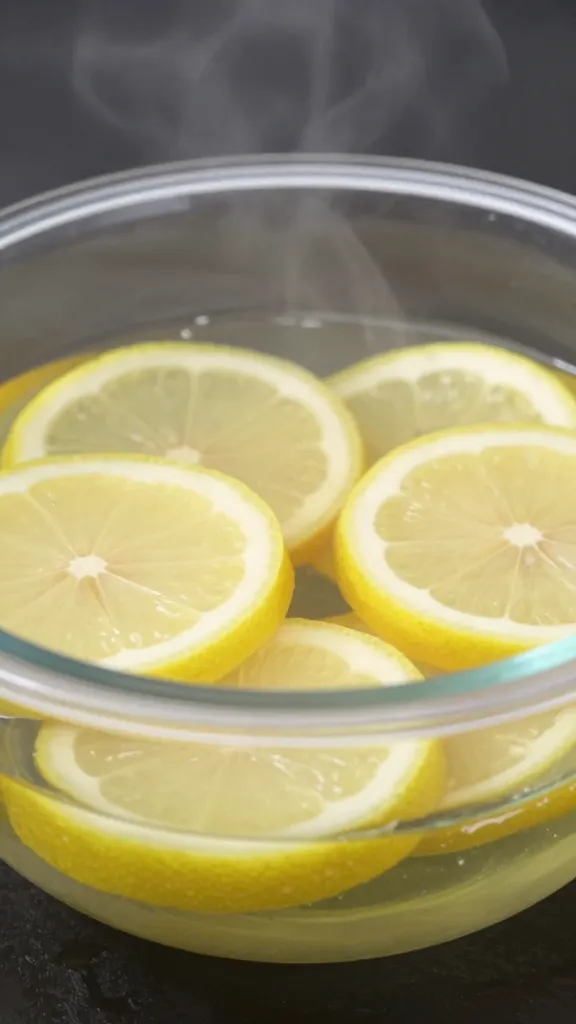
– Steam again with vinegar and lemon.
– Wipe the vents and door seals—smells love to hide there.
– Leave the door open for 20–30 minutes to air out.
Extra deodorizing tricks:
- Baking soda bowl: Place a small open container of baking soda inside overnight to absorb odors.
- Coffee grounds: Put a few tablespoons of dry grounds in a bowl for a few hours. Smells better than gym socks, IMO.
Exterior and Control Panel: The Face Matters
Greasy fingerprints and food dribbles happen. Clean the outside so your kitchen doesn’t look halfway done.
– Wipe the exterior with a damp cloth and mild dish soap. Rinse with a clean damp cloth, then dry.
– For stainless steel, wipe with the grain to avoid streaks.
– Clean under the microwave if it’s on a counter—dust bunnies thrive there.
– For the control panel, use a barely damp microfiber cloth. If needed, a little glass cleaner on the cloth (not sprayed directly) works great.
Never spray directly onto the panel or vents. Liquids + electronics = bad idea.
Don’t Forget the Filters (Over-the-Range Models)
If your microwave sits above the stove, it likely has:
– A grease filter: Pop it out and soak in hot, soapy water. Scrub gently, rinse, dry, and reinstall.
– A charcoal filter: This one usually isn’t washable. Replace it every 6–12 months, or when smells won’t quit. Check your manual for the exact model.
Prevent Messes So You Clean Less
You can stop 90% of microwave disasters with a few easy habits. Lazy? Yes. Smart? Also yes.
– Cover your food. Use a microwave-safe lid, plate, or even a paper towel.
– Lower the power level for saucy foods. Less splatter, better heating.
– Wipe small splatters immediately. Fresh mess = easy mess.
– Keep a microwave-safe bowl of water inside when you reheat extra-stinky meals. It tames odors while you cook.
– Do a weekly 3-minute steam. Even if it looks fine, it keeps grime from building up.
Best Tools to Keep Nearby
– Microfiber cloths (soft and reusable)
– A gentle sponge
– White vinegar and baking soda
– A small, soft brush (old toothbrush = perfect)
Quick Troubleshooting for Weird Stuff
Sometimes cleaning reveals quirks. Here’s how to handle them without calling your cousin who “does appliances.”
– Yellow or brown stains won’t budge: Likely heat staining. Cosmetic only. Clean regularly to prevent it from deepening.
– Sparking or arcing during use: Remove any metal bits (foil, twist ties). Check for paint chips or exposed metal inside—stop using and consult a pro if you see damage.
– Door won’t close properly: Clean the hinges and the seal. Crud there ruins the fit.
– Condensation after cooking: Totally normal. Wipe the interior dry or leave the door open a minute to vent.
FAQ
Can I use bleach in my microwave?
Skip it. Bleach can damage surfaces and leave a smell that sticks around. Vinegar, lemon, and dish soap do the job without drama.
Is it safe to clean the microwave with baking soda?
Yes, but use it as a paste and wipe thoroughly. Baking soda is mildly abrasive, so don’t scrub like you’re sanding a deck. Gentle circles, then rinse and dry.
What if I don’t have vinegar or lemon?
No problem. Steam plain water, then clean with warm, soapy water. You’ll lose the deodorizing boost, but the steam still loosens grime nicely.
How often should I clean my microwave?
Do a fast wipe once a week and a deeper clean monthly. If you cook fish or saucy stuff a lot, maybe bump that schedule up. Your nose will tell you.
Can I put the turntable in the dishwasher?
Usually yes. Most glass turntables and plastic roller rings are dishwasher-safe. Check the manual if you want to be extra sure, but they handle the top rack like champs.
What’s the best way to clean the microwave vents?
Use a dry brush or vacuum attachment to get dust first, then wipe with a lightly damp cloth. Don’t let water drip into the vents—moisture and electronics don’t vibe.
Wrap-Up: Clean Microwave, Happy Life
You don’t need harsh chemicals or an afternoon to get that microwave sparkling. Steam first, wipe smart, and hit the seals and ceiling like a pro. Keep a cover handy and do a quick weekly refresh, and you’ll never battle baked-on chili again. Easy wins, zero drama—just the way kitchen cleanup should be.