Your tile floors look great… until you look closer. That skinny strip between tiles? Yeah, grout loves dirt like cats love boxes. The good news: you can make it look shockingly fresh without selling your soul to a steam cleaner. Grab a few basics, a little patience, and let’s make that grout behave.
Know Your Grout (So You Don’t Wreck It)
Before you scrub anything, figure out what you’re dealing with. Grout comes in two main types: sanded (grittier, used for wider joints) and unsanded (smooth, for narrow joints and delicate tiles). Why care? Because the wrong tool or cleaner can scratch the grout or even the tile.
Porous vs. sealed matters too. If your grout soaks up water instantly, it’s unsealed and extra absorbent, which means stains dive deep. If water beads up, congrats—someone sealed it and life gets easier.
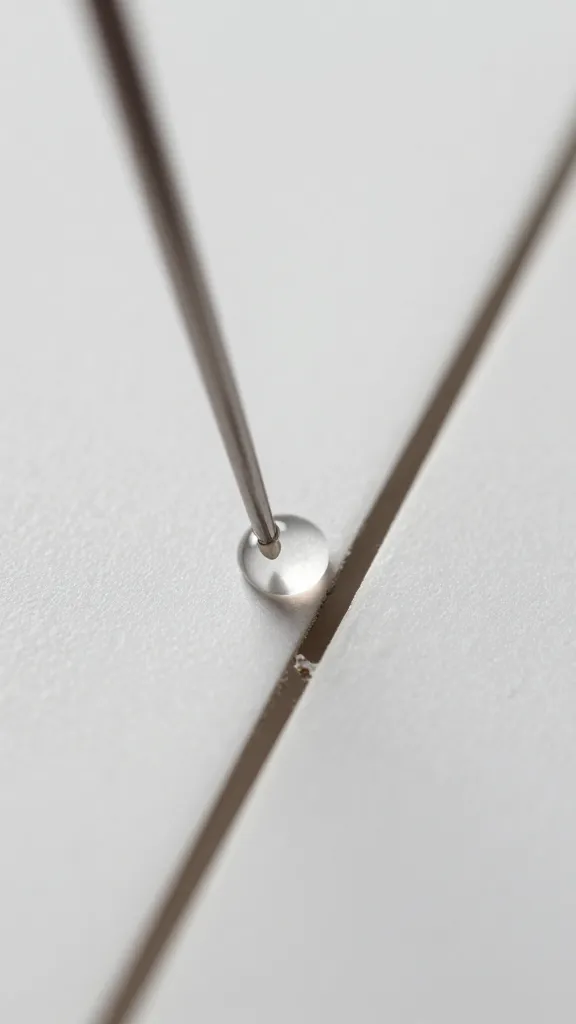
How to do a quick test
– Drop a bit of water on the grout line.
– If it disappears in under a minute, it’s likely unsealed.
– If it beads or sits there, it’s probably sealed.
Prep Like a Pro: Set Up for Success
Cleaning grout goes smoother if you knock out the easy stuff first. You’ll avoid turning loose dirt into a gritty paste that just scratches everything.
- Vacuum or sweep the floor thoroughly. Corners too. Crumbs love corners.
- Mop with warm water to lift basic grime. Let it dry for a few minutes.
- Spot test any cleaner (even homemade blends) on an out-of-the-way area. No surprises, please.
Got natural stone tiles like marble or travertine? Skip vinegar, lemon, or anything acidic. These can etch stone. Stick with pH-neutral cleaners. IMO, keeping it gentle always pays off.
The Gentle Start: Everyday Cleaners That Actually Work
You don’t need a chemistry lab. Start simple, then escalate if needed. Your arms will thank you.
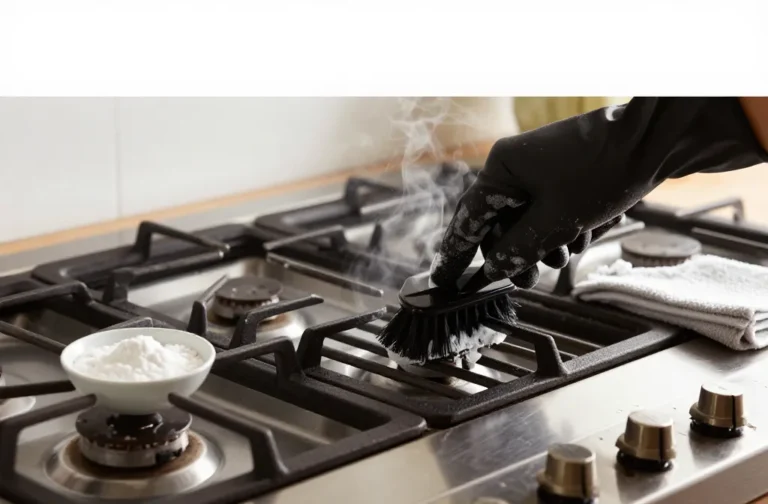
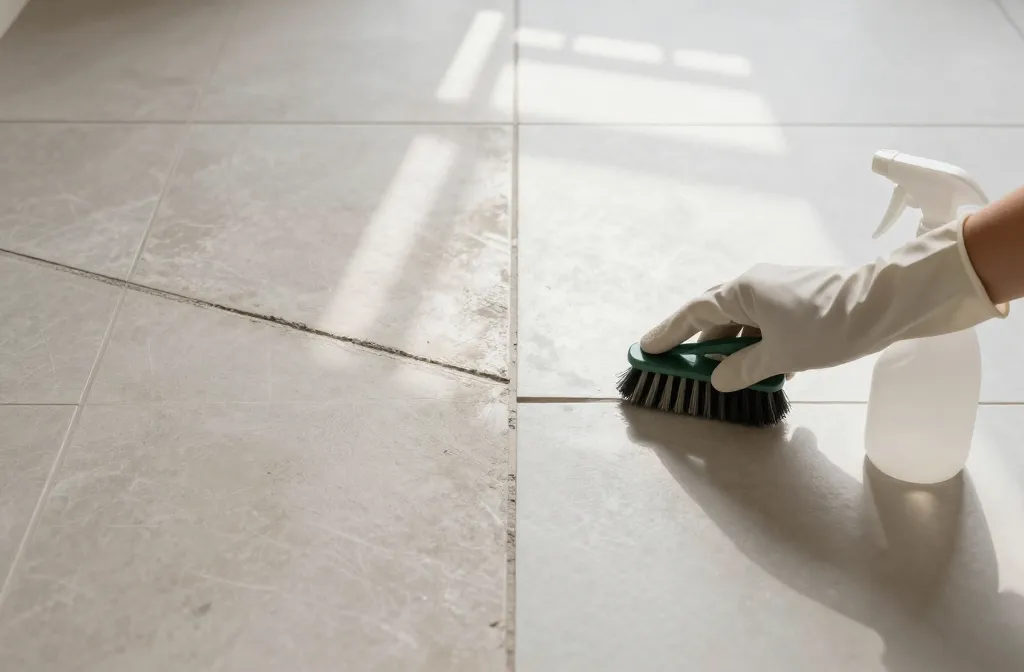
- Warm water + a drop of dish soap: Spray on the grout, wait 5 minutes, scrub with a stiff nylon brush (a toothbrush works, but a grout brush works better). Rinse with clean water. Good for lightly dirty grout.
- Baking soda paste: Mix baking soda with just enough water to make a paste. Smear onto grout lines. Let sit 10–15 minutes, then scrub and rinse. Mildly abrasive, so it lifts grime without drama.
- Oxygen bleach (sodium percarbonate): This is my MVP for medium stains. Mix per the package directions, apply, let dwell 10–15 minutes, scrub, and rinse thoroughly. It brightens without harsh fumes. FYI: not the same as chlorine bleach.
Tools that make it 10x easier
– Nylon grout brush with a narrow head
– Spray bottle or squeeze bottle for targeted application
– Microfiber cloths to wipe residue as you go
– Rubber gloves because pruney hands are not the look
Level Up: Stains, Mold, and “I’ve Ignored This for Years” Grout
Sometimes grout needs tough love. You can still keep it safe if you use the right stuff.
- Hydrogen peroxide + baking soda: Make a paste and apply to stained spots. Let sit 10 minutes, scrub, then rinse. Great for organic stains and mild mildew.
- Chlorine bleach (last resort): Works on mold and deep-set stains in light-colored grout. Dilute (1 part bleach to 10 parts water), ventilate well, wear gloves, and don’t mix with anything else. Apply, wait 5 minutes, scrub lightly, rinse like your life depends on it. Use sparingly.
- Commercial grout cleaners: Look for non-acidic formulas for ceramic/porcelain. For natural stone, choose a stone-safe, pH-neutral grout cleaner. Always follow directions and rinse thoroughly.
Avoid these common mistakes
– No vinegar or lemon on natural stone—etching is forever.
– No metal brushes—they gouge grout and leave rust stains.
– Don’t over-scrub—if grout starts to crumble, you’re removing it, not cleaning it.
Power Tools: Worth It?
If you’ve got a big area or grumpy wrists, a little power helps. Not a jackhammer—just smart tools.
- Oscillating tool with a grout brush attachment: Low speed, light pressure. You want to agitate, not sand your floor.
- Electric spin scrubbers: Affordable, easy, and actually decent for large bathrooms and kitchens.
- Steam cleaners: Super effective on sealed ceramic/porcelain. Avoid on unsealed grout or loose tiles because it can force moisture deeper. Keep the nozzle moving and dry the area after.
IMO, a handheld spin scrubber hits the sweet spot: less elbow grease, minimal risk. Steam is great if you know your floor can handle it.
Rinse, Dry, Admire (and Prevent the Backslide)
Leftover cleaner attracts dirt, so finish strong.
- Rinse the floor with clean water, then mop once more if needed.
- Dry with towels or a fan. Dry grout resists mildew better.
- Seal clean, dry grout if it’s unsealed. A penetrating grout sealer makes stains bounce off and buys you time between cleanings.
How to seal grout (easy version)
– Wait 24 hours after cleaning so it’s fully dry.
– Apply a penetrating sealer with a small brush, roller bottle, or sponge.
– Let it soak per directions, wipe excess off the tiles, and allow to cure.
– Reapply every 1–2 years, or sooner in high-traffic spots.
Maintenance: Keep It Clean With Almost No Effort
You can stay ahead of grime with tiny habits. Seriously—minutes, not hours.
- Quick vacuum weekly
- Spot clean spills ASAP (coffee, tomato sauce, and hair dye go full goblin mode on grout)
- Use entry mats to trap grit before it scratches floors and grinds into grout
- Weekly mop with warm water and a pH-neutral floor cleaner
- Keep bathrooms dry: squeegee or towel after showers, run the fan, and crack a window if you can
FYI, lighter grout always shows more. If it’s clean but still looks tired, consider a grout colorant/sealer to refresh the tone and protect it in one go. It’s like makeup for grout—surprisingly satisfying.
DIY Recipes That Don’t Suck
Prefer pantry solutions? These get results without making your kitchen smell like a pool.
- Basic paste: 3 parts baking soda + 1 part water. Scrub, rinse.
- Brightening paste: 2 parts baking soda + 1 part hydrogen peroxide. Sit 10 minutes, scrub, rinse.
- Stone-safe spray: 2 cups warm water + a few drops of pH-neutral dish soap. Spray, wipe, rinse. No acids.
Skip essential oils, waxes, or anything sticky. They smell nice but attract dirt like magnets. Not the vibe.
FAQ
How often should I clean grout?
Lightly clean grout monthly and do a deeper session every 3–6 months, depending on traffic. Bathrooms usually need more frequent attention because moisture invites mildew. High-traffic kitchens? Put them on the 2–3 month plan.
Can I use vinegar on grout?
On ceramic or porcelain tiles with sealed grout, diluted vinegar can work—but it can degrade grout over time with frequent use. On natural stone, it’s a hard no because vinegar etches. I’d stick with pH-neutral cleaners to play it safe.
What if my grout crumbles while I scrub?
Stop scrubbing. That means the grout deteriorated and needs repair. Scrape out the loose bits with a grout removal tool, vacuum the dust, and regrout the joint. After it cures, seal it so this saga doesn’t repeat.
How do I remove mold or mildew stains?
Start with hydrogen peroxide or an oxygen bleach solution and let it dwell 10–15 minutes. Scrub and rinse well. If stains persist, use a diluted chlorine bleach only on light-colored grout, with solid ventilation and careful rinsing. If mold returns quickly, improve ventilation and fix any leaks.
Is a steam cleaner safe for grout?
Usually, yes—on ceramic or porcelain with intact, sealed grout. Keep it moving and avoid blasting the same spot for too long. Don’t use steam on unsealed or damaged grout, or on sensitive natural stone.
Do grout pens or colorants actually work?
Yes, if you apply them to clean, dry grout and follow directions. They cover stains and add a protective layer. They won’t fix crumbling grout, but they refresh the look fast. IMO, they’re a great hack for dingy grout that refuses to brighten.
Wrap-Up: Your Grout Glow-Up
Grout gets gross. It happens. But with a little strategy—gentle cleaners first, smarter tools when needed, and a good sealer—you can keep those lines crisp and bright. Do a quick monthly touch-up, chase spills right away, and your tile will look showroom-level without you turning into a full-time custodian. Now go give that grout the glow-up it deserves.