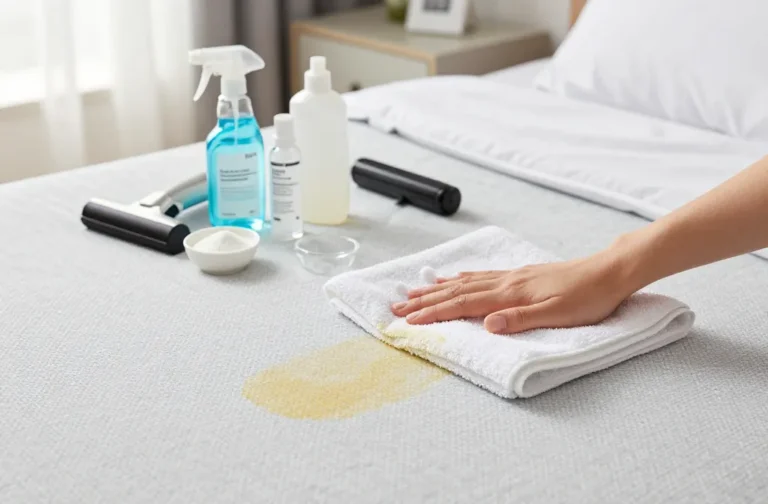
You sleep on it, sweat on it, snack on it (no judgment), but when did you last clean your mattress? Don’t panic—you don’t need a hazmat suit. With a few supplies and about an hour of active effort, you can kick out dirt, dust mites, and mystery smells. Let’s make that bed worthy of your beauty sleep again.
What You’ll Need (Nothing Fancy)
- Vacuum with an upholstery attachment
- Baking soda (your new best friend)
- White vinegar in a spray bottle
- Mild dish soap or enzyme cleaner
- Hydrogen peroxide (3%) for stains
- Clean cloths or microfiber towels
- Cold water
- Optional: Essential oil (lavender or tea tree), mattress protector, fan
FYI: Always spot test cleaners on a corner first. Mattresses hate too much moisture. We’re cleaning, not making soup.
Start Fresh: Strip, Air Out, and Vacuum
Strip everything—sheets, pillowcases, mattress protector if you use one. Toss it all in the wash while you work. Sunlight or open windows help air things out, so pull the shades back and let that fresh air in.
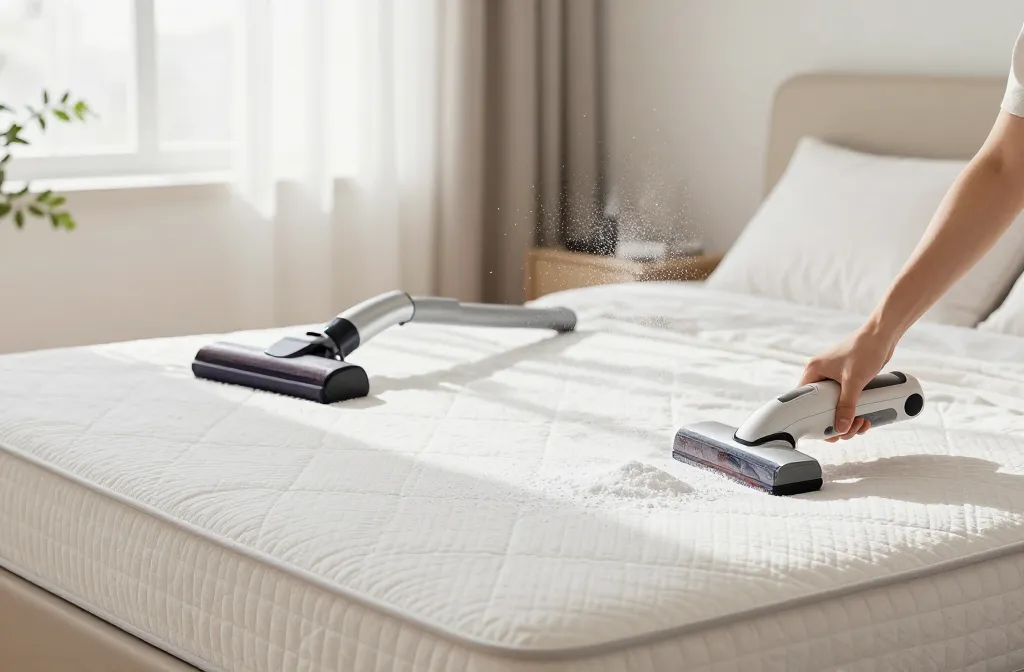
Grab your vacuum and slowly go over the entire surface with the upholstery tool. Get the seams and edges too—those little valleys love dust and crumbs. Flip the mattress if your model allows it (check the label). If not, rotate it 180 degrees for even wear.
Spot-Treat Stains Like a Pro
Different stains need different tactics. Don’t rub like you’re polishing silver. You’ll just grind the stain deeper. Blot, dab, repeat.
Sweat or General Funk
- Mix a small bowl of cold water with a few drops of mild dish soap.
- Lightly dab the stain with a cloth. Don’t soak it.
- Blot with a dry cloth to lift moisture.
Urine (Pets, Kids, Life Happens)
- Spritz with white vinegar. Let it sit 5–10 minutes.
- Blot with a clean towel.
- Sprinkle baking soda over the spot. Let it sit for a few hours, then vacuum.
- For stubborn odors: Use an enzyme cleaner designed for biological stains. Follow the label and avoid saturating.
Blood Stains
- Use cold water only. Hot water sets it—don’t do that.
- Mix 1 part hydrogen peroxide (3%) + a drop of dish soap + a pinch of baking soda.
- Apply with a cloth, dab gently, let it bubble, then blot dry. Repeat if needed.
Spills (Wine, Coffee, The Usual Suspects)
- Blot up as much liquid as possible—stack towels and press.
- Use a mild dish soap solution, dab gently, then blot dry.
- Follow with baking soda to deodorize and draw out remaining moisture.
IMO: Enzyme cleaner handles 80% of scary stains. Keep a bottle on hand if you have pets or kids. Or both. Bless you.
Deodorize and Refresh with Baking Soda
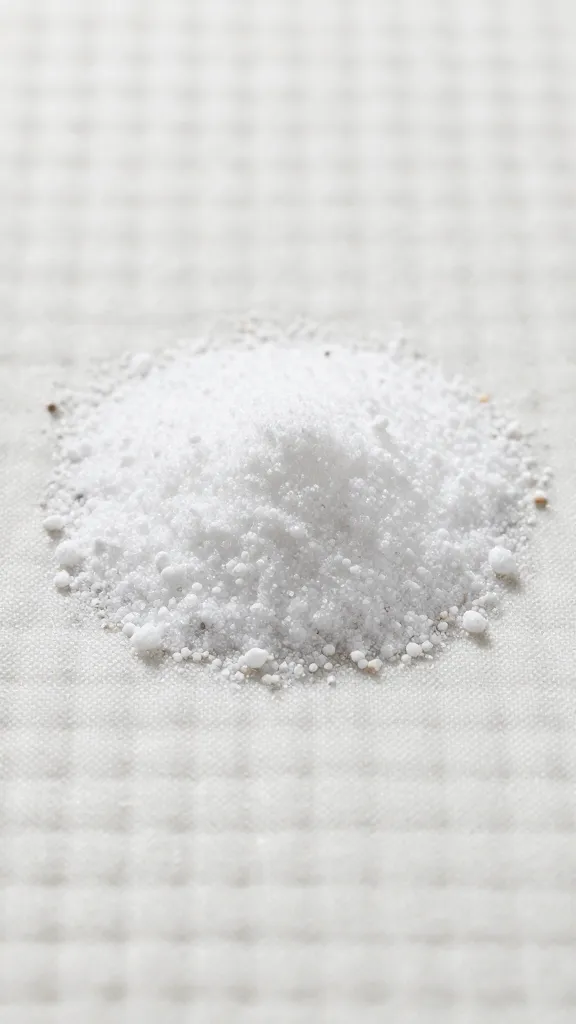
After stains look better, go full snowstorm with baking soda across the whole mattress. You can add a few drops of essential oil to the soda first if you want a light scent. Lavender is classic. Tea tree smells clean and has some antimicrobial cred.
Let the baking soda sit for at least 1–2 hours. If you can spare the bed for a day, go 8 hours. The longer it sits, the more funk it absorbs. Then vacuum thoroughly—slow passes, all over.
Deep Clean Routine (Do This 2–4 Times a Year)
Want that hotel-bed feel without hotel prices? Add these steps a few times a year. It’s easy and very satisfying—like power-washing, but for your sleep.
- Vacuum the base and slats/box spring. Dust hides under everything. Evict it.
- Wipe the bed frame. Quick dusting + a damp cloth = fewer allergens.
- Rotate or flip the mattress if the manufacturer says you can.
- Air it out for a few hours with windows open or a fan blowing.
- Fresh protector and clean sheets. Chef’s kiss.
Want Extra Credit?
- Use a garment steamer lightly over the surface for a hygiene boost. Don’t drench it.
- Sunlight helps reduce odors. If moving it near a window is doable, go for it.
- Allergy sufferer? Consider a hypoallergenic mattress encasement instead of just a protector.
Everyday Habits That Keep Your Mattress Clean Longer
- Use a mattress protector. Not optional. It saves you from spills and sweat. Wash it monthly.
- Change sheets weekly. Fortnightly if you’re tidy and don’t sweat much.
- No eating in bed. Or at least no crumbly stuff. Popcorn is a traitor.
- Shower before bed after workouts. Your mattress will thank you.
- Vacuum monthly. Fast pass, 5 minutes, huge payoff.
Special Cases: Memory Foam, Latex, and Hybrids
Not all mattresses behave the same. Some hate moisture more than others. Play nice with these tips.
Memory Foam
- Do not soak. Foam traps liquid like a sponge—bad news.
- Stick to spot treatments, minimal spray, and lots of blotting.
- Dry with a fan. Avoid heat sources.
Latex
- Gentle cleaners only—no bleach, no harsh solvents.
- Light vacuum and baking soda are your friends.
- Keep out of direct sun for long periods; latex can degrade.
Hybrid and Innerspring
- These tolerate light misting better, but still don’t soak.
- Vacuum seams thoroughly—crumbs hide along the quilting.
- Rotate every 3–6 months to prevent impressions.
Drying: The Step Everyone Rushes (Don’t)
Moisture equals mildew, and mildew equals ew. After any spot cleaning, aim a fan at the mattress. If you cleaned in the evening, wait until morning before making the bed. Use clean, dry towels to blot and pull out extra moisture as needed.
Pro tip: Keep the protector off until everything feels bone dry. Your nose knows—if it smells damp, it still is.
FAQ
How often should I clean my mattress?
Do a quick vacuum monthly and a deeper clean every 3–6 months. If you sweat a lot or have pets, lean toward the 3-month mark. A protector stretches that timeline in your favor.
Can I use a carpet cleaner or steam cleaner on my mattress?
I wouldn’t. Too much water equals trapped moisture and possible mold. If you want heat, a light garment steamer pass works, but keep it brief and let the mattress dry fully.
What if my mattress smells musty?
First, air it out with windows open and a fan. Then cover it in baking soda for several hours and vacuum. If the smell lingers, repeat and consider an enzyme cleaner. Long-term mustiness might signal mildew inside—at that point, IMO, replacement or a professional cleaning makes sense.
Is hydrogen peroxide safe for all mattresses?
Use 3% only and spot test. Peroxide can bleach some fabrics. Apply with a cloth instead of dumping it on, and blot thoroughly. It works great for blood but use gently.
Do I really need a mattress protector?
Yes. It’s the easiest win for cleanliness. It blocks sweat, oils, spills, and dust mites. Wash it monthly or after any accident. Consider it insurance for your very expensive rectangle.
Can I flip my mattress?
Only if it’s double-sided. Most modern beds are one-sided, so rotate 180 degrees instead. Check the manufacturer’s tag or site to be sure.
Wrap-Up: Cleaner Mattress, Better Sleep
Give your mattress a little TLC and it’ll pay you back with fresher sleep and fewer allergens. Vacuum regularly, spot clean smartly, and let baking soda work its magic. Top it off with a protector, and you’ll dodge 90% of future messes. FYI: Clean bed, clear head—your snooze game just leveled up.