Soap scum. Water spots. That weird foggy film that makes your morning shower feel like a sauna in a horror movie. Glass shower doors get gross fast, but cleaning them doesn’t need to wreck your weekend or your forearms. With a few smart tricks and the right tools, you can get your doors crystal-clear—and keep them that way without constant scrubbing.
Know Your Enemy: What’s Actually On Your Glass
Before you grab the nearest spray bottle, figure out what you’re dealing with. Different gunk needs different strategies.
- Soap scum: That cloudy, waxy layer from soap + minerals. It clings like it pays rent.
- Hard water spots: Chalky spots from minerals (calcium and magnesium). Vinegar’s best friend.
- Mildew: Pink or black smudges along seals and corners. You’ll smell it before you see it, usually.
- Body oils: Smears and streaks that laugh at water alone.
IMO, if you see all of the above, you need a reset clean before you switch to easy maintenance. Good news: It’s not hard.
The Fast Clean: Your 10-Minute Weekly Reset
When life’s busy, do this quick routine to keep things sane. No hazmat suit required.
- Ventilate and rinse: Crack a window or run the fan. Rinse doors with warm water to loosen crud.
- Spray your mix: Use a 1:1 mix of white vinegar and water in a spray bottle. For extra oomph, add a few drops of dish soap.
- Let it sit: Give it 3–5 minutes to dissolve scum. Sip coffee. Reflect. Question your life choices.
- Wipe with a non-scratch sponge: Work top to bottom in overlapping strokes. Hit edges and tracks too.
- Rinse well: Warm water again. Don’t leave residue or it’ll streak.
- Squeegee and dry: Squeegee the glass, then finish with a microfiber cloth. Boom—clear.
Pro tip: Keep the squeegee in the shower. If you swipe after every shower, you win at life with almost no effort.
The Deep Clean: When You’ve Ignored It For “A While”
Okay, it’s bad. We’re fixing it. This tackles thick soap scum and stubborn water spots.
For Soap Scum Overload
- Mix a paste: Combine baking soda with a little dish soap. You want frosting, not soup.
- Apply generously: Spread on glass with a damp sponge. Focus on the cloudy areas.
- Let it work: Wait 10–15 minutes so it can break down the gunk.
- Scrub gently: Use a non-scratch pad. Circular motion, light pressure. This is finesse, not CrossFit.
- Rinse thoroughly: Warm water until it runs clear.
For Hard Water Stains
- Use heated vinegar: Warm white vinegar (not boiling) and soak paper towels in it.
- Stick and sit: Press the towels onto the worst spots for 10–20 minutes.
- Remove and scrub: Use a soft sponge or a melamine foam eraser on tough edges.
- Rinse and dry: Squeegee, then buff with microfiber for a streak-free finish.
FYI: Avoid mixing vinegar with bleach-based cleaners. That combo creates toxic fumes. Don’t be that chemistry lesson.
Tools That Make It Way Easier
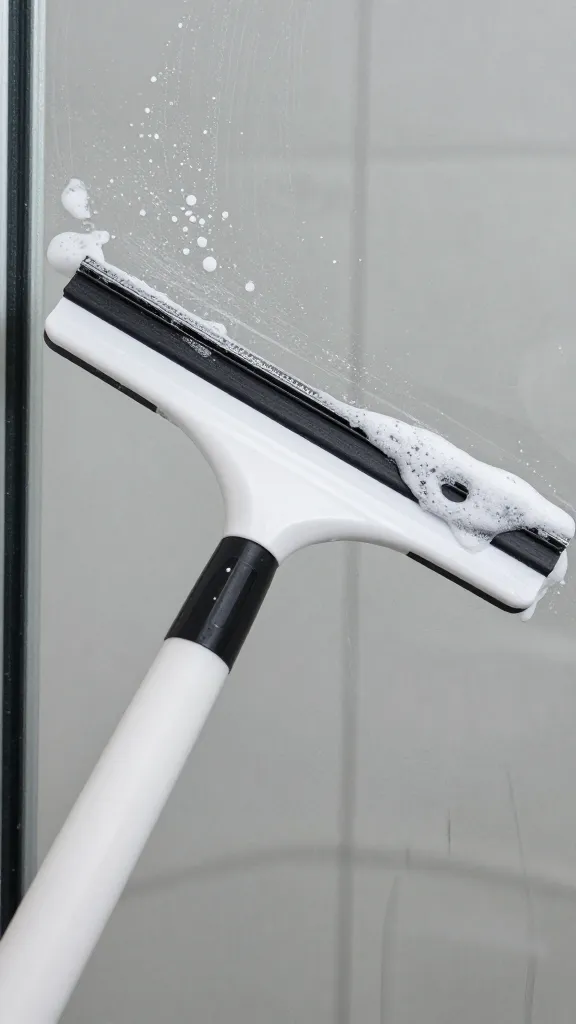
You don’t need a cart of fancy stuff. A few budget picks do the job like a pro.
- Squeegee: Keep it in the shower. Use daily. Takes 10 seconds. Your future self says thanks.
- Microfiber cloths: Lint-free drying and buffing. Paper towels shed and streak—hard pass.
- Non-scratch sponge or pad: Protects the glass. Skip abrasive pads unless you like scratches.
- Spray bottle: For your vinegar mix. Label it unless you enjoy mystery mists.
- Baking soda + dish soap: The dynamic duo for scum and oils.
- Melamine foam eraser: Great for mineral edges and door handles. Use lightly.
Seal the Deal: How to Keep It Clean Longer
Prevention matters. A couple of tiny habits save you hours later.
- Squeegee after every shower: Non-negotiable if you’ve got hard water. It stops spots before they start.
- Switch to liquid soap or body wash: Bar soaps often leave more residue. Less scum = less scrubbing.
- Run the fan 15 minutes after: Reduce humidity and mildew. Your mirr ors won’t fog as much either.
- Apply a glass protectant: Products like Rain‑X or dedicated shower sealants help repel water and soap. Reapply every few weeks.
- Soft water helps: If your water’s super hard, consider a softener or a showerhead filter. Your skin will like it too.
DIY Daily Spray
Make a no-rinse daily cleaner to mist on after showers:
- 1 cup water
- 1 cup white vinegar
- 1 teaspoon dish soap
- Optional: 10 drops tea tree oil for mildew resistance (smells fresh, too)
Shake, spray the glass, and walk away. No wipe needed. IMO, this tiny step keeps 80% of the mess away.
Don’t Forget The Tracks, Seals, and Hardware
Gunk hides in the door tracks and along the rubber seals. Tackle these and your whole shower feels cleaner.
- Tracks: Sprinkle baking soda, then pour a little vinegar. Let it fizz for 5 minutes. Scrub with an old toothbrush and rinse.
- Seals and edges: Wipe with vinegar and water. If you see mildew, hit it with a hydrogen peroxide spray, let sit 10 minutes, then rinse.
- Handles and hinges: Wipe with dish soap and water, then buff dry to prevent water spots.
Hard-To-Reach Spots
Wrap a microfiber cloth around a plastic putty knife or an old gift card. Slide it along edges and in corners. Weirdly satisfying.
What If Your Doors Are “Textured” or Frosted?
Textured or frosted glass can trap grime in teeny grooves. Don’t attack it with steel wool (please no).
- Use sudsy water first: Dish soap + warm water to loosen grime.
- Soft brush action: A soft-bristle brush gets into the texture without scratching.
- Rinse, then vinegar: Follow with a vinegar spritz for minerals, rinse again, then dry.
- Sealant helps here too: A light coat of glass sealant reduces buildup in the grooves.
FAQ
Can I use a magic eraser on my glass shower doors?
Yes, but gently. Melamine foam has micro-abrasive qualities, so use light pressure and test a small area first. It works great on mineral edges and metal hardware, but don’t grind it against decorative coatings or tinted glass.
Is vinegar safe for all shower doors?
Mostly, yes—for plain glass. Avoid vinegar on natural stone (like marble or travertine) around the shower since it can etch stone. If you have special coatings on your glass, check the manufacturer’s care guide.
How do I remove stubborn water spots that won’t budge?
Try a vinegar soak followed by a commercial calcium-lime-rust remover labeled safe for glass. Apply carefully, follow directions, and rinse thoroughly. If that fails, a professional glass polish might be your hail Mary.
Will a water softener really help?
Absolutely. Softer water means fewer mineral deposits, less soap scum, and easier cleaning across the board. It’s an upfront cost that pays off in time saved and less scrubbing. FYI, even a simple inline shower filter can help a bit.
What’s the best daily habit to prevent buildup?
Squeegee after every shower. It’s the smallest, biggest-impact habit. Pair it with a quick daily spray, and deep cleans become rare events instead of weekend traditions.
Can I use Windex on shower glass?
You can, but glass cleaners handle fingerprints better than soap scum. For showers, vinegar or a dedicated bathroom cleaner works faster on the real problem, then you can finish with a glass cleaner if you want a flawless shine.
Conclusion
You don’t need industrial chemicals or three hours of elbow grease to get sparkling shower doors. Identify the mess, use the right cleaner, and lock in a couple of easy habits—squeegee, quick spray, good ventilation. Do that, and your glass stays clear, your bathroom looks fresher, and you can retire the “sorry about the shower” speech when guests come over. IMO, that’s a win.