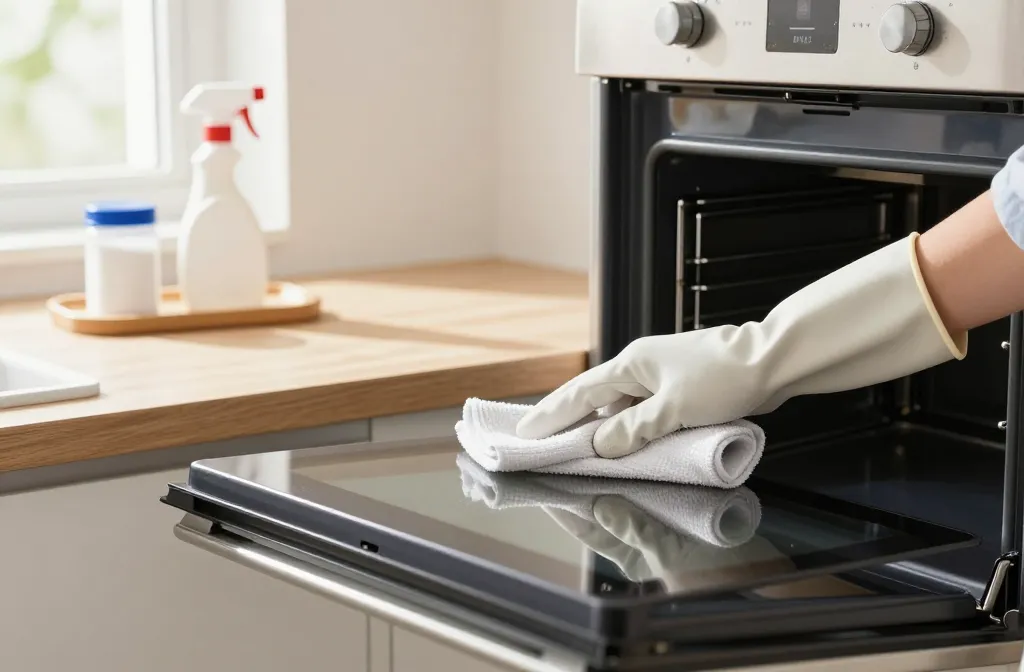
You don’t need a hazmat suit to clean your oven, promise. You just need a plan, a few cheap supplies, and maybe a podcast to keep you company. If that last pizza disaster turned your oven into a smoky crime scene, you can fix it today. Let’s make your oven sparkle without crying over chemical fumes or scrubbing your knuckles raw.
Know Your Oven (and Why It Looks Like That)
Grease splatters. Caramelized sugar. That casserole spill you “meant to wipe later” from 2021. It all bakes on and turns into a crusty layer of gunk. Heat cements it, so your oven needs more than a quick wipe.
Different ovens, different rules:
- Traditional ovens: No fancy features. You’ll scrub and rinse.
- Self-cleaning ovens: Use super high heat. Great, but read the manual and open a window.
- Steam-clean ovens: Add water, run a cycle, wipe. Easy for light messes.
- Coated interiors (porcelain/enamel): Gentle tools only to avoid scratches.
Bottom line: check your manual. If the manufacturer bans oven cleaner or abrasive pads, believe them.
Gather Your Gear (Cheap and Effective)
Let’s keep it simple. You don’t need a cart of boutique sprays. You’ll crush it with:
- Baking soda (the MVP) and white vinegar
- Dish soap (degreasing kind is best)
- Spray bottle with plain water or water + vinegar
- Non-scratch scrub pad or sponge
- Plastic scraper or old gift card (for gunk)
- Microfiber cloths or paper towels
- Gloves (protect your hands)
Optional but helpful:
- Razor scraper for glass door (be gentle)
- Oven cleaner spray if you want max strength (FYI: ventilate well)
- Trash bag for soaking racks with a DIY solution
Quick Pre-Clean: Make Life Easier
Before you go full Cinderella, do a tiny warm-up:
- Turn the oven off and cool completely. Safety first.
- Remove the racks, pizza stone, thermometer, any loose bits.
- Vacuum or wipe out crumbs so you don’t smear them everywhere.
- Heat hack: Turn the oven to 150–170°F for 5 minutes, then switch it off and crack the door for a minute. A little warmth softens grime.
The Baking Soda Paste Method (Low-Fume, High Reward)
This is the best all-around method IMO. Mild, safe, and it works.
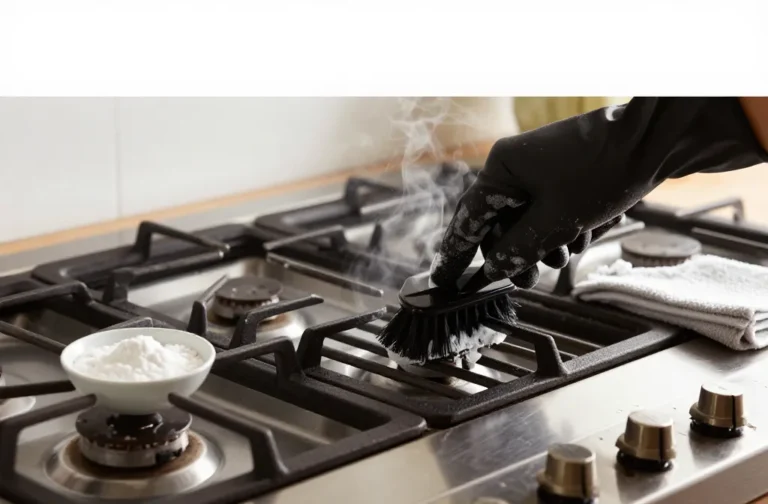
- Mix a paste: 1/2 cup baking soda + a few tablespoons water until spreadable. Add a splash of dish soap for extra degreasing.
- Spread it everywhere inside (avoid the heating elements). Coat the sides, back, floor, and door. Thicker on heavy spots.
- Let it sit 30 minutes to overnight. Overnight wins. If it dries, spritz with water to re-wet.
- Scrub and scrape: Use your non-scratch pad and plastic scraper to lift the gunk. Wipe with a damp cloth as you go.
- Vinegar finish: Spritz white vinegar everywhere. It foams with baking soda and helps lift residue.
- Final wipe: Rinse cloths often and wipe until it feels squeaky clean. No gritty film left.
Stubborn Spots: Level Up Gently
If something laughs at your baking soda, try:
- Stronger paste: Baking soda + a bit more dish soap + a splash of vinegar (it’ll fizz).
- Degreaser spray: Short dwell time, then scrub.
- Razor on the glass door: Keep it flat and wet. Slow, steady scrapes only.
Self-Clean Cycles: Use Wisely
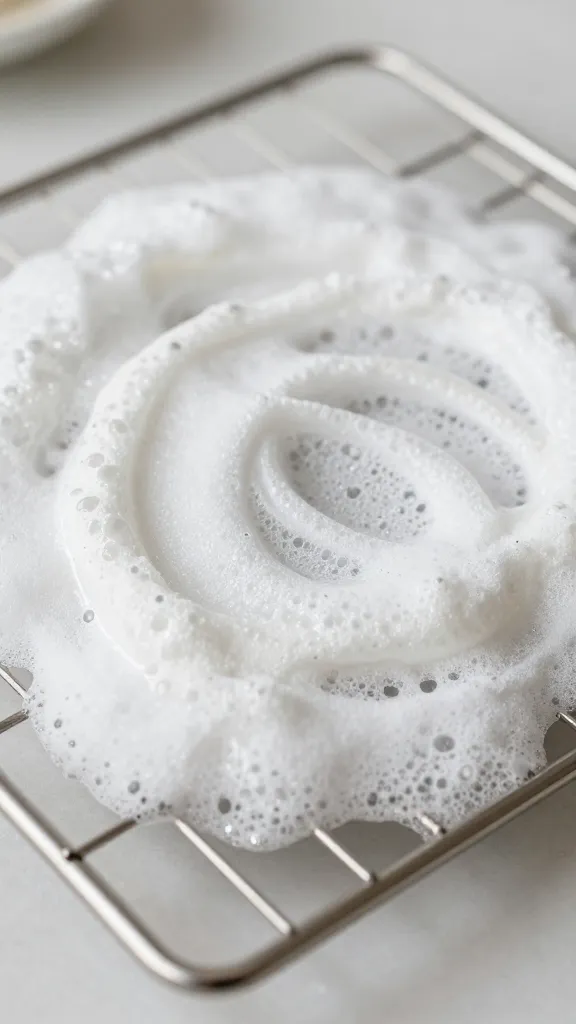
Self-clean works, but treat it with respect. It heats to insane temps and turns everything to ash.
- Remove racks unless your manual says they’re self-clean safe. Heat can discolor or warp them.
- Wipe up big spills first to reduce smoke.
- Ventilate: Open a window and run a fan. Don’t hang out nearby if fumes bug you.
- After the cycle: When cool, wipe out the ash with a damp cloth.
FYI: If your oven is ancient, or your kitchen lacks good ventilation, I’d skip self-clean and stick to the baking soda route.
Racks: The Secret Sauce Is a Soak
Oven racks trap drips and grease at every intersection. Don’t suffer—soak.
- Bathtub method: Lay an old towel down to protect the tub. Fill with hot water and add 1/2 cup dish soap or 1/4 cup laundry detergent. Submerge racks for 2–6 hours (overnight is elite).
- Trash bag hack: Slide racks into a heavy-duty trash bag, add 1/2 cup ammonia or a cup of strong degreaser, seal tightly, and leave outside. Fumes soften grime. Open carefully and rinse thoroughly. Wear gloves. Don’t mix chemicals.
- Scrub and rinse: Use a non-scratch pad or brush, then rinse and dry.
Don’t Forget These Sneaky Spots
- Oven door glass (inside): Make a thicker baking soda paste, let sit 20 minutes, then scrape with a razor at a shallow angle and wipe clean.
- Door gasket/seal: Wipe gently with soapy water only. No scrubbing pads. You damage this, you ruin heat retention.
- Vents and fan cover: Lightly brush and vacuum dust. If removable, wash gently and dry fully.
Deodorize and Shine
Your oven can smell like a fry-up for days if you skip this.
- De-stink: Place a small oven-safe dish with 1 cup water + 2 tablespoons vinegar + lemon slices. Heat at 250°F for 15–20 minutes, then cool and wipe condensation.
- Final polish: Wipe the exterior with glass cleaner or diluted vinegar. Buff knobs and handles.
- Reinstall racks when everything’s dry and you’re done admiring your work.
Keep It Clean Longer (Yes, You Can)
Prevention beats scrubbing. Tiny habits help:
- Use a baking sheet under pies, casseroles, and pizzas to catch drips.
- Cover dishes loosely to reduce splatter (foil or lids).
- Wipe mini spills ASAP after the oven cools, before they fossilize.
- Monthly maintenance: 10-minute baking soda wipe-down beats a 2-hour marathon later.
- Don’t foil the floor of the oven. Foil can mess with airflow and damage finishes.
IMO, a 5-minute post-bake wipe once a week saves your weekend sanity.
FAQ
Can I use oven cleaner on any oven?
Not always. Check your manual first. Many self-cleaning or coated ovens warn against harsh chemical cleaners because they can damage the finish. If allowed, ventilate well, wear gloves, and avoid the door gasket.
How do I clean burnt sugar or melted plastic?
For sugar, apply a warm, damp towel to soften, then use a razor on the glass or a plastic scraper on enamel. For plastic, cool the oven completely, then chip gently with a plastic scraper. If needed, slightly warm the area to loosen, but never smear melted plastic—it spreads and stinks.
Is the self-clean cycle safe for pets or people with asthma?
It can release smoke and fumes, especially from food residue. If you have pets, birds, or respiratory sensitivities, avoid being in the space during the cycle and ventilate aggressively. Alternatively, use the baking soda method.
What’s the best way to clean the oven door glass streak-free?
Use a baking soda paste first to remove grease. Wipe clean, then finish with a vinegar spritz and a dry microfiber. For stuck-on stuff, a razor scraper at a shallow angle works, but keep the surface wet to avoid scratching.
How often should I clean my oven?
If you cook often, do a light monthly clean and a deeper clean every 3–4 months. If you bake roasts or cheesy things weekly, bump that schedule up. When it starts smoking or smelling burnt, that’s your nudge.
Can I clean heating elements?
No scrubbing. Wipe gently with a damp cloth when they’re cool, and avoid soaking. If you see heavy buildup or damage, call a pro or check your manufacturer’s guidance.
Wrap-Up: Your Future Self Will Thank You
You don’t need magic—just baking soda, patience, and a good wipe rhythm. Tackle the racks with a soak, go easy on the door gasket, and keep up with mini cleanups. Next time the oven smokes, it’ll be because your sourdough is that good, not because last week’s lasagna is still haunting you. FYI, you just upgraded your kitchen game in under an afternoon.