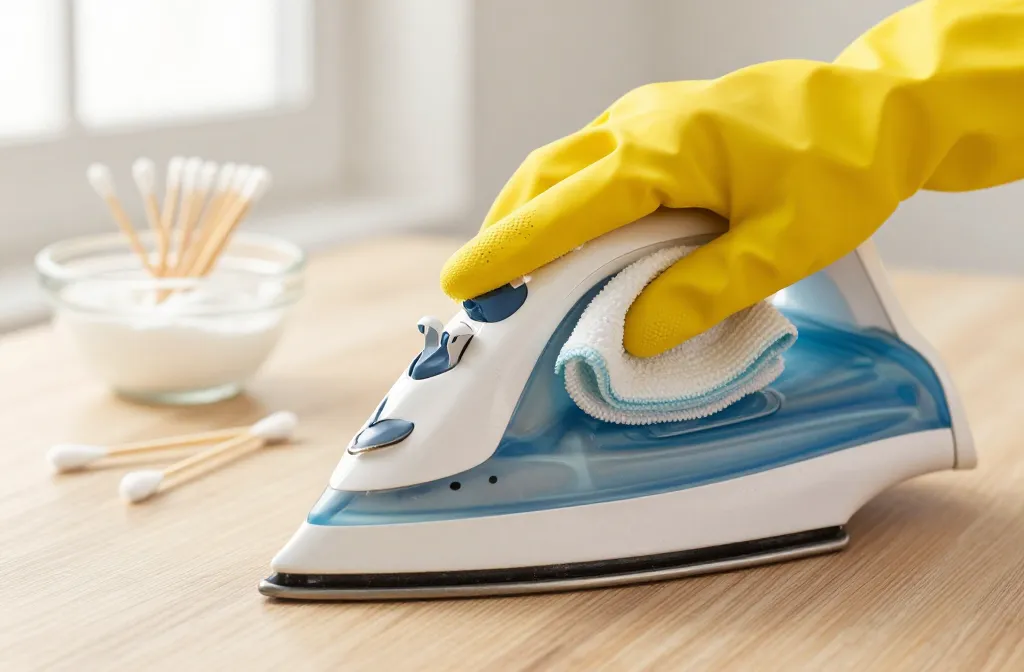
Your iron looked brand-new for, what, two months? Then the soleplate turned gunky, it started dragging on fabric, and now your favorite shirt smells like hot pennies. Good news: you can clean an iron fast without wrecking it. Better news: it doesn’t take a chemistry degree. Let’s get that soleplate smooth and those steam holes unclogged so your clothes look crisp again.
Know Your Enemy: What’s Gunking Up the Soleplate?
You don’t fight what you don’t understand. The grime on your iron comes from:
- Starch and sizing that caramelize and stick like sugar on a pan.
- Burned synthetic fibers that smear and bake on.
- Mineral scale from hard water clogging the steam vents.
- Random mystery goo (adhesive from labels, glitter glue from crafts, candle wax… life happens).
Different mess, different fix. So let’s match the method to the mayhem.
Rule Zero: Safety and Setup
Before you start, don’t wing it. A little prep saves your iron—and your fingers.
- Unplug the iron unless a step specifically says warm it.
- Empty the water tank and let it cool if it’s hot.
- Check the manual for any “do nots” (some coatings hate abrasives).
- Grab supplies: baking soda, white vinegar, cotton cloths/microfiber, cotton swabs, wooden toothpicks, dish soap, paper towels, distilled water, and optionally magic eraser and salt.
FYI: Skip steel wool, oven cleaner, and knives. You’re cleaning an iron, not stripping a cast-iron skillet.
For Light Buildup: The Gentle Clean
If your iron just looks a little dull or sticky, start simple.
- Warm the iron slightly. Plug it in on low for a minute, then unplug. You want it warm, not hot.
- Wipe with dish soap. Dampen a cloth with warm water and a drop of dish soap. Rub the soleplate in circles.
- Rinse and dry. Wipe with a clean damp cloth, then a dry one.
- Polish with a magic eraser (optional). Lightly dampen and buff. It’s mildly abrasive but safe for most plates. Test first if you’re nervous—IMO, it’s a lifesaver.
Quick Refresh Trick
Sprinkle a tablespoon of table salt on a brown paper bag or cotton cloth. Set the iron to medium with no steam
For Stubborn Gunk: Baking Soda Paste
If starch or melted fibers hardened into a crime scene, bring in baking soda.
- Make a paste: 2 parts baking soda to 1 part water. Thick, like frosting.
- Apply to a cool iron. Smear a thin layer on the soleplate. Avoid the steam holes.
- Scrub gently with a soft cloth or non-scratch sponge. Small circles. No Hulk mode.
- Detail the edges. Use a wooden toothpick to lift stubborn bits along grooves—never metal.
- Wipe clean with a damp cloth until every trace of paste disappears.
Why it works: Baking soda is mildly abrasive and alkaline, so it lifts charred residue without gouging a nonstick coating.
Have Melted Plastic?
Do this first: Let the iron cool fully, then place it on a bag of ice or frozen peas for 2–3 minutes. The plastic hardens. Gently flake it off with a wooden scraper or old credit card. Then use the baking soda method to finish. Don’t heat and smear it further—ask me how I know.
For Clogged Steam Holes: Vinegar Steambath
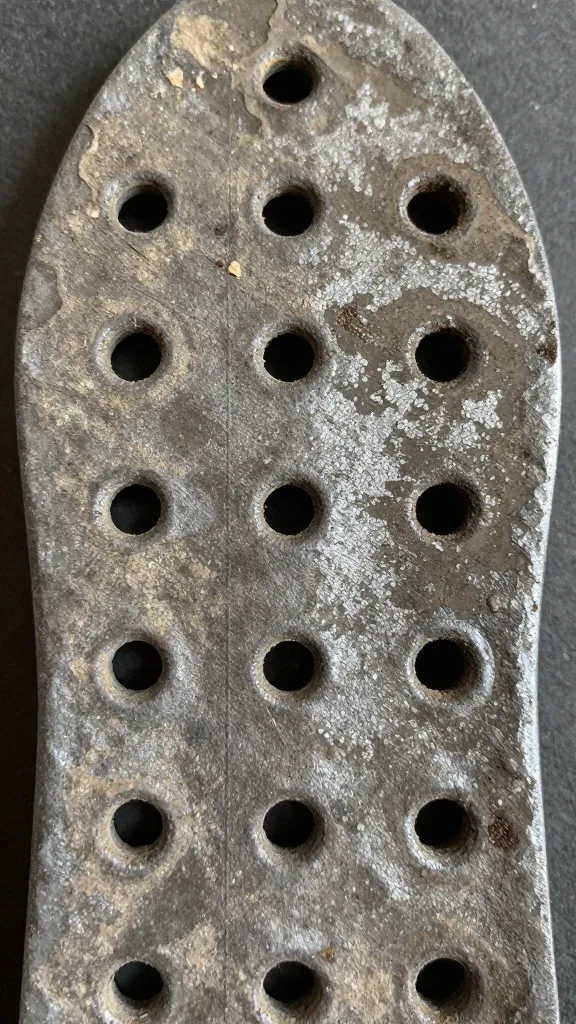
Spitting and brown spots mean mineral scale. Time to descale.
- Mix 1:1 white vinegar and distilled water. Fill the tank halfway.
- Heat to linen/cotton. Turn on steam and let the iron sit upright for a minute so steam starts.
- Steam and shake. Hold over a sink or old towel. Press the steam burst repeatedly for 2–3 minutes. The vinegar dissolves scale and ejects the crud.
- Cool and swab. Unplug, let cool, then dip cotton swabs in vinegar and gently clean the steam holes. Twist, don’t jam.
- Rinse cycle. Empty the tank, refill with distilled water, and steam again for a minute to clear vinegar odor.
Pro tip: If your iron has a “self-clean” button, run it after the vinegar step. It blasts the chamber with extra oomph.
What If Vinegar Is a No-Go?
Some manufacturers warn against vinegar. Use a descaler made for irons or run 2–3 tanks of distilled water with frequent steam bursts. It’s slower but safer for sensitive interiors.
Spot Treatments That Actually Work
Different stains, different heroes. Here’s your cheat sheet:
- Adhesive residue: Dab rubbing alcohol on a cloth and rub gently on a cool soleplate. Wipe clean.
- Oily smears: Warm the iron slightly, then use dish soap + warm water. Oil lifts better warm.
- Rust speckles: Mix lemon juice with a pinch of salt, rub gently, then rinse well. Test first on coated plates.
- Shine marks on fabric: That’s not the iron’s fault alone—too much heat or pressure. Use a pressing cloth next time, FYI.
Prevent the Gunk (Future You Will Thank You)
Maintenance beats emergency surgery every time.
- Use distilled water. It practically eliminates scale and spit stains.
- Empty the tank after each session. Standing water breeds minerals and funk.
- Wipe the soleplate while warm. A quick soapy cloth after heavy starch days keeps it glossy.
- Iron clean-to-dirty. Do delicate, low-heat pieces first; save starched jeans last.
- Dial down for synthetics. High heat melts polyester. Melted polyester equals drama.
- Use a pressing cloth with darks and prints to prevent shine and transfer.
IMO, a $1 microfiber cloth and a jug of distilled water do more for your iron’s lifespan than any fancy cleaner.
Test Drive: The Post-Clean Check
Don’t go straight to your favorite blouse. Run a quick check:
- Heat the iron to medium.
- Steam burst over a sink or old towel for 30 seconds.
- Glide test on a junk cotton T-shirt. No drag? No streaks? You’re golden.
If it still drags, repeat the baking soda step lightly. If it still spits, run another distilled water flush. Ten more minutes now beats a scorched shirt later.
FAQ
Can I use oven cleaner or abrasive pads on the soleplate?
Skip both. Harsh chemicals and steel wool scratch or strip coatings, which makes future gunk stick faster. Use baking soda, a magic eraser, or a non-scratch sponge instead.
What water should I use in my iron?
Use distilled water whenever possible. If your manual says tap water is fine, mix 50/50 distilled and tap to reduce minerals. Distilled water keeps steam vents clear and prevents brown spit.
My iron smells like vinegar after cleaning. Did I ruin it?
Nope. Run one or two tanks of plain distilled water on full steam and it will disappear. The smell just means vinegar did its job dissolving scale.
How often should I clean my iron?
Light users: every 2–3 months. Heavy starch fans or hard-water zones: monthly. At minimum, wipe the soleplate after any messy session and empty the tank after each use.
What if I burned fabric onto the soleplate mid-iron?
Unplug immediately, let it cool, harden the residue with ice, and scrape gently with a wooden tool. Then use the baking soda paste to finish. Don’t keep ironing—you’ll smear it deeper and scorch the next garment.
Do soleplate coatings change how I clean?
A bit. Ceramic and nonstick coatings prefer gentle pressure and non-scratch materials. Stainless steel tolerates a touch more elbow grease. When in doubt, test on a corner and avoid metal tools on all types.
Conclusion
A clean iron glides, steams like a champ, and won’t tattoo your clothes with mystery stains. You don’t need fancy products—just baking soda, vinegar or distilled water, and a few smart habits. Keep it wiped, use the right water, and treat disasters quickly. Your shirts will thank you, your laundry time will shrink, and your iron might actually feel fun to use again—wild, I know.