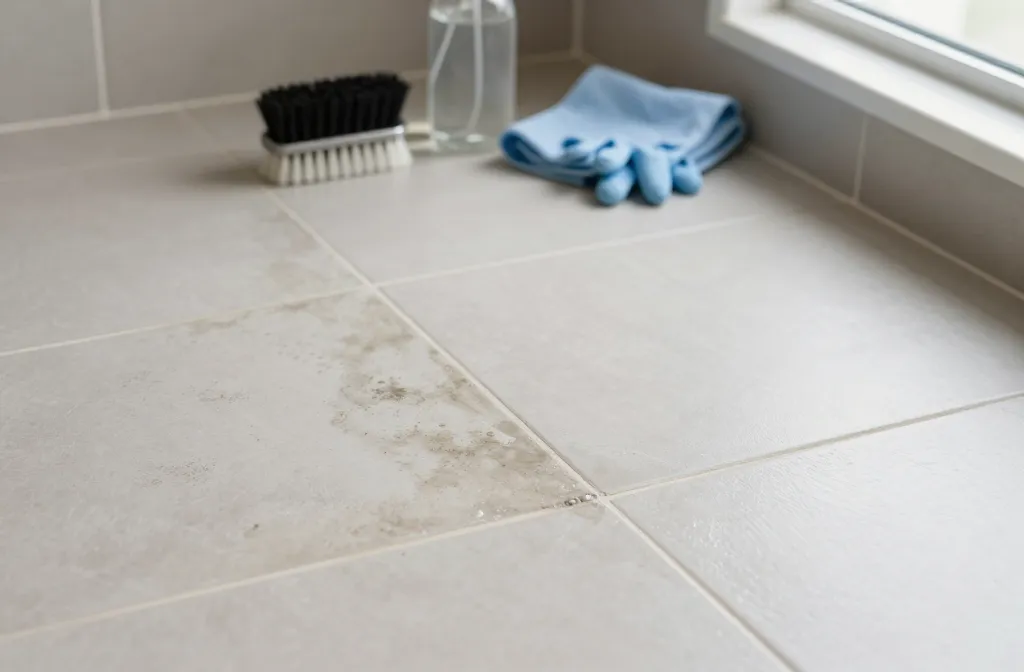
Grout doesn’t just “get dirty.” It seems to attract grime like it’s running a secret speakeasy for soap scum. The good news? You can win this fight without wrecking your knees or your Saturday. Grab a few basics, follow a simple plan, and you’ll see those lines go from blah to brilliant fast.
Know Your Enemy: What’s Actually in That Grime
Grout collects it all: dirt tracked in from shoes, soap residue, hard-water minerals, mold, and mildew. Fun combo, right? Different messes need different tactics, so you’ll clean smarter when you spot what you’re dealing with.
Quick ID guide:
- Gray or brown haze: Everyday dirt and soap scum.
- White crust: Hard-water or mineral deposits.
- Black spots: Mold or mildew (usually in damp areas like showers).
- Yellowing: Old sealer breakdown or nicotine/tannin stains.
FYI: If your grout looks darker when wet but never returns to its original color, it likely needs a deep clean and reseal.
Gather Your Cleaning Arsenal
You don’t need a hazmat suit. You do need the right tools and to use them in the right order.
Essentials:
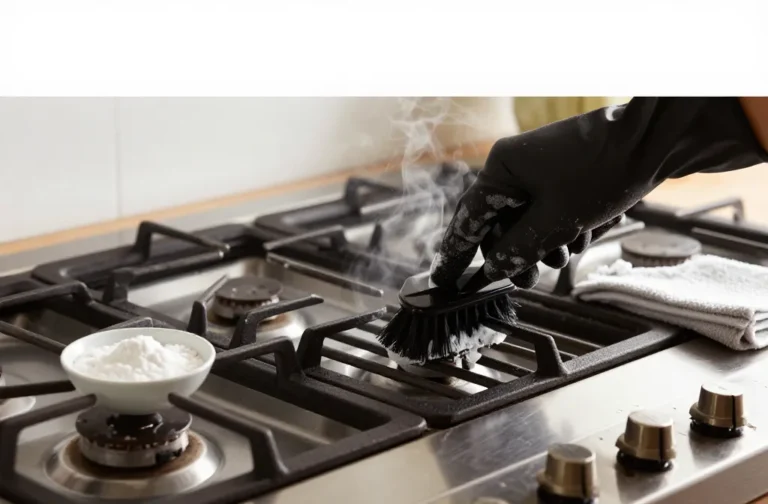
- Grout brush or stiff nylon brush (toothbrush works in a pinch, but it’s slow)
- Microfiber cloths or small towels
- Spray bottle
- Bucket and warm water
- Rubber gloves (protect your hands; you’ll thank me later)
Cleaners to have on deck (start gentle, escalate if needed):
- Mild dish soap + warm water
- Baking soda paste (baking soda + a little water)
- White vinegar (for non-natural stone only)
- Hydrogen peroxide (3%)
- Oxygen bleach (sodium percarbonate powder)
- Commercial grout cleaner (pH-neutral for everyday, alkaline for heavy grease, chlorine bleach only as a last resort)
Important: Skip vinegar, lemon, or acidic cleaners on natural stone (marble, travertine, limestone, onyx). Acid etches stone. Use pH-neutral only there, IMO.
The Simple Step-by-Step Method (Start Here)
Let’s keep it practical. You’ll level up only if you need to.
- Dry sweep or vacuum. Remove loose dirt first. Otherwise you just smear mud soup.
- Wash the surface with dish soap + warm water. Light scrub with a microfiber cloth. This removes surface gunk so your real cleaner can reach the grout.
- Apply a baking soda paste to grout lines. Spread a thin line right on the grout.Advertisement
- Spritz with hydrogen peroxide. It’ll fizz like a tiny science fair. That’s good.
- Scrub with your grout brush. Short, firm strokes along the line. Don’t go wild on the tile; target the grout.
- Rinse with warm water and wipe dry. Check your progress. Celebrate small wins. Or mutter at stubborn spots—your choice.
When You Need More Muscle: Oxygen Bleach
Oxygen bleach works great for dingy grout without the stink or risk of chlorine. Mix according to the label (usually warm water + powder), then:
- Apply to grout lines and let sit 10–15 minutes. Keep it wet while it works.
- Scrub, rinse thoroughly, and towel dry.
Note: Test in a small corner first. And never mix chemicals. Ever.
Mold and Mildew: The Shower Showdown
Black spots laughing at you in the shower? Time to get targeted.
Try this sequence:
- Open a window or run the fan. Ventilation matters.
- Spray 3% hydrogen peroxide directly on the stains. Let sit 10 minutes.
- Scrub with a grout brush. Rinse and assess.
- If needed, use an oxygen bleach solution. Dwell 10–15 minutes, scrub, rinse.
Last Resort: Chlorine Bleach (Handle With Care)
If all else fails:
- Use a diluted bleach solution per the bottle directions.
- Ventilate well and wear gloves. No mixing with other products.
- Apply with precision to grout only. Rinse like you mean it.
I rarely recommend bleach, but IMO it can rescue extreme cases before you rip out tile.
What If You Have Natural Stone?
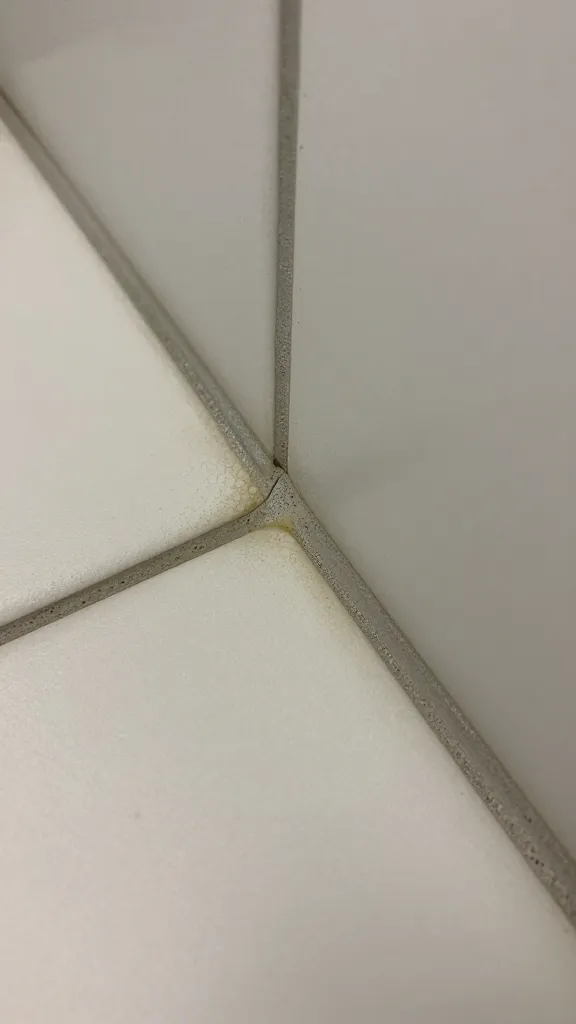
Stone needs gentler care. Acid will etch and dull it, and you can’t “buff out” etching easily.
Do this instead:
- Use a pH-neutral stone cleaner or a mild dish soap solution.
- Scrub grout with a nylon brush and rinse well.
- Skip vinegar, lemon, or anything labeled “lime remover” or “acidic.”
If deposits persist, look for a stone-safe alkaline cleaner designed for soap scum or minerals. When in doubt, test a spot you won’t cry over.
Power Tools and Shortcuts (Because Time = Sanity)
Want to speed things up? Work smarter, not sore-er.
- Drill brush attachments: These nylon heads turn your cordless drill into a grout-cleaning machine. Keep the speed moderate.
- Steam cleaner: A handheld steam unit softens grime and disinfects without chemicals. Great on ceramic/porcelain tile and sealed grout. Avoid prolonged steam on unsealed or crumbly grout.
- Grout color sealer: After cleaning, a color sealer can refresh and protect in one go. It hides stubborn stains and blocks future ones. Magic, basically.
Seal the Deal: Protect Your Work
Clean grout is great. Sealed grout stays great.
How to seal (quick version):
- Let grout dry completely after cleaning (12–24 hours, longer in humid areas).
- Use a penetrating grout sealer (water-based = easier, low odor).
- Apply with a small brush or applicator bottle along the lines. Wipe any sealer off tiles immediately.
- Let it cure per the label. Then drip a little water on it. If water beads, you nailed it.
Re-seal every 6–12 months in high-traffic areas. Showers may need it more often. Boring? Yes. Worth it? Also yes.
Keep It Clean With Minimal Effort
You don’t want grout cleaning as a hobby. Set up easy wins.
Simple habits:
- Wipe shower walls with a squeegee after use. It cuts 80% of the gunk. No joke.
- Use a daily shower spray (DIY: water + a drop of dish soap + a splash of rubbing alcohol, for non-stone surfaces).
- Mop floors with a pH-neutral cleaner weekly. Skip oily soaps that leave residue.
- Spot clean spills ASAP. Grout absorbs stains fast.
FYI: Hard water? A water softener or a rinse aid product saves you hours long-term.
FAQ
Can I use vinegar to clean grout?
Yes, but only on ceramic or porcelain tile with cement-based grout. Vinegar helps dissolve soap scum and minerals. Do not use it on natural stone—it etches and ruins the finish. When in doubt, go pH-neutral first.
What’s the difference between oxygen bleach and chlorine bleach?
Oxygen bleach (sodium percarbonate) releases oxygen to break down stains without harsh fumes and with less risk to color. Chlorine bleach disinfects and whitens fast but can damage surfaces and discolor some grout. Start with oxygen bleach and save chlorine for emergency battles.
How do I know if my grout needs to be replaced?
If grout crumbles, cracks, or chunks fall out, cleaning won’t fix it. You need to remove loose sections and regrout. If it’s just stained but intact, deep clean and seal—or use a grout color sealer for a full refresh IMO.
Is a steam cleaner safe for grout?
Usually, yes, on ceramic or porcelain tiles with intact, sealed grout. Steam loosens grime and can sanitize. Skip it on unsealed, powdery grout or delicate stone. Always test a small spot first.
Do grout pens actually work?
They “work” cosmetically. They paint over stains and buy time. But they don’t clean or protect. For a lasting fix, clean thoroughly and apply a quality color sealer, which bonds and seals in one step.
Why does my grout get dirty so fast after I clean it?
Residue attracts dirt. If you leave cleaner behind or use soapy products, you create a sticky film. Rinse well, dry the area, and seal the grout. Also, keep airflow up in showers to slow mold and mildew.
Conclusion
Grout cleaning doesn’t need drama. Identify the grime, start gentle, escalate smartly, and finish with a good sealer. With a few habits—squeegee here, quick mop there—you’ll dodge the constant re-clean cycle. Your tile will pop, your grout will behave, and your Saturday can involve literally anything else. IMO, that’s a win.