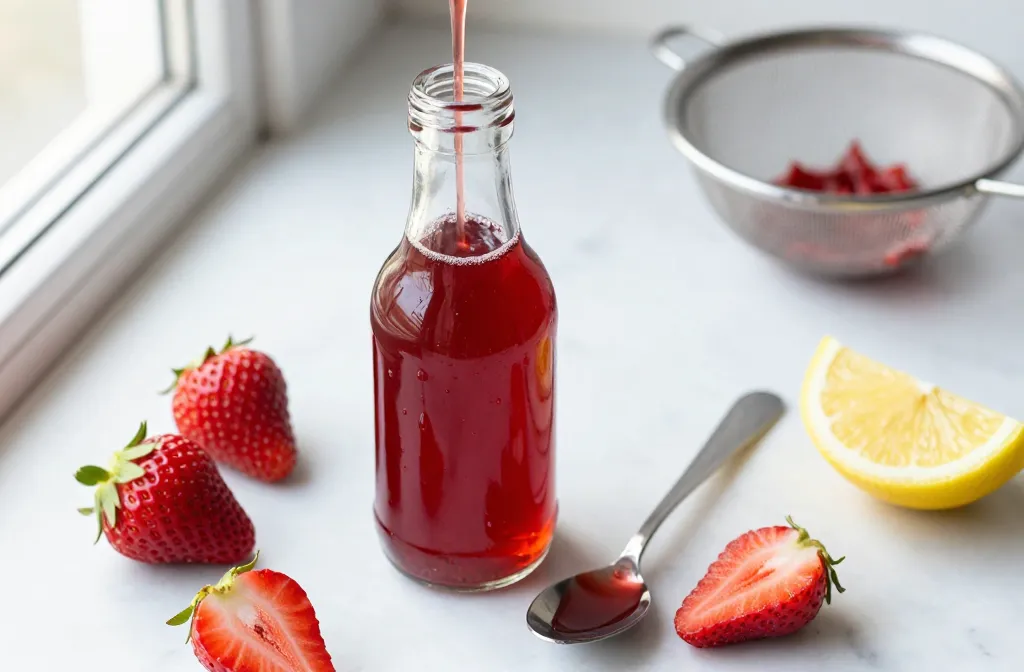
Strawberry syrup tastes like summer in a bottle. You can drizzle it on pancakes, swirl it into yogurt, shake it into cocktails, or—let’s be honest—sip it off a spoon. The best part? You’ll make it in under 30 minutes with ingredients you can pronounce. Ready to turn a pile of berries into liquid gold?
Why Make Your Own Strawberry Syrup?
Homemade syrup actually tastes like strawberries, not “strawberry-adjacent.” You’ll skip artificial flavors, weird stabilizers, and mystery red dyes. Plus, you control the sweetness, thickness, and tartness.
Also, it’s cheaper than fancy store-bought options and doubles as a gift. Add a cute label and boom—instant hero status. IMO, once you make it once, you’ll never buy a bottle again.
What You’ll Need (And What You Can Swap)
Ingredients
- 1 pound (450 g) fresh strawberries, hulled and roughly chopped
- 3/4 to 1 cup (150–200 g) granulated sugar, to taste
- 1/2 cup (120 ml) water
- 1 tablespoon lemon juice (fresh, please)
- Optional: 1/2 teaspoon vanilla extract or a small pinch of salt
Equipment
- Medium saucepan
- Fine-mesh strainer (or cheesecloth for extra smooth syrup)
- Heatproof spatula or spoon
- Glass jar or bottle for storage
Swaps and add-ins
- No fresh strawberries? Use frozen—no need to thaw.
- Swap some sugar for honey or maple syrup for a different vibe.
- Add a few basil leaves or a strip of lemon zest for a fancy twist.
The Core Recipe (Foolproof, Pinky Promise)
Step-by-step
- Combine strawberries, sugar, and water in a saucepan. Stir over medium heat until the sugar dissolves and the mixture starts to bubble—about 5 minutes.
- Simmer gently for 10–12 minutes. The berries will slump and release juice. Stir occasionally so nothing sticks.
- Mash lightly with a spoon for extra flavor extraction. Don’t go full smash; we’re making syrup, not jam.
- Take off the heat. Stir in lemon juice and vanilla if using. Taste and tweak sweetness or acidity.
- Strain through a fine-mesh sieve into a bowl or measuring cup. Press the solids to get every drop. For ultra-smooth syrup, strain twice or use cheesecloth.
- Cool to room temp. Pour into a clean jar. Refrigerate.
Yield and storage
- Makes about 1.5 to 2 cups, depending on how juicy your berries are.
- Store in the fridge for up to 2 weeks.
- Freeze in ice cube trays for 2–3 months (hello, instant cocktails).
How to Fix Common Issues
- Too thin? Simmer 3–5 minutes more to reduce.
- Too thick? Whisk in a tablespoon of hot water at a time.
- Too sweet? Add a splash more lemon juice or a pinch of salt.
- Too tart? Stir in 1–2 teaspoons sugar while warm.
Dialing In Sweetness and Texture
Sugar doesn’t just sweeten; it thickens and preserves. Less sugar = lighter, fresher flavor but a thinner syrup and shorter shelf life. More sugar = thicker, glossier, and longer lasting.
Want a diner-style thick pour? Use 1 cup sugar and simmer a few extra minutes. Prefer a light drizzle for seltzer and mocktails? Stick to 3/4 cup sugar and don’t reduce too much.
Pectin Power: Using Strawberry’s Natural Thickener
Strawberries contain some pectin, but not tons. You’ll still get a syrupy body if you simmer. If you crave more cling without extra sugar, add:
- 1 teaspoon cornstarch whisked with 2 teaspoons cold water (stir into hot syrup, simmer 1 minute)
- Or 1 teaspoon liquid pectin (stir in off-heat)
FYI, thickening agents mute brightness slightly, so bump the lemon juice.
Flavor Boosters That Play Nice
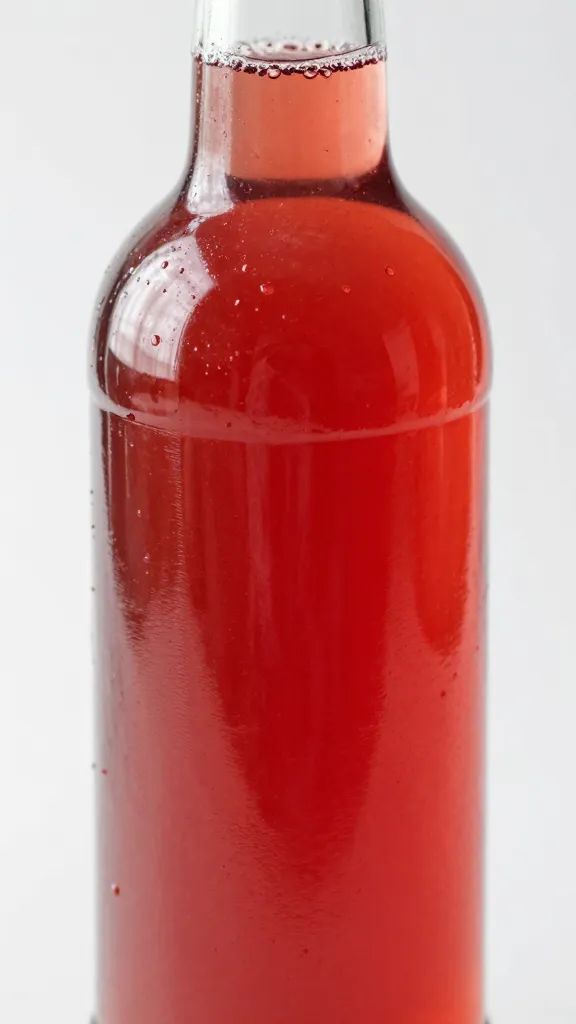
You can keep it classic or go full mixologist. Here are combos that slap (in a good way):
- Vanilla Bean: Add seeds and pod while simmering; remove pod before straining.
- Basil or Mint: Steep a small handful off-heat for 10 minutes; strain.
- Black Pepper: 4–5 cracked peppercorns = subtle warmth that surprises people.
- Balsamic: 1–2 teaspoons aged balsamic at the end for a dessert drizzle that tastes fancy.
- Citrus Zest: Lemon or orange zest during simmer for brightness.
Low-Sugar and No-Refined-Sugar Options
- Honey or maple: Replace half the sugar. Add off-heat to keep flavor vivid.
- Stevia/erythritol blends: Sweeten to taste but expect a thinner syrup. Add a cornstarch slurry if you want more body.
- Syrup concentrate: Skip thickening, keep it thin, and store frozen as cubes.
How to Use Strawberry Syrup (Beyond Pancakes)
You’ll run out of syrup faster than you think once you try these:
- Coffee/Tea: Strawberry iced lattes or matcha with a strawberry swirl. Don’t knock it till you try it.
- Breakfast: Pancakes, waffles, French toast, oatmeal, yogurt parfaits.
- Dessert: Cheesecake drizzle, ice cream sundaes, pound cake glaze (whisk with powdered sugar).
- Drinks: Lemonade, sparkling water, margaritas, gin fizzes, strawberry mojitos.
- Savory: Brush on grilled chicken or pork with a little balsamic and black pepper.
Quick Strawberry Lemonade (2 Minutes)
- 2 tablespoons strawberry syrup
- 1 tablespoon lemon juice
- 8 ounces cold water or sparkling water
- Ice and lemon slice
Stir, sip, wonder why you ever bought pink lemonade.
Make It Shelf-Stable (If You Want)
If you plan to gift bottles or hoard them like a dragon, you can can it. Note: follow safe canning practices because, you know, botulism = bad.
- Use 1 cup sugar and 1 tablespoon lemon juice per pound of berries for acidity.
- Bring syrup to a brief boil, then ladle into hot, sterilized half-pint jars, leaving 1/4-inch headspace.
- Wipe rims, apply lids, and process in a boiling water bath for 10 minutes (adjust for altitude).
- Cool 12–24 hours. Check seals. Store sealed jars in a cool, dark place up to 12 months. Refrigerate after opening.
IMO, small-batch fridge syrup is easier, but do you.
Troubleshooting and Pro Tips
- Use ripe berries: Pale, underripe berries = meh flavor. Frozen peak-season berries often win.
- Don’t crank the heat: Gentle simmer preserves fresh flavor and color.
- Strain while warm: You’ll extract more without wrestling the sieve.
- Save the pulp: Stir into yogurt, oatmeal, or fold into muffin batter. Waste nothing.
- Label your jar: Date it. Future you will forget, guaranteed.
FAQ
Can I use other sweeteners like agave or coconut sugar?
Totally. Agave keeps it light and blends easily; start with a bit less since it tastes sweeter than sugar. Coconut sugar adds caramel notes and a darker color. Adjust to taste and simmer slightly longer if the texture runs thin.
How do I keep the syrup bright red?
Use ripe berries, don’t overcook, and add lemon juice. Pro move: cool it quickly by setting the bowl in an ice bath after straining. Heat dulls color over time, so gentle simmering wins.
My syrup tastes flat. Now what?
Add a squeeze more lemon juice and a tiny pinch of salt. Acid + salt make fruit flavors pop. If it still feels boring, a splash of vanilla or a couple drops of balsamic wakes it up.
Is this the same as strawberry simple syrup for cocktails?
Yes, basically. Classic simple syrup uses equal parts sugar and water. Here, the berries bring water and flavor, so measurements shift. For bar-style consistency, aim for 1:1 sugar to strawberry juice after straining and reduce to your preferred thickness.
Can I make a no-cook strawberry syrup?
Kind of. Macerate chopped berries with sugar and lemon (stir and rest 30–60 minutes), then blend and strain. It tastes ultra-fresh but won’t keep as long—use within 3–4 days and keep it cold. Great for quick drinks.
What if I want it super clear?
Don’t mash the berries, and strain through damp cheesecloth without pressing. You’ll lose some yield but gain a jewel-like, translucent syrup perfect for cocktails where clarity matters.
Conclusion
That’s it: a fast, flexible strawberry syrup that tastes like you picked berries ten minutes ago. You can keep it classic, riff with herbs and spices, or thicken it for a luxe drizzle. Make a batch today, stash a few cubes in the freezer, and prepare for strangers to ask, “What’s in this?!” Smile and say, “Just strawberries—promise.”