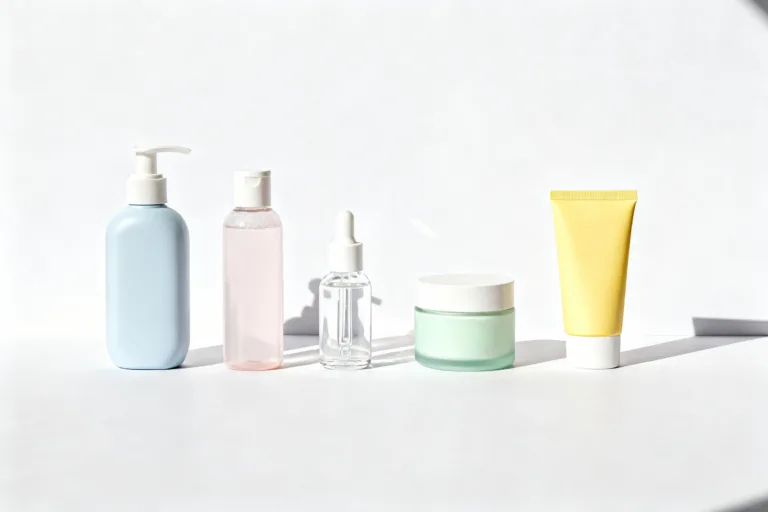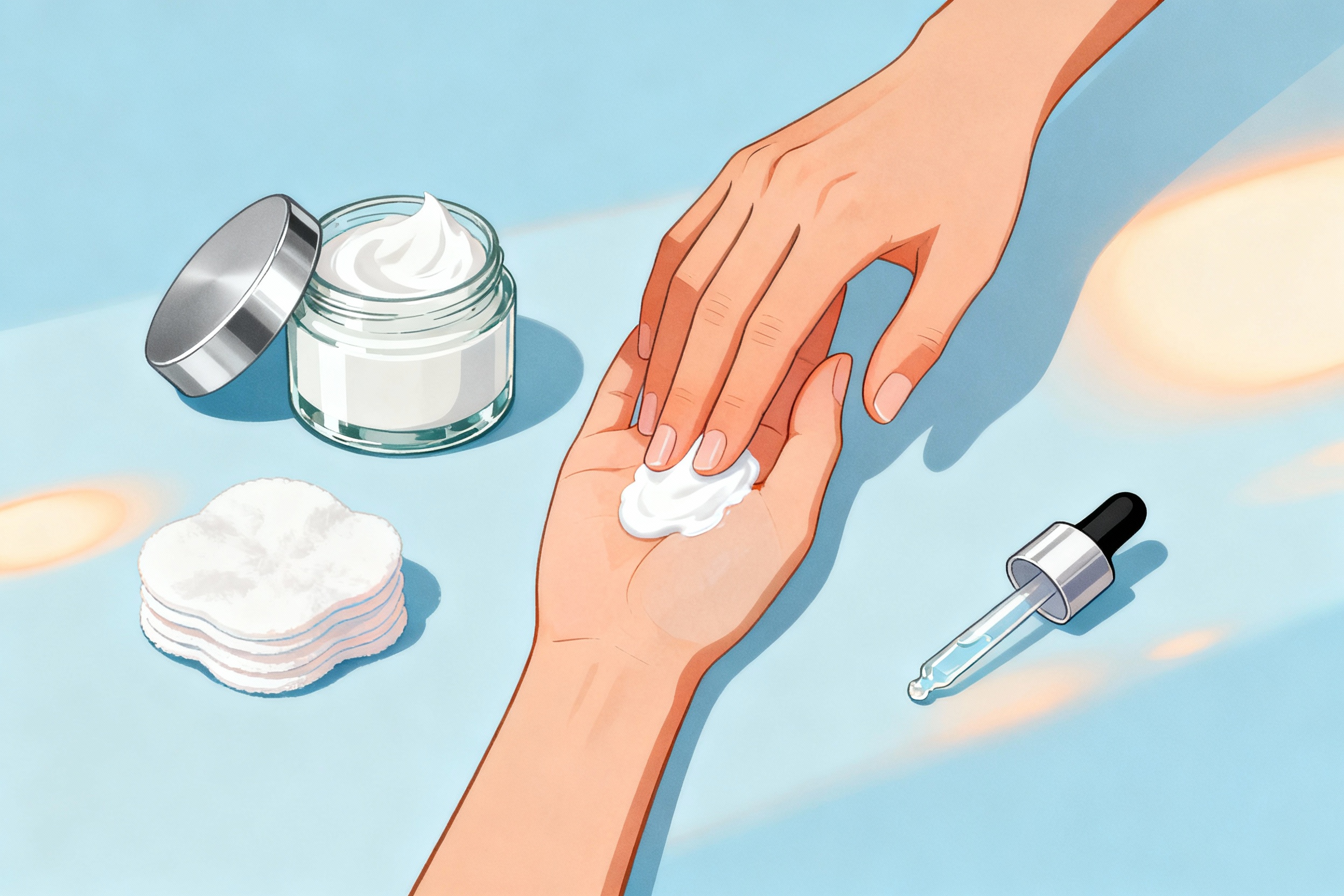
Your skin freaks out at a stiff breeze, a new serum, or a late night? Same. Sensitive skin doesn’t want drama—it wants quiet, consistent care that doesn’t sting or surprise. The good news: you can build a routine that keeps your face calm, comfortable, and actually happy. No burning, no peeling, no tears—just vibes.
How to Know If Your Skin Is Actually Sensitive
You don’t need a lab coat to figure this out. If your skin gets red, itchy, tight, or stingy from products, weather, hot showers, or even tap water, you likely have sensitive skin. It might react to fragrance, strong acids, or rough scrubs. You may see flushing, dry patches, or that “I regret everything” tingle after you try new stuff.
Quick self-check:
- Immediate stinging or redness after cleansing or applying products?
- Frequent tightness or flaking after washing?
- Reacts to fragrance or essential oils?
- Prone to eczema, rosacea, or contact dermatitis?
If you nodded along to two or more, congrats—you’re in the sensitive skin club. IMO, it’s exclusive, but not fun.
The Golden Rules: Keep It Boring, Keep It Consistent
Sensitive skin loves routine more than you love your morning coffee. Don’t chase every trend. Build a simple routine and stick to it for at least 2-4 weeks before making changes.
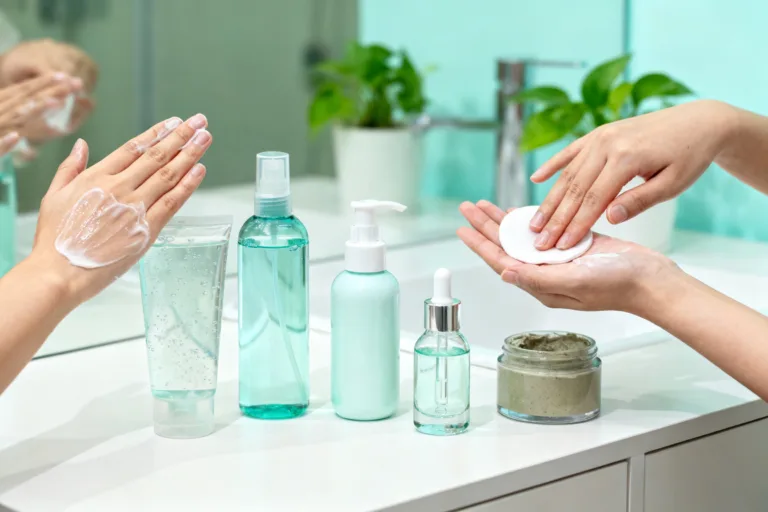
Core routine (AM/PM):
- Gentle cleanse (or rinse with water in the morning)
- Hydrate and soothe (toner/essence optional, serum if you like)
- Moisturize
- SPF in the AM (every day, yes even if it’s cloudy)
Ingredients Your Skin Will Actually Like
- Ceramides: Repair your moisture barrier and keep water in.
- Glycerin and hyaluronic acid: Pull in hydration without drama.
- Panthenol (B5): Soothes, softens, reduces redness.
- Centella asiatica: Calms cranky skin, reduces irritation.
- Squalane: Lightweight oil that supports barrier health.
- Colloidal oatmeal: Comforts itch and irritation, FYI great in winter.
- Niacinamide (2-5%): Strengthens barrier, evens tone, reduces oil—just don’t go too high too fast.
Ingredients to Approach Like a Hot Stove
- Fragrance and essential oils (especially citrus, peppermint, eucalyptus)
- Harsh surfactants (like sodium lauryl sulfate)
- High-percentage acids (glycolic, salicylic, TCA at home—nope)
- Retinoids at strong concentrations without slow introduction
- Physical scrubs with rough particles
- Alcohol-heavy toners that leave your face parched
Cleansing Without the Squeaky-Clean Regret
Your face is not a frying pan—don’t strip it. A gentle, low-foam cleanser keeps your barrier happy and your pores unclogged without the tightness.
Tips:
- Choose a pH-balanced cleanser labeled “gentle” or “for sensitive skin.”
- At night, if you wear makeup or sunscreen, double cleanse with a fragrance-free cleansing balm or oil, then a gentle gel or milk.
- Use lukewarm water—hot water = redness and irritation.
- Pat dry—don’t sandpaper your face with a towel.
If Your Skin Freaks Out from Tap Water
Try rinsing with filtered or bottled water during flare-ups. Or apply a no-rinse micellar water and gently wipe, then follow with moisturizer. Not forever—just until your skin chills.
Hydration Layer: Soothe First, Glow Later
Hydration reduces sensitivity. It cushions your skin so actives don’t sting and your barrier can repair itself.
Smart layering (light to rich):
- Essence/toner with glycerin or HA (skip if everything irritates you)
- Serum with panthenol, centella, or ceramides
- Moisturizer that feels boring and buttery in the best way
Moisturizer shopping list:
- Ceramides + cholesterol + fatty acids for barrier repair
- Petrolatum or dimethicone for sealing hydration (especially at night)
- Minimal ingredients to reduce risk of reacting
Slugging—Yay or Nay?
Slugging (sealing with a thin layer of petrolatum) can help during dry, irritated phases. Use a pea-sized amount over moisturizer, not half the tub. Avoid if you clog easily or live in humid heat.
Sunscreen That Doesn’t Sting
Sensitive skin still needs sunscreen. The wrong formula can burn; the right one can feel like nothing.
Best bets:
- Mineral sunscreens with zinc oxide and/or titanium dioxide. They sit on top of skin and usually don’t sting.
- Look for fragrance-free, minimal formula, and “for sensitive skin.”
- Try tinted mineral to offset white cast.
Application hacks:
- Apply over a fully dried moisturizer to buffer potential sting.
- Use two thin layers rather than one thick one.
- Reapply every 2 hours if you’re outdoors. Inside all day? Reapply if you sit by a sunny window.
Actives Without the Drama
You can use actives with sensitive skin—you just need a strategy. Start low, go slow, and buffer with moisturizer.
Retinoids (for texture, lines, breakouts)
- Begin with a gentle retinol or retinaldehyde 1-2 nights per week.
- Sandwich method: moisturizer, retinoid, then moisturizer again.
- Wait 4 weeks before increasing frequency. If you peel or burn, back off. No heroics.
Exfoliants (for dullness and bumps)
- Use PHAs (gluconolactone, lactobionic acid) or low-strength lactic acid instead of glycolic.
- 1 night per week max to start. Never on broken or irritated skin.
- Skip scrubs with big particles. Your barrier will thank you.
Niacinamide
Niacinamide can calm redness and support your barrier, but high percentages can tingle. Stick to 2-5%. If it stings, mix a drop into your moisturizer.
When Your Barrier Screams: Repair Mode
Overdid it? It happens. Redness, burning, flakes—time to simplify hard.
48-72 hour reset:
- Stop all actives (retinoids, acids, vitamin C).
- Cleanse once at night only; water rinse in the morning.
- Use a bland moisturizer with ceramides, squalane, or petrolatum.
- Optional: colloidal oatmeal cream or thermal water mist to soothe.
If you see no improvement in a week, or you have swelling, oozing, or severe pain, see a dermatologist. FYI, patch testing can save you from repeat misery.
Lifestyle Tweaks That Make a Big Difference
Small habits = big results with sensitive skin.
- Short, warm showers instead of hot, steamy marathons.
- Humidifier in dry climates or winter to keep your face from shriveling.
- Fragrance-free laundry detergents and pillowcase changes 2-3x per week.
- Minimal makeup or mineral-based formulas when flaring.
- Sun-smart accessories: hat, sunglasses, shade. Your future self says thanks.
- Stress, sleep, and diet matter. Not sexy advice, but it works. IMO, hydration and sleep do more for glow than any $90 serum.
FAQ
How do I patch test products for sensitive skin?
Apply a pea-sized amount to a discreet area (behind the ear or jawline) once daily for 3 days. If you see no redness, itching, or bumps, proceed to the full face. For stronger actives, extend to 5-7 days. Slow and steady beats sorry and rashy.
Can I use vitamin C if I’m sensitive?
Yes, but pick a gentler form. Look for ascorbyl glucoside or tetrahexyldecyl ascorbate instead of pure L-ascorbic acid. Use 2-3 mornings per week and buffer with moisturizer. If it tingles every time, skip it—barrier first, bragging rights later.
What’s the best moisturizer texture for sensitive skin?
Choose based on your climate and oil levels. Gels with glycerin work for oily types; creams with ceramides suit normal to dry; balms or ointments help during winter or barrier repair. The right one leaves you comfortable, not greasy or tight 30 minutes later.
Why does my skin burn with sunscreen?
Chemical filters often cause stinging, especially around the eyes. Switch to a 100% mineral sunscreen, apply over a fully dried moisturizer, and avoid formulas with fragrance or alcohol. Tinted mineral options reduce white cast and feel nicer.
How many products should I use?
Three to four. Cleanser, moisturizer, sunscreen (AM), and a soothing serum if you want. More steps = more potential triggers. Keep it simple until your skin gets resilient, then add slowly if you’re feeling adventurous.
Is redness always sensitivity?
Not always. Redness can come from rosacea, eczema, allergies, or irritation from products. If you flush easily, get bumps or visible veins, or react to heat/spicy food, you might have rosacea—see a derm for targeted treatments.
Wrap-Up: Calm Skin, Calm Life
Sensitive skin isn’t fragile—it’s just opinionated. Give it gentle cleansing, steady hydration, smart sunscreen, and careful actives, and it will behave. Start simple, add slowly, and listen when it whispers before it screams. Your routine doesn’t need to be fancy—just friendly.