You love your dog. Obviously. But even the most devoted dog parents slip up at home in ways that create confusion, stress, and sometimes chaos. The good news? Most common mistakes have simple fixes. Let’s talk about what you might be doing (or not doing) that’s messing with your pup’s world—and how to course-correct without losing your sanity.
Skipping Structure and Relying on “They’ll Figure It Out”
Dogs don’t “figure it out.” They live for clarity and routine. When we wing it—feeding at random times, letting them decide rules, or ignoring training—we create a dog that guesses for a living. Guessing dogs chew shoes.
Set routines that your dog can predict. That means:
- Regular feeding windows (morning and evening works great).
- Consistent potty breaks—same door, same cue, same time ranges.
- Short daily training sessions (5-10 minutes) to reinforce basics.
What a “Loose” Day Looks Like vs. a “Clear” Day
- Loose day: you feed whenever, let the dog out when they seem antsy, and only train when something goes wrong.
- Clear day: meals at set times, potty breaks on schedule, and two quick training sessions for sit, stay, recall, and door manners.
Predictability reduces anxiety and bad habits. Your dog wants to get it right. Give them the playbook.
Confusing Rules and Mixed Signals
You let your dog on the couch sometimes, but scold them when guests come over. You say “down” for both “get off” and “lie down.” Your partner uses “come here” while you use “come.” The dog? He’s taking notes and none of it adds up.
Keep your cues and rules consistent.
- Choose one word per behavior: “sit,” “down” (lie down), “off” (get off), “come.”
- Pick house rules and enforce them every time. Couch or no couch—no “sometimes.”
- Align with everyone in the household. Write cues on the fridge if you must.
Quick Fix: The Cue Cleanup
Make a mini glossary for your dog:
- “Sit” = butt on ground.
- “Down” = belly on floor.
- “Off” = paws off furniture/people.
- “Leave it” = disengage from object.
- “Drop” = release item in mouth.
- “Come” = return to you immediately.
FYI: clear language speeds up learning, and your dog will look like a genius at the park.
Burning Energy the Wrong Way
You throw the ball for 45 minutes and wonder why your dog still acts like a caffeinated squirrel. Pure cardio creates a super-athlete who needs even more cardio tomorrow. Good times.
Balance physical exercise with mental work.
- Scatter-feed kibble in the yard or use puzzle feeders.
- Practice scent games: hide treats and say “find it.”
- Teach practical tricks: place, wait at doors, name their toys.
- Short leash walks with structured sniffing breaks.
Two Simple Brain-Boosters
- Snuffle mat breakfast: slows eating and engages the nose.
- Ten-treat search: hide small treats around one room and release with “find it.”
Mental work tires dogs faster than sprint marathons, IMO.
Over-Coddling Fear and Under-Socializing
When your dog looks nervous, you scoop them up, talk in a high voice, and retreat. You think you’re comforting them, but you’re labeling the world “scary.” Also, if you avoided socialization because your puppy wasn’t fully vaccinated yet, you might be paying for it now with a fearful or reactive adult.
Use confidence-building, not pity.
- Expose your dog to new sounds and surfaces at a distance they can handle.
- Reward calm curiosity—treats when they look and relax, not when they panic.
- Keep sessions short and positive; leave before they get overwhelmed.
Safe Socialization Before Full Vaccines
- Invite vaccinated, friendly dogs to your home.
- Carry your pup in public for sights and sounds.
- Visit clean indoor spaces and car rides to build novelty tolerance.
Confidence grows from controlled wins, not dramatic rescues.
Ignoring Body Language and Overlooking Red Flags
Dogs don’t speak English, but they do speak dog. When you miss the whispers (lip licking, head turns, yawning, whale eye), you eventually get the shout (growl, snap). Growling isn’t betrayal—it’s communication.
Learn the early stress signals.
- Lip licking, yawning when not tired, turning away.
- Stiff body, tucked tail, pinned ears.
- Freeze-and-stare before lunging.
Respect the growl. Change the situation, add distance, and train for a better association later.
Kids and Dogs: Non-Negotiables
- No hugging or climbing on dogs—many dogs hate it.
- Teach “let the dog come to you.”
- Give the dog a safe zone (crate or bed) where kids never follow.
Supervise always, intervene early.
Inconsistent Leash Habits and Doorway Chaos
Your dog drags you like a sled and bolts through doors like a missile. You blame excitement; your dog blames the human who never set standards.
Teach leash manners and doorway patience.
- Start walks only when the leash stays loose inside for a few steps.
- Stop when they pull; move when slack returns—simple cause and effect.
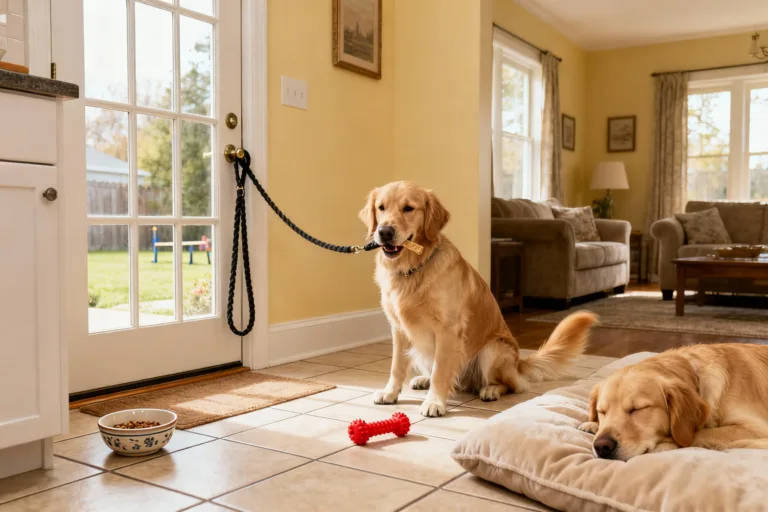
- Practice “sit, wait” at doors, then release with “okay.”
Gear That Helps (Not Magic, But Helpful)
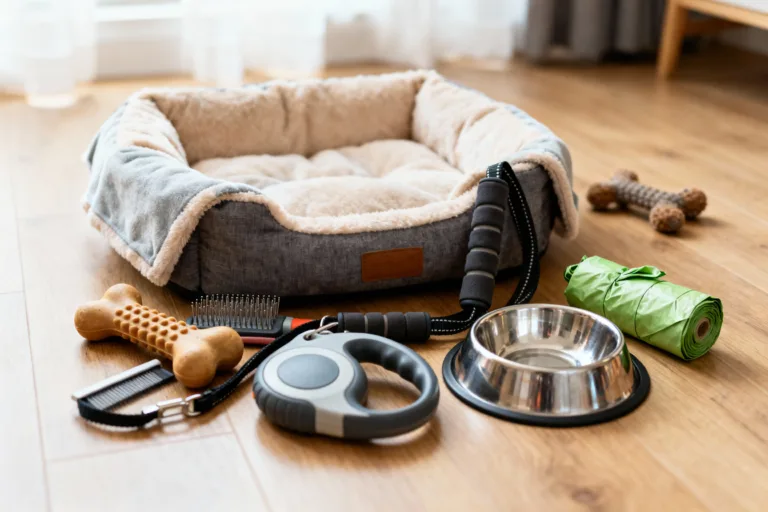
- No-pull front-clip harness for leverage.
- Standard 6-foot leash (ditch the retractable while training).
- Treat pouch to reward good choices fast.
Calm starts make calm walks.
Free Feeding and Treat Chaos
Bottomless bowls and constant snacks create picky eaters and waistlines shaped like loaves of bread. Also, training treats suddenly stop working when your dog gets them for existing.
Feed with purpose.
- Scheduled meals; pick up uneaten food after 15 minutes.
- Use part of their daily food for training reps.
- Reserve higher-value treats for hard stuff: recall, nail trims, guests.
Smart Treat Hierarchy
- Everyday kibble: easy cues at home.
- Soft training treats: new skills and moderate distractions.
- High value (chicken, cheese): tough environments, scary noises, recall.
Value goes up when scarcity exists, FYI.
Punishing What You Didn’t Teach
You yell when the dog jumps but never showed an alternative. You scold for chewing shoes but left them out. You punish accidents but never taught a potty cue. That’s not training—that’s venting.
Show the behavior you want, then pay for it.
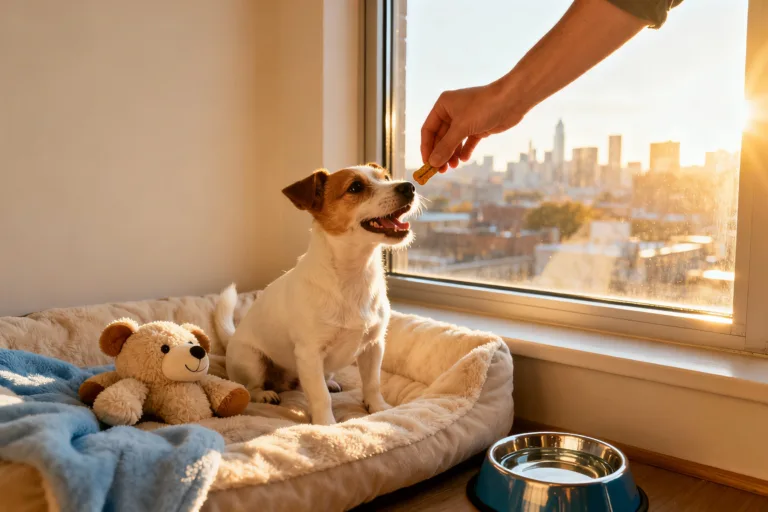
- Jumping? Teach “sit for greetings” and reward sits like crazy.
- Chewing? Provide 2-3 approved chew options and rotate them.
- Potty? Take them to the spot, say the cue, reward immediately.
IMO, positive reinforcement isn’t “soft.” It’s strategic.
FAQ
How much exercise does my dog really need?
It depends on age, breed, and temperament, but most dogs thrive with 45-90 minutes total split across the day. Mix physical and mental work: a brisk 20-minute walk, 10 minutes of training, and 10 minutes of scent games often beats one exhausting fetch session.
What’s the fastest way to stop jumping on guests?
Leash your dog before guests enter. Ask for a sit and reward like wild for calm butts-on-ground. If they pop up, step back and reset. Consistency with “sit to say hi” turns greetings into manners within a couple of weeks.
My dog “doesn’t like treats.” Now what?
Try softer, smellier options and reduce mealtime portions slightly so appetite helps. Use real food (chicken, turkey, cheese) at first, then fade to standard treats. Also, reward with play, praise, or access to sniffing—food isn’t the only paycheck.
Is crate training mean?
Not when you introduce it right. Make the crate a cozy den with treats and chews, feed meals inside, and keep doors open at first. Crates help with potty training, prevent destructive chewing, and give your dog a safe retreat. That’s kindness, not cruelty.
What do I do about resource guarding?
Don’t snatch items or chase. Trade up: approach, toss high-value food, and calmly exchange for the item. Work at a distance where your dog relaxes. For serious guarding or bites, bring in a qualified trainer or behaviorist—safety first.
When should I call a professional trainer?
If you see aggression, persistent anxiety, reactivity on walks, or regression despite effort, get help. A certified trainer (or veterinary behaviorist for complex cases) can customize a plan and save you months of frustration.
Wrapping It Up
You don’t need to be perfect; you just need to be consistent. Give your dog clear rules, meaningful exercise, and rewards for the good stuff. Watch their body language, set smart routines, and stop expecting them to magically “know better.” Do that, and you’ll have a calmer house, a happier dog, and yes—fewer chewed shoes.