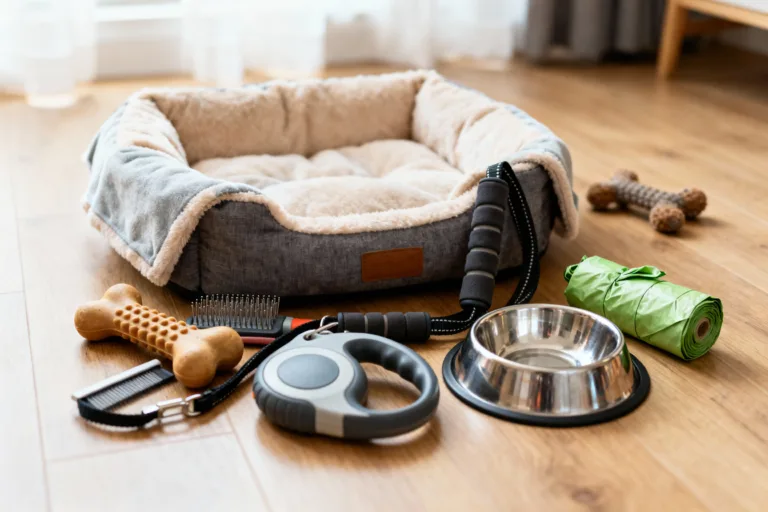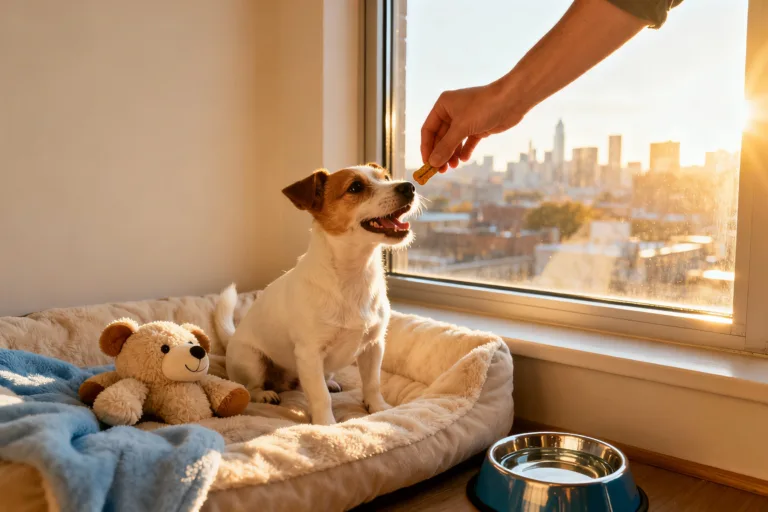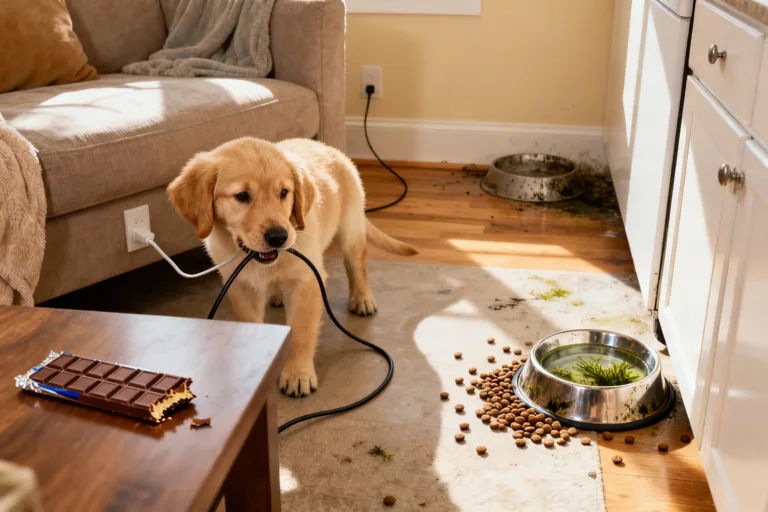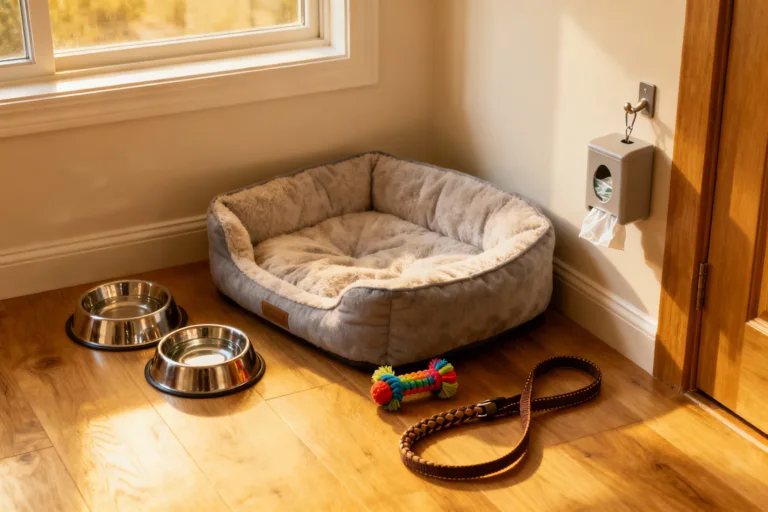
Your dog doesn’t need a boot camp schedule, but you do need a rhythm that keeps them happy, calm, and out of your shoe closet. A good daily routine gives your pup predictability, burns off energy, and sets clear expectations. Plus, it saves your sanity. Ready to build a routine that actually works at home? Let’s map it out.
Know Your Dog’s Natural Rhythm
Dogs run on patterns. They wake, stretch, sniff, eat, nap, and repeat. When you line up your schedule with your dog’s natural cycles, everything gets easier.
- Morning burst: Most dogs wake ready to move. Plan exercise or training, not just a quick pee.
- Midday slump: Perfect for naps, chew time, and calm enrichment.
- Evening reset: Lighter exercise, training refreshers, and wind-down time before bed.
Match Energy, Not Just Time
A husky and a senior pug don’t need the same plan. Adjust intensity, not just timing. High-energy dogs need longer activities; mellow or older pups need shorter, gentler sessions. FYI, puppies need both more naps and more short play bursts.
Build a Realistic Daily Schedule (That You’ll Actually Keep)
Consistency beats perfection. Pick anchor points you can reliably hit every day, then flex around them.
- Wake-up & potty (5–10 min): Go outside immediately. Keep it calm; save the party for later.
- Exercise or training (15–45 min): Walk, structured fetch, or training games. Morning movement = fewer zoomies later.
- Breakfast & water: Feed in a bowl or puzzle feeder to slow down and engage their brain.
- Calm downtime (1–2 hrs): Encourage rest in a crate, pen, or dog bed. Predictable nap time prevents clingy behavior.
- Midday potty & enrichment (10–20 min): Sniffy walk, snuffle mat, or a frozen lick mat.
- Afternoon nap: Yes, again. Dogs sleep a lot. Let them.
- Evening walk or play (20–40 min): Lighter than morning but still structured.
- Dinner & calm time: Training during meal prep beats counter-surfing. Then relax together.
- Pre-bed potty & settle routine: Short outing, lights down, chew toy, quiet praise.
Weekend vs. Weekday
Keep the framework the same. Shift activity length or location, but keep feeding, potty breaks, and sleep times consistent. Your Monday self will thank you.
Potty Breaks Without the Guessing Game
Accidents don’t come from “stubbornness”; they come from unclear timing or access. Set a potty rhythm that fits your dog’s age.
- Puppies: Every 2–3 hours, after naps, after play, after meals. Yes, a lot. It’s temporary.
- Adults: Every 4–6 hours, plus after meals and big play sessions.
- Seniors: More frequent breaks. Bladders age just like knees do.
Make the Outside “Pay”
When they finish, mark it with a cheery “Yes!” and give a treat or praise. You reinforce the behavior, and they learn: outside = bathroom, inside = chill.
Exercise: Burn Energy, Don’t Create Chaos
Tired does not equal wired. You want balanced exercise that drains energy and builds calm, not just frantic sprints.
- Structured walks: Mix sniffing segments with short heel sessions. Let them read the news, then practice focus.
- Fetch with rules: Sit to release, bring back, drop on cue. It’s cardio + brain work.
- Puzzle play: Hide-and-seek, scent games, scatter feed in the yard or a snuffle mat.
- Short training bursts: 5 minutes of sits, downs, recall, and place work can tire a dog more than a wild play session.
What If the Weather Stinks?
– Hallway fetch with sits between throws
– Tug with structured “take it” and “drop”
– DIY obstacle course with chairs and blankets
– Nose work: hide treats in boxes
– Lick mats or stuffed Kongs for calming focus
IMO, two quality sessions a day beats five chaotic ones.
Meals, Treats, and Mental Work
Food powers learning. Use it with purpose, not as a bribe dispenser.
- Scheduled meals: Stick to the same times. Predictability helps digestion and behavior.
- Use meals for training: Hand-feed part of breakfast for recalls, loose-leash skills, or impulse control.
- Puzzle feeders: Slow bowls, snuffle mats, and stuffed toys turn mealtime into a brain game.
- Treat rules: Keep treats bite-sized, soft, and consistent. Reserve the high-value stuff for challenging moments.
Chews = Quiet Time
Chews like bully sticks or nylon bones help dogs decompress. Always supervise and match chew type to your dog’s bite strength. Your coffee break just found a friend.
Training Weave: Tiny Reps, Big Wins
Training fits best in micro-sessions throughout the day. Think 2–5 minutes, not hour-long marathons.
- Morning: Name recall reps and leash manners before breakfast.
- Midday: Place/bed command while you work or cook.
- Evening: Threshold manners at doors, polite greetings, and a short trick session.
House Rules You Should Actually Teach
– Wait politely for the food bowl
– No door-dashing: sit and release
– Settle on a mat during meals or TV time
– Drop it and leave it (lifesavers, FYI)
Consistency > intensity. You teach these rules every day with tiny reps.
Rest, Boundaries, and Alone Time
Your dog needs naps. Like, a lot. Most dogs sleep 12–16 hours daily. Build downtime into the routine so they learn to self-soothe.
- Dedicated rest zones: Crate, pen, or a bed away from traffic.
- Alone-time practice: Start with 5–10 minutes daily even if you’re home. Prevents velcro-dog drama later.
- Wind-down cues: Dim lights, white noise, chew toy. Keep late-night play low-key.
Red Flags You Need More Structure
– Constant shadowing or whining when you move
– Zoomies at 10 p.m.
– Counter-surfing, shredding, or barking out windows
– Napping only when physically touching you
These usually ease when you add predictable exercise, brain work, and scheduled rest.
Troubleshooting and Tweaks
You won’t get it perfect on day one. That’s fine. Track what works and adjust.
- Log the basics: Meals, potty times, exercise, and mischief moments. Patterns jump out fast.
- Change one thing at a time: Increase morning exercise, switch to puzzle feeding, or add a midday sniff-walk. Then reassess.
- Mind the environment: Baby gates, window film, and toy rotation can solve half your problems.
- Ask for help: A positive reinforcement trainer can tighten up routines in a session or two. Worth it, IMO.
FAQ
How long should I exercise my dog each day?
It depends on age, breed, and health. Many adult dogs thrive with 60–90 minutes total, split into two sessions with a mix of walks, play, and training. High-drive breeds may need more mental work, not just longer runs. Seniors and puppies do best with shorter, more frequent bursts.
What if I work from home and my dog won’t settle?
Use a morning energy burn, then a food-based enrichment task in a crate or bed. Cue “place,” reward calm, and ignore attention-seeking. Schedule mini breaks every 60–90 minutes for potty and a quick sniff outside. Structure first, cuddles later.
Is free feeding a bad idea?
For most dogs, yes. Scheduled meals help with potty timing, training motivation, and weight control. Free feeding makes it hard to spot appetite changes that could signal health issues.
How do I stop late-night zoomies?
Front-load the day with exercise and brain work. Avoid high-arousal play after dinner. Do a short, calm evening walk and offer a chew. Keep the house quiet and dim an hour before bed—dogs notice the vibe.
Can I skip days if I’m busy?
You can scale, not skip. Shorten the walk, do a 5-minute training game, and offer a puzzle feeder. Consistency keeps behavior steady, even when life gets messy.
What’s the best first command for a new routine?
Recall (“come”) if you want the MVP, and “place” for daily sanity. With those two, you can redirect chaos and encourage calm anytime.
Conclusion
A solid dog routine isn’t a strict timetable; it’s a repeatable rhythm: move, eat, rest, think, bond, sleep. Keep your anchors steady, match activities to your dog’s energy, and sprinkle training throughout the day. Do that, and you’ll get a calmer dog, fewer headaches, and—bonus—your shoes might live to see another day.