You’re about to bring home a dog? Nice. Prepare for equal parts cuddles and chaos. This checklist will help you avoid the “oops, we forgot a leash” run to the pet store at 9 p.m. Think of it as your friendly, no-fuss setup guide so your new buddy settles in fast—and you keep your sanity.
Set Up the Safe Zone
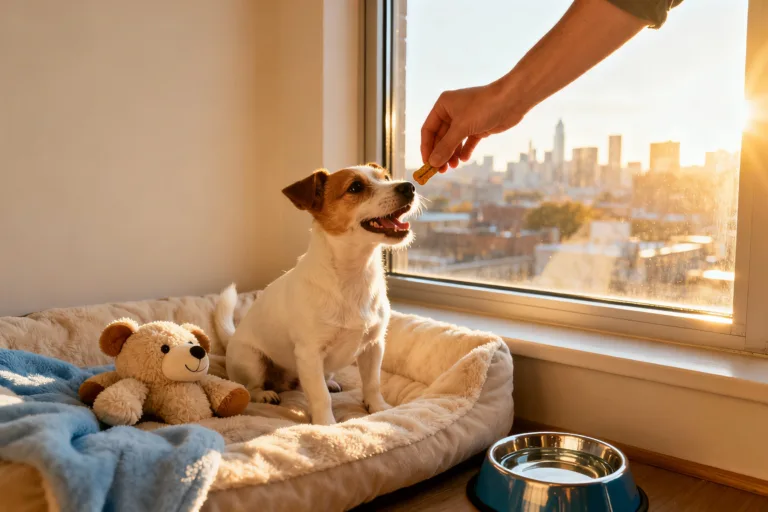
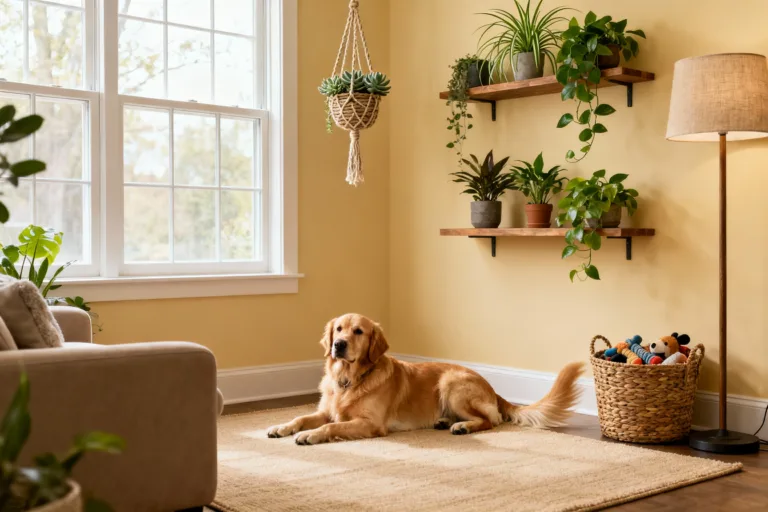
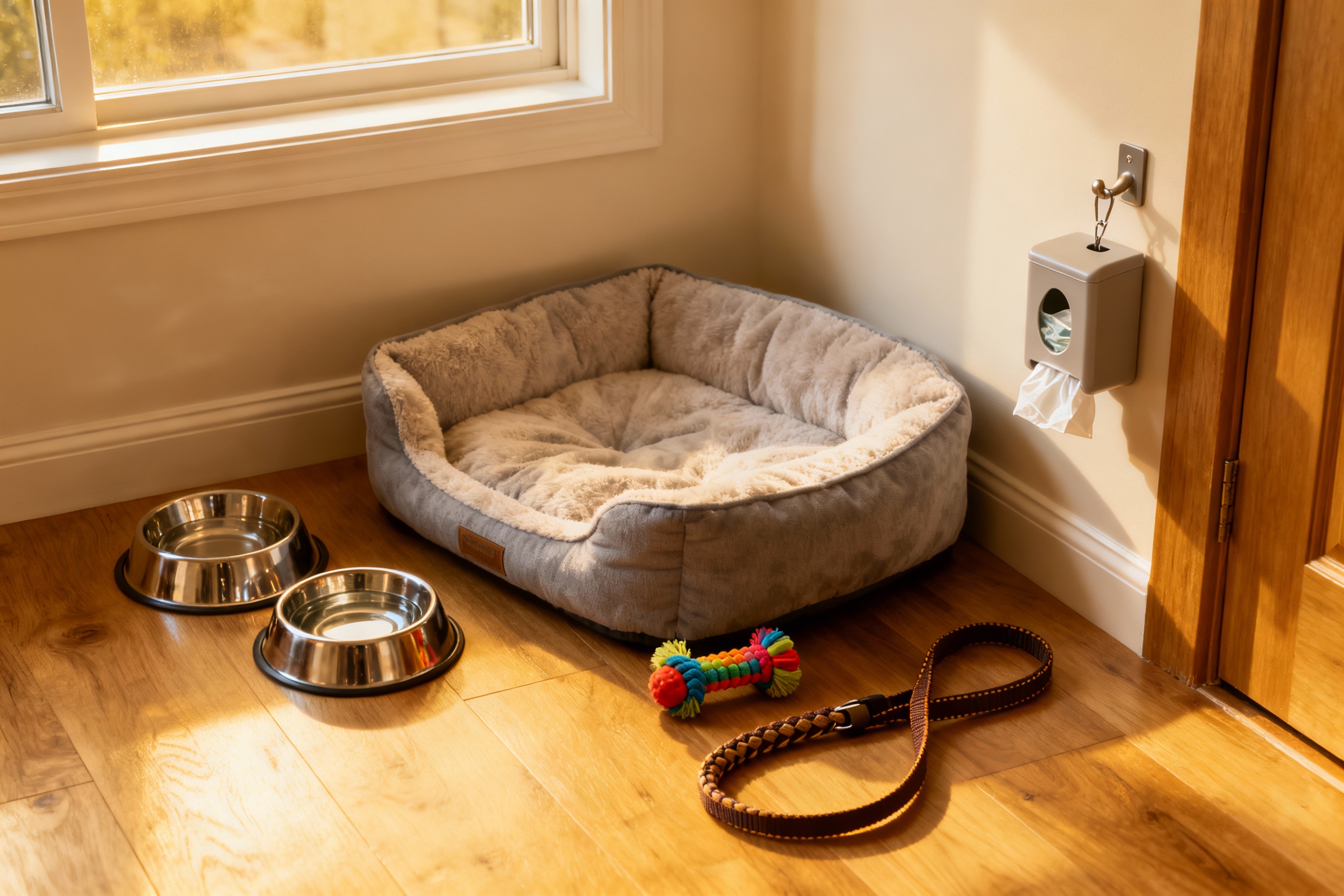
Your dog needs one spot that screams “my place.” It helps with anxiety, potty training, and those times you both need a break. Pick a quiet corner away from the front door.
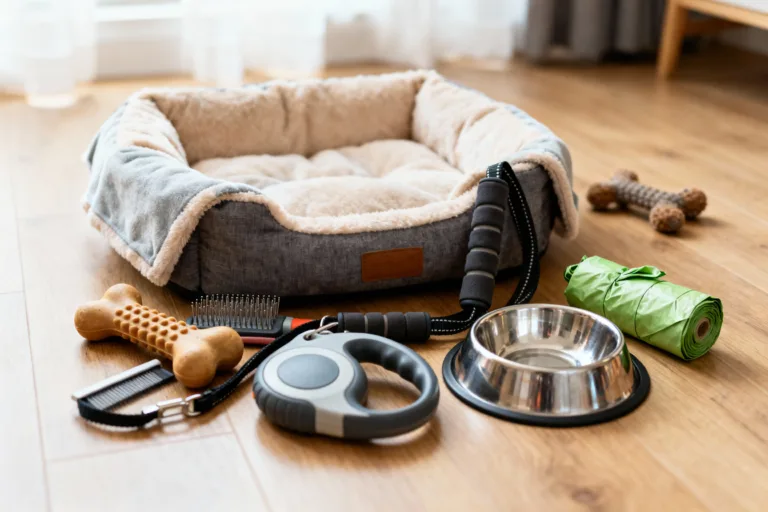
- Crate or pen: Get one big enough for your dog to stand, turn, and stretch. Add a comfy mat.
- Bed: Soft but washable. You will wash it. Frequently.
- Water station: Heavy bowl or spill-proof fountain. Hydration is non-negotiable.
- Chew toys: Give them something better than your shoes. Rotate toys to keep them interesting.
Crate Comfort 101
Make the crate a good thing. Toss in treats, feed meals inside, and keep the door open at first. Never use the crate as punishment, or your dog will treat it like a haunted house.
Food, Bowls, and a Simple Feeding Plan
You don’t need a boutique diet on day one. Start with what your rescue, breeder, or shelter used, then transition slowly if needed.
- High-quality food: Match life stage (puppy, adult, senior) and size.
- Two bowls: One for food, one for water. Stainless steel cleans easily and doesn’t hold smells.
- Measuring cup: Eyeballing turns into overfeeding. Dogs will never say no.
- Treats: Small, soft training treats. Think “pea-sized,” not “cookie-sized.”
Switching Food Without Drama
Transition over 7 days: 75/25 old/new, then 50/50, then 25/75. If your dog’s stomach protests, slow down. FYI: Sudden changes equal messy carpets.
Walk Gear That Actually Works
You’ll walk a lot. Make those walks safe and comfortable. The right gear prevents pulling, backing out of collars, and surprise squirrel incidents.
- Harness: Front-clip or Y-shaped harness fits better and reduces pulling.
- Leash: A simple 4–6 ft leash. Skip retractables at first—too much chaos, not enough control.
- ID tags: Include phone number and city. Keep it legible.
- Microchip check: Make sure it’s registered to you with current info.
- Poop bags: Lots of them. You’ll run out faster than you think.
Car Rides Without Nonsense
Use a crash-tested harness or secured crate. Dogs become “projectiles” in sudden stops, which is not the vibe. Add a car seat cover to save your upholstery and your soul.
Potty Plan and Cleaning Arsenal
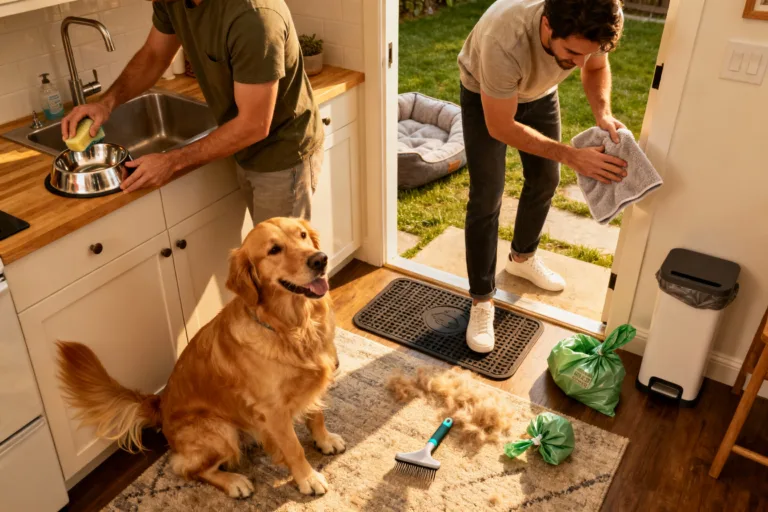
Accidents happen. You need a plan and products that actually work.
- Potty schedule: First thing in the morning, after meals, after naps, after play, and before bed.
- Designated spot: Take them to the same area so the smells cue them.
- Enzymatic cleaner: Removes odor so your dog doesn’t reuse the same “bathroom.”
- Puppy pads (optional): Use only if absolutely necessary and phase them out fast.
Reading the “I Gotta Go” Signals
Sniffing, circling, pacing, staring at the door, or sudden fussiness? That’s your cue. Move quickly and praise like they just won a medal when they go outside.
Training Basics You’ll Actually Use
You don’t need to be a dog guru. Start with clear, consistent cues and short sessions. Reward generously.
- Core cues: Name recognition, sit, down, come, leave it, wait.
- Clicker or marker word: Mark the exact moment they do the thing you like. Timing matters.
- High-value rewards: Tiny, tasty treats or a favorite toy.
- Short sessions: 3–5 minutes, a few times a day. Keep it fun.
House Rules From Day One
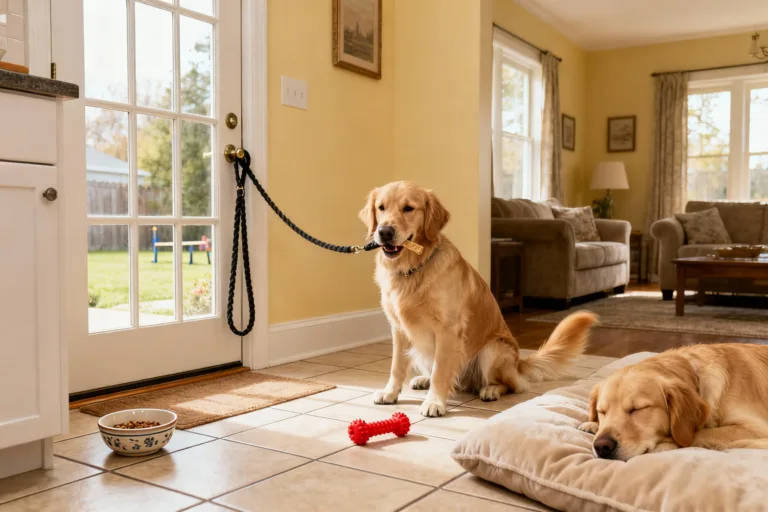
Decide now: couch or no couch, bed or no bed, kitchen boundaries. Dogs learn what you allow. If you waffle, they’ll set the rules. IMO, train for what your future self can live with.
Health, Grooming, and the Boring-but-Important Stuff
Future you will thank present you for setting up a simple care routine now.
- Vet appointment: Schedule a wellness check within the first week. Bring any records you have.
- Flea/tick and heartworm prevention: Ask your vet for the best option for your region.
- Grooming kit: Brush for coat type, nail clippers or grinder, dog shampoo, ear cleaner, toothbrush and dog toothpaste.
- First aid basics: Styptic powder, saline, tweezers, digital thermometer, and your vet’s emergency number.
- Insurance or savings: Choose one. Emergencies get expensive.
Nail Trims Without Tears
Go slow. Touch paw, treat. Hold paw, treat. Tap nail with clipper, treat. Build trust before cutting. Keep sessions short. You’ll both survive.
Enrichment and Alone-Time Training
A tired brain equals a calm dog. Prevent boredom and separation stress with daily mental work.
- Food puzzles: Stuffed Kongs, snuffle mats, slow feeders.
- Chews: Bully sticks, rubber chews, or vet-approved options. Supervise.
- Short absences: Practice leaving for 2–5 minutes, then stretch it out. Stay calm when you leave and return.
- Daily sniff time: Let your dog sniff on walks. It’s their version of reading the news.
Rainy-Day Energy Burners
Train a few tricks, play hide-and-seek with treats, or set up a mini obstacle course using chairs and blankets. Ten focused minutes beats an hour of hyper zoomies, FYI.
Dog-Proof Your Space
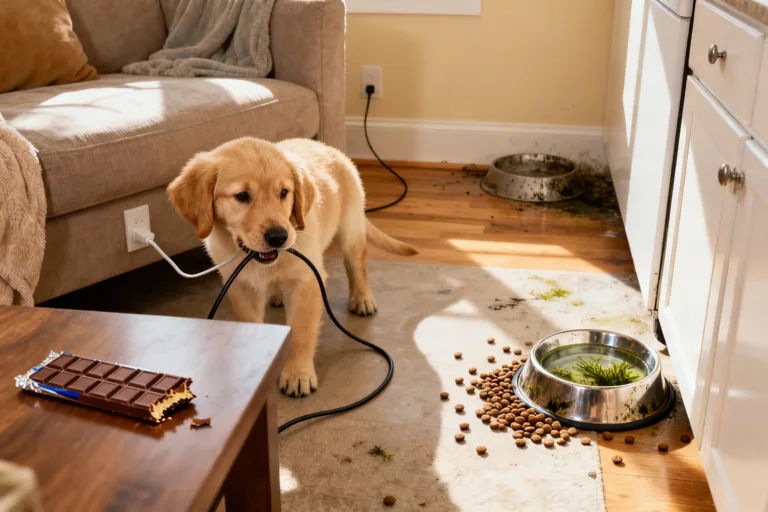
Your dog explores with their mouth. Remove the temptations and hazards before they arrive.
- Cables and chargers: Hide or cover them. Dogs love a spicy cable.
- Trash cans: Use lidded or cabinet bins. Kitchen “buffets” teach bad habits fast.
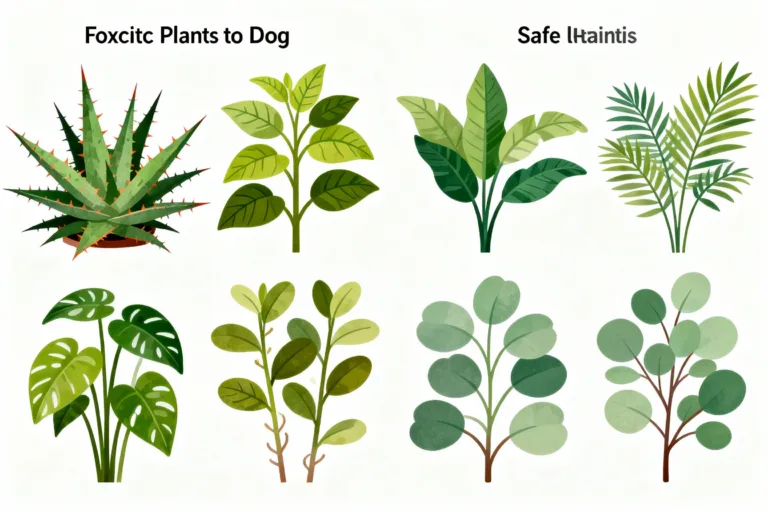
- Plants: Check toxicity. Keep pothos, lilies, sago palm, and aloe out of reach.
- Medications and cleaners: Store high and locked.
- Baby gates: Block stairs or off-limit rooms.
- Backyard scan: Check fence gaps, toxic plants, and escape routes. Remove mushrooms after rain.
Quick Shopping Checklist
Because you want to get in and out of the pet store like a pro.
- Crate or exercise pen + bed
- Food + treats + measuring cup
- Bowls (stainless) + water fountain optional
- Harness + 4–6 ft leash + ID tag
- Poop bags + holder
- Chew toys + puzzle feeders
- Enzymatic cleaner
- Grooming supplies (brush, shampoo, nail tool, toothbrush)
- First aid basics + vet contact + insurance/savings plan
- Baby gates or barriers
FAQ
How long does it take a new dog to settle in?
Expect the 3-3-3 guideline: about 3 days to decompress, 3 weeks to learn routines, and 3 months to fully feel at home. Be patient and consistent. Routine builds confidence fast.
Should I take time off work when I bring the dog home?
If you can, take 2–3 days to set routines and practice short separations. Don’t glue yourself to them 24/7—teach independence from day one so you don’t create separation anxiety by accident.
Do I need pet insurance right away?
IMO, yes or have an emergency fund ready. New environments can trigger tummy issues or accidents. Insurance or savings means you can say “yes” to care without panicking.
What vaccines and preventatives should I ask the vet about?
Ask about core vaccines (rabies, distemper/parvo), bordetella if you’ll do daycare or boarding, and region-specific stuff like leptospirosis or Lyme. Also set up heartworm and flea/tick prevention based on where you live.
How much exercise does my dog need?
It depends on age and breed, but most dogs do well with 60–90 minutes spread through the day—mix walks, play, and mental work. Puppies need short bursts plus lots of naps. Tired, not wiped out, is the goal.
What if my dog won’t eat at first?
Stress can curb appetite. Offer food on a schedule, keep mealtime calm, and try mixing in a bit of warm water or a spoon of wet food. If they refuse for 24–48 hours or seem unwell, call your vet.
Conclusion
You don’t need to be perfect—you just need a plan. Set up a cozy space, stock the basics, nail the routine, and sprinkle in training and enrichment. Do that, and you’ll have a happy dog, a cleaner house, and fewer “what now?” moments. New best friend unlocked.