Dry skin doesn’t just feel tight—it steals your glow, flakes under makeup, and laughs at your moisturizer by 3 p.m. The good news? You don’t need a 12-step routine or a trust fund to fix it. With the right ingredients and a smart sequence, you can calm the dryness, lock in hydration, and keep your skin comfy all day. Let’s build a routine that actually works—and won’t make your face feel like parchment paper.
Know Your Dry Skin: What’s Actually Going On?
Dry skin means your skin doesn’t produce enough oil and struggles to hold onto water. So it feels tight, looks dull, and can feel rough—sometimes itchy. Fun combo, right?
The fix isn’t just “more moisturizer.” You need to hydrate, then seal it. Think: water first, oil second. And yes, your cleanser matters more than you think.
Morning Routine: Gentle, Hydrating, and Fast
Keep mornings simple. Your skin needs comfort, not chaos.
- Cleanse (or don’t): Splash with lukewarm water or use a cream or milk cleanser if you need it. Avoid foaming gels that strip your skin.
- Hydrating toner or essence: Apply a glycerin, hyaluronic acid, or panthenol toner to pull water into your skin.
- Serum: Choose hyaluronic acid for hydration or niacinamide (2–5%) to support your barrier and reduce redness.
- Moisturizer: Go for a ceramide-rich cream with cholesterol and fatty acids. These mimic your skin’s natural barrier.
- Sunscreen: Dry skin LOVES moisturizing SPF creams. Look for SPF 30+ with added hydrators like squalane or glycerin.
Pro Tip: The Damp-Skin Trick
Apply your toner and serums to slightly damp skin. You’ll trap more moisture and use less product. Lazy but effective.
Night Routine: Repair Mode
Evenings are where you undo the day and rebuild your barrier. Cozy, right?
- Gentle cleanse: If you wear makeup or sunscreen, do a balm or oil cleanse, then a creamy cleanser. If not, just your cream cleanser is fine.
- Hydrating layers: Use the same toner/essence and a hydrating serum. Keep it consistent—your skin loves routine.
- Actives (optional, 2–4 nights/week): If you use a retinoid, buffer it by applying moisturizer first, then retinoid, then another thin moisturizer layer.
- Moisturizer: Thicker than your morning one. Look for ceramides, shea butter, squalane, or urea (2–5%) for extra smoothness.
- Slugging (sometimes): Add a thin layer of petrolatum or occlusive balm over moisturizer on extra-dry nights. Not nightly, and not over strong actives.
What About Retinoids for Dry Skin?
You can use them, just play it smart. Start 1–2x/week, buffer with moisturizer, and pick gentler forms like retinal or granactive retinoid if you’re flaky. If your skin gets angry, scale back. You’re not in a race.
Ingredients Dry Skin Adores (and a Few to Side-Eye)
Friends with benefits:
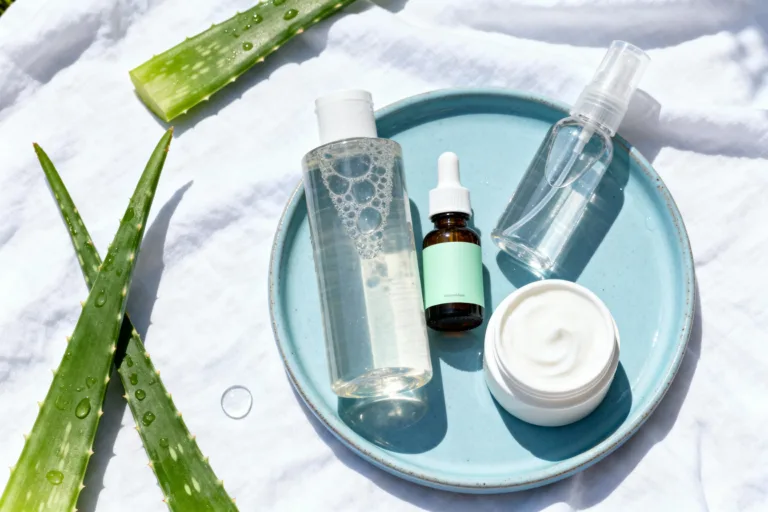
- Humectants: Hyaluronic acid, glycerin, aloe, panthenol—pull water into the skin.
- Emollients: Squalane, shea butter, triglycerides—smooth and soften.
- Occlusives: Petrolatum, lanolin, beeswax—lock moisture in.
- Barrier builders: Ceramides, cholesterol, fatty acids—restore your skin’s “mortar.”
- Mild exfoliants: Lactic acid (5–10%) or urea (5–10%)—exfoliate and hydrate at the same time.
Proceed with caution:
- Strong foaming cleansers with high SLS: strip your skin’s oils.
- High-strength acids daily: can wreck your barrier.
- Fragrance-heavy products if you’re sensitive: not worth the itch.
How to Layer Without Confusing Your Face
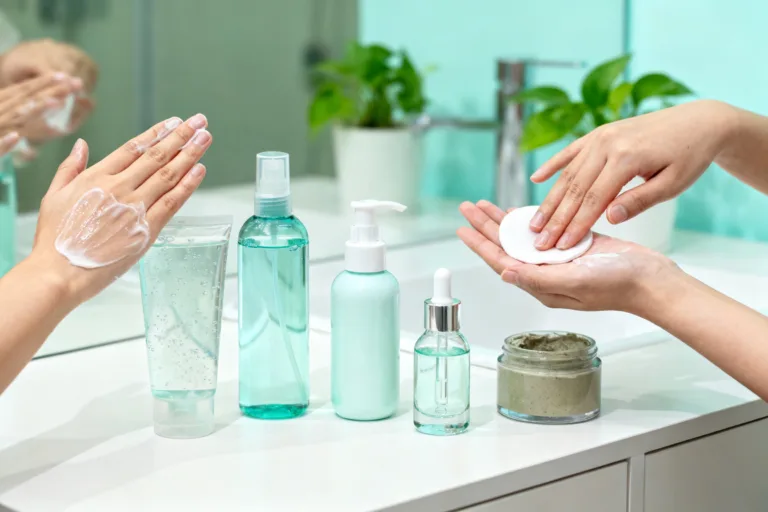
Go from thinnest to thickest: cleanser → toner/essence → serum → moisturizer → sunscreen (AM). At night, actives slip in before or after moisturizer depending on your tolerance. If a product pills, you used too much or layered too fast—give it a minute between steps.
Weekly Upgrades: Exfoliate and Mask Like a Pro
Dry skin builds up flaky dead cells that block moisturizers. You want gentle, not harsh.
- Exfoliate 1–2x/week: Choose a lactic acid toner (5–10%) or a 2–5% urea lotion. Skip scrubs that feel like sandpaper.
- Hydrating mask 1–3x/week: Look for aloe, beta-glucan, panthenol, glycerin. Leave-on masks work great if you hate rinsing.
- Sheet masks: Fun, fast, and effective—just seal them with a cream after.
Signs You Overdid It
Tightness, stinging, or shiny-but-parched skin = barrier drama. Pause acids and retinoids, use a bland routine (cleanser, hydrating toner, ceramide moisturizer, SPF), and add an occlusive at night until calm returns.
Lifestyle Tweaks That Actually Help
Small changes make a big difference, especially in colder months.
- Use a humidifier: Especially in winter or if you love blasting heaters. Aim for 40–50% humidity.
- Short, lukewarm showers: Hot water feels amazing but steals your oils. Rude.
- Pat, don’t rub: Towel off gently and moisturize within 2–3 minutes of showering.
- Mind your fabrics: Choose soft pillowcases and scarves; wool can irritate cheeks and neck.
- Hydration and diet: Water helps overall, but skin loves healthy fats (salmon, avocado, nuts) and a steady routine. FYI: caffeine and alcohol can dehydrate—balance them out.
Build-Your-Own Routine (Simple, Affordable, Effective)
Not into product overload? Cool. Here’s a simple setup that works.
AM
- Creamy cleanser (or rinse)
- Hydrating toner or essence
- Hyaluronic acid or niacinamide serum
- Ceramide moisturizer
- Moisturizing SPF 30+
PM
- Oil/balm cleanse if wearing makeup/SPF, then creamy cleanser
- Hydrating toner
- Optional retinoid 2–4x/week (buffered)
- Rich moisturizer
- Thin occlusive layer on extra-dry areas (as needed)
If You Want to Level Up
– Add a lactic acid toner 1x/week.
– Try a urea-based moisturizer at night.
– Use a hydrating mask before events for instant glow. IMO, beta-glucan masks are underrated.
FAQ
Do I really need both a toner and a serum?
You don’t need both, but they play different roles. A hydrating toner quickly floods the skin with water, while a serum delivers targeted ingredients in higher concentrations. If budget or time is tight, pick one great hydrating step and move on.
Can oily skin feel dry too?
Yes—your skin can feel dehydrated (lacking water) while still making oil. In that case, use lightweight humectants and gel-cream moisturizers. For true dry skin (low oil), you need richer creams and occlusives to seal everything in.
What’s the best sunscreen for dry skin?
Choose a cream-based SPF with hydrators like glycerin, squalane, or hyaluronic acid. Mineral or chemical filters both work—just pick the one your skin likes. If SPF pills under makeup, try fewer layers or let your moisturizer set first.
How long until I see results?
Hydration boosts show up immediately. Barrier improvements take 2–4 weeks with consistent ceramides and gentle care. If you add retinoids, give it a few months for texture and tone benefits. Skincare is a marathon, not a microwave.
Is “slugging” safe for acne-prone skin?
You can slug selectively—just on dry zones. Petrolatum itself isn’t pore-clogging, but sealing in heavy layers over congested areas can backfire. Try a light occlusive or squalane instead if you break out easily. FYI, skip slugging over strong acids or retinoids if you’re irritated.
Do I need to switch products seasonally?
Probably. Winter air sucks moisture out of your face, so use richer creams and more occlusives. In summer, swap to lighter textures but keep the hydration and ceramides. Your skin’s needs change; your routine can, too.
Bottom Line: Comfort First, Glow Second
Dry skin thrives on gentle cleansing, smart hydration, and sealing it all in. Build your routine around humectants + ceramides + occlusives, and sprinkle in mild exfoliation and retinoids only when your barrier feels happy. Keep it simple, stay consistent, and listen to your face—because IMO, comfortable skin always looks better than overtreated skin.