You want better skin without adding 47 steps to your morning routine or selling your soul to a serum? Same. Let’s cut through the fluff and talk about easy, daily habits that actually help your skin do its thing. No miracle claims, no weird potions—just simple tweaks that add up. Ready to glow without trying too hard?
Hydrate Like You Mean It
Water helps your skin look plumper, calmer, and less “I stayed up till 2 a.m.” Your skin cells need hydration to function, and your moisture barrier loves consistency.
- Drink consistently, not in heroic chugs. Keep a bottle nearby and sip throughout the day.
- Electrolytes help if you sweat a lot or drink coffee like it’s a sport. You can add a pinch of salt and lemon to water—cheap and cheerful.
- Load up on water-rich foods like cucumbers, berries, and oranges. Snacks that multitask? Yes, please.
Pro tip: Pair water with healthy fats
Hydration inside + fats (like avocado, olive oil, nuts) = smoother, more elastic skin. Your cells need lipids to lock in moisture. FYI, this matters way more than another “hydrating” mist.
Cleanse Smarter, Not Harsher
If your cleanser makes your face feel squeaky, that’s not a flex. That’s your barrier crying. A gentle cleanse keeps your microbiome happy, which reduces redness and flare-ups.
- Use a pH-balanced, sulfate-free cleanser. Aim for a soft, non-stripping feel.
- Double cleanse at night if you wear sunscreen or makeup: cleansing balm/oil first, then a gentle gel or cream cleanser.
- Morning cleanse? Optional. Splash with water or use a milk cleanser if you feel oily.
How to tell if your cleanser works
Your skin should feel calm, not tight. If you need to apply moisturizer immediately to stop the sting, switch cleansers. IMO, your cleanser should be boring and reliable—like a good roommate.
Moisturize With Purpose
Your skin barrier will make or break your glow. Keep it strong with the right combo of hydrators, humectants, and occlusives.
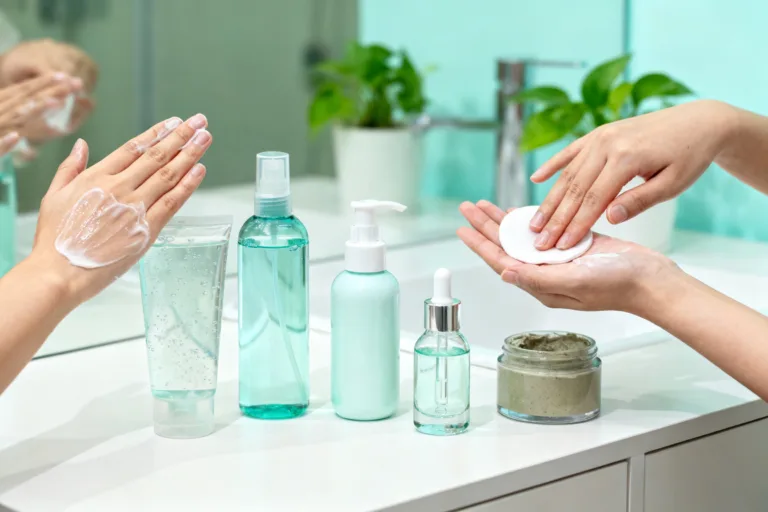
- Layer light to rich: hydrating toner/essence → serum → moisturizer → oil (optional).
- Look for barrier MVPs: ceramides, glycerin, hyaluronic acid, squalane, and niacinamide.
- Adjust with the weather. Heavier cream in winter, gel-cream in summer. Skin has seasons too.
The “slugging” question
Slugging (sealing with a petrolatum layer at night) can help super dry or irritated skin. But skip it if you’re acne-prone or live in humidity. Test on small areas first. Your pillowcase will never forgive you, but your skin might.
Sunscreen: The Non-Negotiable
Daily sunscreen = fewer fine lines, less hyperpigmentation, cleaner texture. No “but I’m inside” excuses—UV rays find you at windows, during errands, and on cloudy days.
- Use SPF 30+ every morning. Reapply every 2-3 hours if you’re outside.
- Two-finger rule: Enough for face and neck. Ears, too. They age, sadly.
- Mineral vs chemical? Sensitive skin often prefers mineral. Darker tones may prefer modern chemical filters for no white cast.
Reapply without ruining makeup
Use a sunscreen stick, cushion compact, or mist (layer generously). Or reapply with a damp sponge and a lightweight SPF. Problem solved.
Eat For Skin, Not Just Aesthetics
Your skin is an organ, not wallpaper. Feed it like one. A colorful, balanced plate directly supports collagen, elasticity, and calmness.
- Antioxidants: berries, leafy greens, tomatoes, citrus. They fight oxidative stress aka the stuff that dulls your glow.
- Omega-3s: salmon, sardines, walnuts, flax. They reduce inflammation and improve moisture retention.
- Protein: collagen needs building blocks—aim for lean meats, legumes, tofu, eggs.
- Cut back on ultra-processed foods and added sugars when you can. They can trigger inflammation and breakouts.
What about supplements?
You can try omega-3s, vitamin D (if low), and maybe collagen peptides. Useful, not magical. Food first, supplements as support. IMO, consistency beats hype every time.
Sleep Like You Mean It
Beauty sleep sounds cheesy, but your skin repairs at night. Shortchange sleep and you’ll see it—dullness, puffiness, breakouts, drama.
- 7–9 hours. Period. Your skin uses this time to rebuild collagen and fix barrier damage.
- Keep it cool and dark. Lower temps reduce inflammation and improve quality.
- Silk or satin pillowcase to reduce friction and hairline breakouts.
Night routine that actually helps
– Cleanse gently
– Hydrating serum or essence
– Moisturizer that suits your climate
– Retinoid (a few nights per week if your skin tolerates it)
Retinoids boost cell turnover and collagen. Start low, go slow, and buffer with moisturizer.
Move Your Body, Calm Your Mind
Stress and stagnation show up in your skin as inflammation, acne, or flare-ups. Movement and stress management keep hormones and circulation in check.
- Exercise 3–5 times a week. Even brisk walks count. Improved blood flow = better nutrient delivery to skin.
- Rinse sweat ASAP. Don’t let bacteria party on your face and back. Quick shower saves you later.
- Stress tools: breathwork, journaling, therapy, five-minute meditation. Small habits, big payoff.
Hormones and your skin
Tracking your cycle or stress spikes can help predict breakouts. Adjust your routine around those days—use a gentle exfoliant, avoid new actives, and keep things calm.
Simplify Your Routine (Your Skin Will Thank You)
More products rarely mean better skin. Over-exfoliating and mixing too many actives can wreck your barrier.
- Core routine: cleanser, moisturizer, sunscreen. That’s your base.
- Add-ons with intention: retinoid for aging/acne; vitamin C for dullness and spots; azelaic acid for redness and texture.
- Exfoliate 1–2x weekly. Choose one: AHA/BHA or a gentle enzyme. Overdoing it equals flakes and irritation.
FAQs
Do I really need sunscreen if I work from home?
Yes. UVA rays come through windows and contribute to aging and pigmentation. A light, comfortable SPF every morning keeps your long game strong. Reapply if you sit near bright windows or head outside.
What’s the best diet for clear skin?
There’s no single “best,” but patterns help. Emphasize whole foods, antioxidants, omega-3s, and adequate protein. Notice personal triggers—some people break out with high dairy or sugar. Keep a simple food-skin diary for two weeks. FYI, hydration and fiber matter more than you think.
How long until I see results from new habits?
Give it 4–8 weeks. Skin cell turnover takes time. You’ll notice hydration and glow faster (days), while texture and hyperpigmentation need patience. Consistency wins. No one-off miracle days here.
Can I use retinoids with vitamin C?
Yes, but introduce slowly and separate if you’re sensitive. Many people use vitamin C in the morning and retinoids at night. Watch for irritation and buffer with moisturizer if needed. Your face should feel slightly challenged, not roasted.
Is “natural” always better?
Nope. Natural doesn’t equal safer, and synthetic doesn’t equal scary. Look for well-formulated, gentle products that suit your skin type. Patch test everything, especially essential-oil-heavy products—they can irritate.
How do I know my skin barrier is damaged?
Signs include tightness, stinging, redness, flakes, and products suddenly burning. Pause strong actives, switch to a gentle cleanser, and load up on barrier-repair ingredients (ceramides, cholesterol, fatty acids). Keep it simple for two weeks.
Conclusion
Better skin doesn’t require a 12-step routine or mythical ingredients. Nail the basics: hydrate, cleanse gently, moisturize smart, wear sunscreen, eat well, sleep deeply, move often, and chill out. Then layer in targeted actives with intention. Keep it simple, stay consistent, and IMO, your skin will return the favor—quietly, steadily, without drama.