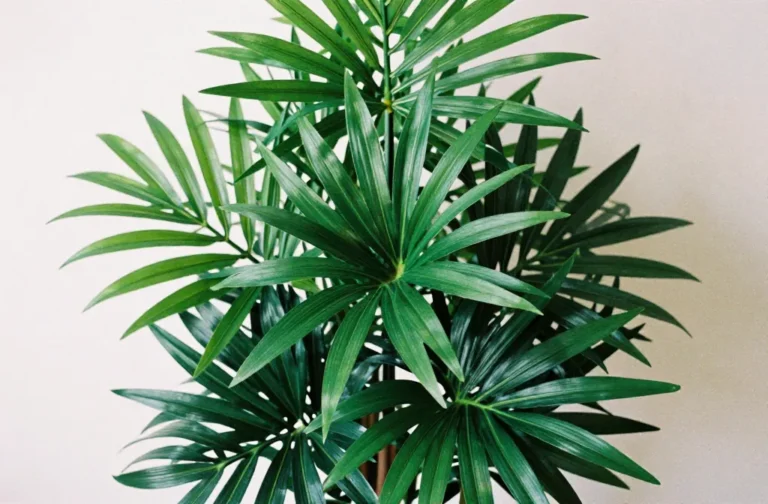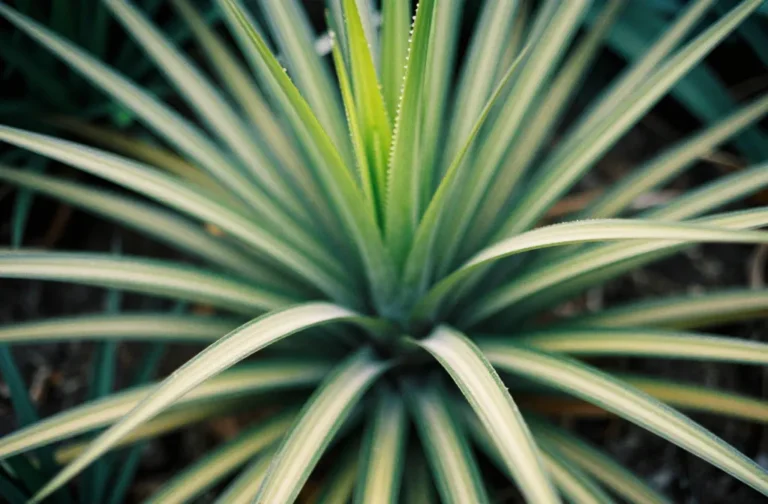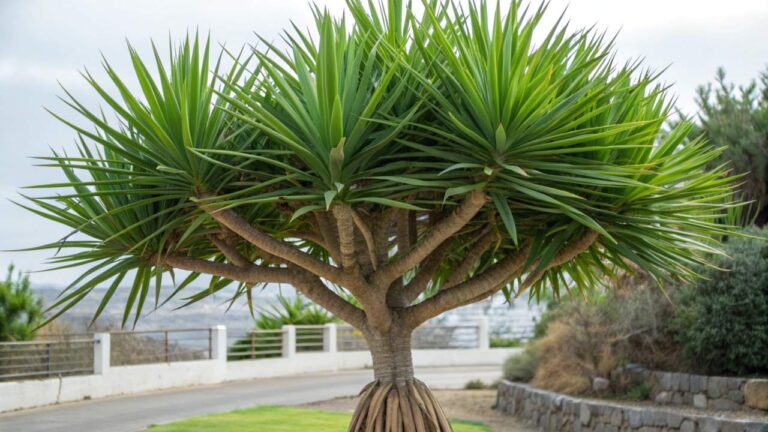
Want an easygoing plant that looks like a mini palm tree and forgives your questionable watering schedule? Meet the dracaena corn plant. It serves lush, tropical vibes without asking for diva-level care. You give it bright-ish light, a drink now and then, and it basically rewards you with tall, glossy leaves for years. Low drama, high payoff—exactly how houseplants should be.
Meet the Dracaena Corn Plant (and Why It Rules)
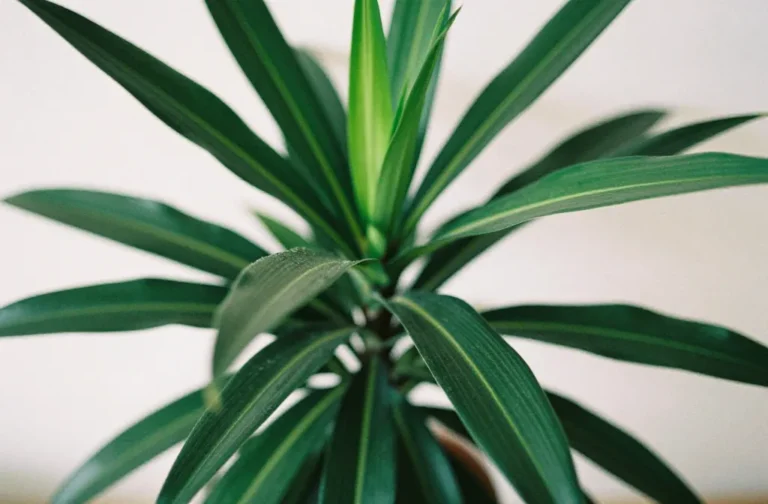
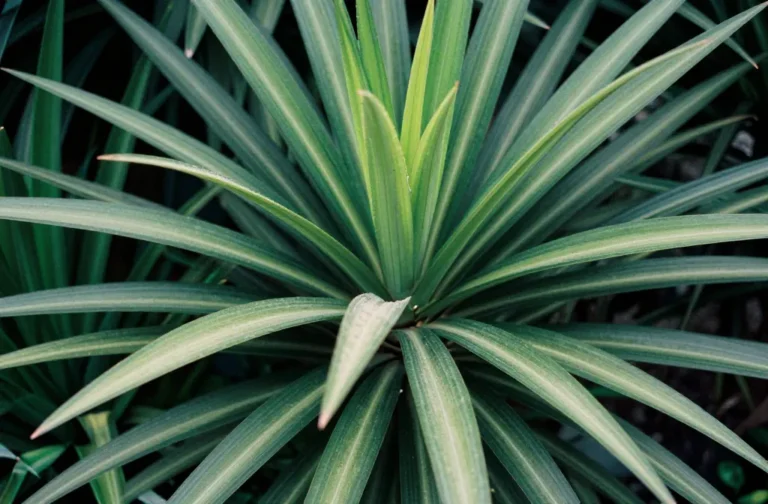
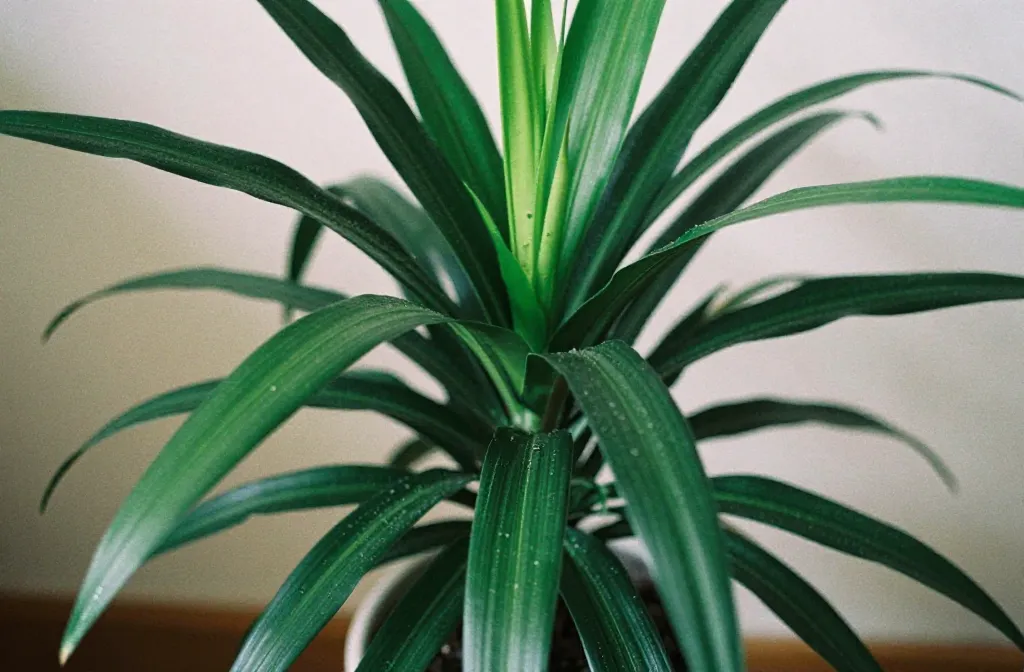
The dracaena corn plant (Dracaena fragrans) earned its name because the leaves resemble corn stalks. It grows on a woody cane and tops out indoors at about 4–6 feet, sometimes more if you let it. Think “statement plant” without constant supervision.
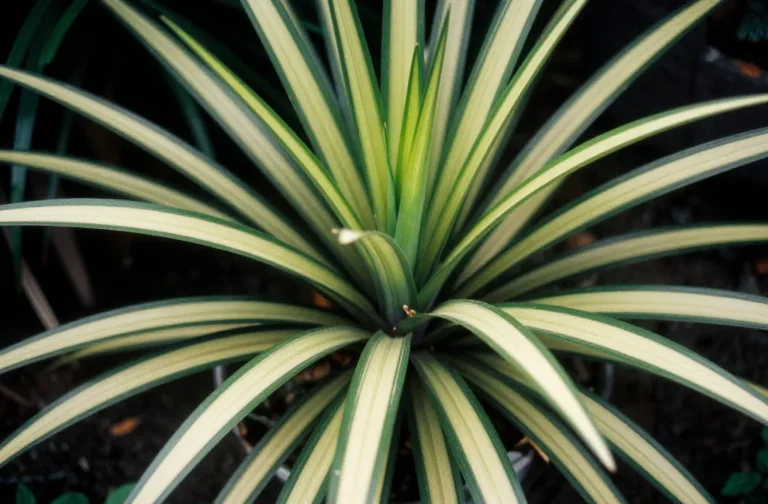
You’ll see a few varieties:
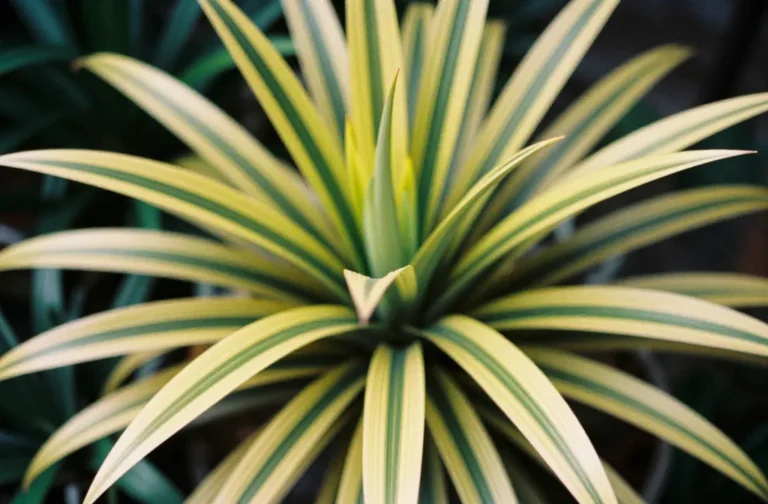
- Massangeana – green leaves with a lime-yellow stripe down the center (the classic)
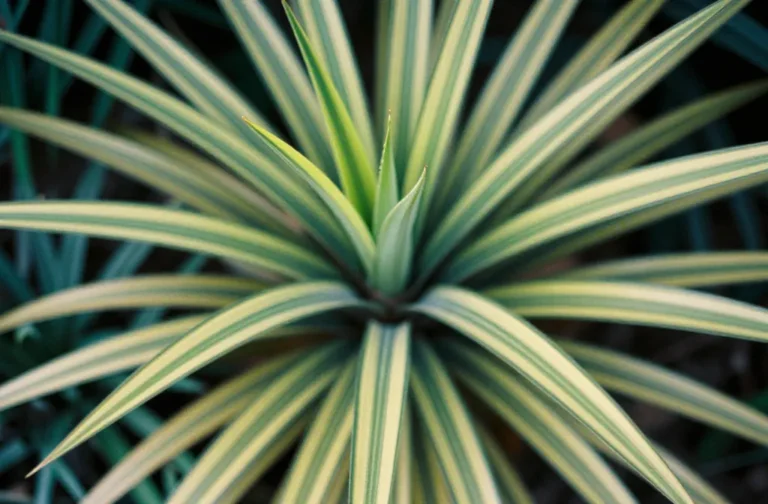
- Lindenii – bold cream edges with green centers
- Compacta – tighter rosettes, slower growth, more formal vibes
Want a plant that handles low-ish light, occasional neglect, and still looks chic? IMO, this one’s top tier.
Light: Bright but Not Blinding
Dracaena corn plants love bright, indirect light. Near a window with filtered sun works perfectly. East or north windows are ideal. South or west windows can also work if you soften the light with a sheer curtain.
What if your home is not a greenhouse? It’ll live in lower light but will grow slower and may look a little leggy. That’s fine if you like the tall, sculptural look. Just skip direct midday sun—those leaves burn faster than a marshmallow over a campfire.
Signs Your Light Is Off
- Too little light: slow growth, pale leaves, stretched spacing between leaves
- Too much direct sun: crispy brown patches and faded leaf color
Watering: Less Is More
You know how some plants gasp if you miss one watering? Not this one. Let the top 1–2 inches of soil dry before you water again. Stick your finger in the soil (yes, the old-school method works), or use a moisture meter if you prefer gadgets.
When you do water, do it thoroughly. Let excess drain out—no soggy feet. Dracaenas hate sitting in water more than cats hate bathtime.
Hard Water and Fluoride, FYI
Dracaenas can get brown tips from fluoride or salts in tap water. If your tap water runs hard, try:
- Filtered or distilled water
- Rainwater if you have a clean setup
- Let tap water sit overnight to let some stuff off-gas (helps a bit)
Soil and Potting: Keep It Light and Airy
You want a potting mix that drains well but still holds some moisture. A simple recipe:
- 2 parts all-purpose indoor potting mix
- 1 part perlite or pumice for aeration
- Optional: a handful of orchid bark for extra chunk
Choose a pot with drainage holes—non-negotiable. Repot every 2–3 years or when roots circle the pot and water rushes straight through. Go up one pot size, not five. Bigger isn’t better here—just leads to soggy soil and sulking roots.
Dealing With Tall Canes
Got a plant that’s getting too tall? You can chop and prop. Cut the cane a few inches below the leaves, and new growth will sprout from the stump. Root the top in water or moist soil. Boom: two plants, zero drama.
Temperature and Humidity: Comfortable House, Happy Plant
Corn plants like normal indoor temps—65–80°F is the sweet spot. Keep it away from AC blasts, heaters, and drafty doors. Sudden temperature swings throw it off.
Humidity-wise, it doesn’t need rainforest levels, but it appreciates a boost. If your air runs dry:
- Group plants together
- Use a pebble tray with water (plant on top, not sitting in water)
- Run a small humidifier if your skin also feels like parchment
Feeding and Growth: Slow and Steady Wins
In spring and summer, feed with a balanced, diluted liquid fertilizer every 4–6 weeks. Go half-strength. Dracaenas don’t need heavy feeding, and too much just burns roots.
In fall and winter, skip fertilizer and let it chill. Growth naturally slows, and your plant won’t use the extra nutrients anyway. It’s like carb-loading before a nap—pointless.
Pruning for Shape
Want a fuller look? Trim the tops to encourage branching. Wipe blades with alcohol first. You can also remove lower leaves as they age to reveal that clean cane-and-tuft silhouette.
Common Problems (and Quick Fixes)
Don’t panic—most issues have simple solutions.
- Brown tips: often from low humidity, fluoride, or underwatering. Increase humidity, adjust watering, and try filtered water.
- Yellowing leaves: usually overwatering. Check drainage and let the soil dry more between waterings.
- Droopy leaves: can signal underwatering or cold drafts. Check soil moisture and move away from air vents.
- Leaf spots or mushy stems: possible root rot. Trim damaged roots, repot in fresh, airy mix, and water less.
Pests You Might See
Mealybugs, spider mites, and scale occasionally show up uninvited. Treat with:
- Neem oil or insecticidal soap weekly until you see no pests for two weeks
- Rubbing alcohol on a cotton swab for mealybugs and scale clusters
- Shower rinse to knock off mites (leaf undersides, please)
Keep leaves dust-free with a soft cloth so pests don’t throw a party and light can actually hit the leaves.
Pet Safety and Placement
Dracaenas are toxic to cats and dogs if chewed. You won’t enjoy the resulting vet bill (or the mess), so place it out of reach. Tall floor planters, plant stands, or rooms your pets avoid work well.
Where should you put it? Corn plants make a killer impression in living rooms, entryways, and bedrooms with good light. They also handle office lighting like champs. Just don’t tuck it in a dark corner and expect miracles.
FAQ
How often should I water my dracaena corn plant?
Water when the top 1–2 inches of soil dry out—usually every 1–2 weeks, depending on light, pot size, and season. In brighter light and warmer months, it drinks faster. In winter, it slows down. Always check the soil instead of the calendar.
Why are the leaf tips turning brown?
Likely fluoride or salts in tap water, low humidity, or inconsistent watering. Switch to filtered or distilled water, bump humidity a bit, and keep a steady watering routine. Trim browned tips with clean scissors if they bug you.
Can it live in low light?
Yes, but manage expectations. It will survive and look fine, just grow slower and possibly stretch. For fuller growth and better color, give it bright, indirect light. FYI, variegated types need more light to maintain their stripes.
When should I repot?
Every 2–3 years or when roots coil tightly and water zips through the pot. Spring is best, but if the plant looks stressed from root crowding, you can repot sooner. Go up one size and refresh the soil.
Is my plant dying if old leaves yellow?
Not necessarily. Old lower leaves naturally age and yellow as the plant grows taller. If many leaves turn yellow at once, check for overwatering or poor drainage. Otherwise, it’s just the plant redecorating itself.
Can I propagate my dracaena?
Absolutely. Take a cane cutting with a few nodes, root it in water or moist soil, and keep it warm and bright (no direct sun). New roots form in a few weeks. It’s one of the easiest plants to multiply—free plants, anyone?
Wrapping It Up
The dracaena corn plant gives you big, tropical energy with minimal fuss. Keep the light bright but indirect, water when the top soil dries, and use a well-draining mix. Watch for fluoride sensitivity and give it a humidity nudge if your air feels dry. Do that, and you’ll get a tall, glossy, room-transforming statement plant—no green thumb flex required, IMO.