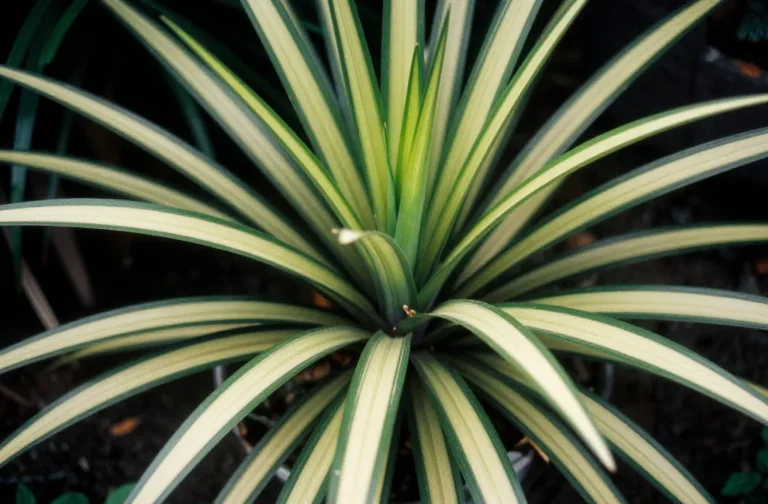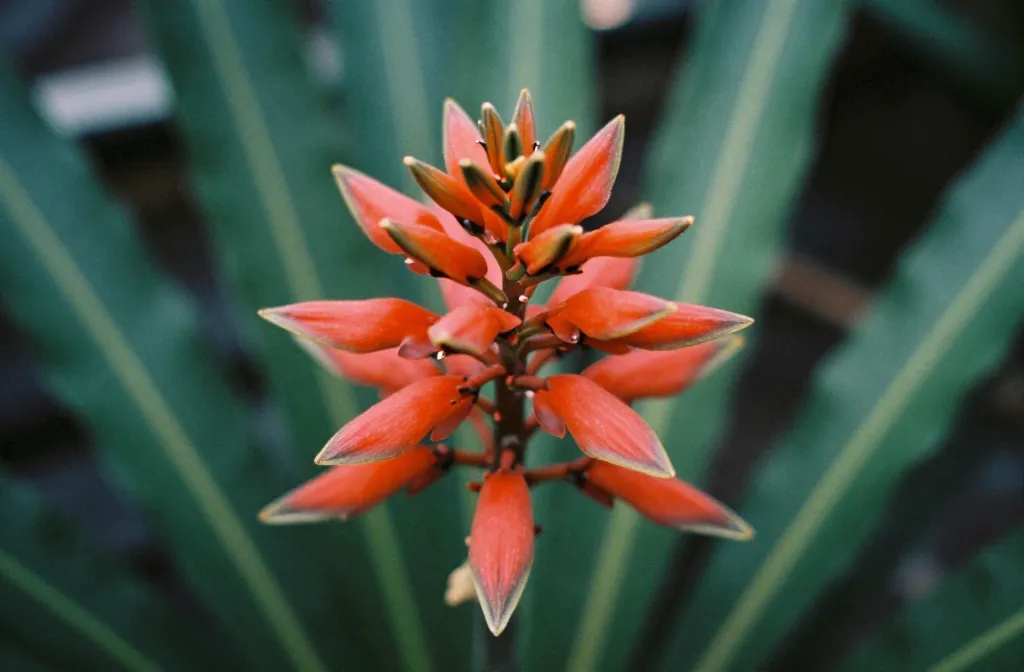
Your dracaena can bloom indoors. Yes, the “just foliage” plant. The flowers look like fireworks crossed with tiny alien pom-poms, and they smell like a candy shop at night. But here’s the catch: it blooms when it wants, not when you want. Let’s stack the odds in your favor and talk timing, triggers, and how to enjoy the show without losing your mind.
What a Dracaena Flower Actually Looks (and Smells) Like
Dracaena flowers appear as long, arching stalks covered in clusters of small starry blooms. They can be creamy white, pale pink, or even greenish. Some varieties stretch into long, wand-like panicles that look dramatic against those sword-like leaves.
The scent? Powerful, sweet, and strongest at night. Think jasmine and honey vibes. Lovely in small doses, overwhelming in a studio apartment. FYI, you can cut the flower stalk if the scent gets too intense—no harm done.
When Do Dracaenas Bloom Indoors?
Here’s the honest truth: they bloom unpredictably. Many plants won’t flower for years, then suddenly throw a party like it’s 1999. Most blooms happen in spring or early summer, when days get longer and the plant senses a growth push.
That said, several houseplant-friendly species bloom indoors:
- Dracaena fragrans (corn plant): Most likely to bloom; famous for the night fragrance.
- Dracaena deremensis (like ‘Janet Craig’, ‘Warneckii’): Can bloom, but rarely indoors.
- Dracaena reflexa (song of India): Possible, but also rare in typical home light.
IMO, if you want blooms, fragrans gives you the best shot.
What Triggers Blooming? The Secret Sauce
No single trick guarantees flowers, but several factors increase your odds. Think of it like convincing a picky cat to sit on your lap.
- Age and maturity: Older, well-established plants bloom more. A 2-foot young plant? Probably not yet. A 5–6 foot veteran? Now we’re talking.
- Bright, indirect light: East or bright north windows work; filtered south light can shine too. Low light keeps the plant alive but stingy with flowers.
- Stable, warm temps: Aim for 65–80°F (18–27°C). Avoid cold drafts and AC blasts.
- Consistent care (not perfection): Slightly root-bound plants bloom more often. Mild stress can nudge flowering, but don’t torture it.
- Seasonal rhythm: A gentle winter rest followed by longer spring days often prompts bloom stalks.
Light Levels: How Much Is Enough?
If you can comfortably read a book near the plant during the day without turning on a lamp, you’re in the right zone. Grow lights help too—run them 10–12 hours daily in winter. Just don’t blast leaves with hot LEDs from 3 inches away. Common sense beats bravado.
Care Routine That Encourages Blooms
Let’s keep it simple and doable. You don’t need a PhD, just consistency.
- Water: Let the top 1–2 inches of soil dry out between waterings. Overwatering = root sulk. Underwatering = crispy tips and drama.
- Soil: Use a fast-draining mix—potting soil with perlite or bark. Soggy soil smothers roots.
- Fertilizer: Feed lightly in spring/summer with a balanced liquid (e.g., 1/2 strength every 4–6 weeks). Ease off in fall/winter.
- Humidity: Average home humidity works. If your air is desert-dry, a small tray of pebbles and water under the pot helps.
- Pot size: Slightly root-bound is fine. Repot every 2–3 years, not every time you get bored on a Sunday.
Winter Rest: The Subtle Nudge
In winter, give it a gentle slowdown:
- Reduce watering frequency.
- Keep temps around 65–72°F (18–22°C).
- Maintain light, but don’t push growth with heavy feeding.
Then in spring, increase water and light. That shift can flip the bloom switch.
Signs a Bloom Is Coming (Cue the Drumroll)
You’ll see a central stalk forming, usually from the crown or between leaves. It grows fast—sometimes an inch a day. Buds look like little beads along a wand. Once they open, the fragrance peaks after sunset, and the show can last days to weeks depending on the species and environment.
What To Do During Bloom
- Stake if needed: Long stalks get top-heavy; a simple plant stake or chopstick works.
- Manage scent: Ventilate at night. If it’s too much, snip the stalk. Your nose gets a vote.
- Keep watering steady: Don’t suddenly flood or starve the plant—consistency keeps flowers fresh.
After the Flowers Fade: Now What?
When the magic ends, the stalk browns. Cut it off near the base. Your plant may put energy into new leaves or even branch—bonus points for more fullness.
Expect a brief recovery period. Keep light strong, water normally, and return to your usual fertilizer schedule in the next growth cycle. If the bloom caused leaf yellowing or minor mess, don’t panic—normal housekeeping.
Will Blooming Hurt the Plant?
Not usually. Flowering takes energy, but a healthy dracaena handles it. If your plant looks exhausted afterward, prioritize light and gentle feeding. Think post-marathon snacks, not a triathlon.
Common Bloom Blockers (And How to Fix Them)
If your dracaena refuses to bloom, check these usual suspects:
- Too little light: Move closer to a window or add a grow light. Game changer.
- Chronic overwatering: Yellowing leaves, mushy roots—repot in airy soil and adjust watering.
- Cold drafts: Keep it away from winter windows and AC vents.
- Constant repotting: Plants need to feel “settled.” Repot only when roots circle the pot.
- Expecting young plants to bloom: Give it time. Patience isn’t fun, but it works.
FAQ
How often do dracaenas bloom indoors?
Rarely and irregularly. Some bloom every few years, others surprise you once in a decade, and some never do. If you provide bright light, stable temps, and consistent care, you’ll maximize your chances, IMO.
Can I force my dracaena to bloom?
You can’t force it like a paperwhite. But you can nudge it with strong indirect light, a mild winter rest, and balanced feeding in spring. Age matters most—older plants respond better.
Is the flower smell safe for pets and people?
The scent itself is fine, but dracaena leaves are toxic to cats and dogs if chewed. Keep it out of nibbling range and call your vet if your pet snacks on it. The fragrance can feel intense for sensitive noses—ventilate at night.
Should I cut off the bloom stalk?
If you love the scent and look, enjoy it. If the fragrance overwhelms you, snip the stalk cleanly. The plant won’t mind. After blooms fade, remove the stalk anyway to tidy things up.
Why did my dracaena start branching after it flowered?
Flowering can trigger branching at the bloom point. That’s normal and actually great—it creates a fuller, tree-like plant. You basically get a free makeover.
Do grow lights help dracaenas bloom?
Yes, especially in darker homes. Use full-spectrum LED grow lights for 10–12 hours daily in winter. Keep them 12–24 inches above the plant to avoid leaf scorch. FYI, more light equals more energy for blooms.
Conclusion
Dracaena flowers feel like a rare houseplant jackpot: sweet, showy, and a little chaotic. You can’t schedule them, but you can stack the odds with bright light, steady care, and a seasonal rhythm. If your plant decides to bloom, enjoy the night perfume and the spectacle. If not, you still have a gorgeous, low-drama foliage friend—and that’s a win, IMO.