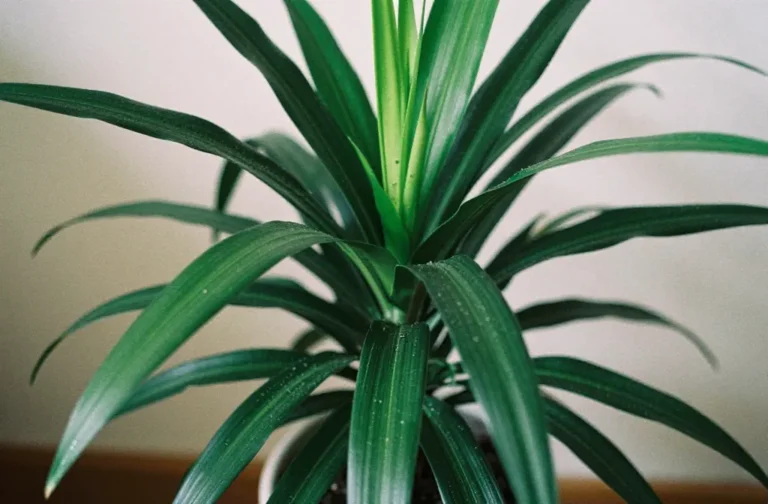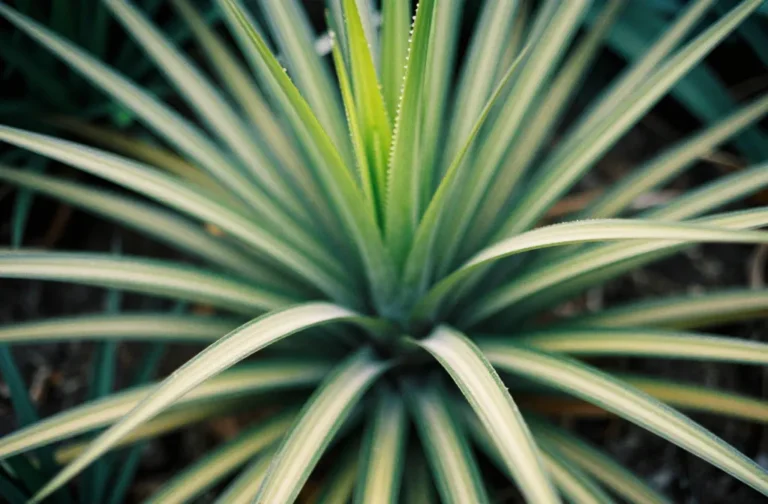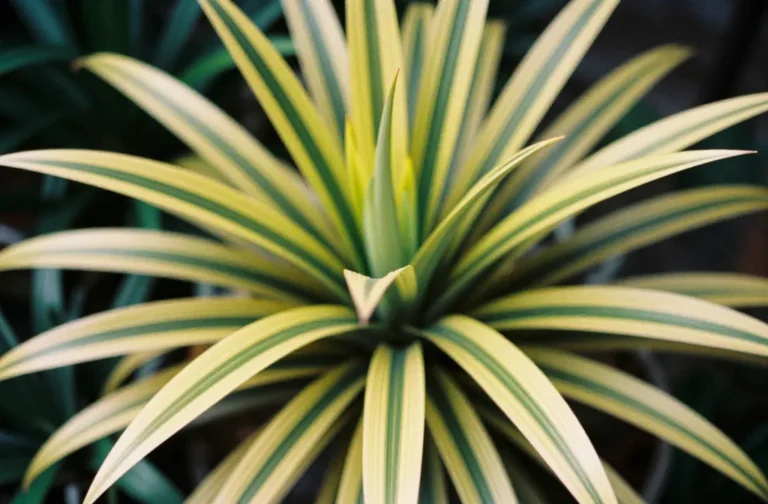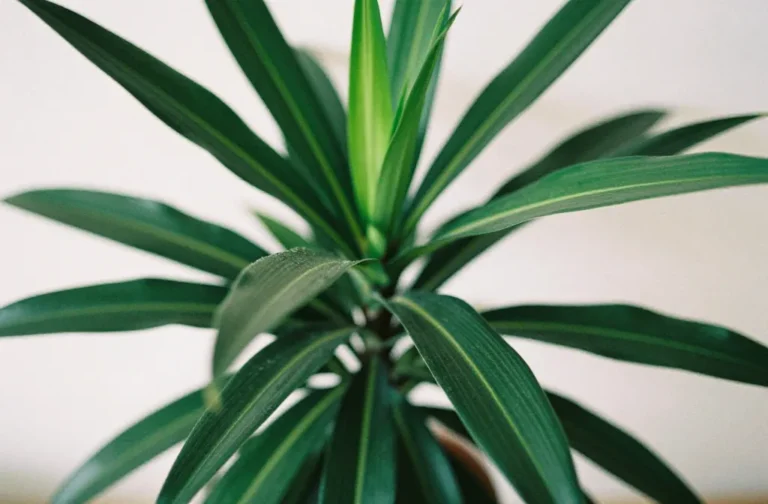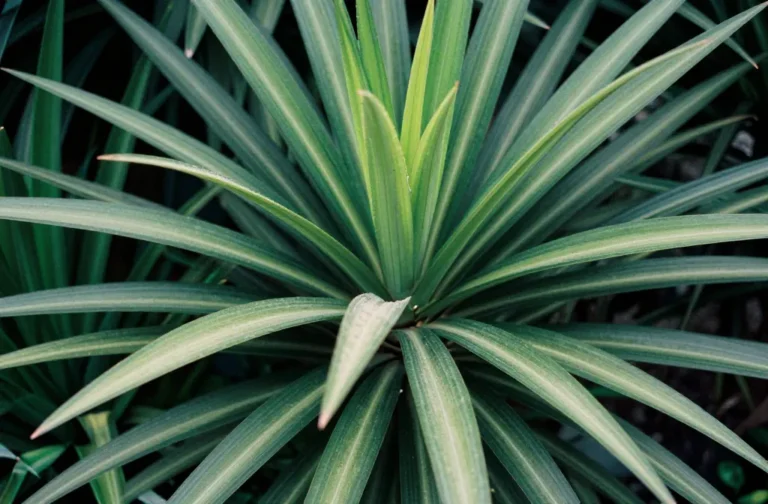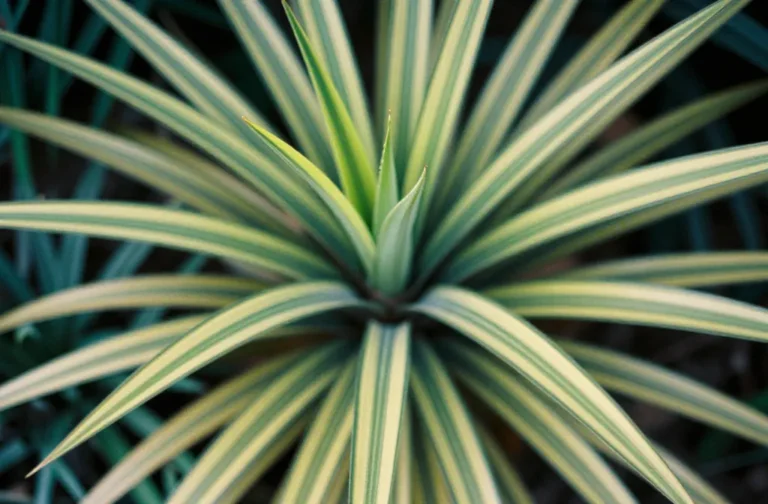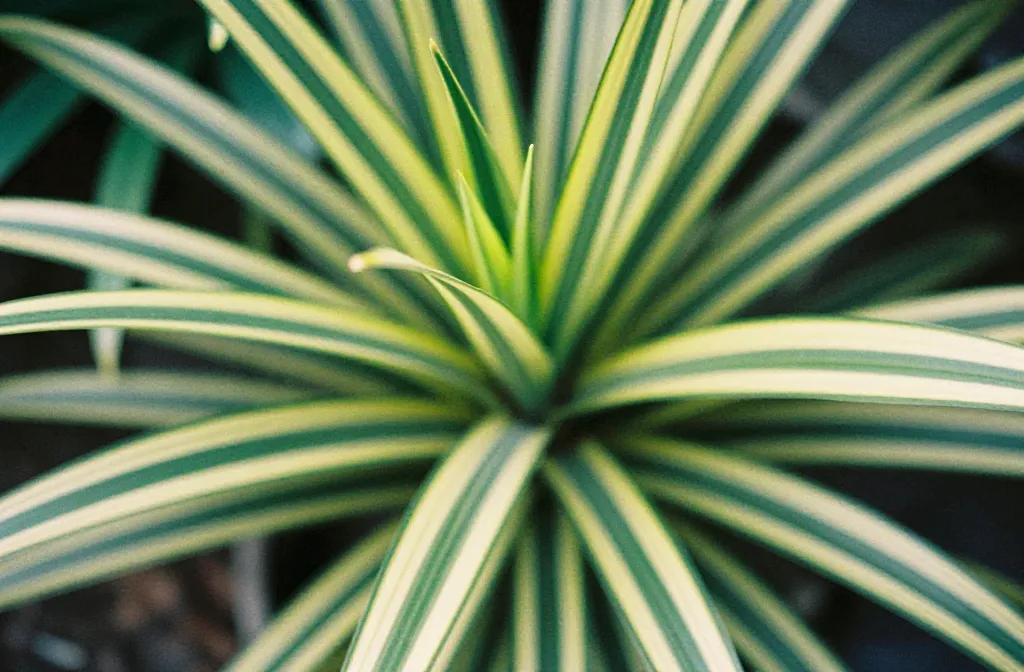
Dracaena marginata doesn’t beg for attention—it earns it. Those sleek, spiky leaves and sculptural canes turn any corner into a mini art gallery. The best part? It thrives on a keep-it-simple routine. If you want a stylish, low-drama plant that still looks like you know what you’re doing, this is your new roommate.
Meet the Dragon Tree (and Why It’s So Good)
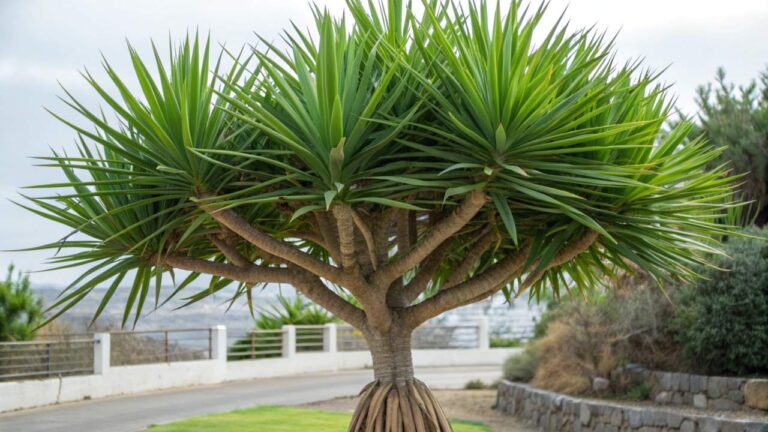
Dracaena marginata, a.k.a. the Dragon Tree, brings height, texture, and shadowy drama to your space. It grows slowly, stays tidy, and forgives the occasional oops. Want something that works in a living room, office, or hallway? This plant nails the “effortlessly cool” brief.
Quick wins:
- Low to medium light tolerance
- Infrequent watering (perfect for forgetful plant parents)
- Air-purifying qualities (FYI: it’s a classic for improving indoor vibes)
- Strong vertical shape that plays well with décor
Light: Bright-ish, Not Blazing
Marginata loves bright, indirect light. Think “near a window but not sunbathing.” Direct sun can scorch those fine leaf edges, and no one wants crispy tips.
What actually works
- East or north windows for gentle light
- Sheer curtains on south/west windows to soften intensity
- Grow light backup if your space feels like a cave
If the plant starts stretching or leaves lose color, it wants more light. If tips brown quickly, it might be getting roasted.
Watering: Less Is More
You’ll overwater this plant way before you underwater it. Let the top 2–3 inches of soil dry before you grab the watering can. In winter, water even less.
How much and how often?
- Spring–summer: every 10–14 days (check the soil first)
- Fall–winter: every 2–3 weeks
- Drainage matters: always use a pot with holes
Leaf tips browning? Could be fluoride or chlorine in tap water. Try filtered or let tap water sit 24 hours. IMO, this simple switch saves a lot of drama.
Soil, Potting, and Repot Rhythm
Marginata likes a light, quick-draining mix. Heavy, soggy soil = sad roots.
Perfect potting mix
- 2 parts high-quality potting soil
- 1 part perlite or pumice
- 1 part orchid bark or coco chips
Repot every 2–3 years or when roots circle the bottom. Go only one pot size up. If it leans, pot it a little deeper and stake for a few weeks.
Temperature, Humidity, and “Why Are My Leaves Mad?”
This plant enjoys normal room temps—keep it between 65–80°F. It hates cold drafts and sudden temperature swings.
- Humidity: average indoor humidity works fine; bonus points for 40–50%
- Drafts: keep away from AC blasts, heaters, and doors
- Brown tips: often from dry air, tap water additives, or inconsistent watering
FYI: You can snip off crispy tips with clean scissors. Follow the leaf’s natural shape, and it’ll look tidy again.
Fertilizing Without Going Overboard
You don’t need to turn this plant into a gym bro. Feed lightly during the growing season.
- Spring–summer: fertilize every 4–6 weeks with a balanced liquid at half strength
- Fall–winter: pause feeding; the plant chills
- Salt buildup: flush the soil with plain water every few months
If leaves look pale or growth stalls in summer, that’s your cue to feed. If you see brown leaf edges after fertilizing, you probably went heavy—flush and ease up.
Pruning and Styling: Make It Look Designer
Dracaena marginata is basically a living sculpture. You can edit the shape to fit your style—no landscape degree required.
Pruning for shape
- Top cut: snip a cane at the height you want; it will branch below the cut
- Staggered heights: prune multiple canes at different levels for a tiered look
- Remove lower leaves as they age to reveal that sleek, palm-like trunk
Propagating cuttings
- Use the top cut in water or moist perlite until it roots, then pot it up
- Stem sections (3–5 inches) also root—just keep track of which end is “up”
- Warmth and bright, indirect light speed things up
Styling tips
- Pair with minimal pots: matte white, charcoal, or terracotta
- Go vertical: tall planters emphasize its slim silhouette
- Group with soft-leaf plants: think pothos or calathea to contrast the spiky texture
- Corners and offsets: place it slightly off-center near windows or art for that “designed on purpose” vibe
Pests and Problems (and How to Win)
Marginata resists pests pretty well, but mealybugs and spider mites still try it sometimes.
- Spider mites: look for dusty webbing and speckled leaves; rinse leaves and use insecticidal soap or neem weekly until gone
- Mealybugs: dab with alcohol on a cotton swab, then treat the whole plant with neem
- Root rot: yellowing lower leaves and mushy stems mean too much water—trim rot, repot in fresh mix, and water less
Keep leaves dust-free with a gentle wipe every month. Clean leaves = better photosynthesis and fewer freeloaders.
Pet Safety and Placement
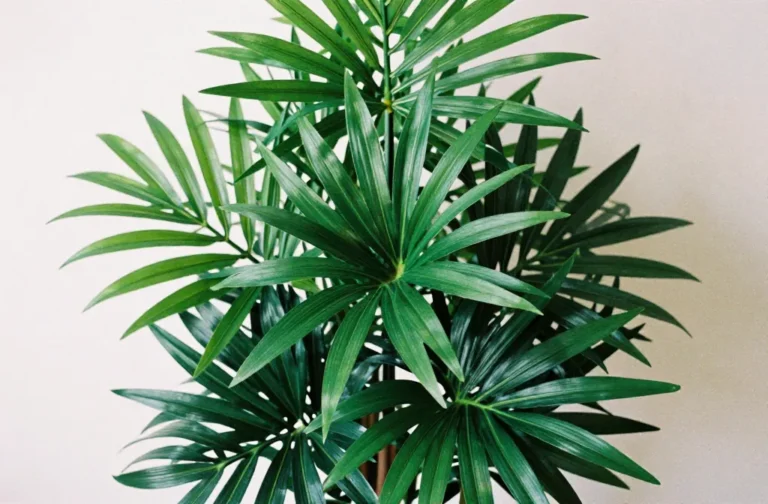
Here’s the not-fun bit: Dracaena marginata is toxic to cats and dogs if chewed. If you’ve got a nibble-happy furball, place it high, use deterrent sprays, or choose a pet-safe alternative like a parlor palm. IMO, marginata looks best in spots pets can’t easily reach anyway—tall planters, shelves, or corners behind furniture.
Common Mistakes to Dodge
- Overwatering because you think love = water. It doesn’t.
- Direct sun that fries leaf edges
- No drainage pots that trap water and doom roots
- Cold drafts from doors and AC units
- Never rotating the plant, which causes leaning and lopsided growth
Rotate a quarter turn every few weeks. It’s the easiest fix for symmetry.
FAQ
Why are the leaf tips turning brown?
Usually it’s a combo of low humidity, tap-water additives (fluoride/chlorine), or inconsistent watering. Trim the tips, switch to filtered or dechlorinated water, and aim for a steady dry-then-water routine. A small humidifier nearby also helps.
Can Dracaena marginata live in low light?
It can survive low light, but it won’t thrive. Expect slower growth and thinner leaves. If low light is your reality, supplement with an LED grow light for a few hours daily.
How tall will it get indoors?
With patience, 6–8 feet isn’t unusual, but it grows slowly. You control height with pruning, and it will branch after cuts. Want a bushier look? Make several cuts at different heights.
Is it normal for lower leaves to drop?
Yes. The plant sheds older, lower leaves as it grows taller. If many leaves yellow at once, though, check for overwatering or cold drafts.
What’s the best pot type?
Anything with drainage. Terracotta looks great and helps wick moisture, which marginata likes. If you use a cachepot without holes, keep the plant in a plastic nursery pot and remove it to water, then let it drain fully before returning.
How do I fix a leaning plant?
Rotate it every few weeks to balance light exposure. If the cane leans heavily, stake it gently and repot a little deeper for stability. More light also encourages straighter growth.
Conclusion
Dracaena marginata brings major style with minimal effort—honestly the dream. Give it bright, indirect light, water when the soil dries, and keep the soil airy. Prune it like a bonsai artist on a coffee high if you want, or let it stand tall and sculptural. Either way, you’ll get a plant that looks expensive without acting expensive. FYI: that’s a rare combo.