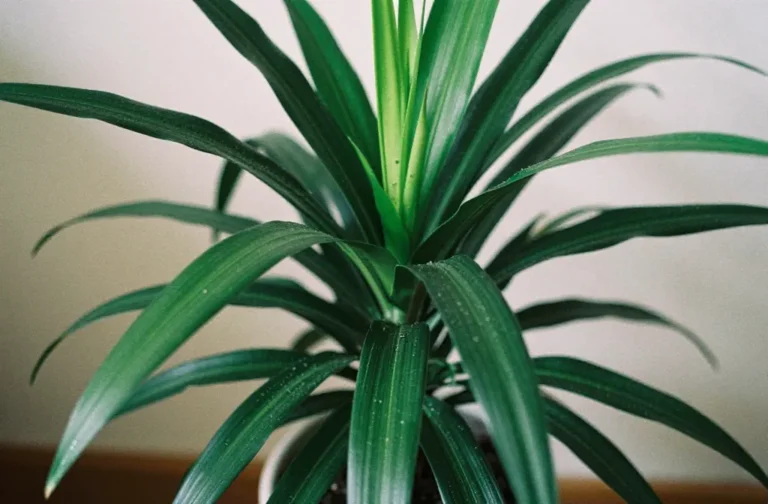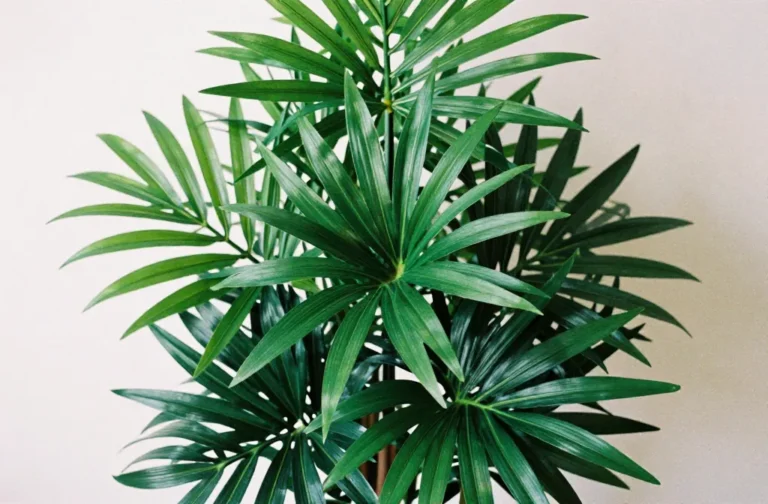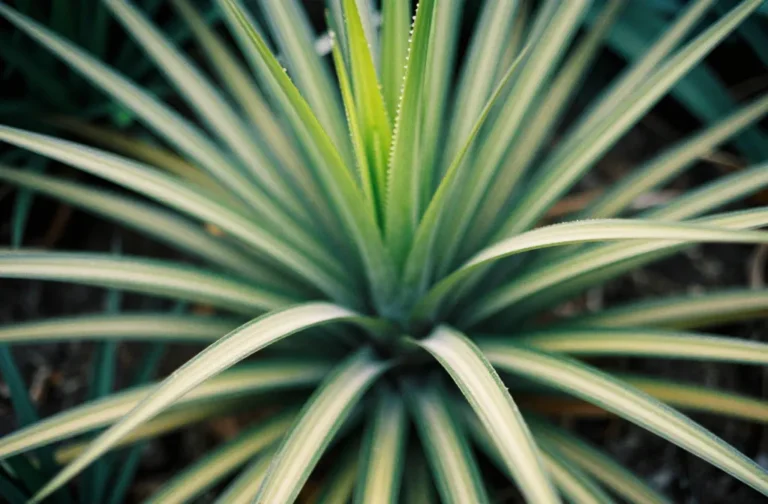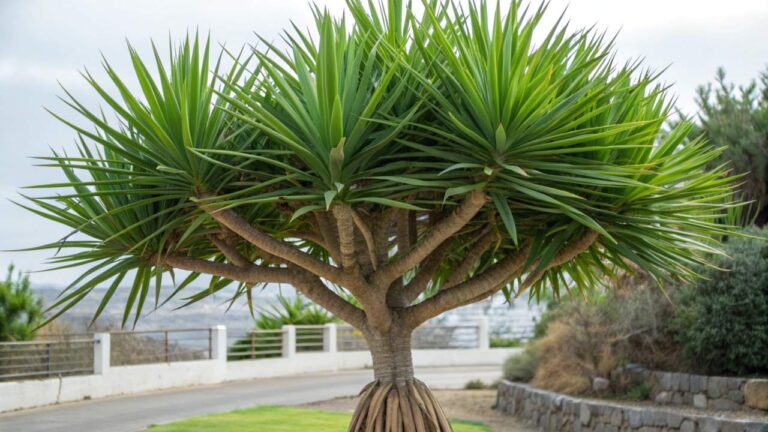
Dracaena reflexa doesn’t try too hard—and that’s exactly why people love it. Those glossy, lance-shaped leaves spiral around canes like a living sculpture, and it barely complains if you forget a watering or two. Want a plant that makes your space look expensive without the maintenance budget? This is the one. Let’s get you growing it like a pro without turning your home into a greenhouse science project.
Meet Dracaena Reflexa (aka Song of India)
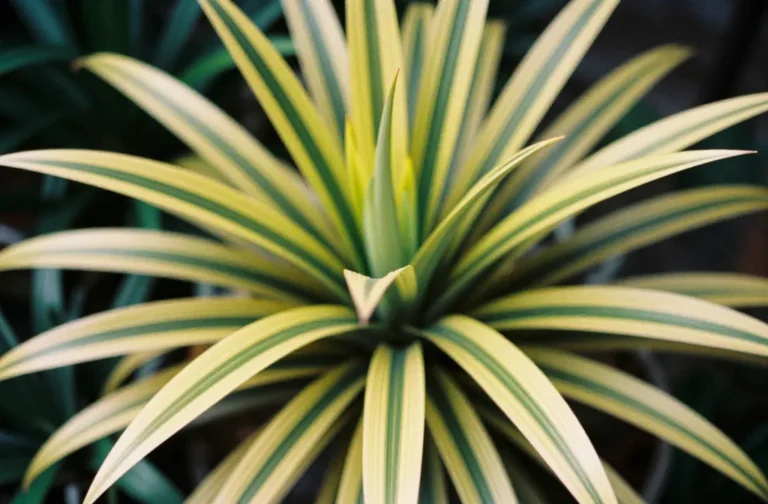
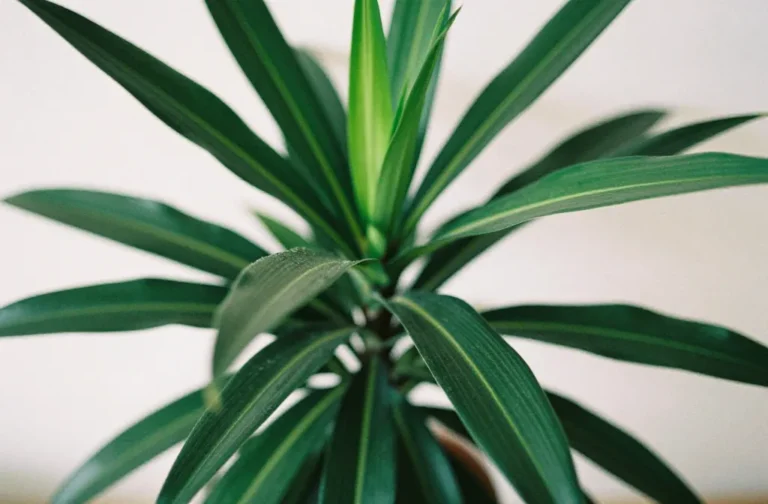
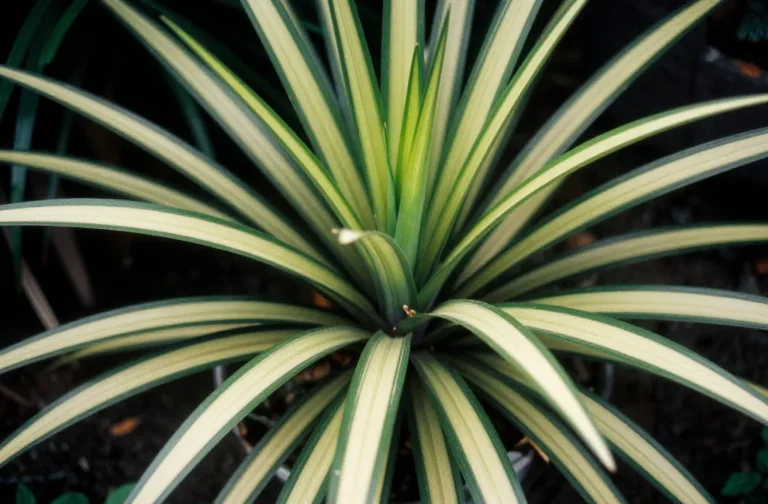
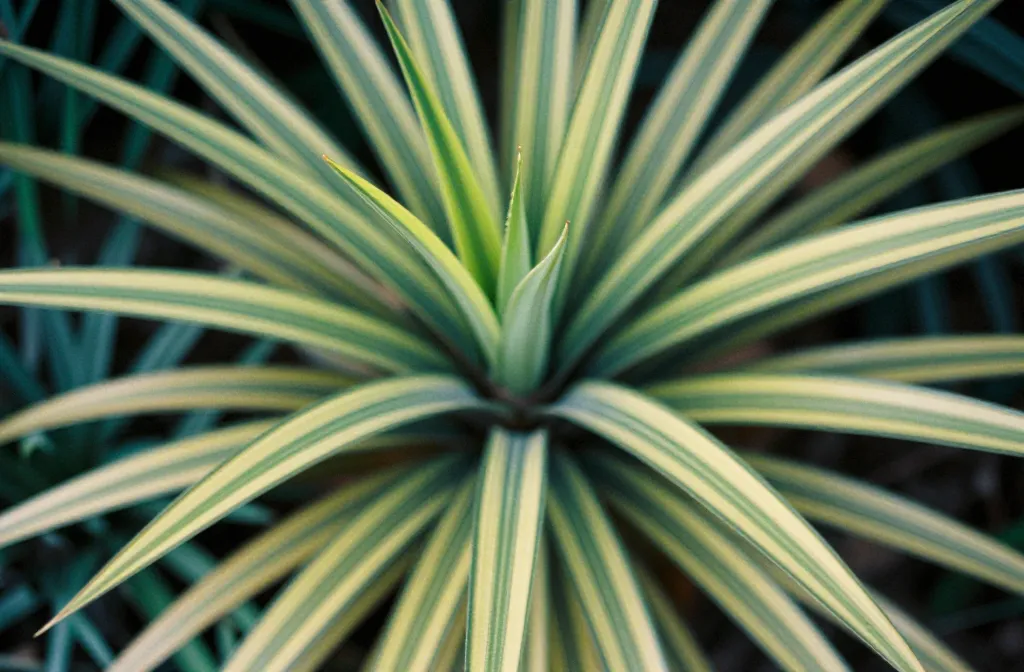
Dracaena reflexa goes by a few names—most famously Song of India for the variegated type with creamy yellow edges. You’ll also find a solid green version called Song of Jamaica that looks a bit moodier and equally chic.
It grows in upright canes with leaves that spiral around like a slow-motion helix. Indoors, you’ll usually see it between 2–6 feet tall, but it can hit higher if you let it. It’s a slow grower, which IMO is perfect for renters and commitment-phobes.
Light: Bright, But Not a Spotlight
Dracaena reflexa loves bright, indirect light. Think near a window with filtered sun or a bright room where you can read without squinting. Variegated plants need more light to keep their color sharp, while the solid green type handles slightly lower light.
What to avoid:
- Harsh midday sun right through a window—crispy tips will happen
- Deep shade—leggy, sad growth that screams “help”
- Constant rearranging—this plant likes consistency
Grow Lights?
Yes, absolutely. Aim for 10–12 hours of full-spectrum light daily if your windows underperform. Place the light 12–18 inches above the plant. FYI, you’ll keep variegation brighter with good light.
Watering: The Not-Too-Much, Not-Too-Little Dance
If you overwater, Dracaena reflexa will act dramatic. If you underwater a bit, it shrugs. Water when the top 1–2 inches of soil feel dry. Then water thoroughly and let excess drain out. Done.
Quick rules:
- Use room-temp water
- Empty saucers after 10 minutes
- Err on the dry side in winter
Fluoride Sensitivity (Yes, That’s a Thing)
Dracaenas can get brown tips from fluoride or salts in tap water. If you see persistent crispy tips, switch to filtered, distilled, or rainwater. Or let tap water sit out 24 hours before use. It’s extra, but it helps.
Soil and Potting: Keep It Airy
Go for a well-draining mix. Regular indoor potting soil works if you add chunkiness.
My go-to blend:
- 2 parts high-quality potting mix
- 1 part perlite or pumice
- 1 part orchid bark (optional but awesome)
Pick a pot with a drainage hole—no exceptions. Repot every 2–3 years or when roots circle the bottom. Move up just one pot size. If it leans, pot a bit deeper and stake it while it settles.
Humidity and Temperature: Cozy, Not Tropical
Dracaena reflexa thrives in 40–60% humidity and typical indoor temps (65–80°F). It tolerates lower humidity but grows fuller with a bit more moisture in the air.
Keep it happy by:
- Keeping it away from AC/heat vents and cold drafts
- Using a pebble tray or a small humidifier if tips brown
- Avoiding temps below 55°F—this plant does not wear a sweater
Fertilizing: Light Feeder, Big Payoff
Feed monthly in spring and summer with a balanced, diluted liquid fertilizer (half-strength). Skip feeding in fall and winter. You can also top-dress with worm castings in spring for slow, steady nutrients.
Signs you overdid it:
- Burned leaf tips
- White crust on soil
- Sudden droop after feeding
If that happens, flush the soil with water and take a feeding break.
Pruning and Styling: Make It Yours
You can shape Dracaena reflexa into a tree form, a bushy floor plant, or a sculptural cluster. Prune in spring or early summer.
Pruning basics:
- Use clean, sharp shears
- Cut just above a node to encourage branching
- Remove dead or crossed stems to improve airflow
Propagating Cuttings
This plant propagates easily from stem cuttings:
- Cut a healthy cane 4–8 inches long.
- Strip the bottom leaves and let the cut end callous for a few hours.
- Root in water or in moist perlite/soil. Keep warm and bright.
- Transplant once roots reach 2–3 inches.
Pro tip: You can lay longer canes horizontally on soil and partially bury them; nodes will sprout new shoots. It’s like plant magic, but free.
Common Problems (And How to Fix Them)
Yellow leaves: Usually overwatering. Check drainage and let the soil dry more between waterings.
Brown tips: Low humidity, salts, or fluoride. Increase humidity and switch water sources.
Leaves dropping: Sudden temperature changes or moving the plant too often. Keep conditions stable.
Faded variegation: Not enough light. Move closer to bright, indirect light.
Pest checks: Mealybugs, spider mites, and scale sometimes show up.
- Inspect the leaf undersides and stem joints weekly
- Wipe leaves with a damp cloth regularly
- Treat with insecticidal soap or neem oil every 7–10 days until clear
Root Rot Reality Check
If stems feel mushy or the soil smells funky, act fast:
- Unpot, trim off brown/mushy roots.
- Rinse remaining roots and dust with cinnamon or a fungicide (optional).
- Repot in fresh, drier mix and reduce watering.
FYI, rot recovery takes time. Be patient.
Pets, Toxicity, and Safety
Dracaena reflexa is toxic to cats and dogs if chewed, causing vomiting, drooling, and lethargy. Keep it out of nibble range or choose another plant if your pet thinks everything is salad. Use pebble toppers or higher stands if you need a quick fix.
Design Tips: Make It Look Expensive
Want that “designer lobby” vibe at home? Pair your Dracaena reflexa with clean lines and natural textures.
- Choose tall, narrow planters to highlight its canes
- Group three canes of varying heights for a sculptural look
- Rotate monthly for even growth and a fuller silhouette
- Wipe leaves every two weeks for that glossy, magazine finish
IMO, the variegated Song of India pops in matte black or terra-cotta pots, while the green Song of Jamaica looks sleek in white or concrete.
Seasonal Care: Small Tweaks, Big Wins
Spring/Summer:
- Increase watering frequency as light and heat rise
- Start monthly feeding
- Prune and propagate
Fall/Winter:
- Reduce watering—growth slows
- Hold fertilizer
- Pull back from chilly windows and watch for dry air
FAQ
How fast does Dracaena reflexa grow?
It grows slowly—usually a few inches per year indoors. With great light, steady warmth, and proper watering, you’ll see fuller branching rather than dramatic height jumps. Slow and steady beats leggy and sad.
Can I keep it in low light?
You can, but the plant won’t love it. Expect slower growth and less vivid color, especially on variegated types. Move it to brighter indirect light or add a grow light for best results.
Why are the leaf tips browning?
Common causes include underwatering, low humidity, or mineral buildup from tap water. Try more consistent watering, boost humidity a bit, and switch to filtered or distilled water. Trim damaged tips for looks—it won’t hurt the plant.
Do I need to mist the leaves?
Misting offers a quick mood boost but doesn’t change long-term humidity. If you enjoy it, go for it—but a pebble tray or small humidifier works better. Wiping leaves matters more for dust control and pest prevention.
How do I make it bushier?
Prune. Cut a stem just above a node and new shoots will branch from there. Good light and consistent watering will support thicker, denser growth. Bonus: root the cuttings and pot them back in for instant fullness.
Is it safe for bedrooms?
Yes. It tolerates typical bedroom light and contributes to a calm vibe. Just keep it away from cold drafts, heaters, and curious pets.
Conclusion
Dracaena reflexa brings sculptural drama without the drama-queen care. Give it bright, indirect light, water when the top inch dries, and use a chunky mix. Prune to shape, watch for fluoride and pests, and you’ll have a glossy, evergreen showpiece that quietly levels up your space—no green thumb flex required.