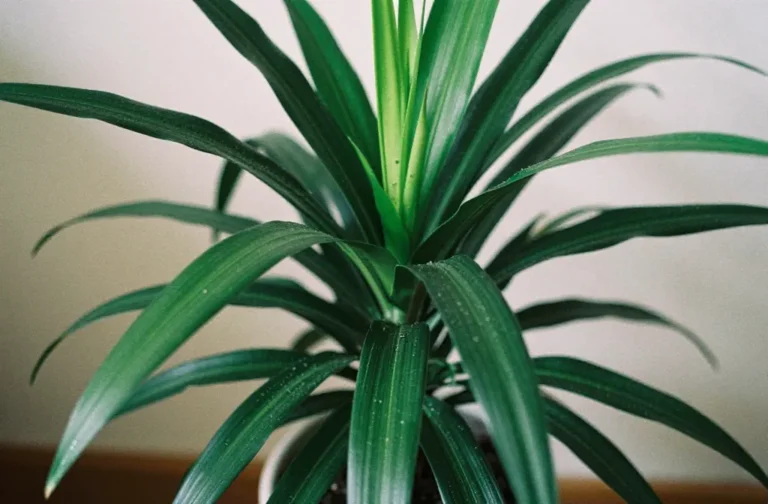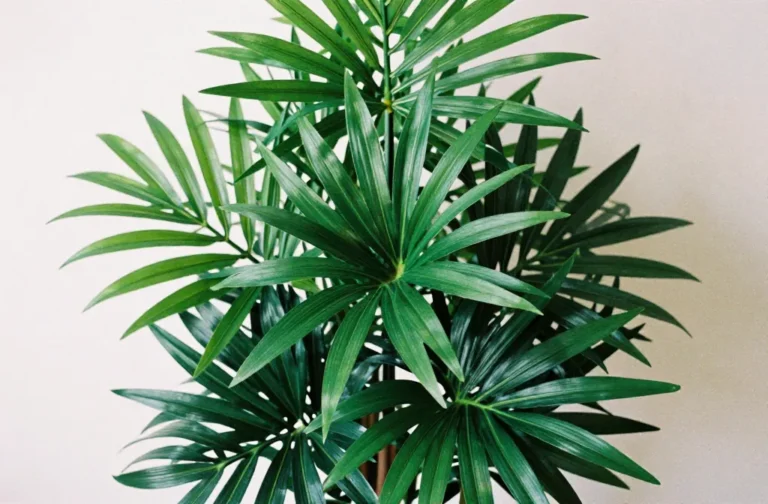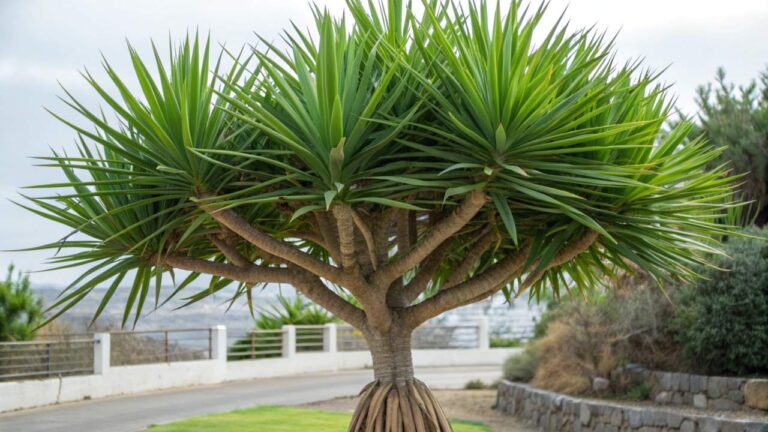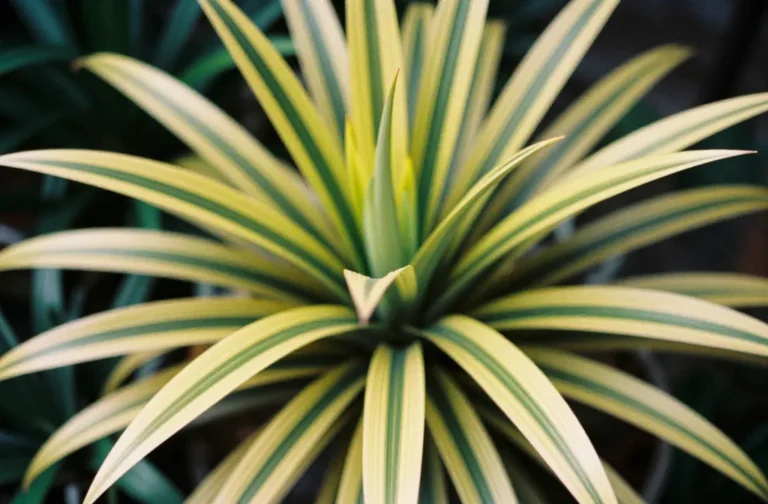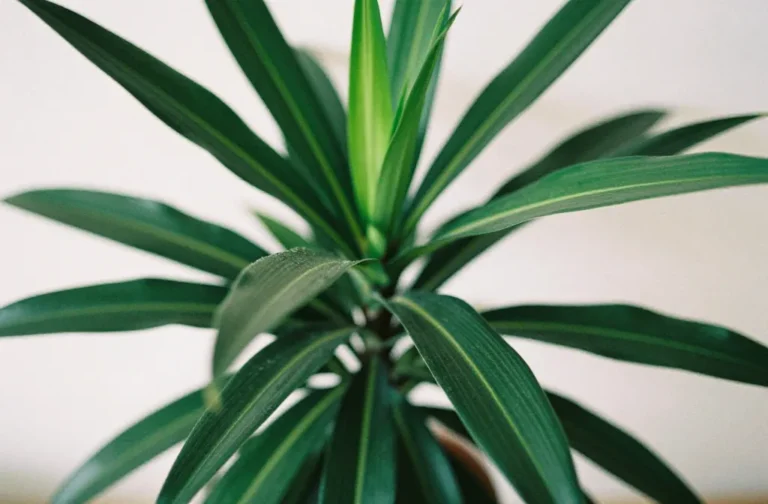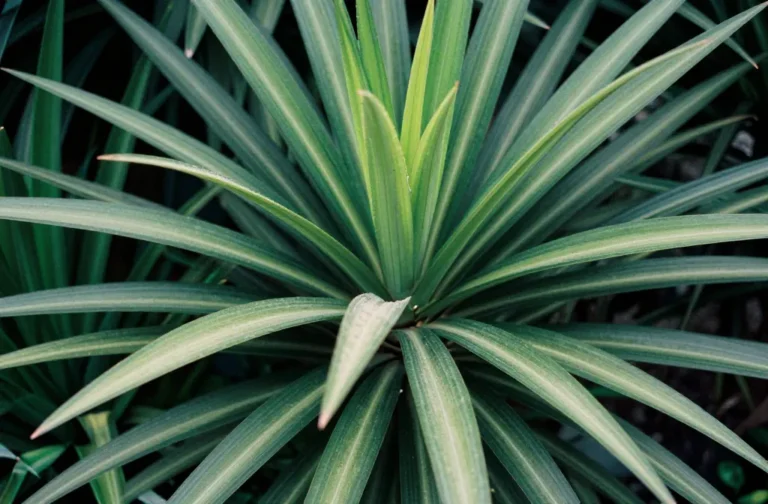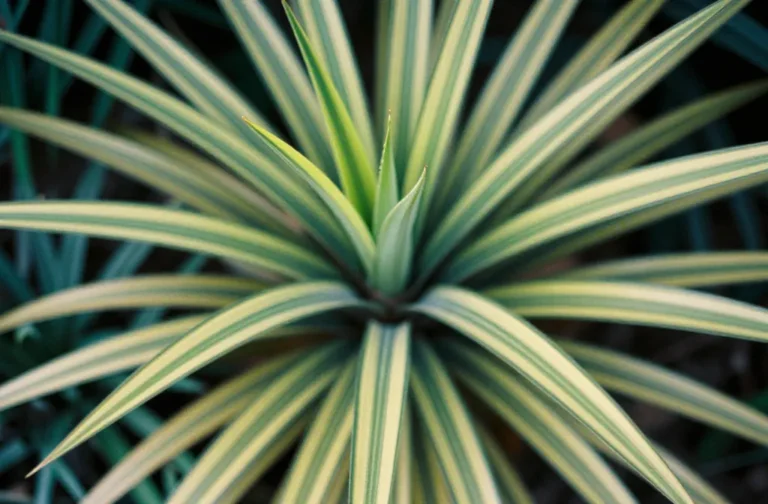
You want structure, drama, and something that looks good from the street with zero stress? Meet the Dracaena spike plant. It’s the upright, spiky accent people add to planters when they want instant architecture without babysitting. It holds its shape, shrugs off neglect, and looks amazing in both minimalist and cottage-style designs. Let’s get into how to keep it happy and where it shines outdoors.
What Exactly Is the Dracaena Spike Plant?
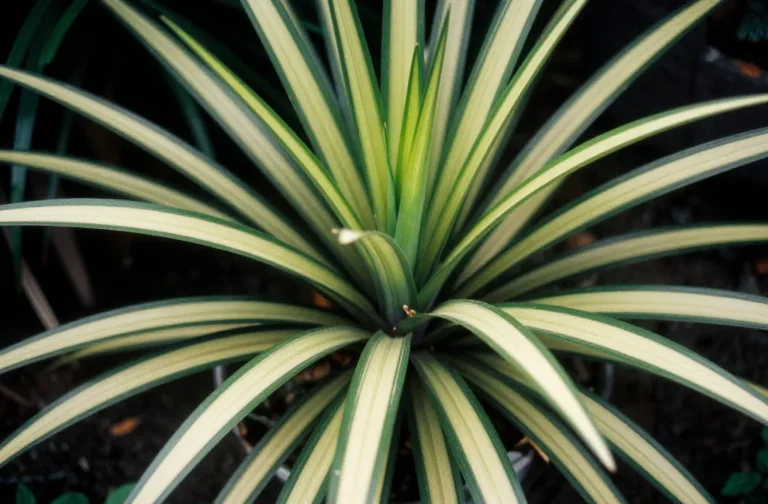
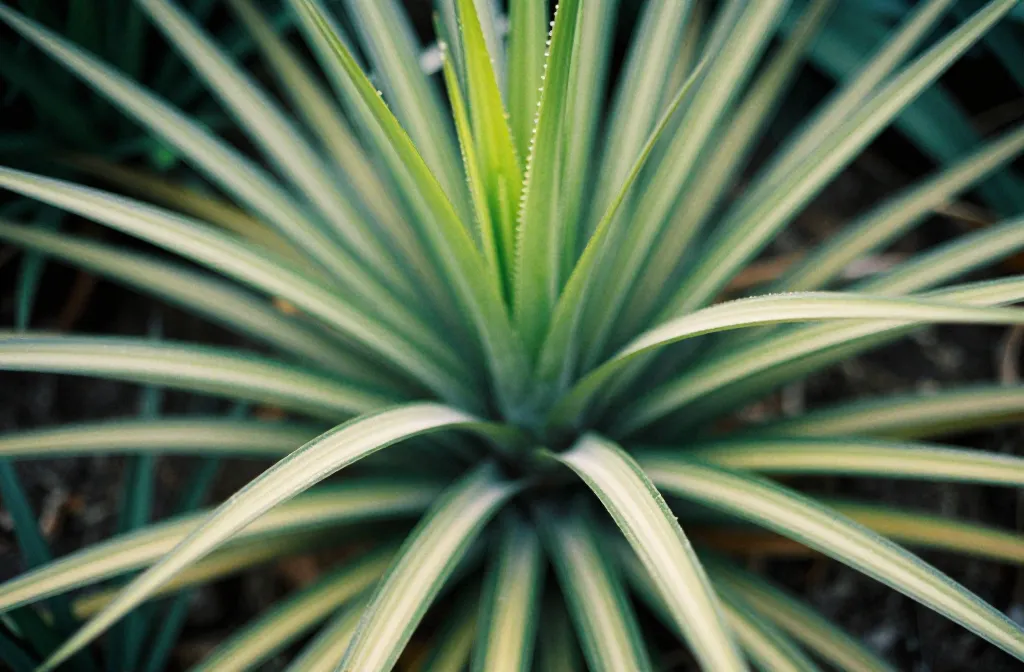
Dracaena spike, often sold simply as “spikes,” usually refers to Dracaena indivisa (sometimes labeled Cordyline dracaenoides—plant tags like drama). Garden centers use it as a vertical accent in mixed planters. You get narrow, sword-like leaves that stand tall and don’t flop.
FYI: You might also see similar plants labeled as cordylines. They’re cousins. Care overlaps a lot, so you can treat them almost the same.
Why gardeners love it
- Strong vertical form that makes any container instantly look designed
- Low-maintenance with simple watering and no fussy needs
- Works indoors or out depending on your climate and season
- Survives forgetful watering better than thirsty annuals
Light, Water, and Soil: The Care Basics
Give this plant what it loves and it’ll return the favor with crisp, upright foliage.
Light requirements
- Outdoors: Full sun to bright partial sun. In super hot climates, give it afternoon shade to prevent leaf tip crisping.
- Indoors: Bright, indirect light. A few hours of gentle morning sun helps. If it stretches or leans, move it closer to a window.
Watering that actually works
- Containers: Water when the top 1–2 inches of soil feel dry. Soak thoroughly, then let it drain. Overwatering makes roots sulk.
- In-ground: Water deeply and less often. Once established, it tolerates short dry spells.
- Hard water tip: Brown tips? Minerals or fluoride may be the culprit. Use filtered water occasionally if you can.
Soil and drainage
- Best mix: A high-quality potting mix with added perlite or bark for airflow.
- pH: Slightly acidic to neutral suits it fine. No need to overthink it.
- Drainage: Non-negotiable. Soggy roots = plant drama.
Feeding, Pruning, and Styling
Keep it simple. This plant doesn’t want a buffet; it wants a snack.
Fertilizer schedule
- Growing season (spring–summer): Feed monthly with a balanced, diluted liquid fertilizer.
- Fall–winter: Pause or feed lightly every 6–8 weeks, especially indoors.
- Salt buildup check: If tips brown, flush the pot with clean water to rinse excess fertilizer salts.
Pruning and shaping
- Remove dead leaves by tugging gently or snipping close to the stem.
- Want it fuller? You can cut the top to encourage branching, but most folks keep it as a single spike for drama.
- Rotate containers every couple of weeks so it grows straight and symmetrical.
Potting and repotting
- Repot every 1–2 years or when roots circle heavily.
- Go up one pot size each time. Oversized pots hold too much moisture.
- Use a heavy container outdoors so wind doesn’t send your “spike” flying.
Cold Tolerance and Seasonal Moves
You’ll often see dracaena spikes treated as annuals in cooler climates, but they’re actually tender perennials.
- Cold hardiness: Generally safe in USDA Zones 9–11. Light frost damages leaves. Hard frost? Say goodbye.
- Overwintering indoors: Bring containers inside before nights dip below 45°F (7°C). Place in bright light and water less.
- Spring move-out: Reintroduce to sun gradually over a week to avoid sunburn. Yes, plants sunburn too.
Landscape Uses That Just Work
This is where the spike plant earns its keep. Think vertical accents and contrast.
Containers and planters
The classic formula? Thriller, filler, spiller. Guess who’s the thriller. Use dracaena spike in the center or back of:
- Modern containers with grasses, succulents, and black pebbles for a sleek vibe
- Cottage planters with petunias, bacopa, and sweet potato vine for lush color
- Shaded combos with coleus, impatiens, and trailing ivy in bright shade
In-ground design ideas
- Entry beds: Use in odd-numbered clusters for a sculptural look.
- Dry borders: Pair with sedum, agave, or dwarf yucca for drought-leaning gardens.
- Tropical vibes: Mix with cannas, elephant ears, and caladium for a bold, jungly edge.
Color and texture combos
- Color play: Green spikes calm down loud annuals and make their blooms pop.
- Texture contrast: Pair with lacy ferns, ruffled coleus, or round-leaf heuchera.
- Monochrome magic: Green on green looks intentional and expensive, IMO.
Common Problems (and How to Fix Them)
You won’t battle much with dracaena spike, but it does throw the occasional tantrum.
- Brown tips: Usually low humidity, minerals in water, or fertilizer salts. Trim tips, use filtered water sometimes, and flush soil monthly.
- Yellowing lower leaves: Normal aging. Remove them and move on with your life.
- Droopy or soft stems: Overwatering or poor drainage. Let the soil dry more and check for a blocked drain hole.
- Leaf scorch: Intense afternoon sun in hot regions. Provide partial shade during heat waves.
- Pests: Mealybugs or spider mites if it gets stressed indoors. Wipe leaves, use insecticidal soap, and improve airflow.
Propagation: Can You Make More?
Short answer: sometimes. Not all “spike” plants branch easily, but you can try.
Top cuttings
- Cut the top with 6–8 inches of stem.
- Strip lower leaves and root in water or a moist perlite/peat mix.
- Warmth and bright, indirect light speed things up.
Cane sections
If your plant has a thicker cane, you can slice it into 3–4 inch segments and lay them horizontally on moist mix. Keep barely damp and wait for buds to push. It’s a bit advanced, but very satisfying when it works.
Pet Safety and Handling
Dracaenas contain compounds that can upset pets if ingested. If your dog or cat treats plants like salad, keep this one out of reach. Also, wear gloves if you have sensitive skin—sap can irritate, and nobody wants itchy hands after repotting.
Quick Care Checklist
- Light: Bright light; full sun outdoors with some afternoon shade in hot areas
- Water: Let the top inch dry; avoid soggy soil
- Soil: Well-draining potting mix with perlite
- Fertilizer: Monthly in spring–summer, very light in fall–winter
- Temperature: Above 45°F (7°C); protect from frost
- Pruning: Remove dead leaves; top for branching if desired
FAQ
Is dracaena spike the same as cordyline?
Not exactly, but they’re similar and often mislabeled. Many “spikes” in garden centers are Dracaena indivisa or closely related cordylines. Care is nearly identical for home gardeners, so don’t stress the name tag too much.
Can I keep a spike plant indoors year-round?
Yes. Give it bright, indirect light, water when the top inch dries, and rotate it for even growth. It stays happier near a bright window and away from heater vents or AC blasts.
Why is my spike plant leaning?
It’s stretching for light. Rotate the pot regularly and move it to a brighter location. Outdoors, a little wind helps strengthen the stem, FYI.
How big does it get?
In containers, expect 2–3 feet tall in a season. In warm climates and in-ground, it can grow taller over time. Growth speed depends on light, warmth, and how well you feed it.
Do I need to deadhead anything?
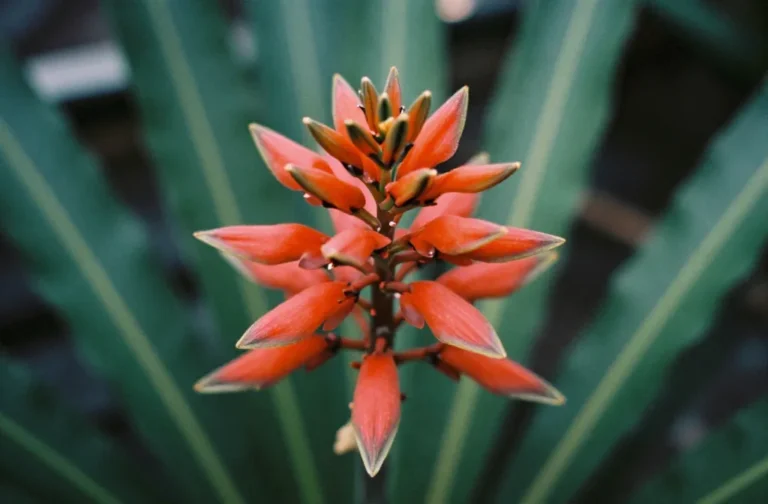
No flowers to deadhead here in typical garden use. Just pluck off any crispy or yellowing leaves to keep it photo-ready.
Can I leave it outside over winter?
Only if you’re in a frost-free climate (Zones 9–11). Otherwise, treat it as an annual or bring it indoors before cold nights hit.
Conclusion
Dracaena spike plants bring structure, texture, and zero fuss. Use them as the upright anchor in planters or as sculptural accents in beds, and they’ll make everything around them look better. Give them bright light, decent drainage, and the occasional feed, and you’ve basically nailed it. Easy, stylish, and reliable—what more do you want, a standing ovation?