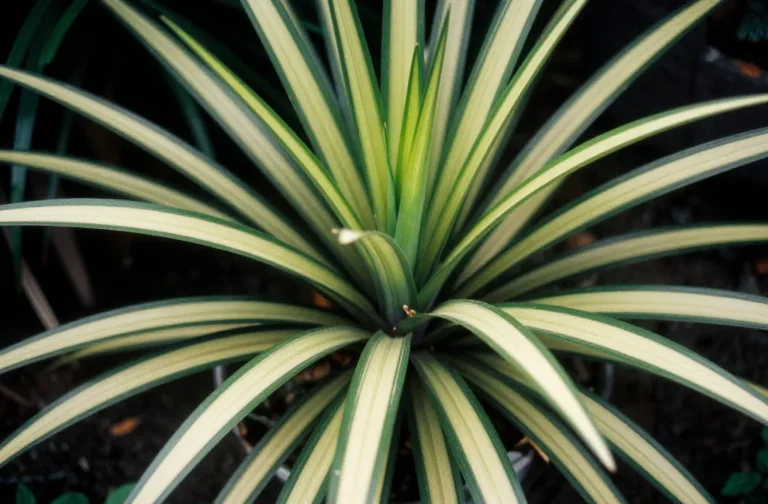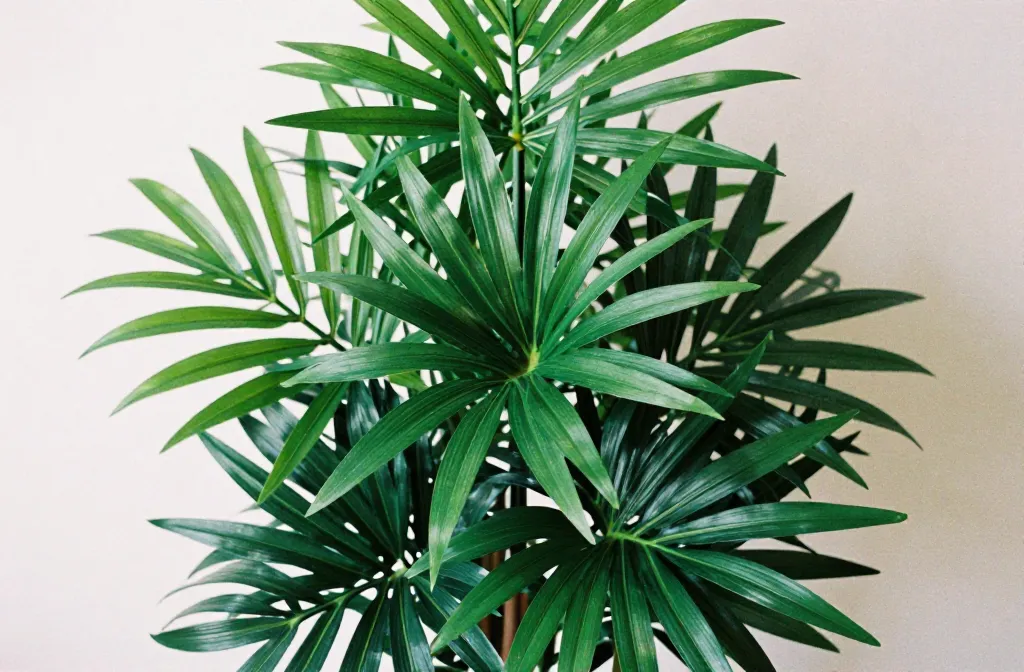
You want lush greenery without the watering schedule, the leaf drama, and the “why are you suddenly dying?” panic? Enter the faux dracaena: a chic, low-maintenance hero that looks expensive, stays perky, and never harbors grudges about your window placement. It blends into any room, plays well with every design style, and delivers instant vertical interest. And yes, it passes the “does this look real?” test more often than you’d expect.
Why a Faux Dracaena Just Works
Dracaenas have that tall, sculptural silhouette that screams “I have taste.” The faux version keeps the vibe and dumps the work. No watering schedule. No brown tips. No “is this too much sun?” anxiety.
You also get reliability. A faux dracaena looks the same on day 1 and day 1,000. Moving apartments? Changing layouts? It thrives anywhere. You can tuck it into a dark corner and voilà: instant style, zero fuss.
What Makes a Faux Dracaena Look Real
Realistic faux plants rely on a few smart details. If you want the look without the giveaway, watch for these:
- Natural leaf variation: Slight color gradients, subtle striping, and a satin—not shiny—finish make a big difference.
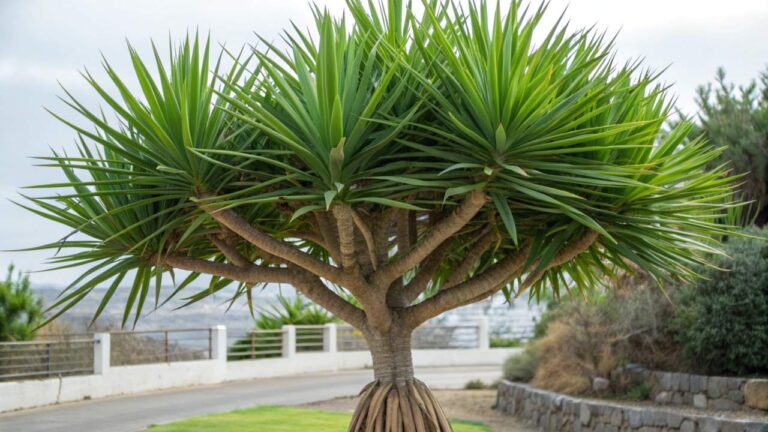
- Trunk realism: Look for textured canes with color shifts and slight irregularities. Perfectly straight = suspicious.
- Density and shape: Leaves should fan out naturally, not clump like a plastic bouquet.
- Weighted base: A sturdy pot or weighted insert keeps your plant upright and believable.
Pro Tip: The “Touch Test” Isn’t Everything
People rarely touch your plant. They view it from a few feet away. Prioritize overall silhouette, leaf variation, and pot styling over ultra-soft leaves. Your eyes will do most of the judging.
Styling Your Faux Dracaena Like a Designer
Placement matters. So does the pot. Here’s how to make it look intentional.
- Go tall in small spaces: A 5–6 ft dracaena draws the eye up in apartments, entryways, or corners next to a sofa.
- Layer textures: Pair with a woven basket, ceramic planter, or matte concrete pot for contrast.
- Mind the scale: If the leaves brush the ceiling fan, it’s too tall. If it hides behind your side table, it’s too short.
- Angle it: Rotate the plant until the leaf fan opens toward the room, not the wall. Yes, it matters.
Potting and “Soil” Tricks
Give the base a glow-up:
- Use a slightly oversized pot to create presence.
- Top with moss, pebbles, or coco coir to hide the insert and add texture.
- Stabilize with foam or gravel so it doesn’t wobble when you vacuum around it.
Who Should Choose Faux (and Who Shouldn’t)
Not everyone needs faux, but IMO, it suits a lot of people.
- Great for: Low-light spaces, frequent travelers, pet parents, offices, rentals, and anyone who forgets watering day.
- Maybe not for: Plant purists who enjoy the ritual, folks who want air-purifying benefits, and gardeners who love growth and change.
If you want the green look without the green thumb, faux wins. If you love nurturing living things and tracking new leaves like a proud parent, go real. You do you.
Choosing the Right Style of Faux Dracaena
Dracaenas come in several looks. Pick what fits your vibe.
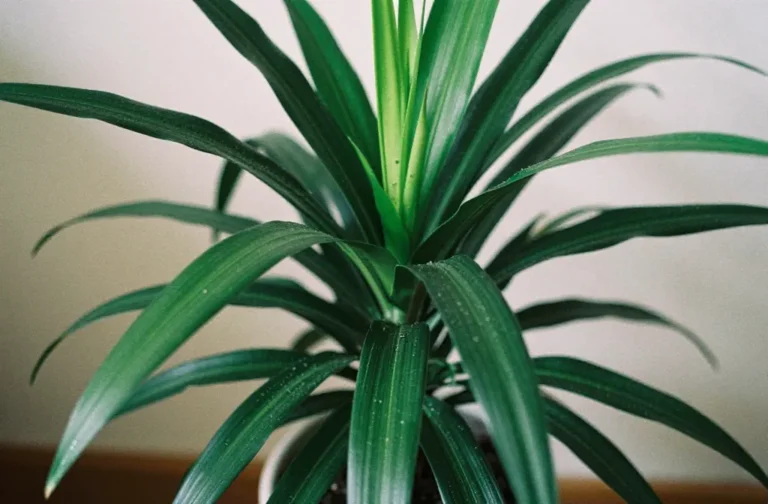
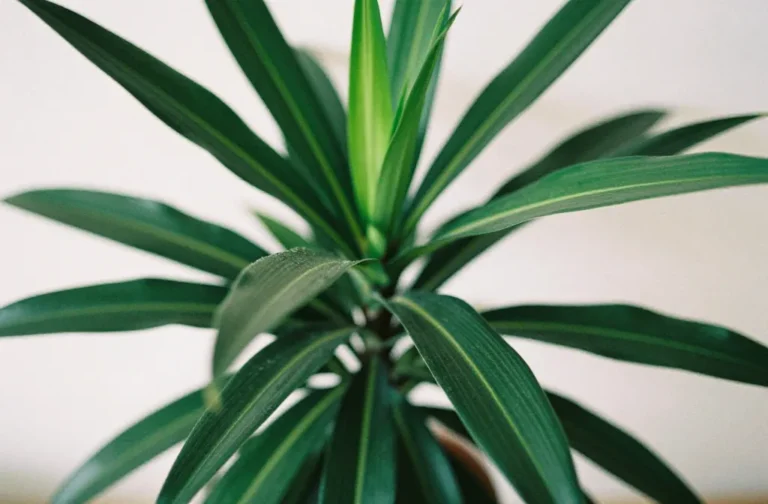
- Dracaena marginata (Dragon Tree): Thin, arching leaves with red edges. Sleek and modern. Great in contemporary spaces.
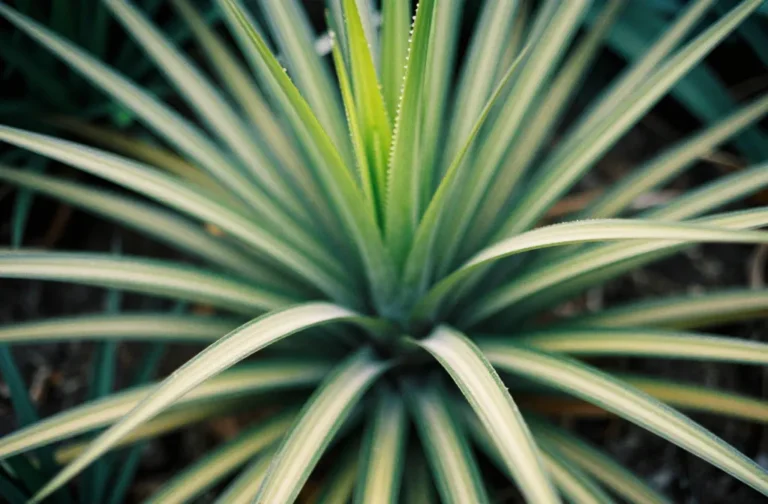
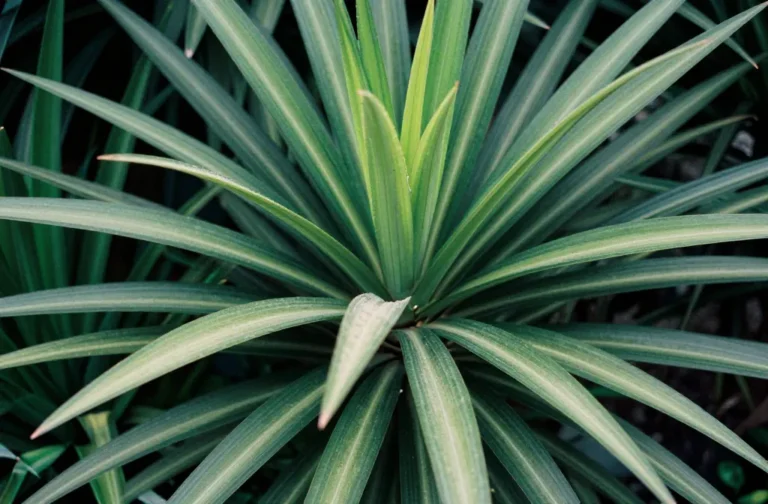
- Dracaena fragrans (Corn Plant): Broader leaves with variegation. Cozy, lush, and slightly tropical. Works well in traditional or boho rooms.
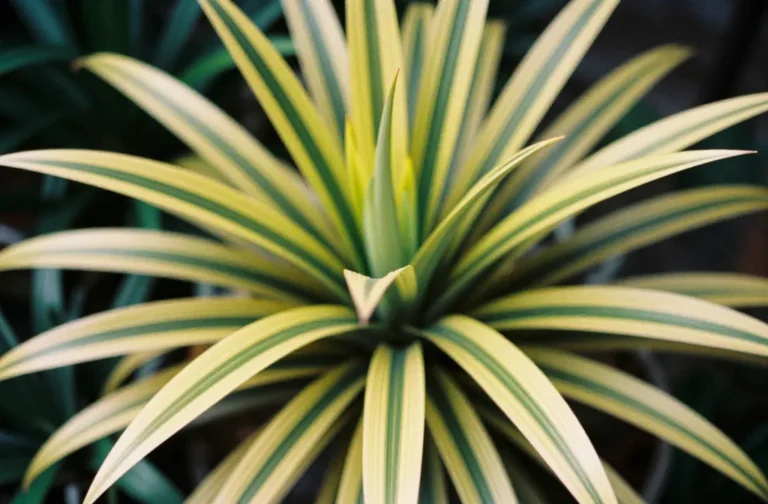
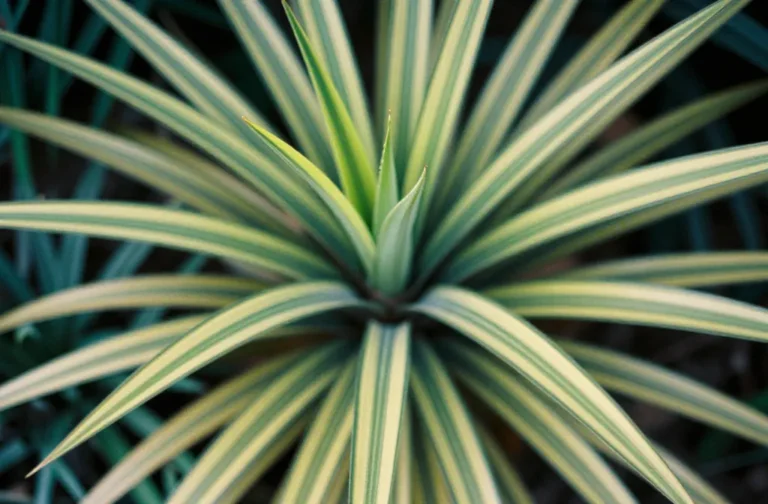
- Dracaena reflexa (Song of India): Variegated, bushier leaves. Adds playful texture and fullness.
Color and Finish Matters
FYI: Glossy leaves read “plastic” under direct light. Choose a matte or satin finish, and avoid neon greens. Slight imperfections feel real; perfection looks fake.
Care and Maintenance (Yes, Even Fake Plants Need It)
You don’t water it, but you still need to show up occasionally.
- Dust monthly: Use a microfiber cloth or a soft paintbrush. Dusty leaves ruin the illusion.
- Quick rinse: If the material allows, rinse gently in the shower and air-dry. Check the label first.
- Rotate quarterly: Sun fades colors over time. Rotate to keep the tones even.
- Fluff the shape: Bend wires and fan the leaves to keep the silhouette natural.
Sun and Fade Prevention
Direct sun can bleach even high-quality faux foliage. Place it a few feet back from bright windows, or use UV-protectant spray if it sits in strong light. Think of it like sunscreen for your plant, minus the coconut smell.
Where to Buy and What to Spend
You can find faux dracaenas at big-box stores, decor brands, and boutique makers. The sweet spot usually sits in the mid-range.
- Budget: Great for small sizes or secondary spaces. Expect simpler trunks and shinier leaves.
- Mid-range: Best value IMO—better leaf texture, realistic canes, and nicer pots.
- Premium: Hyper-real details and lifelike materials. Worth it for centerpiece rooms or design-forward spaces.
Size Guide by Room
- Entryway or corner accent: 5–6 ft
- Bedroom or office: 4–5 ft
- Shelf or tabletop: 18–36 in
Eco and Health Considerations
Here’s the real talk. Faux plants use plastics and sometimes foams. But they also last years and reduce plant waste for folks who can’t keep the real thing alive. If sustainability sits high on your list, buy once, buy well, and avoid trend-chasing sizes you’ll replace in a year.
Bonus: dracaenas are mildly toxic to pets when real. A faux version removes that worry. Just keep curious chewers away from fake leaves, because nobody wants to explain that vet bill.
FAQs
How do I make a faux dracaena look more realistic?
Start with a quality plant, then style it. Re-pot into a substantial planter, top with moss or pebbles, and shape the leaves so they fan out naturally. Keep it dust-free and avoid direct, harsh sunlight that highlights any plastic shine.
Can I use a faux dracaena outdoors?
You can use it on a covered porch or balcony, but protect it from rain, heavy wind, and direct midday sun. Look for UV-resistant versions and consider a protectant spray. Even then, outdoor exposure shortens its life, so rotate it indoors when possible.
What size faux dracaena should I get?
Match the plant height to the visual height of the room and nearby furniture. For most living rooms, 5–6 ft feels balanced. In bedrooms or offices, 4–5 ft works well. If you need shelf decor, go under 3 ft so it doesn’t crowd the space.
How do I clean faux leaves without damaging them?
Use a microfiber cloth or a soft brush to lift dust. For deeper cleans, a damp cloth with a drop of mild soap works on most materials. Test a hidden leaf first. Dry thoroughly and reshape the foliage after.
Are faux dracaenas worth the money?
If you want low-maintenance style and long-term consistency, yes. They save time, avoid pet toxicity, and don’t stress about lighting. Spend a bit more for a realistic trunk and matte leaves—those details pay off every single day.
Will a faux dracaena look cheap?
Not if you choose wisely. Aim for natural color variation, a believable cane, and a good pot. Then style it with proper scale and texture. IMO, once it’s placed and dusted, most guests won’t clock it unless they’re plant detectives.
Conclusion
A faux dracaena gives you the sculptural drama of a real plant with none of the maintenance chaos. Pick a quality version, style it with a strong pot and natural textures, and treat it to the occasional dusting. You get the “wow” factor, the easy life, and a corner that suddenly looks designed. Honestly? That’s a win, FYI.