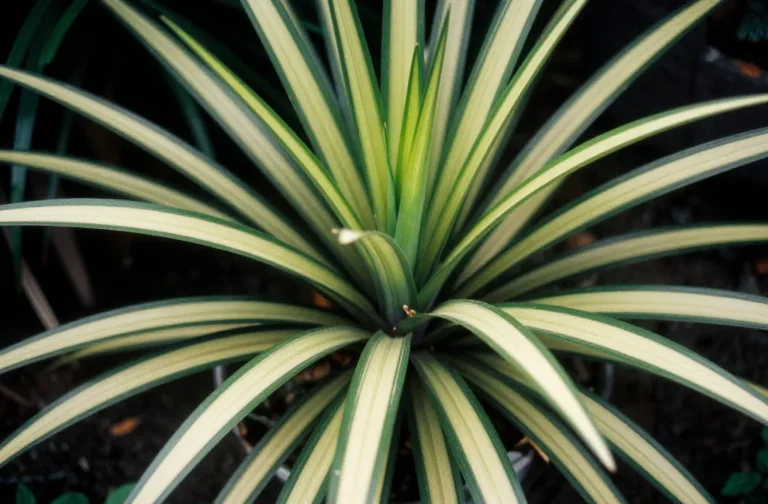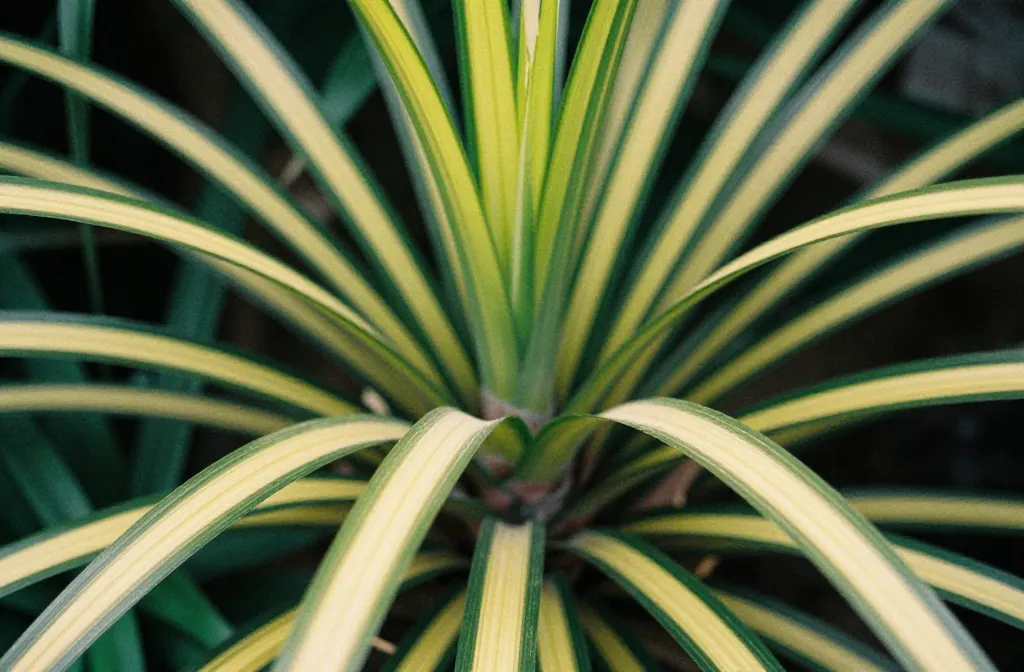
You want a plant that looks like it dressed up for a party but won’t make you baby it? Meet the Gold Dust Dracaena. Those speckled, confetti-like leaves bring instant cheer, and the care routine won’t hijack your weekends. If you’ve kept any houseplant alive for more than a month, you can absolutely rock this one. Let’s make those gold dots sparkle.
Meet the Gold Dust Dracaena (and Why You’ll Love It)
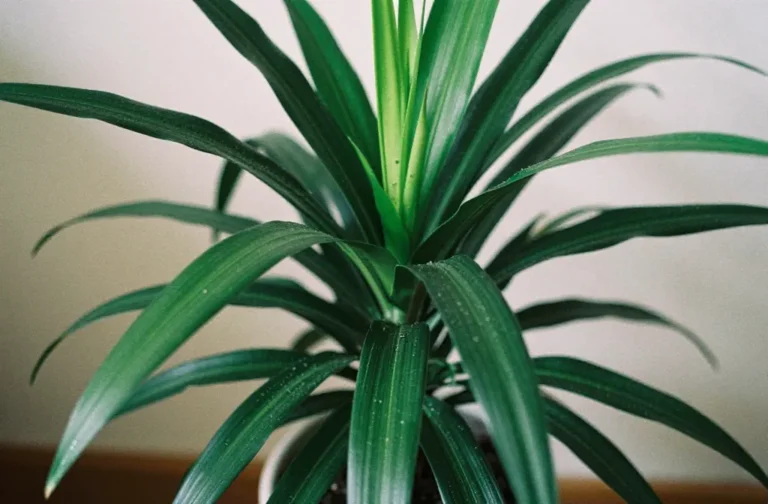
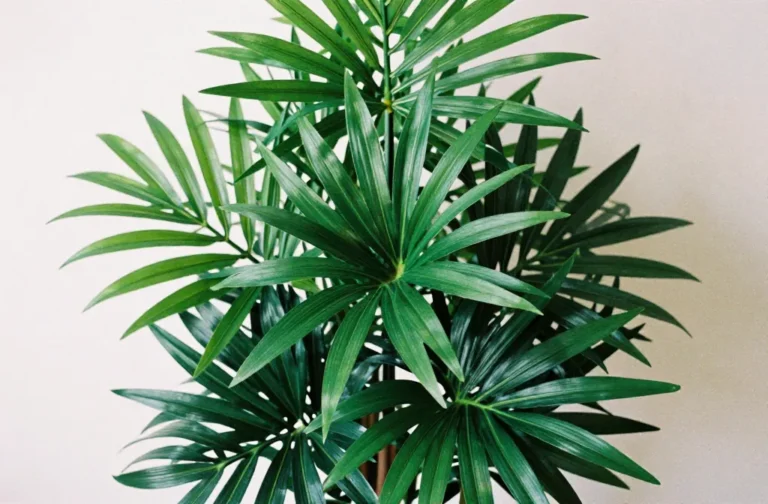
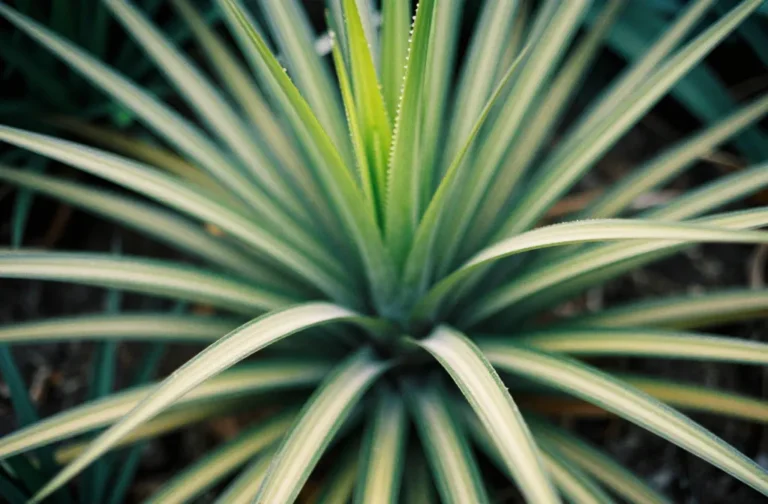
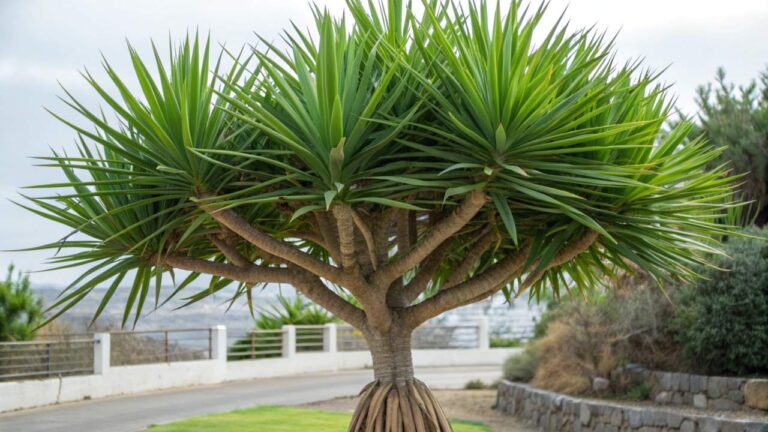
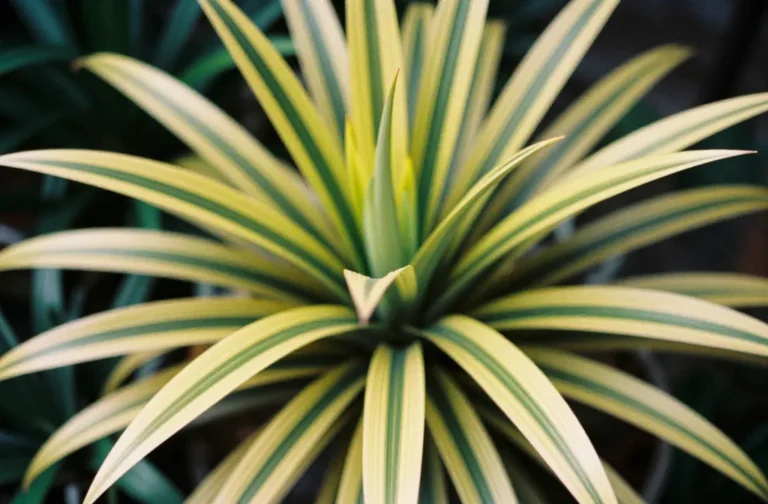
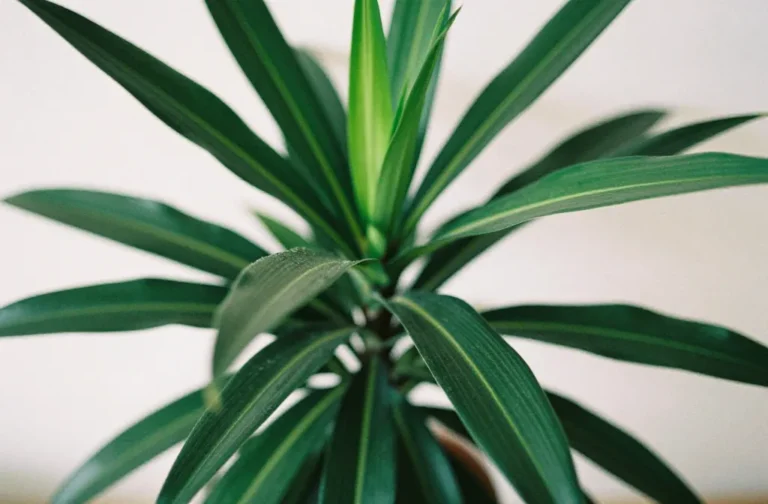
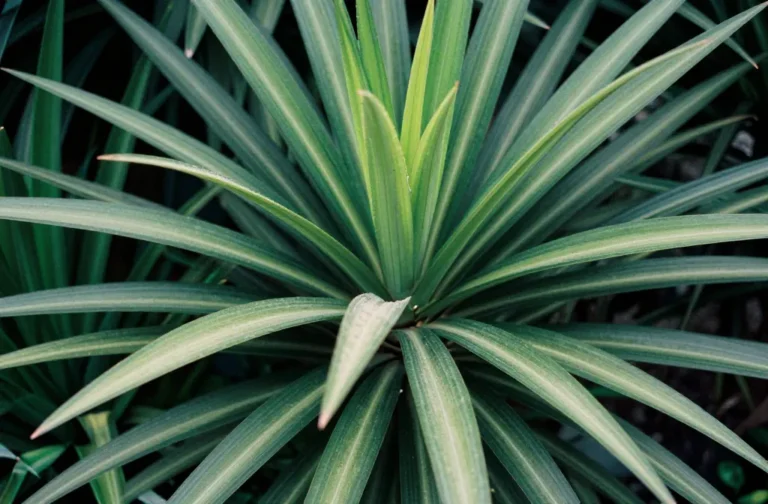
The Gold Dust Dracaena (Dracaena surculosa), sometimes called “Spotted Dracaena” or “Florida Beauty,” flaunts dark green leaves splashed with bright yellow spots. It grows in a bushy, cane-like form and stays compact, which makes it perfect for desks, side tables, or that awkward corner you keep ignoring. It also filters indoor air, which is nice because we all forget to open windows sometimes.
Light: Keep the Sparkles Bright
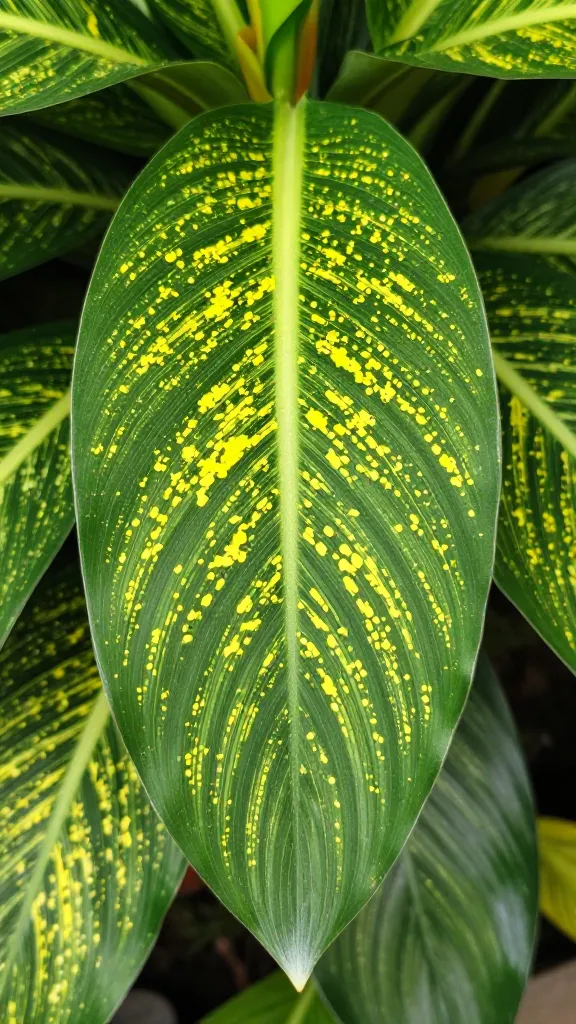
Gold Dust Dracaena loves bright, indirect light. The more light it gets (without direct sun), the better those yellow speckles pop. Direct sun can scorch leaves, though, so park it a few feet back from a sunny window.
- Best spot: East- or north-facing windows, or a few feet from a bright south/west window.
- Too dark? Leaves turn darker green with fewer spots. It survives, but looks “meh.”
- Grow lights: Totally fine. Aim for 10–12 hours of moderate brightness.
Common Light Mistakes
- Direct midday sun: Leads to crispy edges and faded spots.
- Low light for months: Sparse growth and dull leaves. Move it closer to brightness.
Watering: Less Is More
You don’t need a watering schedule; you need a finger and some restraint. Let the top 1–2 inches of soil dry out before watering again. When in doubt, wait a couple days.
- How to water: Water thoroughly until it drains out the bottom, then empty the saucer.
- Frequency: Every 7–14 days in spring/summer, 2–4 weeks in fall/winter, depending on conditions.
- Water quality: Sensitive to salts and fluoride. Use filtered, rain, or let tap water sit overnight. FYI, this prevents brown tips.
Signs You’re Over/Under-Watering
- Overwatered: Yellowing leaves starting at the bottom, mushy stems, fungus gnats.
- Underwatered: Dry, curling leaves, pot feels super light, soil pulling from pot edges.
Soil, Potting, and Repotting
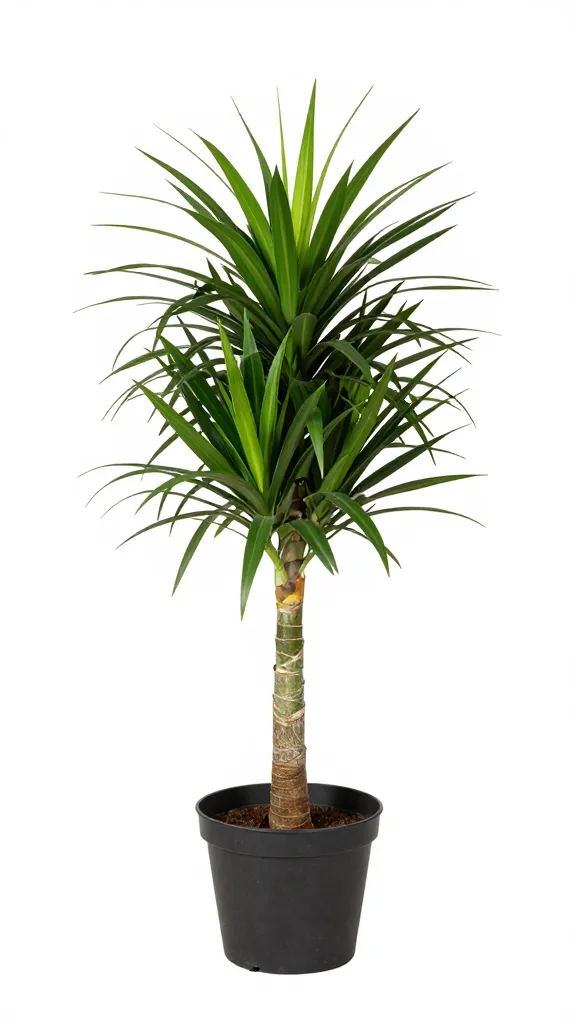
Gold Dust Dracaena likes a loose, well-draining mix. If the soil stays soggy, you’ll get root rot and tears.
- Soil mix: 2 parts high-quality potting soil + 1 part perlite or pumice + 1 part orchid bark or coco chips. Light and airy is the vibe.
- Pot choice: Any pot with a drainage hole. Terracotta helps if you overwater.
- Repotting: Every 2–3 years or when you see roots peeking out. Go up one pot size only.
How to Repot (Quick Steps)
- Water lightly the day before to reduce stress.
- Gently loosen roots; snip any black, mushy parts.
- Set in fresh mix, keep plant at the same depth, and backfill.
- Water once, then let it settle in bright, indirect light.
Temperature, Humidity, and Airflow
Warm and stable beats hot and drafty. This plant prefers conditions similar to yours—cozy.
- Temperature: 65–80°F (18–27°C). Keep it away from cold drafts or heaters.
- Humidity: 40–60% works. It tolerates normal household air but looks extra glossy with a bit more humidity.
- Airflow: Good airflow prevents fungal issues, but skip the wind tunnel.
Easy Humidity Boosts
- Group plants together.
- Set a pebble tray with water beneath the pot (not touching the base).
- Run a small humidifier nearby in winter.
Feeding and Growth Habits
You’re not trying to bulk it up like a gym bro—steady feeding keeps it lush. During the growing season, feed lightly.
- Fertilizer: Use a balanced liquid fertilizer at half strength every 4–6 weeks in spring and summer.
- Skip winter: Growth slows, so save your money and the plant’s dignity.
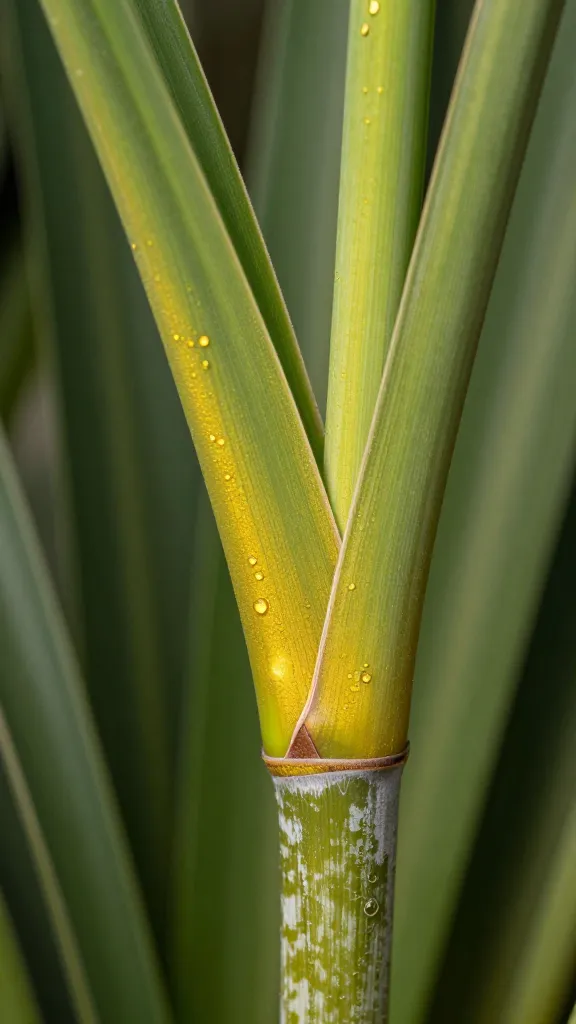
- Growth pattern: Bushy canes with leaves along the stems; it stays compact but can reach 2–3 feet indoors over time.
Pruning for Shape
Snip leggy canes right above a node to encourage branching. Use clean, sharp shears. You can root the cuttings for a fuller look—two birds, one plant.
Propagation: Easy Backup Plants
You want more speckles? Propagate. Stem cuttings root well in water or soil.
- Water method: Take a 4–6 inch cutting with at least one node. Strip lower leaves and place the node in water. Refresh weekly. Pot when roots reach 1–2 inches.
- Soil method: Dip the cut end in rooting hormone (optional), plant in moist, airy mix, and keep warm with bright, indirect light.
- Bonus: Plant several cuttings together for instant fullness.
Pests and Problems (And How to Not Freak Out)
Healthy Gold Dust Dracaenas rarely throw tantrums, but keep an eye out.
- Brown tips: Usually low humidity or fluoride/salt buildup. Improve water quality and humidity. Trim tips if they bug you.
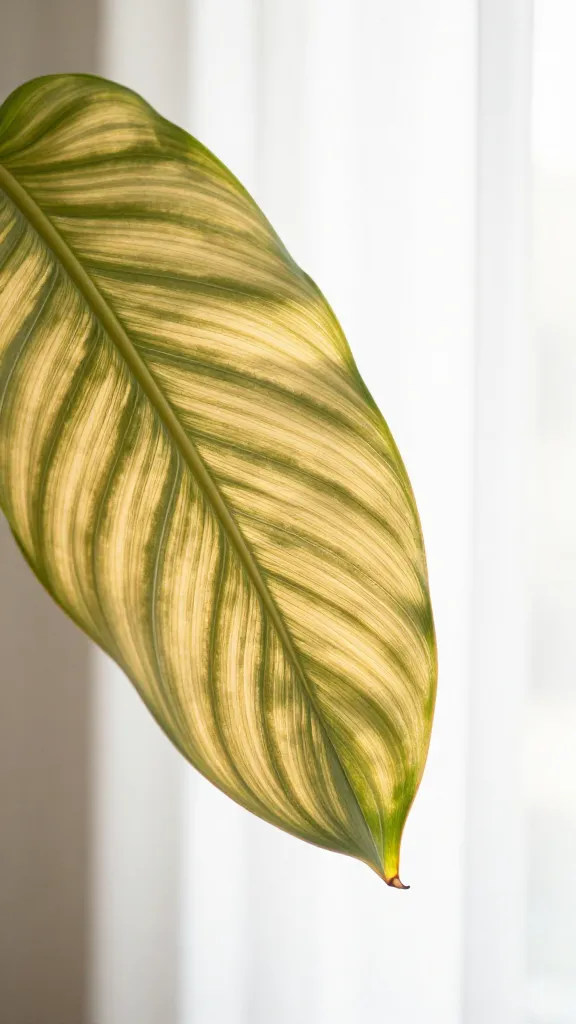
- Yellow leaves: Often overwatering or poor drainage. Check roots and adjust watering.
- Pests: Mealybugs, spider mites, and scale. Treat with insecticidal soap or neem oil weekly until gone.
Quick Pest Routine
- Shower the plant gently to knock off pests.
- Spray leaves (top and underside) with diluted neem or soap.
- Repeat weekly for 3–4 weeks. Quarantine away from other plants, IMO.
Styling and Placement Tips
Gold Dust Dracaena plays well with others. Its polka-dot vibe pops against plain walls and minimal pots.
- Best pots: Matte white, charcoal, or terracotta make those speckles shine.
- Companions: Pair with solid-leaved plants for contrast—ZZ plant, snake plant, or pothos.
- Room ideas: Home office, entryway shelf, bright bathroom. Just avoid direct sun on tiny windowsills.
FAQ
Is Gold Dust Dracaena toxic to pets?
Yes, mildly. Dracaenas contain saponins, which can cause vomiting or drooling if cats or dogs chew them. Keep it out of reach or choose a pet-safe alternative if your furry roommate loves salad.
Why are the yellow spots fading?
Low light usually dulls the speckles. Move the plant to brighter, indirect light and you’ll see better variegation on new growth. Also check that you’re not overfeeding; too much fertilizer can mess with leaf color.
Can I grow it in water long-term?
You can root cuttings in water, but long-term hydro requires a proper setup with nutrients and oxygenation. For most people, potting in a chunky soil mix keeps the plant happier and less fussy, FYI.
How fast does it grow?
Moderately. With good light and consistent care, expect several new leaves per season and slow, steady height gain. If it’s not growing, it probably needs more light or a spring repot.
What if my plant looks leggy?
Prune it. Cut above a node to encourage branching, and root the cuttings to replant in the same pot. Instant glow-up, no filter needed.
Do I need to clean the leaves?
Yes, dust hides the sparkle and blocks light. Wipe leaves monthly with a damp cloth. Skip leaf-shine products—they can clog pores and make leaves sticky.
Conclusion
Gold Dust Dracaena brings drama without the drama. Give it bright, indirect light, water when the top inch or two dries, and keep the soil airy. Prune, propagate, and show off those speckles. It’s low-effort, high-reward—AKA the plant friend we all deserve, IMO.