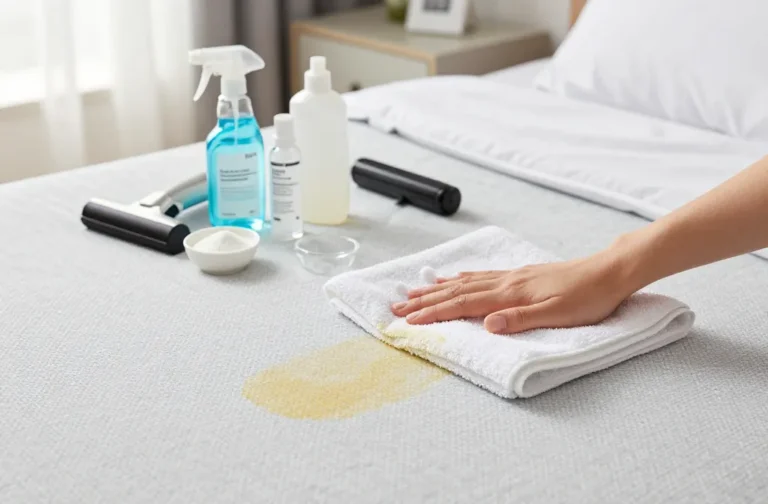
So your couch looks… lived in. Crumbs in the crevices. A mystery stain shaped like Uruguay. Maybe a suspicious smell that says “movie night went too far.” Good news: you can bring it back from the brink without calling in a pro. Grab a few basics, follow a smart order, and your sofa will look fresher than your playlist.
Know Your Fabric Before You Touch Anything
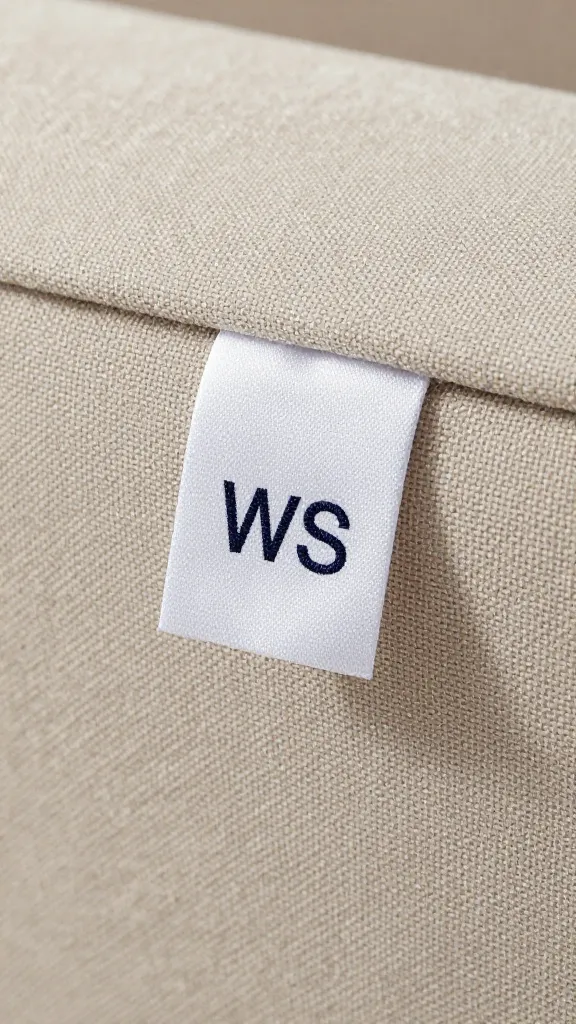
Before you go full cleaning ninja, check the care tag. It usually hides under a cushion or along the frame. Those letters matter more than you think.
- W: Water-based cleaners are safe. You’ve got options.
- S: Solvent-only. Think dry-cleaning-style products. No water.
- WS: Water or solvent. The fabric won’t panic easily.
- X: Vacuum only. No liquids. No experiments. Just vibes.
If the tag’s missing, test a tiny hidden spot with water or cleaner. Wait 10 minutes. No fading or stiff spots? Proceed. If it blotches or bleeds, pull back and go gentler. FYI: leather and faux leather play by different rules—hang tight, we’ll get there.
The Prep: Set Yourself Up for a Win
You can’t clean dirt you haven’t found yet. Do a quick setup so you don’t grind grit deeper.
- Clear the deck: Remove pillows, throws, and any small items silently judging your life choices.
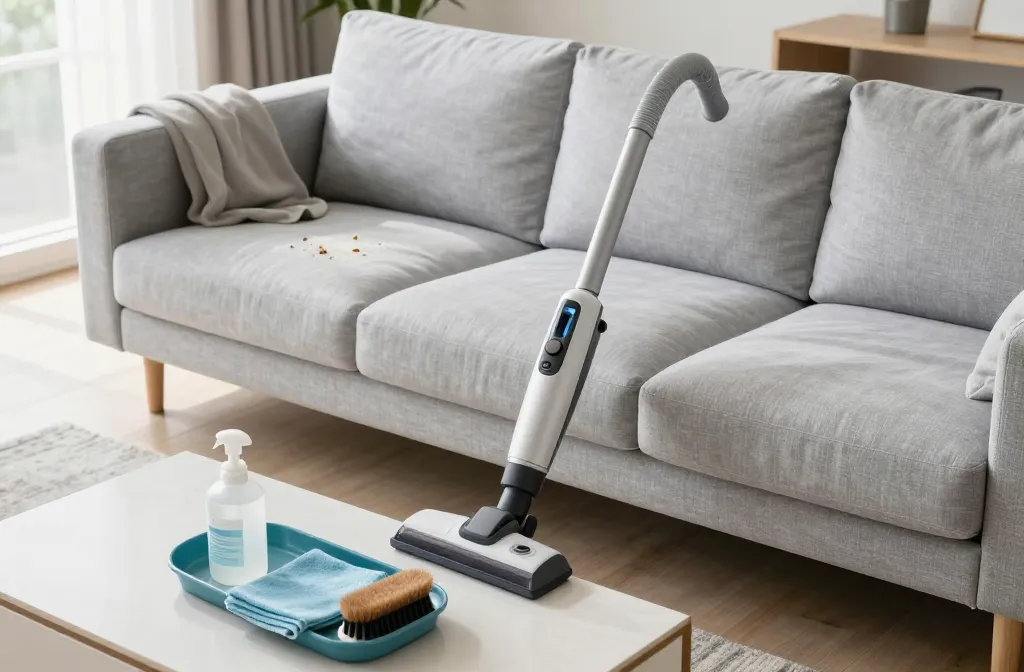
- Vacuum like you mean it: Use the upholstery attachment. Hit cushions, backs, sides, and seams. Crevice tool = crumb assassin.
- Lint-roller pass: Pet hair laughs at vacuums. A lint roller or rubber glove lightly dampened with water grabs hair fast.
Deodorize Before You Wash
If your couch just smells… tired, sprinkle baking soda over fabric. Let it sit 20–60 minutes. Vacuum it up. It won’t fix stains, but it eats odors like a champ.
Spot Treatment: Kill Stains Without Killing Fabric
You’ll tackle stains before any full-on cleaning. Work from least aggressive to more aggressive. And blot, don’t scrub—unless you enjoy fuzzy fabric.
Water-Safe Fabrics (W, WS)
- Everyday stains: Mix warm water with a small squirt of mild dish soap. Dip a clean cloth, wring it out well, and blot the stain from the outside in. Rinse with a damp cloth (plain water), then blot dry with a towel.
- Grease or body oil: Sprinkle cornstarch or baking soda. Let sit 15–30 minutes. Vacuum, then blot with dish-soap solution. Repeat if needed.
- Ink or dye transfer: Dab (don’t rub) with isopropyl alcohol on a cotton swab or cloth. Test first—alcohol can fade some fabrics.
- Red wine, juice, coffee: Blot with a 1:1 mix of white vinegar and water, then follow with the dish-soap solution. Rinse and blot dry.
Solvent-Only Fabrics (S)
Use a dry cleaning solvent designed for upholstery. Ventilate the room. Apply to a cloth (not directly to the couch) and blot gently. If you see dye transfer on your cloth that isn’t the stain, stop and reassess. IMO, this is where patience pays off.
“X” Fabrics
Vacuum only. If a stain laughs at you, call a pro. Sorry. I don’t make the rules, I just keep your sofa from crying.
Deep Clean Without Destroying the Cushions
Once stains look better, you can do an overall clean to reset the fabric. Choose your method based on the tag.
For W/WS Fabrics: DIY Fabric Shampoo
You’ll need:
- Bucket of warm water
- 1–2 teaspoons mild dish soap or a small amount of laundry detergent
- Optional: 1 tablespoon white vinegar for extra deodorizing
- Two microfiber cloths (one for washing, one for rinsing)
Steps:
- Whip up suds: Agitate the soapy water to create foam. Use mostly foam to avoid overwetting.
- Wipe sections: Lightly apply suds with your wash cloth, working in 2–3 foot sections. Don’t drench. Clean cushion fronts, backs, arms—everything.
- Rinse: Wipe each section with a clean cloth dampened with plain water.
- Blot dry: Press with a dry towel to pull moisture.
- Airflow: Aim a fan at the couch and open windows. Speed-drying prevents musty smells.
For S Fabrics: Solvent Refresh
Use a solvent-based upholstery cleaner or foam. Apply sparingly per instructions. Work in small sections and allow generous drying time. Keep heat away—solvents can be drama queens.
Special Cases: Leather, Faux Leather, and Microfiber
Different materials = different rules. Your couch will thank you.
Leather (Aniline, Semi-Aniline, Pigmented)
- Dust and vacuum first.
- Wipe down with a barely damp cloth and mild soap solution (like a drop or two of soap in a bowl of water). Don’t soak.
- Dry immediately with a towel.
- Condition every 6–12 months with a leather conditioner to prevent cracking.
- Ink stains: Use a leather-safe ink remover only; alcohol can strip dye.
Faux Leather (PU, Vinyl)
- Use a mild soap-and-water wipe-down, then dry.
- Avoid harsh solvents—they can cloud or peel the finish.
- Conditioners made for faux leather keep it from getting sticky or brittle.
Microfiber (Often Tagged W or S)
Microfiber shows water rings easily, so go light.
- W label: Use suds, not soaks. Brush the fibers gently once dry to restore the nap.
- S label: Rely on solvent sprays, then brush with a soft-bristle brush to fluff.
Odors, Allergens, and “Why Does It Still Smell?”
If the couch smells funky after cleaning, moisture or trapped gunk hides inside cushions. You have options.
- Sun + air: If cushions have removable covers, air the inserts outside for a few hours. UV helps deodorize.
- Enzyme cleaner: For pet accidents or food spills, use an enzyme-based cleaner on W/WS fabrics to break down odors at the source. Follow label directions religiously.
- Baking soda overnight: Heavy odor? Leave it on fabric overnight, then vacuum.
- HEPA vacuum: Allergies? A HEPA-equipped vacuum reduces dust mites and dander meaningfully, FYI.
Mildew or Musty Smells
That means moisture hung around too long. Increase airflow, run a dehumidifier, and spot-treat with a 1:1 vinegar-water solution on W/WS fabrics. If you see actual mold, gloves on and consult a pro—safety first.
Maintenance: Keep It Clean Longer (Because You’re Busy)
A little routine beats a big rescue mission every time.
- Weekly: Quick vacuum and lint-roll. Takes 5 minutes.
- Monthly: Rotate and flip cushions if possible to prevent butt grooves. Very scientific term.
- Quarterly: Light overall clean and baking-soda deodorize.
- Spill protocol: Blot immediately with a dry cloth. Then treat per fabric code. Don’t Google for three hours while the stain sets—ask me later, IMO.
- Arm covers or throws: They take the hit so your couch doesn’t. Wash and swap.
Tools Worth Having
– Upholstery attachment and crevice tool
– Microfiber cloths (a stack—you’ll use them)
– Soft-bristle brush
– Baking soda, white vinegar, mild dish soap
– Solvent cleaner if you own S-fabric upholstery
– Fan or dehumidifier for faster drying
FAQ
How often should I deep clean my couch?
Aim for a light clean monthly and a deeper clean every 3–6 months, depending on use. Pets, kids, and movie marathons push you closer to the 3-month mark. If it’s your Netflix throne, treat it accordingly.
Can I use a steam cleaner on my couch?
Only if the tag says W or WS and you test first. Use low moisture and keep the head moving. Too much steam can cause water spots, shrinkage, or, worst case, loosen glue in the upholstery layers. If the tag says S or X, skip it.
What if my cushions have removable covers—can I machine wash them?
Maybe. Check the tag on the cover. If it allows machine washing, zip them up, wash cold on gentle, and air-dry to avoid shrinkage. Put the covers back on when slightly damp so they fit smoothly.
How do I handle old, set-in stains?
You’ll need patience and repeat treatments. Pre-treat with the appropriate cleaner, let it dwell for 5–10 minutes, then blot and rinse. Multiple rounds beat one aggressive scrub. If it’s a dye transfer or mystery stain from 2016, a pro might be your best bet.
My couch feels crunchy after cleaning—help?
Residue from soap or too much cleaner dried in the fibers. Wipe again with a clean cloth dampened with plain water to rinse. Then blot dry and brush the fabric to soften it. Next time, use less product and more blotting.
Is vinegar safe for every couch?
Nope. Vinegar works well on W/WS fabrics in diluted form, but it can discolor delicate materials or leave a lingering scent if overused. Always test first and follow with a water rinse to neutralize.
Wrap-Up: Your Couch Deserves a Comeback Tour
You don’t need fancy gadgets or a hazmat suit to clean a couch—just the right approach for your fabric and a bit of patience. Check the tag, vacuum like a pro, spot-treat smartly, and don’t drown the cushions. Keep airflow strong and maintenance simple. Do that, and your couch will keep looking (and smelling) like a place you want to sit—preferably with snacks that don’t crumble. IMO, that’s a win.