You don’t need a magic wand or a full hazmat suit to clean your carpet. You just need a plan, a few tools, and a bit of elbow grease. We’ll tackle spills, mystery odors, and that gray “traffic lane” that appears out of nowhere. Ready to make your carpet look and smell fresh again?
Know Your Carpet (So You Don’t Wreck It)
Before you start blasting stains with whatever’s under the sink, take a minute to figure out what you’re working with. Different fibers react to cleaners differently, and some dyes bleed when they shouldn’t. Not fun.
- Check the tag or manufacturer’s site: Look for fiber type (nylon, polyester, wool, olefin) and recommended cleaning methods.
- Do a spot test: Dab your chosen cleaner on a hidden area. Wait 5–10 minutes. No discoloration or fuzzing? You’re good.
- Note the pile: High-pile and shag trap more dirt; low-pile is easier to vacuum but shows stains faster.
Master the “Daily-ish” Basics
You don’t need to deep clean every weekend. But small habits keep carpets from turning into crumb graveyards.
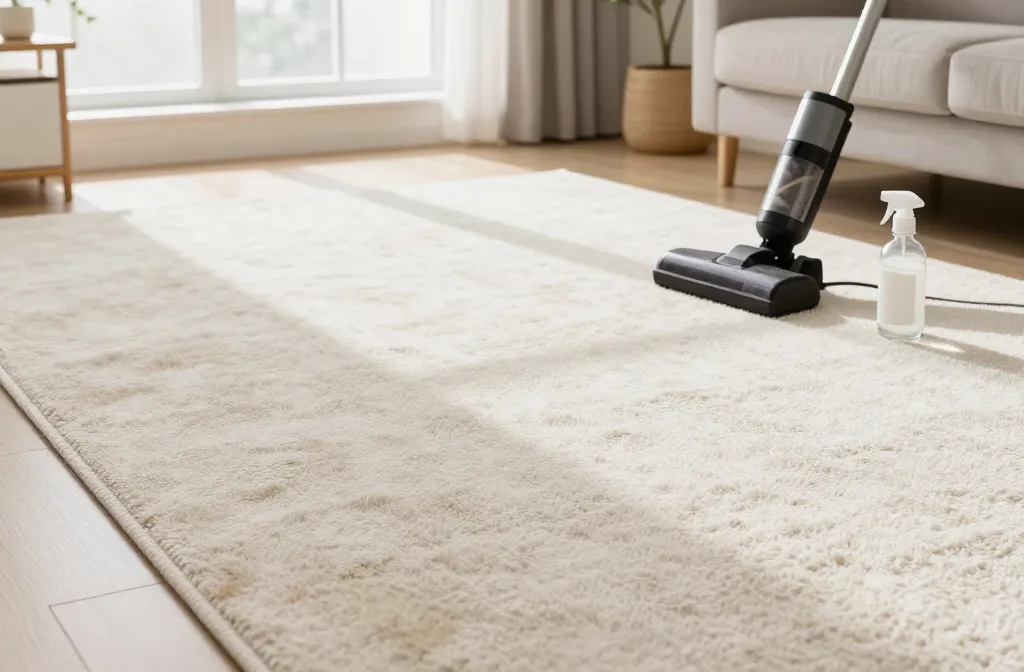
- Vacuum weekly (twice for high-traffic areas). Use slow passes and overlap. Speed-vacuuming does nothing. Sorry.
- Use the right height: Too high and you miss dirt; too low and you chew the carpet. Adjust until you feel the vacuum “grab.”
- Attack edges and stairs with crevice tools. That line of dust by the baseboards? It’s called filtration soil. It’s stubborn—don’t ignore it.
- Door mats = lifesavers. One outside, one inside. You’ll trap grit before it sands your carpet down.
Spot and Stain Triage (Don’t Rub. Ever.)
Spills happen. Coffee leaps out of cups. Wine jumps off tables. The first few minutes matter a lot.
- Blot immediately with clean, white cloths. Press hard. Repeat. Pull up as much liquid as possible.
- Use cold water first. Sometimes that alone solves it. Wild, right?
- Apply a carpet-safe cleaner (or a DIY mix: 1 cup warm water + 1/2 tsp clear dish soap). Lightly mist. Don’t soak.
- Blot again, working from the outside in. No scrubbing. Scrubbing drives the stain deeper and frizzes fibers.
- Rinse with a damp cloth to remove cleaner residue. Residue attracts dirt later. IMO, rinsing makes or breaks the result.
- Weigh it down: Place a dry towel on the spot and set a heavy book on it for an hour to lift moisture.
Common Stains, Fast Fixes
- Red wine or juice: Blot, then use a mix of 1 cup warm water + 1 tbsp white vinegar. For tough cases, follow with a few drops of hydrogen peroxide (on light carpet only). Spot test!
- Pet accidents: Blot, then use an enzyme cleaner to break down odors. Enzymes do what perfumes can’t.
- Grease: Sprinkle baking soda or cornstarch, let sit 10–15 minutes, vacuum, then treat with dish-soap solution.
- Gum: Ice cubes to freeze, then gently chip away with a dull knife. Residue? Dab a tiny bit of rubbing alcohol.
- Ink: Dab (don’t rub) with isopropyl alcohol on a cloth. Work slowly. Replace the cloth as it picks up ink.
Dealing with Odors (Because “Eau de Dog” Isn’t a Scent)
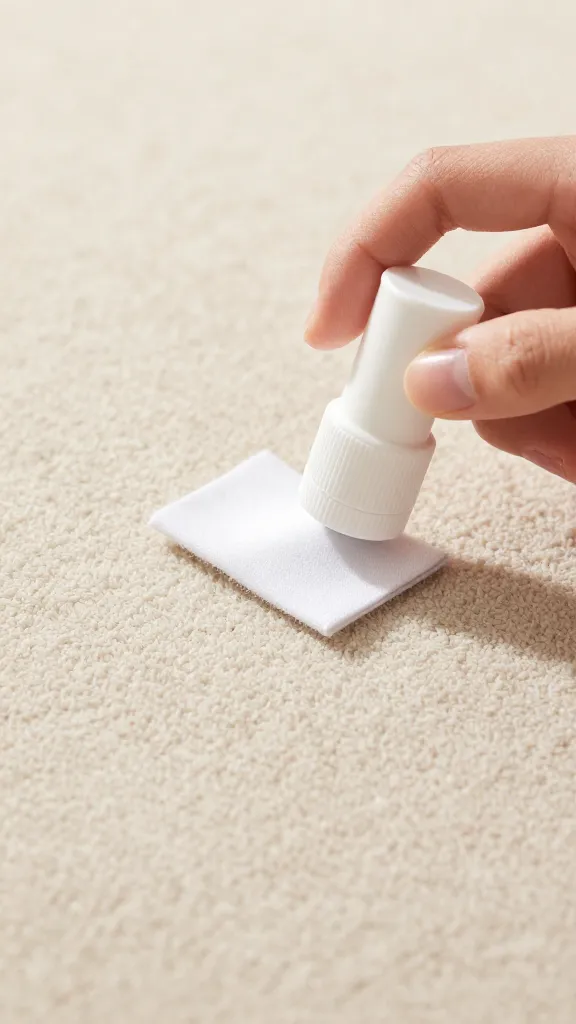
If your carpet smells like a locker room, it’s trapping bacteria and oils. Neutralize, don’t mask.
- Baking soda refresher: Sprinkle generously, brush lightly into fibers, and let sit for 1–3 hours. Vacuum thoroughly.
- White vinegar mist: 1:1 vinegar and water in a spray bottle. Lightly mist and air out the room. The vinegar smell fades and takes musty odors with it.
- Pet zones: Use enzyme cleaners specifically labeled for urine. They eat the odor-causing compounds. Chemistry to the rescue.
When to Worry
If you smell a sour or mildew odor after cleaning, you probably left too much moisture. Open windows, run fans, and use a dehumidifier. If it lingers after 24–48 hours, FYI, you might need professional help to prevent mold.
The At-Home Deep Clean (Without Ruining Anything)
Steam cleaning (a.k.a. hot water extraction) works great when you do it right. Rental machines can do the job if you go slow and resist the urge to over-soap.
- Pre-vacuum thoroughly. You’ll extract far more gunk if you remove dry soil first. Non-negotiable.
- Pretreat stains and traffic lanes with a pre-spray. Let it dwell 5–10 minutes. Dwell time = magic.
- Mix detergent lightly: More soap doesn’t mean cleaner. It means residue. Follow the bottle exactly.
- Use slow, overlapping wet passes and even slower dry passes to pull moisture back out.
- Rinse pass with clean water if your machine allows it. This reduces residue and re-soiling.
- Dry fast: Open windows, turn on fans, and aim air movers if you have them. Avoid furniture and foot traffic until fully dry.
How Often Should You Deep Clean?
– Families with pets/kids: every 3–6 months.
– Average household: every 6–12 months.
– Low-traffic spaces: yearly.
If your “neutral” carpet now looks gray where you walk, it’s time—no calendar needed.
Professional Help: When to Call in the Big Guns
Sometimes the pros just make sense. They use hotter water, stronger suction, and better chemistry.
- Call a pro if you see waves, ripples, or delamination, or if you face major pet issues.
- Ask about methods: Hot water extraction usually cleans deepest. Low-moisture (encapsulation) works well for maintenance in offices and quick turnarounds.
- Request a fiber-safe approach for wool or natural fibers. These need gentler products and lower heat.
- Get a price by square footage and confirm what’s included: moving furniture, spot treatments, protector, deodorizer.
Prevention: Less Cleaning, More Living
Want fewer stains and less work? Make your carpet harder to mess up in the first place.
- No-shoes policy: Cuts soil by a shocking amount. Slippers by the door help.
- Area rugs and runners on high-traffic paths. They take the beating so your carpet doesn’t.
- Carpet protector after deep cleaning. It helps spills bead up instead of sinking in.
- Rotate furniture a few inches now and then to break up traffic lanes.
- Groom the pile with a carpet rake after vacuuming. It lifts crushed fibers and, IMO, makes everything look “newer.”
The Minimalist Cleaning Kit
If you want a lean, effective setup, stock:
- Vacuum with adjustable height and strong suction
- White microfiber cloths and a soft brush
- Clear dish soap, white vinegar, baking soda
- Enzyme cleaner for pets
- Spray bottles, a small wet/dry vac for spot extraction
FAQ
Can I use baking soda and vinegar together on carpet?
You can, but don’t rely on the fizz for cleaning power. They neutralize each other. Use baking soda for deodorizing first, vacuum it up, then treat stains with a vinegar solution separately. Better results, less mess.
Do carpet powders damage vacuums?
Some do. Fine powders can clog filters and reduce suction. If you use one, vacuum slowly with a clean filter and empty canister right after. Personally, I prefer baking soda and a deep clean over perfumed powders.
Will steam clean set stains?
Heat can set certain stains (dye, blood, some proteins). Always treat and rinse stains before you run a hot extractor. When in doubt, start with cold water and enzyme cleaner, then extract.
How do I fix crushed carpet dents from furniture?
Place an ice cube in the dent, let it melt, then fluff with a spoon or soft brush. Add gentle steam from a garment steamer if needed. Don’t over-wet—just enough moisture to relax the fibers.
Is shampooing or hot water extraction better?
Hot water extraction usually wins. It rinses out soil and detergent more effectively. Shampooing can leave residue if you don’t rinse thoroughly. Extraction + a rinse pass = chef’s kiss.
What if my carpet keeps looking dirty after I clean it?
Residue might attract soil, or you still have embedded grime in the pad. Do a rinse-only pass, improve drying, and consider a pro clean. If traffic lanes remain gray after that, the fibers might be worn—not just dirty. Sad but true.
Conclusion
Clean carpet doesn’t need to feel like a part-time job. Nail the basics, treat spills fast, and deep clean smart with minimal soap and maximum drying. Layer in a few preventative moves, and you’ll keep your floors fresh, soft, and totally un-embarrassing. And hey, if a bottle of red tries to make a comeback? You now have a game plan.