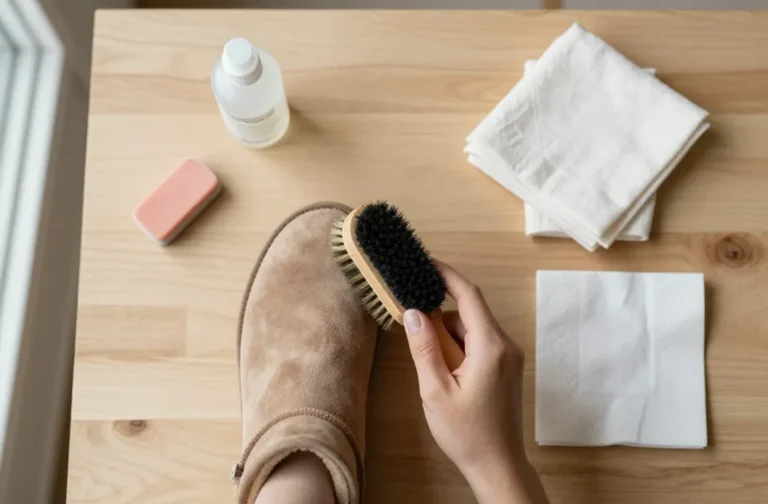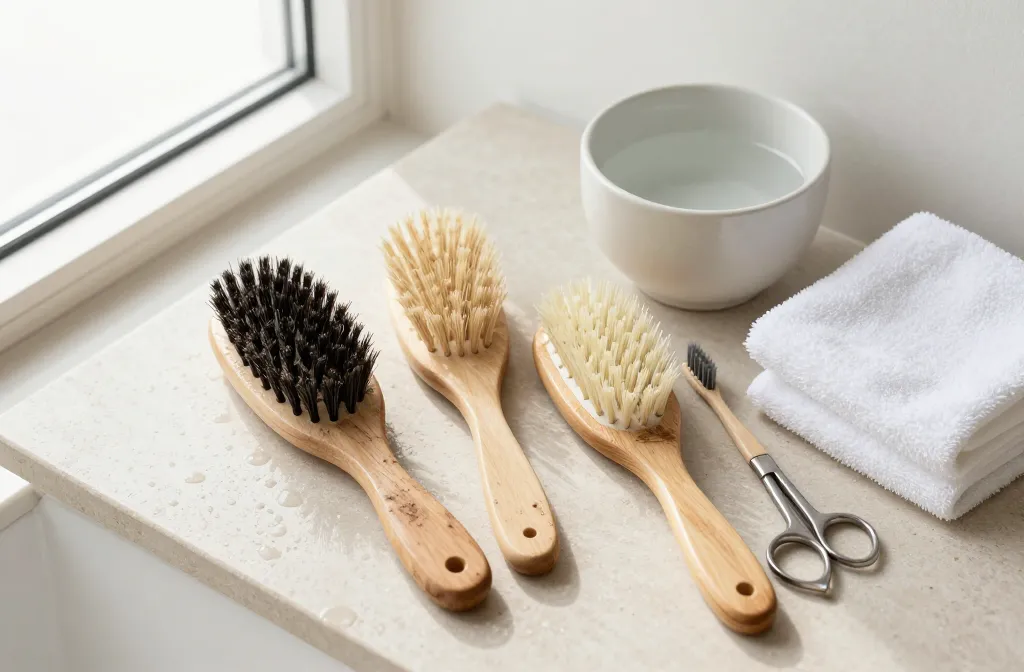
You wouldn’t skip washing your hair for months, right? Then why let your brush stew in a soup of oil, lint, and old product. A dirty brush just redeposits gunk back into clean hair—rude. The good news: cleaning brushes takes minutes, costs next to nothing, and makes your hair behave better. Let’s fix that fuzzy, dusty situation.
Why a Clean Brush Matters (More Than You Think)
You brush to smooth, detangle, and add shine. A filthy brush sabotages all three. It spreads scalp oil, leftover dry shampoo, and dust through your hair. That equals flat roots, dull ends, and random stickiness that never seems to go away.
Also, germs and product buildup mess with your scalp. If your roots feel greasy 24/7, your brush likely needs a detox. Clean brush = cleaner scalp, better styling, and fewer tangles. Simple math.
Know Your Brush: Bristles, Bases, and What They Want
Not every brush gets the same spa day. Check what you’ve got:
- Boar bristle: Great for distributing oils. Gentle clean, avoid harsh scrubbing.
- Nylon or plastic bristle: Tougher stuff. Handles deeper cleaning.
- Mixed bristle: Treat like boar bristle, but you can scrub a bit more.
- Paddle with cushioned base: Do not soak fully—water can get trapped and moldy.
- Round brush (metal or ceramic barrel): Product loves to stick here. You’ll need extra de-gunking.
- Wooden handle: Keep it mostly dry. Wipe instead of dunking.
The Fast Clean: Your Weekly Two-Minute Routine
You do not need a ritual every time. A quick tidy keeps the big clean easy later. Do this once or twice a week:
- Pull out the hair: Use your fingers or the tail of a comb to snag clumps from the base. Work section by section.
- Flick out dust and lint: Tap the brush spine on your palm or the sink edge. You’ll see the fluff fly. Cute? No.
- Wipe the bristles: Lightly dampen a microfiber cloth with water and a drop of shampoo, then wipe across the tips and base. Avoid soaking pads and wood.
Tools That Make This Stupid-Easy
- Rat-tail comb (or a clean pen, FYI)
- Old toothbrush
- Microfiber cloth or paper towels
- Small bowl, mild shampoo, baking soda (optional), white vinegar (optional)
- Scissors for snarled hair knots
The Deep Clean: Once a Month (Or When It Looks Gross)
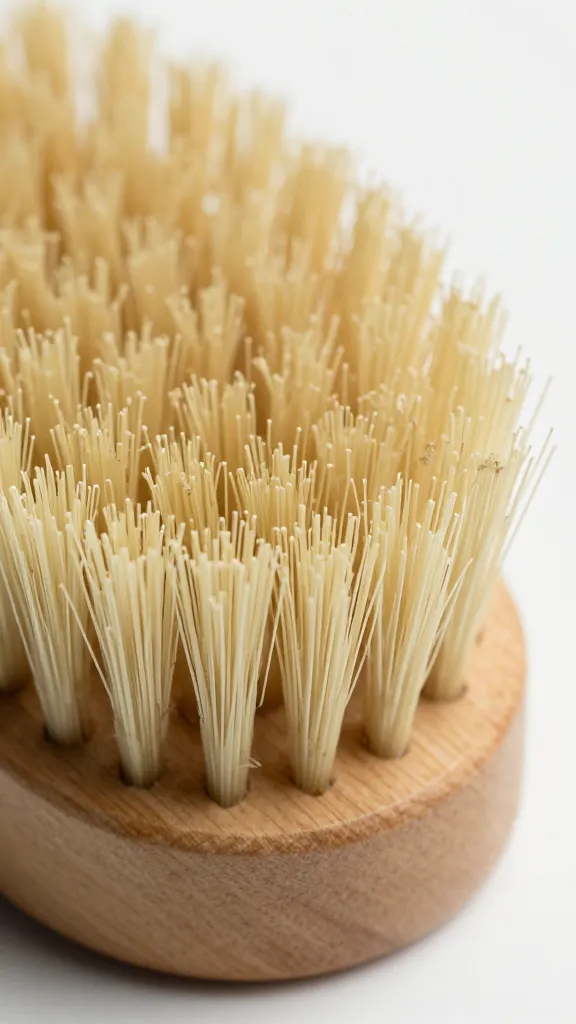
When your brush feels tacky or looks gray at the base, it’s time. Here’s the play-by-play:
- De-hair thoroughly: Remove every strand you can. For tight clusters, snip through the matted hair with scissors, then pull it free.
- Make a cleaning bath: Fill a bowl or sink with warm water. Add a teaspoon of gentle shampoo. For heavy buildup, add a teaspoon of baking soda. Stir.
- Soak smart:
- Plastic/nylon brushes: Soak bristles down for 5–10 minutes.
- Boar bristle or cushioned base: Dip just the bristles. Do not submerge the pad or handle.
- Wooden handles: Skip soaking. Dip bristles only, or use a damp cloth with shampoo.
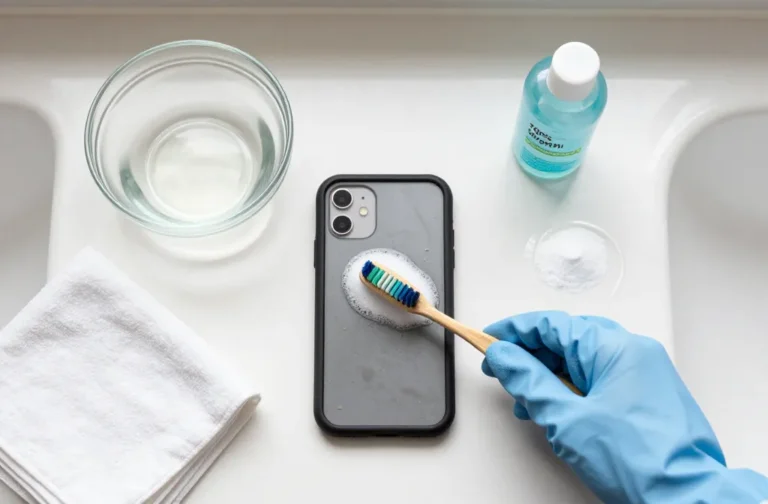
- Scrub: Use an old toothbrush to loosen grime at the base and along the bristles. Go gentle on boar bristle and cushion pads.
- Rinse: Run lukewarm water over the bristles until it feels squeaky clean. Keep the handle mostly dry.
- Disinfect (optional): For plastic/nylon, mix 1 part white vinegar to 3 parts water. Brief dip or quick wipe, then rinse. IMO, skip vinegar on wood and boar—just unnecessary risk.
- Dry properly: Pat dry with a towel, then air-dry bristles down on the edge of the counter. This prevents water pooling in the pad or handle. Let it sit until fully dry before using.
Round Brushes Need Extra Love
Product cooks onto those metal/ceramic barrels when you heat style. Work shampoo directly onto the barrel with a toothbrush, focusing on those little holes. If gunk laughs at you, make a paste with baking soda and a few drops of water, scrub, then rinse well.
Dealing With Stubborn Buildup (When Your Brush Feels Sticky)
Sticky means you’ve got a cocktail of hairspray, oils, and dust. Attack it like this:
- Oil-breaker first: A drop of dish soap on a damp toothbrush cuts through waxy residue fast. Scrub, rinse, then follow with gentle shampoo to keep things nice.
- Target the base: Most grime lives there. Angle your brush so you can reach between bristles.
- Rinse until not slippery: If it still feels slick, you’re not done.
What About Combs?
Plastic combs love a sudsy soak. Drop them into your shampoo bath for 10 minutes, scrub with a toothbrush, rinse, and dry. Wooden or horn combs? Wipe with a damp cloth and a bit of shampoo, then dry immediately. Treat them like fancy furniture.
Prevent the Gunk: Small Habits, Big Payoff
You can keep your brush cleaner longer with minimal effort:
- Remove hair after every use: Two seconds, zero excuses.
- Brush before styling products: Avoid mashing mousse and spray straight into the bristles.
- Store bristles-up: Keeps dust and lint from settling in.
- Keep a mini brush-cleaner tool: Those little rake tools work, but a rat-tail comb does the same job.
- Wash your brushes when you wash your makeup brushes: Make it a habit stack, FYI.
Special Materials and What Not to Do
Some quick “please don’t” rules to save your tools:
- Don’t soak wood: It warps, cracks, and gets funky. Wipe it instead.
- Don’t use boiling water or harsh bleach: You’ll melt glue, fade bristles, and wreck cushion pads.
- Don’t store damp brushes in closed drawers: That’s how mildew says hello.
- Don’t yank with force: If hair knots refuse to budge, cut through the clump first.
FAQ
How often should I clean my hair brush?
Weekly quick cleans keep things fresh, and a deeper wash once a month handles buildup. If you use lots of styling products or have very oily hair, bump the deep clean to every two weeks. Your nose and eyes know—if it looks dull or smells off, wash it.
Can I use shampoo or should I buy a special cleaner?
Regular shampoo works great. It’s designed to break down oil and product on hair and does the same for your brush. A drop of dish soap helps with super-sticky residue, but don’t use it every time.
Is vinegar safe for all brushes?
Vinegar disinfects plastic and nylon brushes well when diluted. Keep it away from wood and natural bristles, IMO, because it can dry them out or seep into the handle. If you use it, rinse thoroughly and dry bristles-down.
What if my brush smells musty?
Musty usually means trapped moisture. Deep clean it, rinse thoroughly, and dry with bristles facing down. If the cushion squishes or you see black spots inside, retire it—mildew doesn’t play nice.
Can I put my brush in the dishwasher?
I wouldn’t. Heat and detergents can loosen glue, warp plastic, and destroy cushion pads. A five-minute hand wash beats buying a new brush because your dishwasher went feral.
How do I clean a very expensive boar bristle brush without ruining it?
Remove hair daily, then do gentle monthly cleans: dip only the bristles in lukewarm water with a tiny bit of shampoo, swish with fingers, and rinse lightly. Pat dry, then air-dry bristles-down. Keep the handle and pad as dry as possible.
Wrap-Up: Clean Brush, Better Hair
You don’t need a full-on chore chart—just a fast weekly tidy and a quick monthly spa day. Your brush will glide better, your hair will look shinier, and your scalp won’t feel weighed down. Low effort, high payback. Now go evict the lint colony, and enjoy that fresh-brush glow-up.