Sun, snacks, and a comfy seat—that’s the whole point of outdoor cushions, right? Until you sit down and realize your cushion looks like it moonlights as a mildew farm. Don’t toss them yet. With a little elbow grease and the right approach, you can revive even the grimiest patio pillows. Let’s clean them up so your backyard lounge vibes come back strong.
Know Your Cushion: Fabric, Filler, and Zippers
Not all outdoor cushions come from the same planet. Some have removable covers, some don’t. Some resist water, and some soak it up like a sponge.
Check the tag first. You’ll usually see cleaning codes or fabric info:
- Removable covers: You can often unzip and toss them in the washer. Easy win.
- Non-removable covers: You’ll spot-clean and rinse the whole cushion.
- Foam vs. polyester fill: Foam holds water longer. Polyester dries faster.
- Performance fabrics (Sunbrella, etc.): They shrug off stains with the right cleaner.
FYI: If the tag says “dry clean only,” ignore that for outdoors. You’ll hand-clean carefully instead.
Quick Clean: The Fast Refresh You’ll Actually Do
If the cushions just look dusty or have a few crumbs, skip the science project. Do this once a week during patio season.
- Shake and beat: Take them outside and give them a few good swings. Dust and pollen, be gone.
- Vacuum: Use a brush attachment. Get seams and crevices—dirt hides there on purpose.
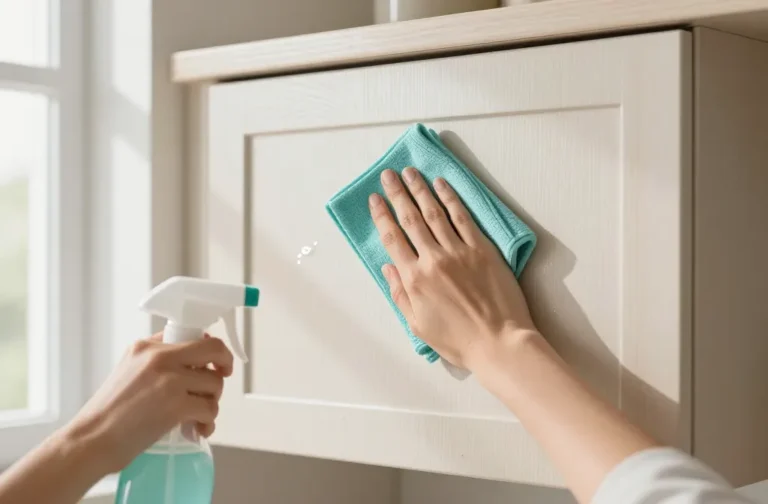
- Spot touch-up: Mix warm water and a drop of dish soap. Blot stains with a microfiber cloth. Rinse with a damp cloth.
- Dry in the sun: Stand them on edge so air flows through. Sunlight helps deodorize, IMO.
Deep Clean: The Sudsy Reset for Grimy Cushions
When the cushions look tired, give them a proper bath. You’ll need warm water, dish soap or mild laundry detergent, a soft brush, and a hose.
If the covers come off
- Unzip and remove: Shake out debris first.
- Pre-treat stains: A small amount of liquid laundry detergent or a dedicated stain remover works great. Let it sit 10 minutes.
- Machine wash: Cold or warm, gentle cycle. Skip fabric softener. It can affect water resistance.
- Air dry only: Lay flat or hang. Don’t use a dryer unless the tag specifically says you can.
- Wipe the inserts: If they’re not washable, spritz with a mild soapy solution and wipe down. Let them dry completely.
If the covers don’t come off
- Vacuum thoroughly: Remove sand, dirt, and pollen first. Soap + grit = abrasive mess.
- Mix a cleaning solution: 1 gallon warm water + 1 tablespoon dish soap. For performance fabrics, check the brand’s recommendations.
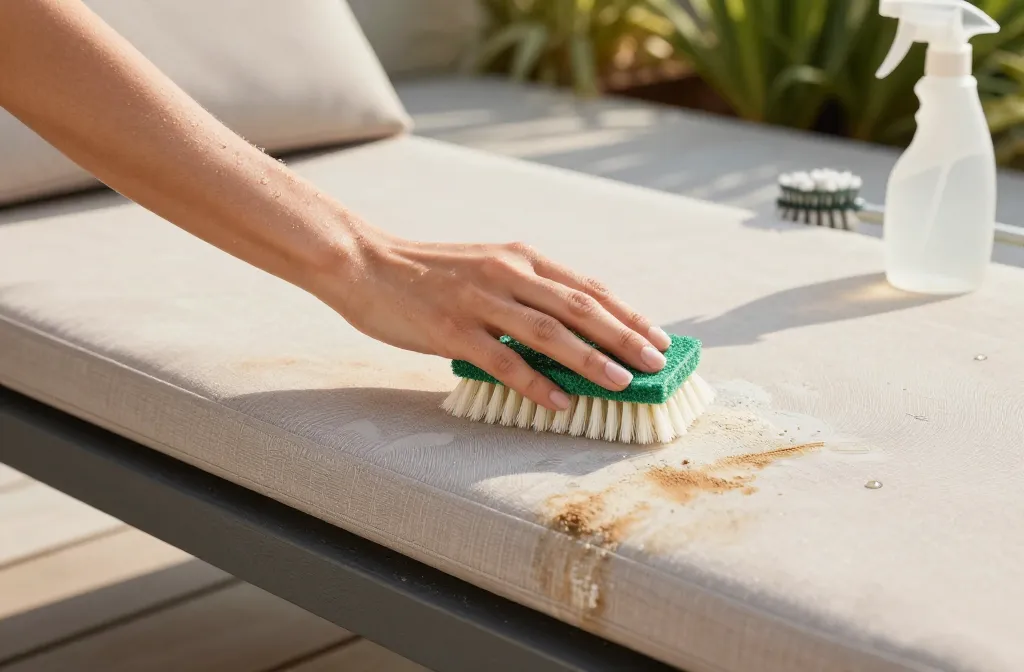
- Scrub lightly: Use a soft brush in small circles. Don’t drench the cushion yet. Work section by section.
- Rinse well: Use a hose on gentle spray. You want suds out, not a pressure-washer tattoo on your fabric.
- Blot and squeeze: Press with towels. Gently squeeze—don’t wring—or you’ll warp the shape.
- Dry like you mean it: Stand them on edge in direct sun with airflow. Flip occasionally. Interior dampness = mold city.
Stain Triage: Sunscreen, Mildew, and Bird “Gifts”
Some stains fight back. Use targeted tactics.
Sunscreen and oily spots
– Blot with cornstarch or baking soda first. Let it sit 15–30 minutes to absorb oils.
– Brush off, then treat with dish soap directly.
– Rinse and repeat if needed. Oil stains love drama.
Mildew or mold
– Mix 1 gallon water + 1 cup white vinegar. For stubborn spots, use 1 tablespoon oxygen bleach (color-safe) instead.
– Apply, let sit 10 minutes, scrub gently, rinse thoroughly.
– Dry in full sun. Sunlight helps finish the job.
Important: Avoid chlorine bleach unless the fabric instructions allow it. It can wreck color and weaken fibers.
Tree sap or sticky gunk
– Dab rubbing alcohol on a cloth and blot.
– Follow with soapy water.
– Rinse and dry. Resist scraping with sharp tools—you’ll fuzz the fabric.
Bird droppings
– Remove solids with a spoon or card.
– Treat with dish soap + warm water, scrub, rinse.
– If stains linger, try oxygen bleach solution as above.
Deodorize Without Drowning the Cushion
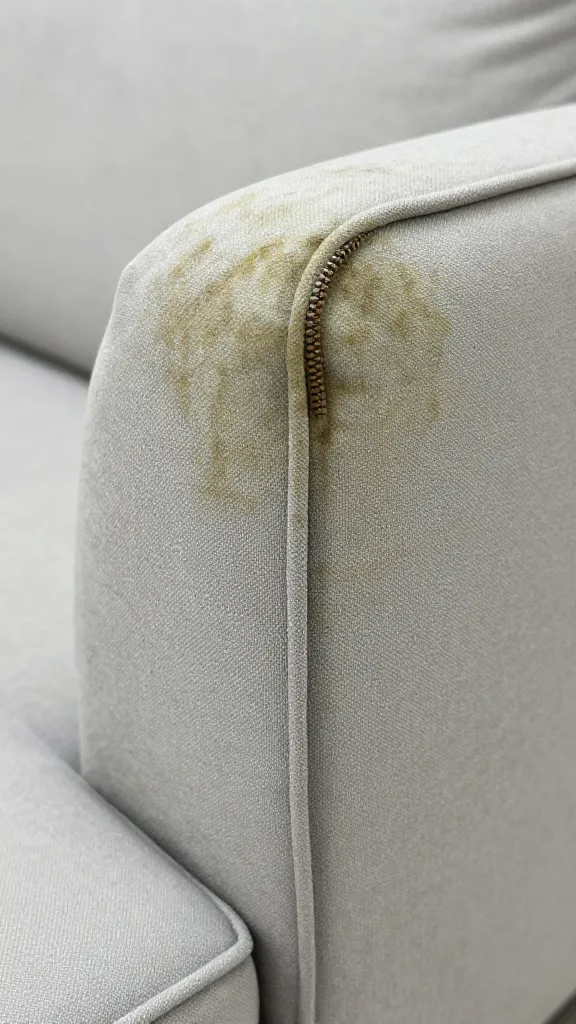
Smells hang on, especially after rain. You don’t need to saturate the cushion again.
- Baking soda sprinkle: Dust it on, wait 30 minutes, vacuum off.
- Vinegar mist: Lightly mist a 50/50 vinegar-water mix. Let it air out in the sun. The vinegar smell fades fast, promise.
- Fabric-safe enzyme spray: Great for pet smells. Follow label directions.
Speed-Drying So You Can Sit Today
No one wants to wait two days for a cushion to dry. Try these:
- Sun + airflow: Place on edge, rotate every hour. It’s simple and effective.
- Fans: Box fan or outdoor ceiling fan speeds evaporation. More airflow = faster drying.
- Towel press: Lay towels on both sides and press to pull water out. Replace towels as they soak.
- Wet/dry vac: Gently extract water from seams and edges. Game-changer for foam inserts.
FYI: Never bag damp cushions. You’ll grow a science experiment overnight.
Protect Your Hard Work: Maintenance and Storage
Want to clean less often? Set up a routine and add a little protection.
- Monthly wash-down: Quick soap-and-rinse session keeps grime from setting.
- Fabric guard: Reapply a water-repellent spray after deep cleans. It helps repel stains and rain.
- Covers or storage: Use deck boxes or furniture covers during storms or when you won’t use them for a while.
- Flip and rotate: Even out sun fade and wear. Yes, cushions are divas. Keep them balanced.
- Winter plan: Store completely dry cushions in a breathable bag or bin. No sealed plastic, unless you enjoy mildew surprises.
Common Mistakes to Avoid
We’ve all learned the hard way. Here’s the shortcut.
- Skipping the rinse: Soap residue attracts dirt like a magnet.
- Pressure washing: It shreds fibers and forces water deep inside. Tempting, but don’t.
- Drying flat and soggy: Moisture gets trapped. Always stand them up.
- Using hot water or harsh bleach: You’ll fade and weaken fabric fast.
- Rushing storage: If they’re even slightly damp, mold says “thanks.”
FAQ
Can I put outdoor cushion covers in the dryer?
Usually no. Heat can shrink covers and mess with water-repellent coatings. Air dry them flat or on a line, and put them back on the insert while they’re just barely damp to get a smooth fit.
What’s the best cleaner for Sunbrella or similar fabrics?
Mild dish soap and water works for most jobs. For mildew or heavier grime, use a fabric-safe bleach solution per the brand’s instructions. Rinse thoroughly and reapply a fabric guard after drying, IMO.
How do I keep cushions from fading?
You can’t fight the sun completely, but you can slow it down. Rotate cushions, use umbrellas or shade, and apply UV-protective fabric sprays periodically. When possible, stash them during heat waves.
My cushions got soaked in a storm. Now what?
Stand them on edge in full sun and crank up airflow with fans. Press with towels to pull water out, and use a wet/dry vac if you have one. Don’t use them or store them until the core feels completely dry.
Are “waterproof” cushions really waterproof?
They’re more “water-resistant.” Seams and zippers still let moisture in during heavy rain. Covers help a lot, and routine reapplication of water-repellent spray keeps performance up.
How often should I deep clean?
Twice a season works for most people—once at the start, once mid-season. Add a quick monthly refresh and you’ll stay ahead of stains without spending every Saturday scrubbing, FYI.
Wrap-Up: Cushions That Actually Deserve the Patio
Clean outdoor cushions change the whole vibe. You don’t need fancy tools—just a plan, some soap, and a sunny spot. Treat stains fast, rinse well, dry completely, and protect with a little fabric guard and storage common sense. Do that, and your cushions will outlast your summer playlist, IMO.