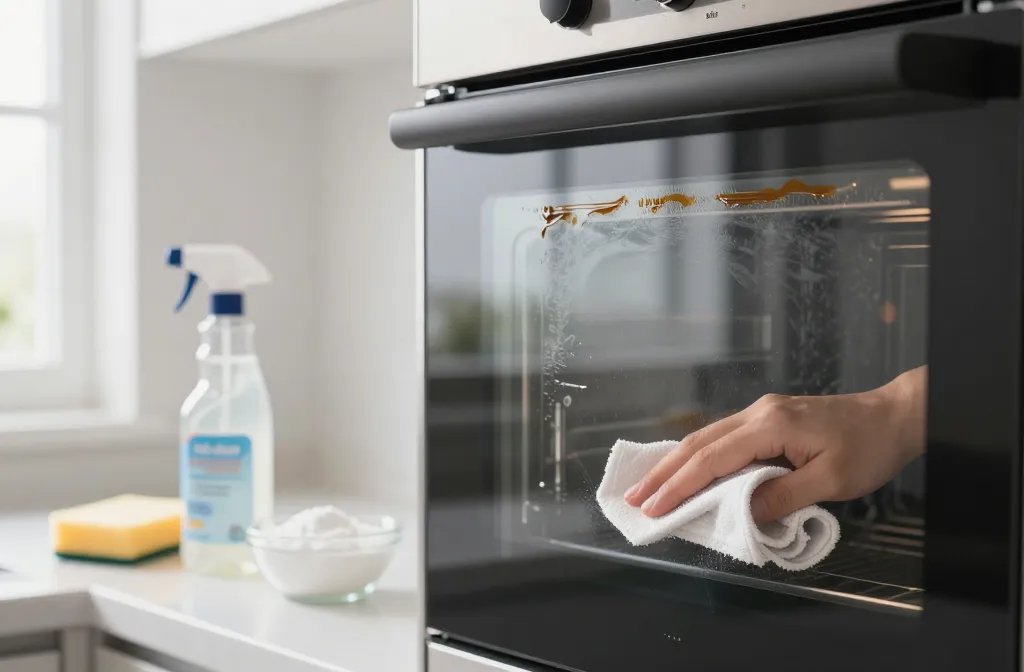
Grease smears. Stubborn brown fog. Mystery drips that look like modern art. Your oven glass door sees it all, and unfortunately, so do you every time you bake. The good news? You can restore that crystal-clear window without harsh fumes or a three-hour arm workout. Let’s clean it right, fast, and with minimal cursing.
What You’ll Need (Nothing Weird)
Good news: you probably own most of this already. If not, it’s all cheap and easy to find.
- Microfiber cloths or paper towels (microfiber works better, FYI)
- Non-scratch scrub sponge
- Baking soda
- White vinegar
- Dish soap (a degreasing kind works wonders)
- Razor scraper or plastic scraper (only if your manual says it’s safe)
- Spray bottle (optional but handy)
- Old toothbrush or small detailing brush
- Gloves (because grease is gross)
Optional heavy hitters: Bar Keepers Friend, a citrus degreaser, or a commercial oven glass cleaner.
First Pass: The Fast, Easy Clean
Just want it “good enough” before guests arrive? Do this quick routine. It handles light to medium grime and buys you time.
- Let the oven cool completely. Like, not warm. We like skin.
- Mix a few drops of dish soap with warm water in a bowl.
- Dip the sponge, wring well, and wipe the glass to lift grease.
- Rinse the sponge and repeat until the film disappears.
- Spritz with vinegar to cut streaks, then buff dry with microfiber.
Result: cleaner glass, less smudgy haze, and you didn’t even break a sweat. But what about those baked-on caramelized blobs? Keep scrolling.
The Deep-Clean: Baking Soda Paste That Actually Works
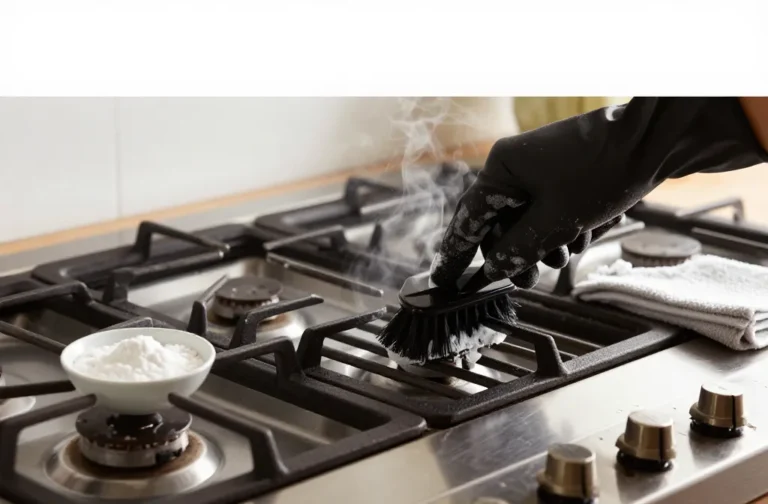
When the glass looks like it survived a pizza explosion, bring out the paste. It clings to grime and breaks it down without scratching.
Mix It Right
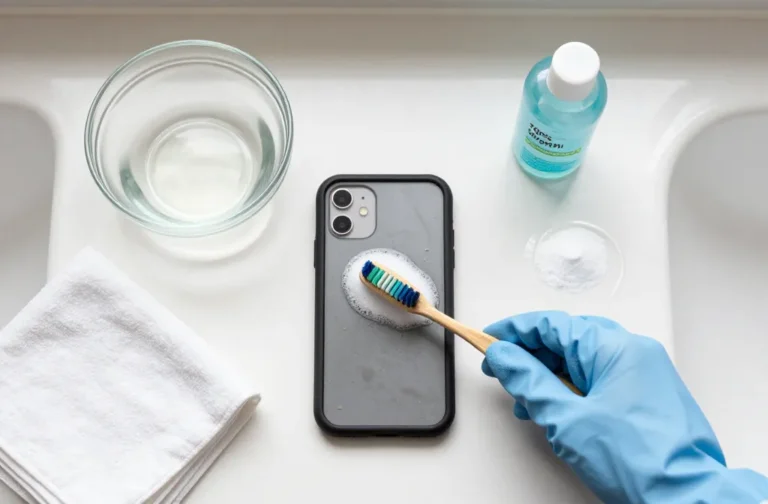
- Combine 1/2 cup baking soda with a few tablespoons of water.
- Stir until you get a spreadable paste—think toothpaste, not soup.
Spread, Wait, Scrub
- Open the door flat and lay a towel under it for drips.
- Spread the paste across the inside of the glass. Avoid the door edges and vents.
- Let it sit 15–30 minutes. Go scroll something. You’ve earned it.
- Scrub gently with a non-scratch sponge in small circles.
- Wipe the paste off with a damp cloth. Rinse thoroughly.
- Mist with vinegar to neutralize residue and polish with a dry microfiber cloth.
Tip: Still seeing stubborn streaks? Spot-treat those areas with a tad more paste and another 10 minutes of dwell time.
Dealing With Burnt-On Gunk and Sticky Spots
Some splatters refuse to leave politely. Time for targeted tactics—no rage required.
Razor or Plastic Scraper (If Safe)
- Check your manual first. Some manufacturers warn against metal blades.
- Hold the scraper at a shallow 30–45° angle.
- Gently slide under the residue. Don’t gouge. Slow and steady wins here.
- Wipe and re-check under good light so you don’t miss tiny patches.
Degreaser Assist
- Spritz a little citrus degreaser or diluted dish soap on tough grease bands.
- Let it dwell 3–5 minutes so chemistry can do its thing.
- Scrub with a soft sponge or toothbrush around edges and corners.
FYI: Avoid scouring pads labeled “heavy-duty.” They scratch. Scratches trap grease and make future cleanings harder. No thanks.
The Secret Grime Between the Glass Panels
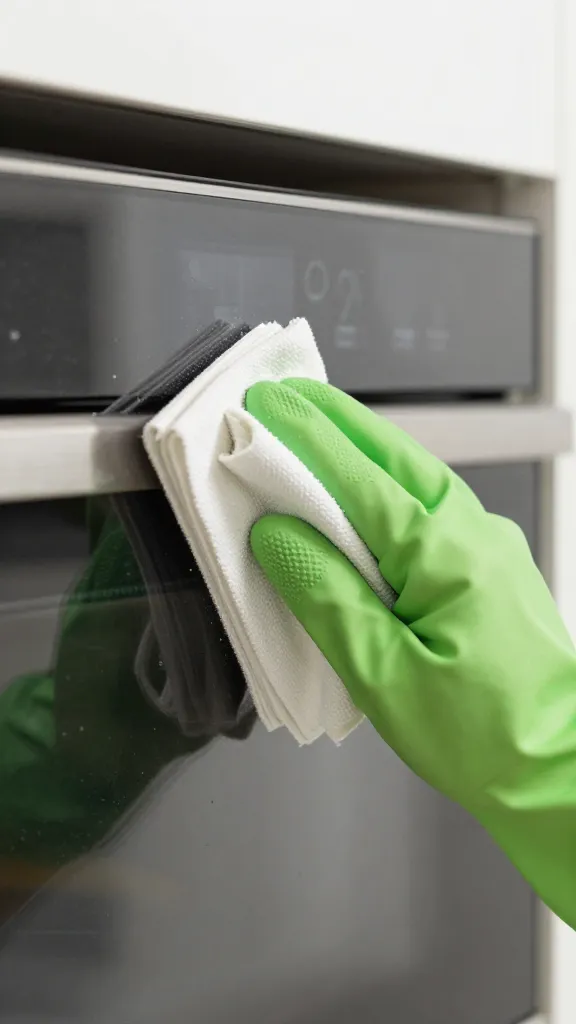
That cloudy band inside the door? You can’t wipe it from the front. The gunk lives between layers of glass. Annoying, yes. Impossible, no—usually.
Before You Start
- Unplug the oven and make sure it’s cool.
- Grab your manual. Different brands use different screw placements and trim clips.
- Lay a thick towel on the floor to protect the glass while you work.
How to Access the Inner Glass (General Steps)
- Open the door halfway and engage the hinge locks (or remove the door if your model requires it—many do).
- Lay the door flat, handle-side down, on your towel.
- Remove the screws on the bottom edge or under trim pieces, per your manual.
- Lift the inner panel carefully. Take photos as you go so reassembly doesn’t become a puzzle from your nightmares.
- Clean the inner faces with a slightly damp microfiber and a drop of dish soap. Avoid soaking—drips inside the frame cause streaks later.
- Dry thoroughly. Reassemble in reverse order and secure all screws snugly—not gorilla-tight.
IMO: If this step stresses you out, call the manufacturer or a local appliance tech. It’s a 20–40 minute job for pros and usually not expensive.
Natural vs. Commercial Cleaners: What Actually Works
I love a good pantry hack, but I also love results. Here’s a quick breakdown so you can pick your fighter.
- Baking soda + vinegar: Great for typical grime, safe, cheap. Might need elbow grease for heavy buildup.
- Dish soap (degreasing): Perfect for food oils and day-to-day maintenance. Use it first more often than not.
- Bar Keepers Friend (soft cleanser): Excellent for stains. Use sparingly and rinse thoroughly.
- Commercial oven glass cleaner: Fast on grease, but ventilate well. Follow label instructions and avoid painted trim.
- Ammonia-based cleaners: Skip them on hot surfaces and ventilate heavily. I rarely need them for glass, FYI.
Polish and Streak-Proof Finish
You cleaned it. Now make it shine like you meant it.
- Final mist of vinegar or a 50/50 vinegar-water mix.
- Buff with a clean, dry microfiber in overlapping strokes.
- Check under bright light from different angles. Hit missed streaks immediately.
Pro move: Run the oven at low heat (200°F/95°C) for 5 minutes after everything’s dry. It evaporates micro-moisture that can haze the glass. Let it cool with the door closed.
Keep It Clean Longer (Future You Says Thanks)
Maintenance beats desperation scrubbing every time. Build these tiny habits into your cooking life.
- Wipe after big bakes: When the oven’s warm (not hot), do a quick soapy wipe of the glass. Takes 60 seconds.
- Use lids and sheet pan shields: Cover casseroles and roasts for the first half of cooking to limit splatter.
- Catch spills fast: Salt a fresh spill to keep it from baking on, then wipe when cool.
- Quarterly deep-clean: Put it on your phone calendar. Yes, really.
FAQ
Can I use the oven’s self-clean cycle for the glass?
You can, but I wouldn’t rely on it for the door. Self-clean bakes grease to ash inside the cavity, but the glass often ends up with baked-on haze that’s harder to remove. Clean the glass separately—your sanity will thank you.
Will a Magic Eraser scratch my oven glass?
Usually no, but it can dull glossy surfaces if you scrub too aggressively. Test a small corner first. Use light pressure and keep it damp. If you see micro-scratches, switch to baking soda paste and a soft sponge.
How do I remove brown streaks that just won’t budge?
Do a targeted soak: lay a vinegar-dampened paper towel over the streak for 10–15 minutes, then apply baking soda paste and scrub. If it survives that, try Bar Keepers Friend with a soft sponge, rinse thoroughly, and polish dry.
Is it safe to use a razor on tempered oven glass?
Only if your manual allows it and you use a shallow angle with a clean, sharp blade. Scrape gently and avoid edges where stress lines form. When in doubt, use a plastic scraper. Safety first, shiny glass second.
Why does the glass look cloudy again after I clean it?
Residual cleaner or moisture probably left a film. Do a final wipe with vinegar, buff with a dry microfiber, and let the oven run warm for a few minutes to clear hidden moisture. Also, hard water can leave mineral spots—use distilled water for the final wipe if that’s your situation.
What if grease is trapped inside and I can’t open the door?
Some models don’t allow DIY access. You can try a long, thin microfiber wand through the bottom vent, but results vary. If it bugs you daily (and IMO it will), call a tech or the manufacturer for guidance.
Conclusion
Clean oven glass doesn’t require fumes, special gadgets, or a personal grudge against lasagna. Use a quick soap-and-vinegar routine for regular upkeep, bring out the baking soda paste for battle zones, and only crack the door open (literally) if grime hides between panels. Do a little after each messy bake and, FYI, you’ll barely ever need a deep clean. Clear glass, clear conscience, better baking—win, win, win.