Your phone case touches more grime than a subway pole and sees more action than your gym shoes. You hold it, drop it, shove it in bags, and set it on mystery countertops. If it looks cloudy, sticky, or weirdly yellow, that’s not “patina.” It’s gunk. Let’s fix it fast, and keep it cleaner going forward—without wrecking the material.
Know Your Case: What It’s Made Of Matters
Before you grab the nearest cleaning spray and go full chaos mode, check what you’re dealing with. Different materials need different care.
- Silicone/TPE (soft, flexible): Grippy, stretches a bit, collects lint like a magnet.
- TPU (semi-flexible plastic): Clear or tinted, slightly firm, can yellow over time.
- Hard plastic (polycarbonate): Rigid, glossy or matte, scratches easily.
- Rubberized coatings: Soft-touch finish that can peel if you use harsh cleaners.
- Leather (real or faux): Porous, stains from oils, needs gentle cleaners.
- Fabric or woven: Traps dirt, needs spot-cleaning and patience.
- Wood/metal/stone hybrids: Usually sealed; avoid soaking and harsh chemicals.
Rule of thumb: If you wouldn’t use a cleaner on your face or your favorite shoes, don’t use it on your phone case. FYI, bleach and acetone belong nowhere near your case.
The Quick Clean (5 Minutes, Zero Drama)
You don’t always need a full spa day. For everyday grime and fingerprints, do this:
- Remove the case from your phone. Don’t clean while it’s on. Moisture and ports don’t mix.
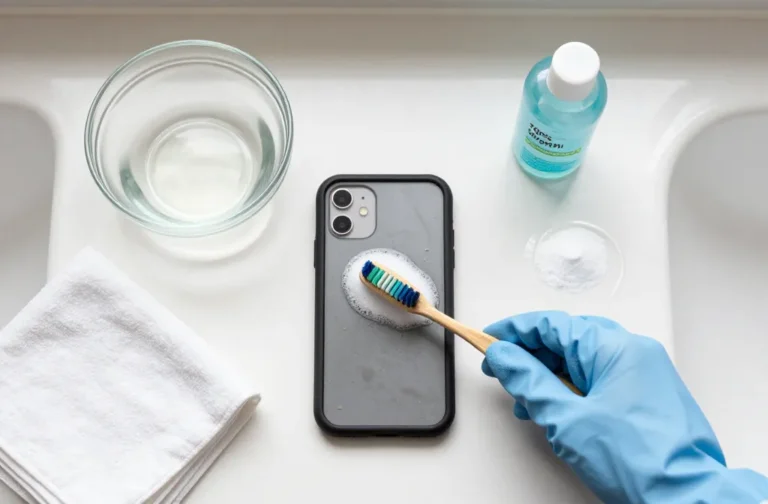
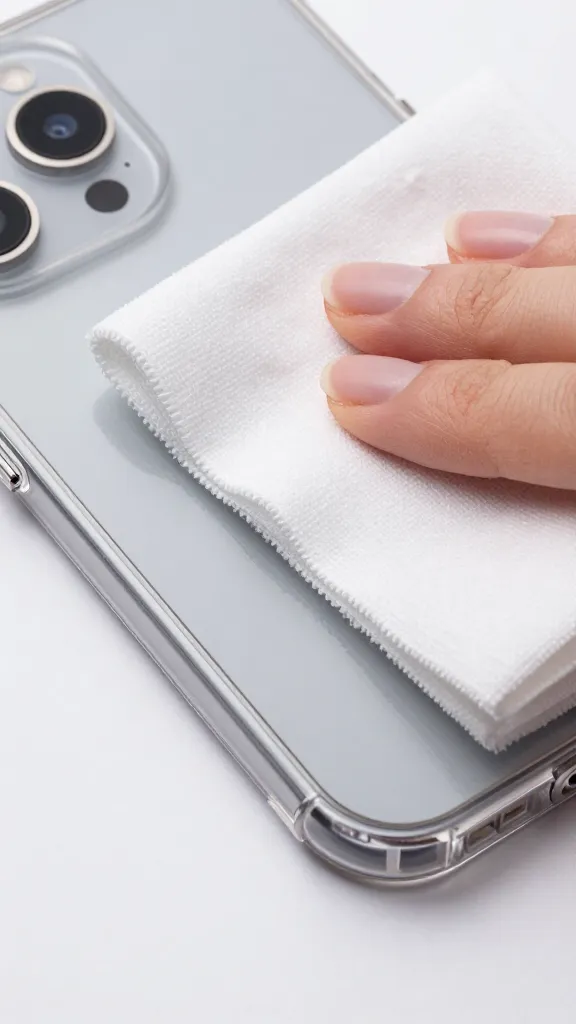
- Wipe inside and out with a slightly damp microfiber cloth. Add a drop of mild dish soap if oily.
- Use a soft toothbrush on creases and button cutouts.
- Rinse under cool water if the material allows (silicone/TPU/hard plastic)—keep it brief.
- Dry with a lint-free towel. Let it air dry for 10 minutes before you put it back on.
Pro tip: Clean your phone body too. A dirty phone inside a clean case = still gross.
Deep Clean: When the Case Looks Possessed
Got stains, smells, or weird sticky patches? Go deeper.
For Silicone and TPU
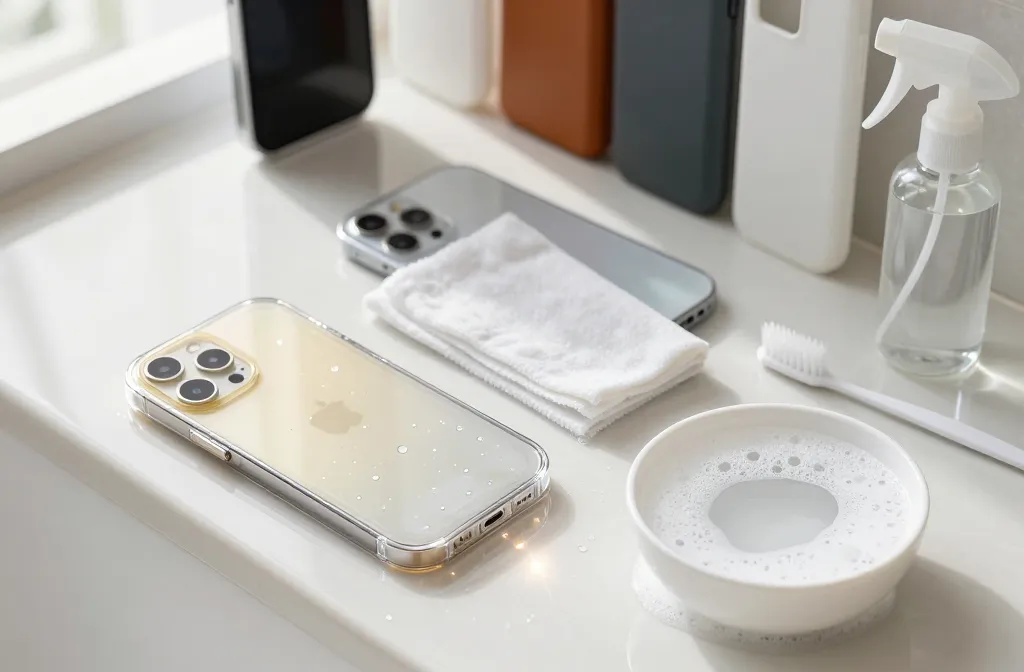
- Mix a bowl of warm water with 2–3 drops of dish soap.
- Soak the case for 10–15 minutes. This loosens oils and grime.
- Scrub with a soft toothbrush, especially around edges and button covers.
- For stubborn marks, make a baking soda paste (baking soda + a few drops of water) and gently buff. Rinse well.
- Dry completely. If it still smells funky, sprinkle baking soda inside, let it sit 30 minutes, then rinse and dry.
For Hard Plastic (Polycarbonate)
- Skip soaking. Use a damp microfiber with a small amount of dish soap.
- Target scuffs with a baking soda paste or a melamine sponge—go light to avoid dull spots.
- Rinse quickly and dry. Avoid alcohol on painted or printed areas.
For Leather (Real and Faux)
- Wipe with a barely damp cloth. Water is the frenemy of leather.
- Spot clean with a leather cleaner or a tiny dab of mild soap. No soaking.
- Let it air dry away from heat, then condition with a leather conditioner to keep it supple.
- IMO, skip alcohol and disinfectant wipes on leather. They dry it out and can cause cracking or discoloration.
For Fabric Cases
- Vacuum lint with a small brush attachment first.
- Spot treat stains with diluted dish soap or fabric cleaner. Blot, don’t scrub like you’re sanding a deck.
- Rinse lightly with a damp cloth. Air dry thoroughly.
For Wood/Metal Hybrids
- Use a light soap solution on non-porous parts only.
- Wipe wood with a damp cloth; dry right away. If sealed, a tiny bit of wood polish can refresh the finish.
- Avoid soaking, always.
Disinfect Without Destroying
You want it clean and germ-reduced, not bleached and brittle. Here’s the safe way:
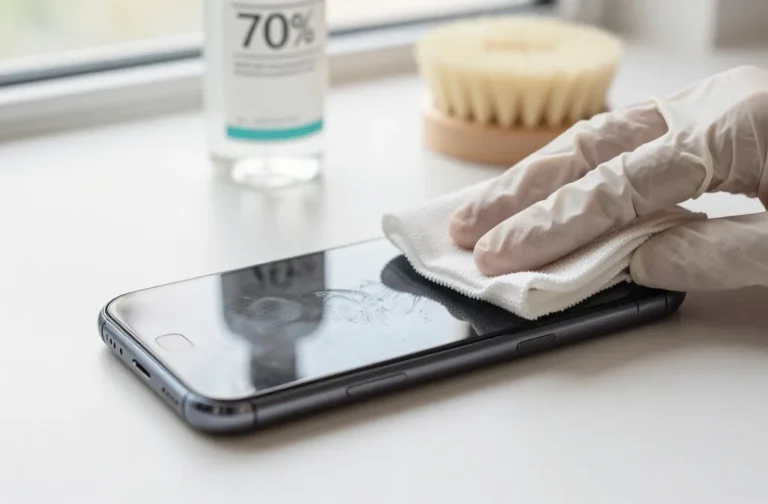
- 70% isopropyl alcohol on a microfiber works for most silicone, TPU, and hard plastics. Test a corner first.
- Disinfecting wipes (no bleach) usually work, but avoid printed logos and soft-touch coatings.
- No alcohol on leather. Use a leather-safe cleaner instead. For hygiene, clean more often rather than nuking it with harsh stuff.
Hot take: UV phone sanitizers work, but they don’t clean dirt or oil. Use them as a finishing move, not a replacement.
Combat the Big Three: Yellowing, Sticky, and Scratched
Let’s talk expectations. Some problems you can fix, some you can only manage.
Yellowing (mostly TPU)
- Clean thoroughly with soap, then try a baking soda paste. It can brighten a bit.
- Hydrogen peroxide baths sometimes help, but they can also weaken plastic. I don’t recommend it unless you’re okay with risk.
- Reality check: UV exposure and body oils cause permanent yellowing. Prevention beats cure.
Sticky or Tacky Feel
- Wash with soap and water, then wipe with 70% isopropyl alcohol.
- If a rubberized coating has chemically broken down, cleaning won’t fix it. Time to retire the case, sadly.
Scratches and Scuffs
- For glossy plastic, a plastic polish can reduce light scratches. Go slow and test first.
- Matte finishes hide scratches better, but once they’re there, they’re there.
Clean the Nasty Nooks You Always Miss
The gunk hides in the creases, so go on a micro-mission.
- Button cutouts and speaker holes: Soft toothbrush or wooden toothpick. No metal tools.
- Camera ring: Q-tip with a tiny bit of alcohol (unless leather/fabric).
- Inside ridges and MagSafe rings: Microfiber edge works great. Compressed air if dust is stubborn.
Don’t Forget Your Phone
If your phone goes back into a dirty case or you slap a dirty phone into a clean case—well, you get the idea.
- Turn the phone off. Remove fingerprints with a microfiber.
- Use 70% isopropyl alcohol on a cloth for the sides and back (avoid fabric/leather parts).
- Dry fully before re-casing.
Prevent Future Grime (So You Clean Less)
A little routine saves a lot of scrubbing. Plus, laziness is a lifestyle if you do it right.
- Weekly wipe-down: 60 seconds with soapy water or an alcohol wipe (material-appropriate) keeps buildup away.
- Avoid dye transfer: New jeans love to stain light cases. Wash the jeans or pick darker cases.
- Sun is the enemy: Keep clear TPU out of direct sunlight to slow yellowing.
- Hands first: Sunscreens and lotions stain and soften materials. Let them dry before you touch your phone.
- Rotation game: Use two cases and swap weekly. Each one dries out and stays fresher longer.
FAQ
Can I put my phone case in the dishwasher?
Short answer: I wouldn’t. Heat and detergents can warp plastic, peel coatings, and wreck adhesives. A quick hand wash with mild soap gives you control and avoids accidental “whoops, melted it” moments.
Will baking soda scratch my case?
B aking soda is mildly abrasive. On silicone/TPU, it’s usually fine if you’re gentle. On glossy plastic or painted finishes, test a tiny spot first. When in doubt, use a soft cloth and a lighter touch.
How often should I clean my phone case?
Give it a quick wipe weekly and a deeper clean monthly. If you hit the gym a lot, cook with oils, or commute in dusty places, bump that up. FYI, if your case feels sticky or smells… that’s your cue.
Do alcohol wipes damage cases?
They’re generally safe for silicone, TPU, and many hard plastics, but they can fade prints and ruin rubberized coatings. Avoid them on leather and fabric. Test a corner before you go to town.
Can I remove yellowing from a clear case completely?
Usually not. You can brighten it a bit, but yellowing often goes all the way through the material. If a crystal-clear look matters, consider anti-yellowing TPU or polycarbonate hybrids and keep them out of the sun.
What’s the best cleaner for leather cases?
Use a gentle leather cleaner and follow with a conditioner. A tiny dab of mild soap works in a pinch. Avoid alcohol, bleach, and anything labeled “degreaser,” unless you enjoy cracked, sad leather.
Wrap-Up: Clean Case, Happy Phone
You don’t need fancy gear—or a lab coat—to keep your phone case fresh. Know the material, use mild soap and a soft brush, and keep alcohol away from the delicate finishes. Do a quick weekly wipe, a monthly deep clean, and replace cases that yellow or peel beyond saving. Your phone will look better, feel better, and IMO, you’ll low-key enjoy using it more. Clean case energy is real.