Your pillow looks clean, right? Cute. Under that pillowcase lives a tiny ecosystem of sweat, drool, oils, dust mites, and mystery stains you swear weren’t there yesterday. The good news: you can fix it with a little soap, water, and know-how. The even better news: clean pillows sleep cooler, smell fresher, and last longer. Let’s de-gross your bed companions.
First, figure out what you’re dealing with
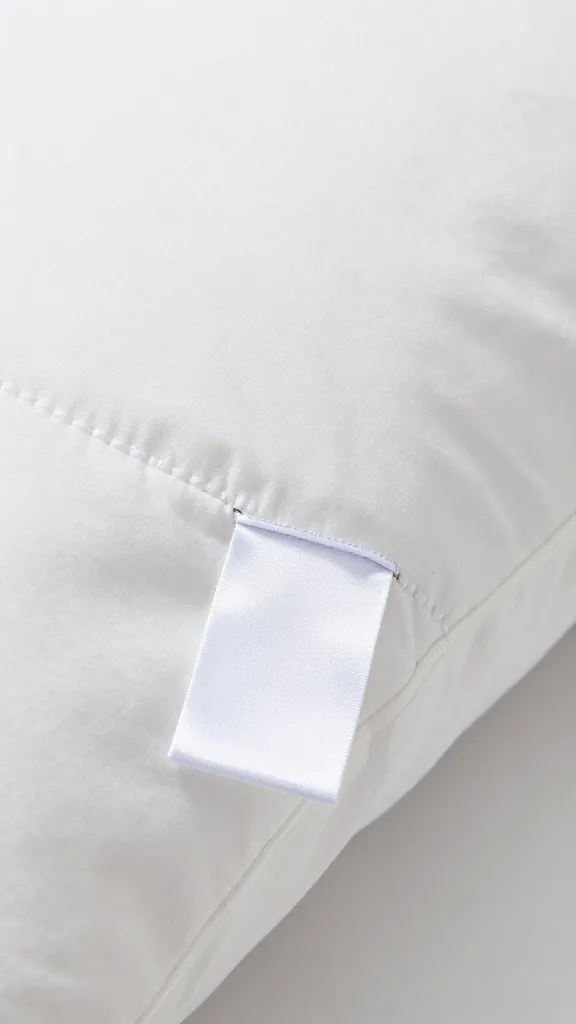
Before you toss anything into the washer, check the care tag. It hides next to the seam like it’s ashamed of itself, but it tells you everything.
- Down/feather pillows: Usually machine-washable, gentle cycle.
- Polyester/microfiber: Totally washable, very forgiving.
- Memory foam/latex: Do not machine wash. Spot clean only.
- Buckwheat or specialty fills: Usually not washable. Clean the cover and air out the fill.
If the tag vanished years ago (relatable), inspect the fill through the seam or zipper. Foam feels like one solid piece. Down and poly feel fluffy and squishable.
How often should you wash pillows?
Wash pillowcases weekly and wash the actual pillow every 3–6 months. If you drool (no judgment), sweat a lot, or have allergies, lean closer to every 3 months. And if the pillow smells funky or looks yellow? Wash it now. Future you will sleep better.
Machine-washing down and synthetic pillows
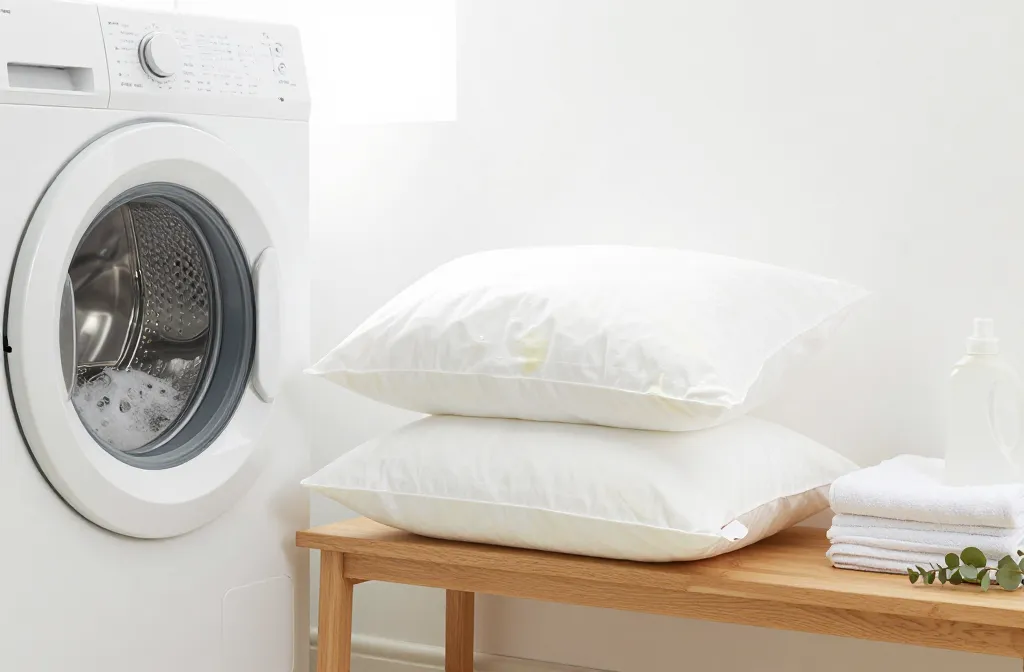
You can wash these at home without ruining them. Just don’t overload your washer and avoid boiling-hot water unless the label approves.
What you’ll need
- Mild liquid detergent: Powder can leave residue.
- Optional boosters: 1/2 cup baking soda or a splash of white vinegar for odors.
- Two pillows at once: They balance the drum.
Step-by-step
- Pre-treat stains: Dab a tiny bit of detergent or an enzyme cleaner onto yellow spots. Let it sit 10–15 minutes.
- Load the washer: Two pillows on the sides of the drum = less wobble and better agitation.
- Choose settings: Warm water, gentle or bulky cycle, extra rinse if available. Add your detergent (go light, about 1–2 tablespoons).
- Rinse twice: Any soapy residue = clumpy feathers or sad polyfill.
- Dry thoroughly: Low heat with dryer balls or clean tennis balls. Toss in a dry towel to speed things up.
Pro tip: Stop the dryer a few times and fluff the pillows by hand. They should feel completely dry—inside and out. If they feel cool, moisture still hides in the fill.
Memory foam and latex pillows need special care
Foam and washers don’t mix. Agitation can tear foam, and water can take forever to dry.
How to clean foam the right way
- Vacuum: Use a handheld or upholstery attachment to remove dust and hair.
- Spot clean: Mix a few drops of mild detergent with warm water. Dab stains gently with a cloth. Don’t saturate.
- Deodorize: Sprinkle with baking soda, let sit 20–30 minutes, then vacuum again.
- Air dry: Lay flat in a breezy spot, away from direct sun or heaters. Ensure it’s 100% dry before using.
If the foam smells musty after a spill, air it out for a day or two. If it still smells, IMO it’s time to replace.
De-yellowing and deodorizing tricky stains
Those yellow patches? Mostly sweat and body oils. You can fade them without bleaching your pillow into oblivion.
For washable pillows
- Enzyme pre-soak: Mix warm water with an enzyme detergent and soak 30–45 minutes.
- Baking soda + detergent: Add 1/2 cup baking soda to the wash for odor and stain help.
- Oxygen bleach (color-safe): Follow label directions; it brightens without wrecking fibers.
For foam pillows
- Hydrogen peroxide (3%): Lightly dab on stains with water-diluted solution (1:1). Blot, don’t scrub.
- White vinegar mist: Light spritz to neutralize odors, then air dry thoroughly.
Skip chlorine bleach on down and foam—it can weaken materials and amp up yellowing long-term. Wild, but true.
Drying matters more than washing (seriously)
If you cut corners anywhere, don’t let it be here. Damp pillows grow mildew, and then you’re stuck with a haunted pillow.
- Low heat, longer time: Protects fill and prevents scorching.
- Dryer balls or tennis balls: They break up clumps and fluff the pillow.
- Check the core: Squeeze the center—if it feels cool or dense, keep drying.
- Sunshine finale: If weather allows, finish with an hour in the sun for extra freshness.
FYI: Some down pillows take ages to dry. Be patient. Put Netflix on. Rotate them every 20 minutes.
Keep pillows clean longer (so you wash less)
You don’t need a chore chart. Just a few lazy-proof habits.
- Use protectors: A zippered pillow protector under the case blocks sweat and oils.
- Wash pillowcases weekly: They catch most of the grime.
- Flip and fluff daily: More airflow = less stink and fewer flat spots.
- Air them out monthly: Toss on a windowsill or balcony for an hour.
- Retire them when needed: If they smell weird or won’t fluff, it’s time. Pillows aren’t immortal, even if they act like it.
When to replace instead of rescue
Let’s be honest: some pillows lived a long, full life. If you fold the pillow in half and it doesn’t bounce back, or you see torn ticking, stubborn odors, or lumpy zones that feel like gravel, replace it. Your neck will thank you. Also, if you’ve had a nasty illness, washing helps, but replacement might make sense IMO.
FAQ
Can I wash pillows with sheets or towels?
You can, but better not. Pillows need room to move, and mixed loads twist and trap water. Wash two pillows together with nothing else for the best clean and balance.
What temperature should I use?
Warm water hits the sweet spot for most down and synthetic pillows. Hot can sanitize but may damage fills or shrink covers. Always check the label first. Foam? No machine washing, so temperature doesn’t apply.
How do I get rid of a musty smell?
Run a wash with baking soda and an extra rinse, then dry on low with dryer balls until completely dry. Finish with an hour of sun if possible. For foam, deodorize with baking soda and air it out for a full day.
Is fabric softener a good idea?
Skip it. Softeners coat fibers and can make pillows feel greasy or reduce fluff. If you want softness, use dryer balls or a clean tennis ball duo in the dryer.
Can I put memory foam in the dryer?
Nope. Heat can warp or crack foam. Spot clean, then air dry flat in a ventilated space. If you need it faster, aim a fan at it—no direct heaters.
How do I wash a buckwheat pillow?
Empty the hulls into a large bowl or bag. Wash the fabric cover only. Spread the hulls on a tray to air out in a dry spot, then reassemble when everything’s bone-dry.
Conclusion
Clean pillows don’t just look nicer—they feel better and help you sleep like a champion. Figure out your fill, wash smart, and dry completely. Toss on protectors, fluff often, and don’t cling to pillows that lost the plot years ago. Do this, and your bed stops being a science project and starts being the cozy haven you actually deserve.