You hop in the shower for a quick reset, turn the handle, and… the water dribbles out like your shower head lost its will to live. Hard water, mineral buildup, and sneaky gunk love to clog those tiny nozzles. The fix? Easier than you think, cheaper than a new shower head, and oddly satisfying. Let’s get that spray back to “wow” instead of “meh.”
Why Your Shower Head Gets Gross (And Why You Should Care)
We ask a lot from shower heads. They deal with hard water minerals, soap scum, and sometimes bacteria. Over time, that buildup shrinks the spray, sprays sideways, or makes the temperature fluctuate.
You’ll notice these red flags:
- Weak pressure even when other faucets feel fine
- Uneven spray with some jets completely blocked
- Weird colors (orange/rust stains or white crust)
- Musty smell when you first turn it on
Clean it right and you’ll extend the life of the fixture, save water, and make your showers better. IMO, worth 20 minutes of your life.
The Quick-Clean Method (No Tools, 10–15 Minutes)
If you want a fast refresh before work, start here. It won’t fix hardcore scale, but it handles light buildup.
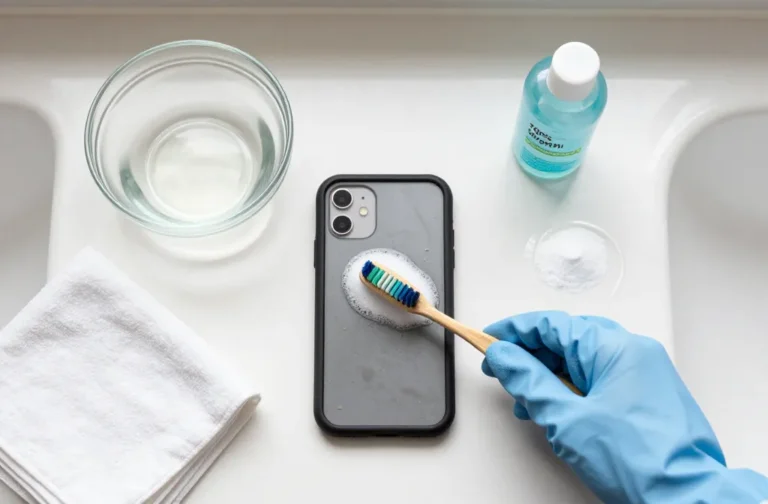
- Scrub the nozzles. Many shower heads have soft rubber nozzles. Rub them with your thumb to break loose mineral bits. A soft toothbrush works too.
- Rinse hot. Run hot water for a minute to flush debris.
- Wipe the faceplate. A damp microfiber cloth removes soap scum. Add a drop of dish soap if it’s slick.
Pro Tip
If you see white crusty rings around the jets, that’s mineral scale. You’ll need a deeper clean (keep scrolling).
The Deep-Clean Soak (The Classic Vinegar Bag Trick)
This is the internet-famous move because it just works. FYI, it’s safe for most finishes and wildly effective on limescale.
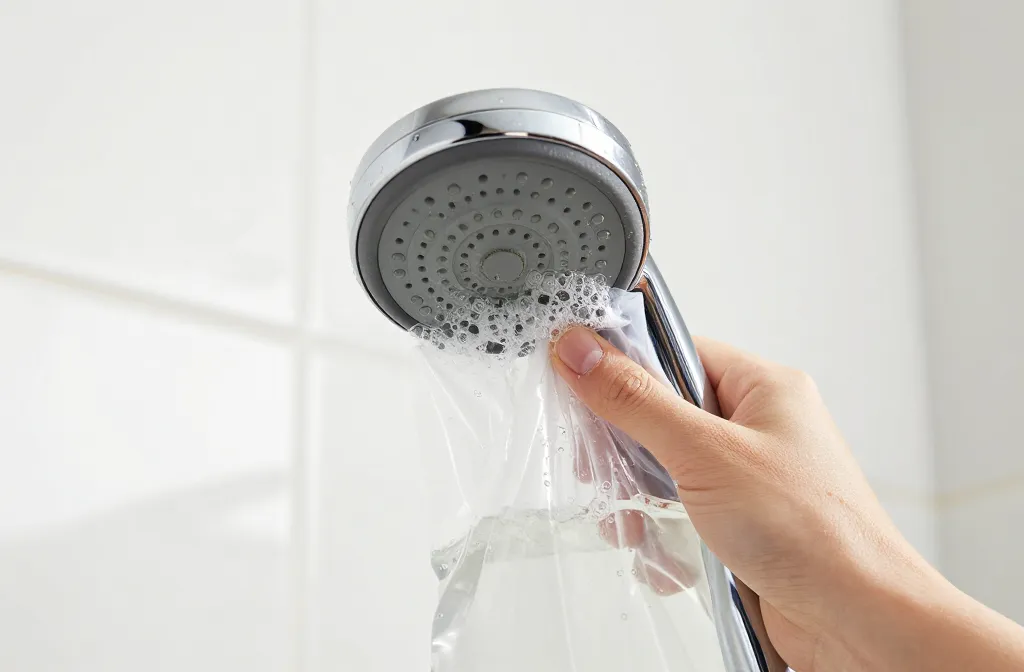
- Grab supplies: white vinegar, a sturdy plastic bag, a rubber band or string, and a soft cloth.
- Fill the bag with enough vinegar to submerge the shower head face. If your shower head is very large, you might need a small bowl instead.
- Attach the bag over the shower head. Secure it so the face sits fully in vinegar and doesn’t slip.
- Soak time: 30–60 minutes for chrome, stainless, or most plastics. If the scale is heavy, go up to 2 hours.
- Remove and scrub. Take off the bag, scrub gently with a soft toothbrush, and run hot water for a minute.
- Polish with a microfiber cloth. Admire your handiwork.
Finish-Specific Cautions
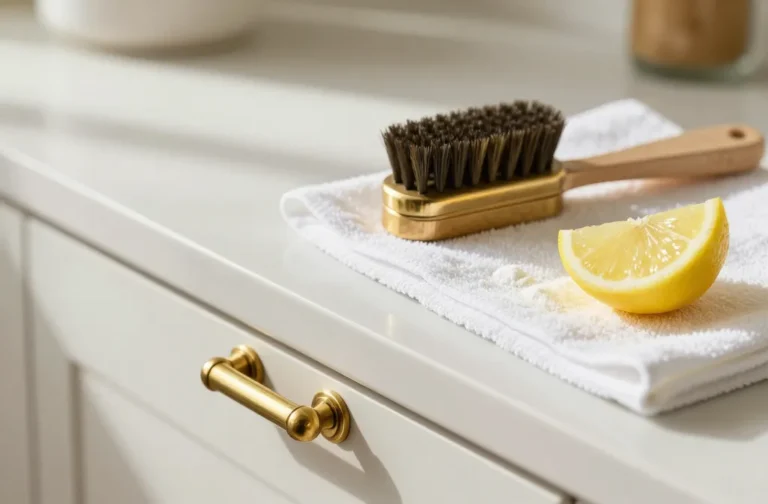
- Brass, gold, nickel, or specialty finishes: Keep the soak shorter (20–30 minutes). Wipe immediately and rinse well.
- Don’t soak rubber gaskets for hours. Vinegar can dry them if you go overboard.
Super Deep Clean: Take It Off (If You’re Up For It)
Got a shower head that looks like a geology exhibit? Take it down and clean from the inside.
- Shut off water if you can. Not required, but safer. At least turn off the shower handle.
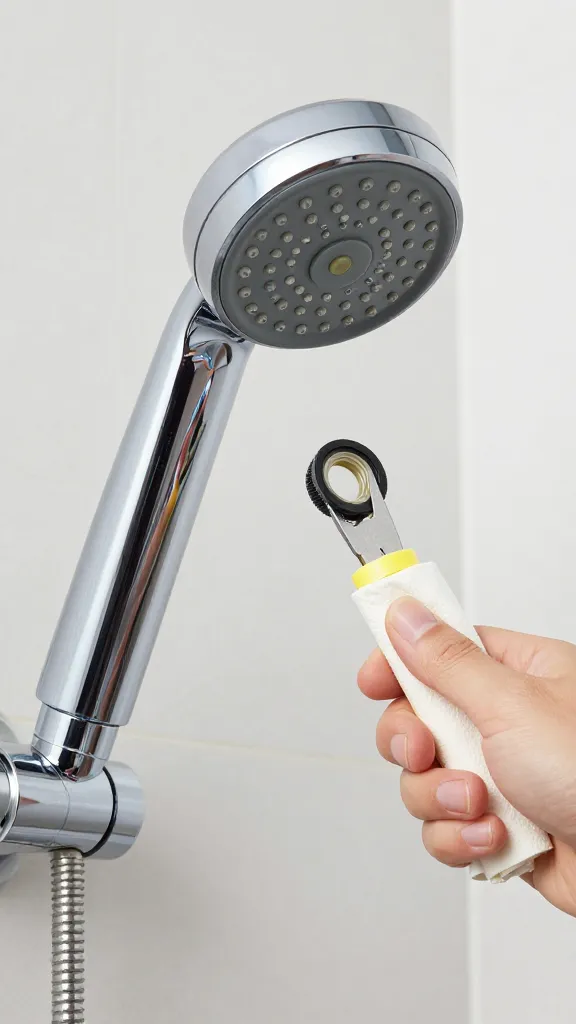
- Unscrew the shower head. Use your hand first. If it’s stuck, wrap the connection with a cloth and use adjustable pliers gently.
- Remove the washer and flow restrictor (optional). You’ll see a small rubber washer; behind it, a colored plastic disc (the restrictor). Take photos as you go so you can reassemble correctly.
- Soak parts in a bowl of warm 1:1 vinegar and water for 30–60 minutes. Don’t soak delicate finishes longer than needed.
- Scrub the inside channels with a soft brush or pipe cleaner. Rinse everything thoroughly.
- Reassemble with the washer in place. Hand-tighten onto the arm. Turn the water on and check for leaks.
Leak? Here’s the Fix
- Use plumber’s tape (Teflon tape) on the shower arm threads. Wrap 2–3 times clockwise.
- Hand-tighten, then a tiny nudge with a wrench if needed. Don’t Hulk-smash it.
No Vinegar? Try These Alternates
Vinegar works great, but you’ve got options.
- Lemon juice: More gentle, smells better. Use straight or 1:1 with water. Great for light scale.
- Citrus acid solution (citric acid powder + water): Strong and effective. Mix 1–2 tablespoons per cup of warm water.
- Descaling cleaners: Choose ones safe for bathroom fixtures. Follow the label and rinse very well.
- Baking soda paste (baking soda + a little water): Good for exterior gunk. Not as strong on internal scale alone—combine with a vinegar soak for best results.
What Not To Use
- Bleach: It can damage finishes and rubber parts, and it doesn’t dissolve minerals.
- Harsh abrasives or steel wool: Scratches city, population: your shower head.
- Undiluted acids for long soaks: Overkill that can pit metal and wreck seals.
Deal With Mold, Mildew, and Funky Smells
Mineral buildup traps moisture and creates smell zones. Tackle both the scale and the biofilm.
- Do a vinegar or citric acid soak first to open the nozzles.
- Then disinfect: After rinsing, spray the face with a mild disinfectant cleaner labeled safe for fixtures. Let it sit per instructions, then rinse well.
- Run hot water for 2–3 minutes to flush everything out.
If You Have Well Water
You’ll likely see iron stains (orange). Use a cleaner designed for rust/iron stains that’s safe for fixtures, or try lemon juice plus a pinch of salt on a cloth. Rinse thoroughly.
Maintenance Routine So You Don’t Have To Do This Forever
A tiny bit of prevention saves you from weekend projects. Here’s the plan:
- Monthly: Quick nozzle rub + 2-minute hot flush.
- Every 2–3 months: 30-minute vinegar bag soak.
- After each shower (optional, but clutch): Wipe the faceplate with a towel. It slows scale buildup a lot.
- Consider a shower filter if you have hard water. It won’t perform miracles, but it reduces scale and chlorine. Replace the cartridge on schedule.
When to Replace the Shower Head
- Cracked housing or perma-clogged channels even after soaking
- Corrosion or peeling finish
- It leaks from weird places you can’t tape or tighten
If it’s old and sad, upgrading can save water and boost pressure. IMO, a good shower head is worth the splurge.
FAQ
Can I leave vinegar on my shower head overnight?
You can, but you probably shouldn’t. Long soaks can dull certain finishes and dry out gaskets. Aim for 30–60 minutes, check progress, and repeat later if needed.
Will cleaning improve my water pressure?
If mineral buildup blocks the jets, yes—often dramatically. If your whole house has low pressure, cleaning won’t fix that. But freeing clogged nozzles restores the spray pattern and “oomph.”
How do I clean a handheld shower head with a hose?
Same process: bag soak or bowl soak for the head only. Avoid submerging the hose connectors for long periods. After soaking, run hot water and switch through spray modes to clear each channel.
Is it safe to remove the flow restrictor?
It’s technically possible, but check local regulations and your warranty. Flow restrictors save water and keep the spray efficient. If you remove it, your pressure may feel stronger but your water bill (and conscience) may not love it.
What if my shower head has tiny rubber nozzles?
Great—those are designed for easy cleaning. Rub them with your thumb before and after soaking to break up scale. They usually bounce back nicely.
Can I use apple cider vinegar instead of white vinegar?
Yes, in a pinch. It works similarly, but white vinegar is cheaper, less sticky, and won’t leave a faint salad dressing scent. Rinse well either way.
Wrap-Up: A Cleaner Head, A Happier Shower
You don’t need fancy tools or a whole afternoon to revive a tired shower head. A simple soak, a quick scrub, and a hot rinse bring back that satisfying, even spray. Do a light monthly touch-up and a deeper clean every few months, and you’ll keep the gunk at bay. Your mornings will thank you—your water pressure will too.