Silver looks glamorous until it decides to cosplay as a dull gray spoon. The good news? You can bring back that mirror shine without fancy tools or a chemistry degree. A few smart tricks, a little patience, and you’ll have heirlooms and thrift-store scores looking camera-ready. Let’s skip the fluff and get your pieces gleaming.
Know Your Silver (So You Don’t Ruin It)
Not all silver behaves the same. You’ve got:
- Sterling silver (92.5% silver): Most flatware and jewelry. Tarnish loves it, but you can clean it safely.
- Silver-plated: A thin layer of silver over a base metal. Looks great, scratches fast. Be gentle.
- Fine silver (99.9%): Tarnishes slower. Treat it like a diva anyway.
- Antique/patina pieces: Some patina adds character. Don’t strip intentional dark details—you’ll tank the value and the vibe.
If you see gemstones, enamel, or hollow handles? Clean carefully and avoid soaking. Water sneaking into tiny gaps = bad.
Gather Your Cleaning Arsenal
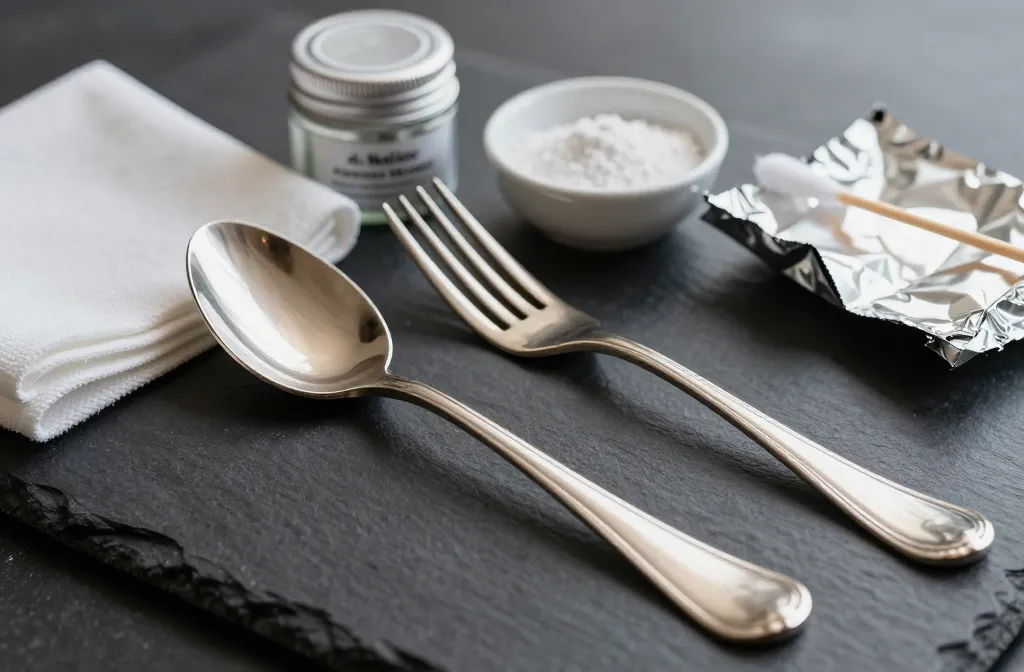
You don’t need a lab. Most of this lives under your sink:
- Soft microfiber cloths or old T-shirt squares
- Non-abrasive silver polish (reliable and safe)
- Mild dish soap
- Baking soda and aluminum foil
- Cotton swabs for crevices
- Soft toothbrush (optional)
- Gloves (your skin oils can re-tarnish silver; also, polish tastes terrible, FYI)
IMO, a quality silver polish plus a microfiber cloth handles 90% of jobs. Baking soda + foil works when you need a “wow” moment fast.
The Gentle Everyday Method (Soap + Water)
For light tarnish or routine maintenance, keep it simple.
- Fill a bowl with warm water and a drop of mild dish soap.
- Dip a soft cloth, wring it out, and wipe the silver gently.
- Rinse with clean water, then dry immediately with a fresh cloth.
- Buff lightly to bring back the shine.
This won’t fix heavy tarnish, but it prevents buildup. Think of it like flossing for your forks.
Spot-Cleaning Tricks
Got gunk in the crevices of a ring or spoon handle?
- Use a damp cotton swab to get into grooves.
- For sticky residue, a tiny dab of toothpaste (non-gel, non-whitening) can work in a pinch—but it’s mildly abrasive. Rinse and buff right after.
I only use toothpaste when I’m out of polish and desperate. Your call.
Polish Like a Pro (Without Overdoing It)
When tarnish shows up like it owns the place, switch to polish.
- Read the label. Some polishes suit antiques, others don’t. When in doubt, test a tiny hidden spot first.
- Apply a pea-sized amount to a soft cloth.
- Rub gently in straight lines, not circles. Circles can leave hairline scratches.
- Work in sections. This keeps the polish from drying out and streaking.
- Buff with a clean, dry cloth until it gleams. Admire your reflection. Accept compliments.
Avoid harsh abrasives, steel wool, or anything labeled “scrubbing pad.” That road leads to Sad Flatware.
Protect the Patina
If your piece has darkened details (raised patterns, engraving), do not scrub the recesses clean. That contrast gives depth and shows age. Clean the high points and leave the shadows. Antique dealers everywhere just sighed with relief.
The Science-Party Method (Baking Soda + Foil)
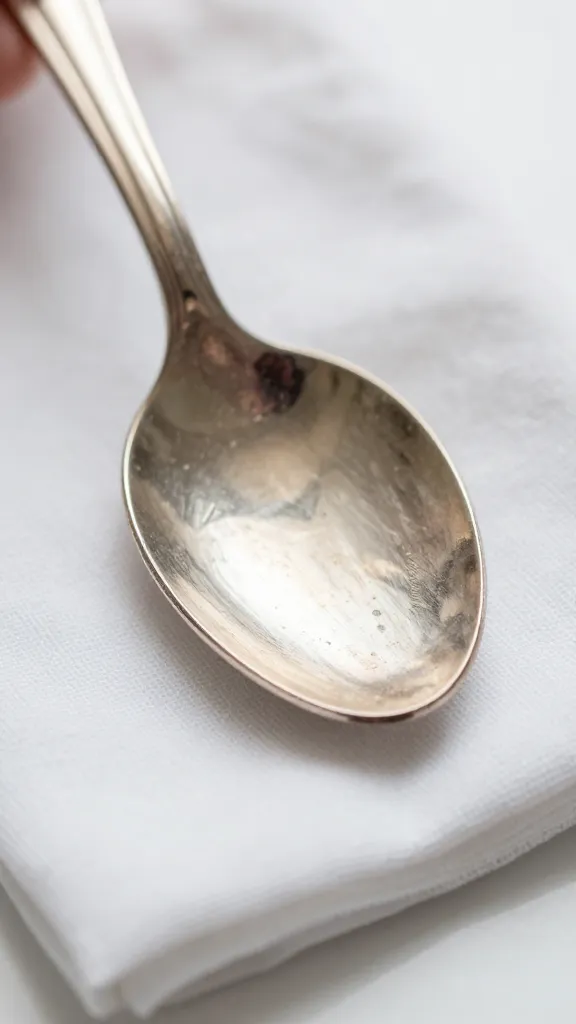
When you want fast results on broad surfaces, use this classic. It reverses tarnish via a neat little chemical exchange. Yes, it’s safe for most plain silver. No, don’t use it on jewelry with stones, enamel, or glued parts.
- Line a glass or plastic pan with shiny-side-up aluminum foil.
- Place silver pieces so they touch the foil.
- Sprinkle 2-3 tablespoons baking soda per quart of hot water over the items.
- Pour in hot (not boiling) water to cover. You’ll smell sulfur. That’s the tarnish moving to the foil. Science!
- Wait 2-5 minutes. Check progress. Don’t overdo it with delicate plating.
- Rinse well and dry completely. Buff if needed.
FYI: This removes tarnish fast but can slightly alter the “old” look if you use it often. Reserve it for heavy tarnish or big batches.
What Not to Throw in the Bath
Skip the foil method for:
- Pieces with stones (turquoise, pearls, opals, onyx), enamel, or glued bits
- Hollow-handled knives (water sneaks in and rusts the tang)
- Silver with lacquer coatings
Dealing with Stubborn Tarnish and Weird Stains
Sometimes tarnish fights back. You still win.
- Yellow or brown patches: Use polish and patience. Multiple light passes beat one aggressive rub.
- Blue-purple rainbowing: That’s heat discoloration. Try a specialized silver cream polish.
- Black crust in crevices: Use a soft brush with polish, then buff. Don’t gouge it out.
- Water spots: Wipe with 1:1 mix of water and rubbing alcohol, then dry.
If nothing works, you might face pitting (actual metal loss) or worn-through plating. At that point, consider professional refinishing—or call it “rustic charm,” IMO.
Storage and Tarnish Prevention (Future You Says Thanks)
You cleaned it. Now keep it shiny longer.
- Use it! Handling and washing silver slows tarnish. Fancy forks deserve Tuesday pasta too.
- Store dry. Moisture invites tarnish. Dry completely before you put it away.
- Bag it smart. Use anti-tarnish cloth bags or strips in drawers. Zip-top bags work if you add a silica gel packet.
- Avoid rubber, newspaper, and wool. They off-gas sulfur and speed tarnish. Sneaky villains.
- Rotate polishes. Some polishes leave protective films. Don’t layer a dozen products—keep it simple.
Quick Weekly Routine
In under 5 minutes:
- Wipe pieces with a dry microfiber to remove oils.
- If you see faint yellowing, hit it with soapy water and dry.
- Return to anti-tarnish storage. Done.
Special Cases: Jewelry, Flatware, and Decor
Not all pieces live the same life. Clean accordingly.
Jewelry
- Remove before swimming, showering, or lotioning. Chlorine and sunscreen are not friends.
- Use polish cloths on chains and plain bands. Avoid soaking set stones.
- For gunky chains, dip briefly in soapy water, swish, rinse, and pat dry. Blow-dry on cool to avoid water lurking in links.
Flatware
- Handwash. If you must use a dishwasher, separate from stainless to prevent chemical reactions and dry immediately.
- Don’t let food sit. Eggs, mustard, and onions tarnish silver at warp speed.
- Store in a chest or cloth roll with anti-tarnish lining.
Home Decor
- Dust weekly. Less dust = less grime bonding with tarnish.
- Use felt pads under vases and candlesticks to avoid scratches.
- For candle wax, chill the piece, pop off the brittle wax, then polish residue.
FAQ
Can I use vinegar and baking soda on silver?
You can, but I don’t love it. Vinegar cleans, sure, but it’s acidic and can etch finishes over time. Baking soda alone with hot water and foil works better for tarnish removal. For frequent cleaning, stick to mild soap or a proper polish.
Is aluminum foil + baking soda safe for silver-plated items?
Usually, yes—if you keep the soak short and gentle. Plating runs thin, so don’t repeat this weekly. If the piece has worn spots or base metal peeking through, use a light polish cloth instead.
Why does my silver tarnish so fast after I clean it?
Air, humidity, and sulfur compounds go on the attack immediately. Dry thoroughly, store with anti-tarnish strips, and avoid rubber or wool. Also, don’t touch cleaned pieces with lotion-covered hands—oils speed up tarnish.
Can I put silver in the dishwasher?
I wouldn’t. Detergents can be harsh and the heat cycle isn’t kind. If you do it anyway, separate from stainless, skip lemon-scented detergents, and remove to dry by hand immediately. Handwashing still wins every time.
How often should I polish my silver?
Only when you see real tarnish. Over-polishing removes a tiny bit of metal each time (especially on plated items). For maintenance, wipe after use and use soapy water. Save the polish for when the shine truly dips.
What’s the best silver polish?
Pick a non-abrasive cream or foam from a reputable brand. Look for words like “tarnish inhibitor” and “safe for antiques.” IMO, a classic cream plus a microfiber cloth is the gold standard—well, silver standard.
Wrap-Up: Keep It Shiny Without Losing Your Weekend
You don’t need fancy gear or endless scrubbing to keep silver sparkling. Clean lightly and often, polish only when necessary, and store smart. Use your silver at dinner, enjoy the compliments, and let a little patina stay if it tells a story. Shine achieved, drama avoided.