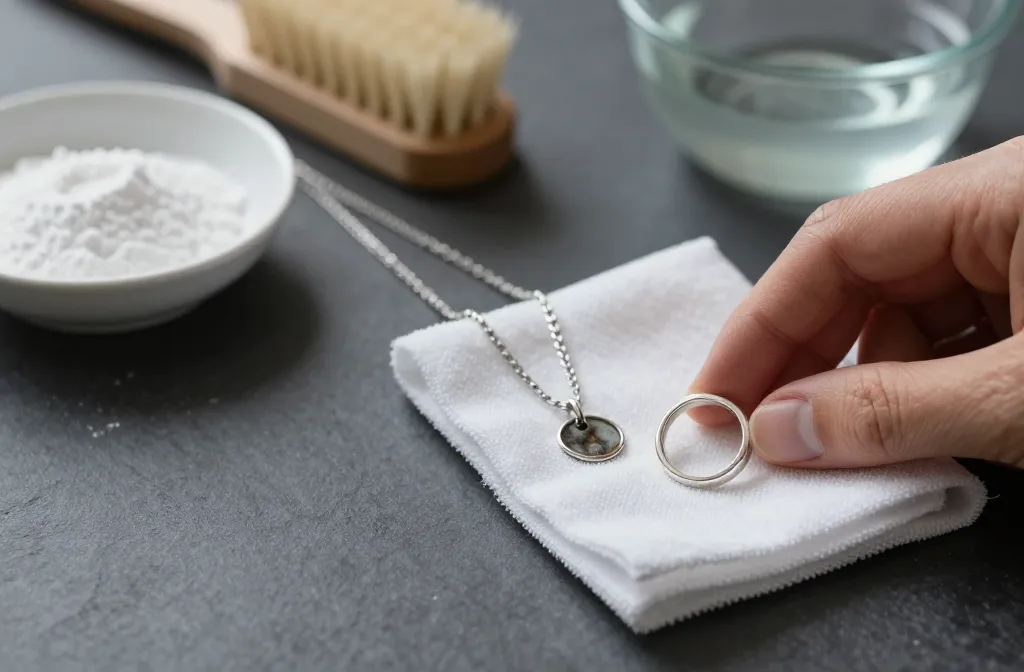
Your silver jewelry looked stunning once. Now it looks like it survived a dragon’s sneeze. Good news: tarnish isn’t permanent, and you don’t need a lab coat or a lunar eclipse to fix it. With a few smart tricks and the right touch, you can bring back that shine fast—without wrecking delicate pieces.
Why Silver Tarnishes (And Why That’s Not the End)
Silver doesn’t “go bad.” It reacts with sulfur in the air and on your skin, forming a dull, dark layer called tarnish. Blame hot springs, perfume, hair products, and, yeah, your gym habit. But here’s the silver lining (sorry): tarnish lives on the surface. You can remove it safely and keep your jewelry happy for ages with the right moves.
Know Your Silver: Not All Pieces Need the Same TLC
Before you start scrubbing like you’re cleaning a cast-iron skillet, figure out what you’ve got.
- Sterling silver (925): The everyday hero. It can handle most cleaning methods.
- Fine silver (999): Softer and rarer. Be gentler.
- Plated silver: Ultra-thin layer of silver over base metal. Go easy or you’ll polish it into oblivion.
- Oxidized/antiqued silver: Darkened details on purpose. Don’t strip them unless you want that look gone.
- Gemstones and pearls: Avoid harsh chemicals and soaking. Many stones hate ammonia, vinegar, and ultrasonic cleaners.
Quick ID Tips
- Look for stamps like 925, STER, or 800. No stamp? Doesn’t mean fake, but proceed carefully.
- Plated pieces often feel lighter and may show wear at edges where base metal peeks through.
- Pearls + silver? Treat like a diva duo—no chemicals, no soaking.
The Gentle Daily Clean (AKA: Your New Habit)
Most tarnish never forms if you wipe your jewelry after wearing it. Revolutionary, I know.
- Rinse under lukewarm water. Knock off lotion, sweat, and sunscreen.
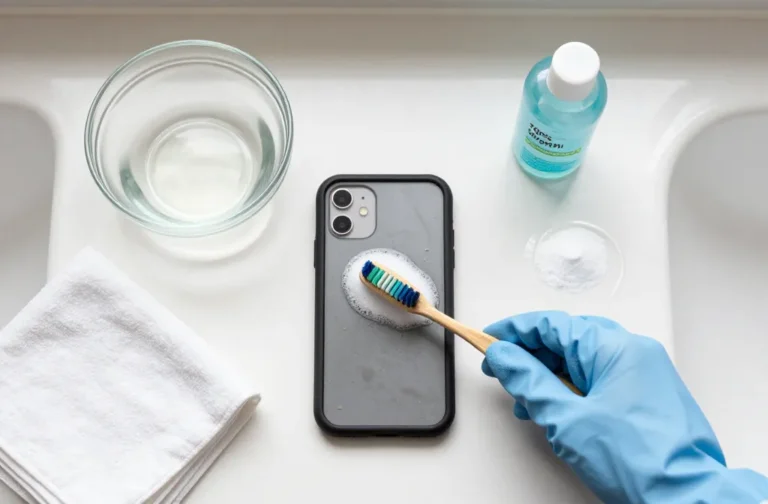
- Drop a little mild dish soap on a soft cloth or your fingers. Gently rub.
- Use a super-soft toothbrush for crevices. Light pressure only.
- Rinse well and dry completely with a lint-free cloth. Moisture equals tarnish.
This routine handles light dullness and daily grime. IMO, it’s the best long-term strategy.
When Silver Looks Moody: Deeper Cleaning Methods
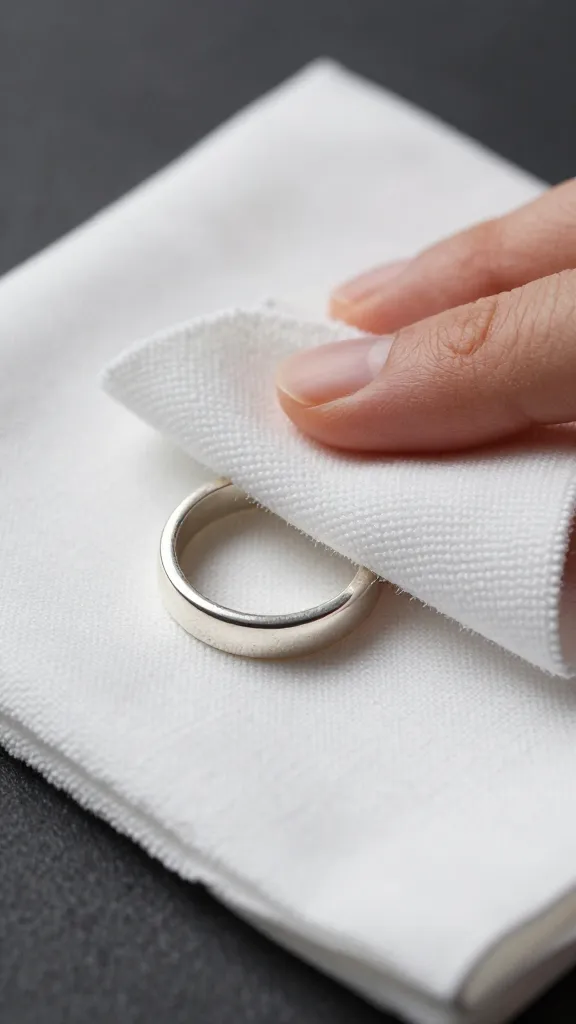
You’ve got options. Choose based on how bad the tarnish looks and what you’re cleaning.
1) Silver Polishing Cloth (Low Effort, Low Risk)
A treated polishing cloth removes tarnish without liquids. It’s fast and safe for most pieces.
- Rub with firm, even strokes—don’t go wild on plated or oxidized areas.
- Fold to a clean section as the cloth blackens. That’s tarnish leaving the chat.
- Skip gemstones; use the plain side or a separate cloth around them.
2) Soap, Water, and Baking Soda Paste (Mild to Moderate Tarnish)
Great for plain sterling with no stones or delicate finishes.
- Make a thin paste: 2 parts baking soda to 1 part water.
- Apply with a soft cloth, rub gently along the grain, not in circles.
- Rinse thoroughly and dry. Buff with a clean cloth.
FYI: Skip this on plated items or oxidized designs—you might strip detail or plating.
3) Aluminum Foil + Baking Soda Bath (For Heavy Tarnish on Plain Silver)
This uses a chemical reaction to convert tarnish back to silver. Science, but make it easy.
- Line a bowl with shiny side up aluminum foil.
- Add hot (not boiling) water and dissolve 1 tablespoon baking soda per cup.
- Submerge your silver so it touches the foil. Wait 2–5 minutes.
- Rinse, then dry thoroughly.
Warnings that matter:
- Do not use with pearls, opals, turquoise, coral, or glued stones.
- Avoid on plated silver—this can speed up wear. Not worth the risk.
4) Commercial Silver Polish (Targeted, Shiny Results)
When you want gleam fast—and the piece can handle it—use a reputable silver polish.
- Apply a pea-sized amount, work gently, then buff.
- Read labels: some polishes protect against future tarnish.
- Keep polish away from porous gems and any intentional dark areas.
5) Ultrasonic Cleaners (Proceed With Caution)
Ultrasonics blast dirt and oils, not tarnish. They help if grime hides tarnish, but:
- Never use with pearls, opals, emeralds, or heat/fracture-treated stones.
- Loose settings can become looser. Check prongs after.
- Use jewelry-specific cleaning solution—not dish soap from 2004.
Dealing With Tricky Details and Gemstones
Some pieces demand finesse. You got this.
Delicate Chains and Filigree
Soak in mild soapy water for a few minutes, then use a soft brush. Rinse and blot dry on a towel. Finish with a light polish using a cloth for the outer surfaces only.
Pearls and Porous Stones
Wipe gently with a damp cloth only. No soaking, no chemicals, no polish. Let strands dry flat so silk threads don’t stretch.
Set Stones (Cubic Zirconia, Sapphires, Diamonds)
Usually safe with dish soap and a soft toothbrush. Rinse thoroughly, especially behind the stone where gunk loves to hide.
Prevent Tarnish Like a Pro
Earn yourself fewer cleaning sessions with these easy wins:
- Wear your silver. Natural skin oils help slow tarnish.
- Store dry. Moisture is the enemy. Toss silica gel packets in your jewelry box.
- Use anti-tarnish strips or cloth pouches. Cheap and effective.
- Last on, first off: Put jewelry on after makeup, sunscreen, and hairspray. Take it off before workouts, hot tubs, or swimming.
- Wipe after wearing with a clean cloth. It’s the 10-second habit that pays off.
When to Call the Jeweler
Sometimes DIY isn’t the hero. Get professional help if:
- Stones feel loose or you spot missing prongs.
- You’ve got heavy tarnish on a rare or sentimental piece.
- Engravings, filigree, or plating need restoration, not guesswork.
- You suspect the piece isn’t silver and you want a proper ID.
A quick professional clean and check often costs less than you think and can save heartbreak later.
FAQ
Can toothpaste clean silver?
Technically, yes. Should you? Nope. Many toothpastes contain abrasives that scratch silver and dull finishes. Use a silver polish or baking soda paste instead. Your jewelry deserves better than minty sandpaper.
How often should I clean my silver jewelry?
Light wipe after each wear, deeper clean every few weeks if you wear it often. If it lives in a drawer, clean it every few months or whenever it looks dull. The more you wear and wipe it, the less major cleaning you’ll need, IMO.
Is the aluminum foil method safe for everything?
Not everything. It’s great for plain sterling pieces, but avoid
Why does my silver tarnish faster than my friend’s?
Body chemistry. Sweat, skincare, diet, even meds can speed tarnish. Environment matters too—think humidity and air pollution. Store smarter and clean more often if your silver seems extra moody.
What’s the best way to store silver to prevent tarnish?
Keep pieces in airtight bags or anti-tarnish pouches with a silica gel pack. Separate items so they don’t scratch each other. Bonus points for anti-tarnish strips in your jewelry box.
Can I use vinegar or lemon juice on silver?
I’d skip it. Acids can damage certain stones, and they can etch finishes if you overdo it. Safer options exist, and they don’t make your jewelry smell like a salad.
Wrap-Up: Shine Now, Chill Later
You don’t need fancy gear to revive silver—just the right method for the right piece. Start gentle, level up only if needed, and protect your jewelry with smart storage. Do that, and your silver will stay bright longer, with fewer “ugh, why is it gray?” moments. FYI: a polishing cloth in your drawer is the closest thing to a cheat code.