You know that smell that makes you question your life choices every time you walk past the sink? Yeah, that. The good news: you can fix it fast, and you don’t need a chemistry degree or a Hazmat suit. With a few tools and the right steps, you’ll banish gunk, grease, and that mysterious swamp odor. Let’s get in, get it clean, and get out.
Spot the Problem: Smell, Slow Drain, or Full Drama
Before you start pouring things down the drain like a wizard with a cauldron, figure out what you’re dealing with. Is the water draining slowly, or not at all? Do you only notice smells after you run the dishwasher? Different symptoms point to different fixes.
- Slow drain: You probably have buildup (soap scum, grease, hair).
- Gurgling or backup: Airflow issue or a deeper clog.
- Funky odor: Rotting food in the tailpiece or bacteria growth in the overflow/trap.
FYI: If every drain in your house acts up, that’s a main line problem. Call a pro. Otherwise, you’ve got this.
Quick Refresh: The 5-Minute De-stink
Short on time? Do this when your sink smells weird but drains okay.
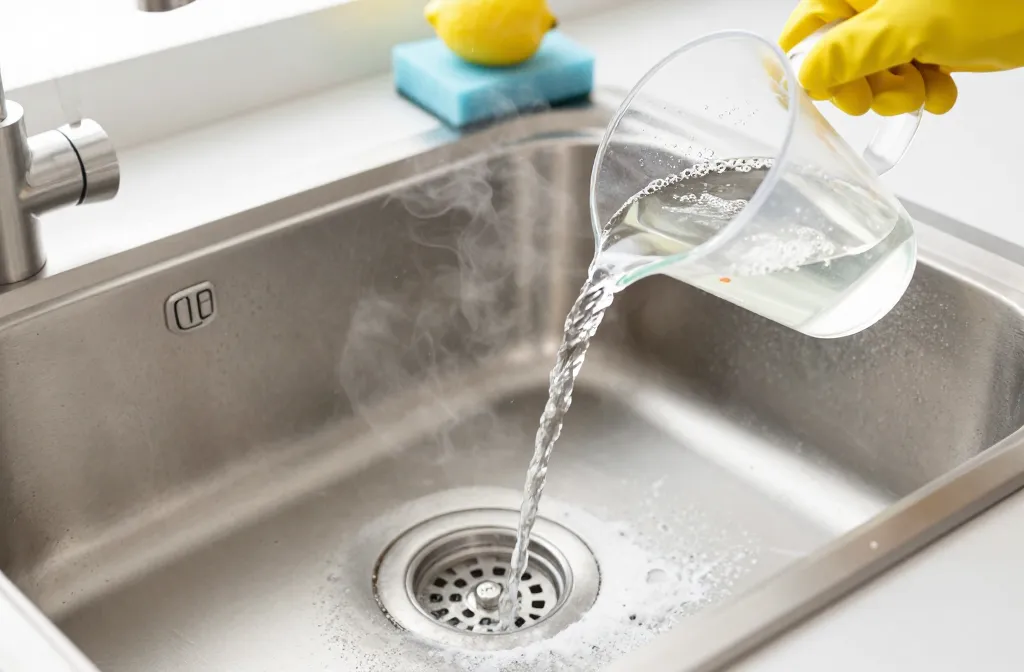
- Flush with hot water for 30–60 seconds to soften gunk. Not boiling if you have PVC pipes; just very hot tap water.
- Add a squirt of dish soap and run hot water again. Grease hates dish soap.
- Deodorize: Pour 1/2 cup baking soda, then 1 cup hot white vinegar. Let it fizz for 10 minutes. Rinse with hot water.
Will this fix a stubborn clog? Nope. But it’ll freshen things up and sometimes speed the drain a bit. Think of it as mouthwash for your sink.
The Solid Clean: Break Down the Gunk
When the drain runs slow or smells keep coming back, go a level deeper.
Tools you need
- Rubber gloves (you’ll thank me)
- Plunger (cup style for sinks)
- Drain snake or zip tool
- Bucket + old towel
- Adjustable wrench or channel-lock pliers
Step-by-step for bathroom sinks (hair central)
- Remove the stopper: Look under the sink for the horizontal pivot rod. Loosen the small nut, unhook the rod, and pull the stopper out from the top. It’ll be gross. You’re doing great.
- Clean the stopper: Wipe off hair and gunk. Soak in hot soapy water if needed.
- Snake the drain: Insert a zip tool, twist, and pull up debris. Repeat until it comes up cleaner.
- Flush with hot water and reinstall the stopper (hook the hole on the stopper to the rod, tighten the nut).
Step-by-step for kitchen sinks (grease and food)
- Check the strainer and remove any trapped debris.
- Plunge the drain: Block the other drain if you have a double sink. Fill with a few inches of warm water. Plunge firmly 10–15 times. Lift and test. Repeat if needed.
- Snake if plunging fails: Feed a small drain snake into the drain line. Rotate and push gently. Pull back to remove debris.
Important: If you have a garbage disposal, turn off its power at the switch or breaker before you do anything. Fingers are not rated for grinding.
Garbage Disposal TLC (Without Losing a Spoon)
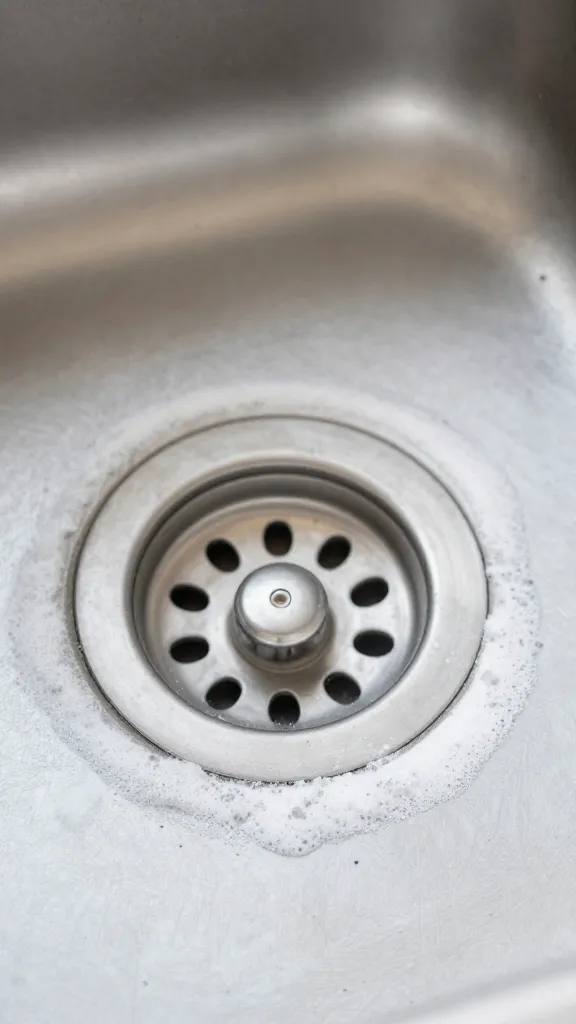
Disposals get funky fast. Good news: you can clean them without drama.
De-stink your disposal
- Kill power (switch off). Shine a flashlight and remove visible junk with tongs.
- Scrub the rubber splash guard (that black flappy thing). Pull it up and clean both sides with hot soapy water. This is where a lot of smell hides.
- Deep clean the chamber: Sprinkle 1/2 cup baking soda, pour 1 cup vinegar, let fizz 5–10 minutes.
- Ice + salt refresh: Restore power. Add 2 cups ice and 1/2 cup coarse salt. Run cold water and the disposal for 15–20 seconds. This scours the impellers.
- Optional: Grind a few lemon peels for a fresh scent. Don’t rely on citrus to clean; it just smells nice.
Never put these in the disposal:
- Grease, oil, or fat (they solidify and coat pipes)
- Fibrous stuff like celery, corn husks, onion skins
- Starchy clumps like big rice or potato loads
- Eggshells in large amounts (they turn pasty)
Go Under the Sink: Clean the P-Trap
If the clog laughs at plungers and snakes, it might live in the P-trap (that U-shaped pipe). Don’t panic—this is fixable.
How to remove and clean the P-trap
- Place a bucket under the trap and grab a towel.
- Loosen the slip nuts on both ends by hand or with pliers. Keep track of the washers.Advertisement
- Remove the trap and dump the contents into the bucket. Clean with a bottle brush and hot soapy water.
- Reassemble, align straight, and hand-tighten the nuts. Don’t overtighten—plastic cracks, metal strips.
- Test for leaks: Run water and check for drips. If it leaks, snug it a quarter-turn more.
Pro tip: If water backs up into the sink when the dishwasher runs, the clog might be in the branch line after the trap. You’ll need to snake the wall pipe.
Keep It Fresh: Simple Habits That Actually Work
You cleaned it. Let’s keep it that way without turning you into the sink police.
- Once a week: Hot water flush + a drop of dish soap.
- After greasy cooking: Wipe pans with a paper towel before washing. Grease belongs in the trash, not the pipes.
- Strainers are heroes: Use a mesh strainer in bathroom and kitchen sinks.
- Baking soda + vinegar monthly: Not a miracle, but it helps deodorize, IMO.
- Run the disposal with cold water for 20–30 seconds after use to clear remaining particles.
Products worth having
- Enzyme cleaners (monthly): They digest organic gunk gently. Great preventive option.
- Plunger + snake: Cheap, effective, lasts forever.
Avoid harsh chemical drain openers unless you’re desperate. They can damage old pipes, create fumes, and make future repairs risky. If you use one, never open the trap right after. Big yikes.
Special Cases: Bathroom Overflow and Weird Odors
Some smells don’t come from the main drain at all.
Clean the overflow (bathroom sinks)
- Plug the main drain.
- Mix hot water with a bit of bleach or hydrogen peroxide.
- Use a small funnel to pour into the overflow hole. Let sit 10 minutes, then flush with water.
Dry P-trap smell
If a sink sits unused, the trap water evaporates and sewer gas sneaks in. Just run water for 10–15 seconds. Add a tablespoon of mineral oil to slow evaporation. FYI, this happens a lot in guest baths.
FAQ
Can I use baking soda and vinegar to clear a real clog?
It helps with odor and light buildup, but it won’t beat a serious clog. Use a plunger and a snake for actual blockages. Save the fizz combo for maintenance and smell control.
Is boiling water safe for all drains?
Not for PVC. Use very hot tap water instead. Boiling water works fine for metal pipes, but be careful around seals and old fixtures.
How often should I clean my garbage disposal?
Do a quick rinse with dish soap weekly, and a deeper clean (baking soda/vinegar + ice/salt) monthly. If you cook a lot, bump it up. Your nose will tell you.
What if my sink still drains slowly after everything?
You might have a clog deeper in the branch line or a venting issue. Try a longer drain snake through the wall pipe. If that fails, call a plumber—no shame. Some problems live beyond DIY reach.
Are enzyme cleaners safe for septic systems?
Yes—enzymes play nice with septic tanks and actually help digestion. Avoid harsh chemical openers if you’re on septic; they can disrupt the tank’s bacteria.
Why does water back up into the other side of my double sink?
Both bowls share a drain line. A clog after the junction blocks both, so water crosses over. Plunge one side while you block the other, then snake the shared line if needed.
Conclusion
Clean drains don’t need drama. Start with a quick refresh, graduate to a snake or P-trap clean if needed, and keep things chill with simple habits. Your sink will run smooth, smell normal, and stop auditioning for a horror movie. And IMO, that’s a big household win with minimal effort.