Your stainless steel sink takes a daily beating—coffee stains, pasta water, mystery gunk that somehow escaped the strainer. The good news? You don’t need harsh chemicals or an arm workout to bring back that shine. With a few smart moves and some pantry staples, you’ll make it sparkle in minutes. Ready to make your sink look like it belongs in a fancy kitchen showroom? Let’s do it.
Know Your Enemy: What Actually Dulls a Stainless Sink
Stainless steel resists rust like a champ, but it still gets grubby. The usual suspects? Limescale from hard water, grease film, food acids, and tiny scratches that trap grime. You also fight fingerprints and soap scum. None of this requires panic—just the right order of attack.
The Quick Daily Clean (60 Seconds, Tops)
You don’t need a full scrub every day. Do this mini-routine and your sink won’t morph into a science experiment.
- Rinse out any crumbs and gunk with hot water.
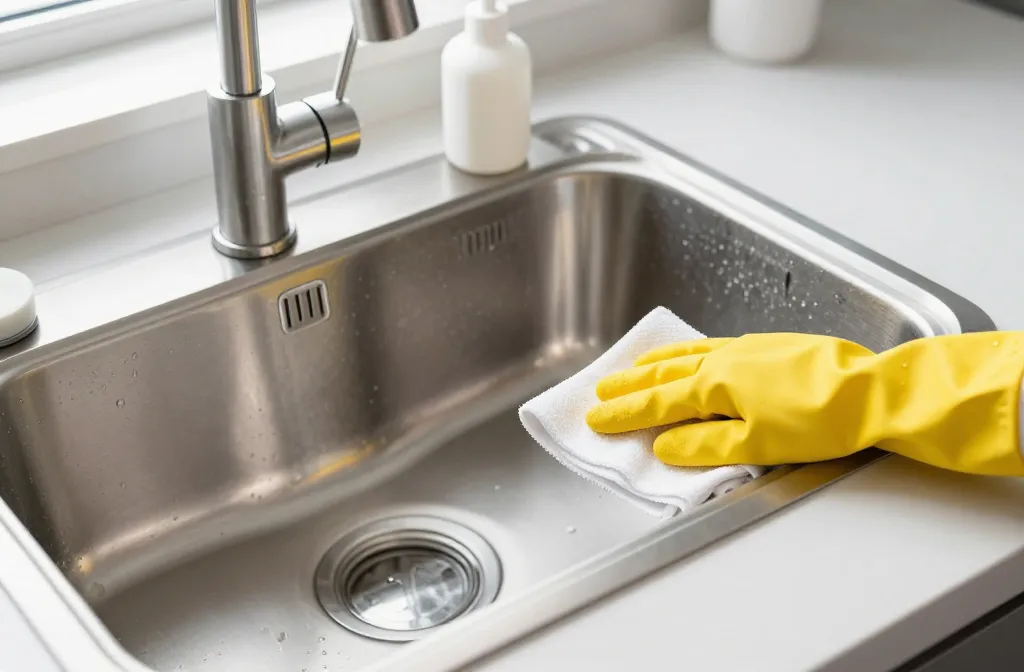
- Squirt a few drops of dish soap on a soft sponge and wipe with the grain (you’ll see faint lines—go that way).
- Rinse well and dry with a microfiber towel to prevent water spots. Yes, drying matters.
Pro tip: Keep a microfiber cloth under the sink. A 10-second wipe at the end of cooking keeps mineral spots away. It’s the lazy person’s trick to a clean-looking kitchen. IMO, it’s a game changer.
The Deep Clean (Weekly or After Messy Cooking)
Time for the satisfying stuff. No special cleaner needed—baking soda and vinegar do the heavy lifting.
- Degrease first: Give the sink a quick wash with hot water and dish soap. You remove the slick layer so the scrub can actually scrub.
- Sprinkle baking soda: Dust a light coat over the wet sink. It creates a gentle abrasive paste.
- Scrub with the grain: Use a soft sponge or non-scratch pad. Hit the corners, walls, and the flat deck area around the faucet. Work methodically.
- Target stains: For stubborn marks, drizzle a bit of white vinegar. It will fizz—science working for you. Scrub again lightly.
- Rinse thoroughly: Flush away all residue. No gritty leftovers allowed.
- Dry and buff: Use a microfiber towel to dry completely, then buff for shine.
What About the Drain and Strainer?
– Pull the strainer and soak it in hot water + dish soap for 5 minutes.
– Scrub with a toothbrush, especially the underside lip (ew, but necessary).
– For odor control, pour 1/2 cup baking soda down the drain, then 1/2 cup vinegar. Let it fizz 5–10 minutes, then flush with hot water.
Dealing with Limescale and Water Spots
Hard water leaves chalky spots that mock your efforts. Wrap a vinegar-soaked paper towel around the faucet base and any crusty areas. Let it sit 10–15 minutes, then scrub with a soft brush and rinse. Avoid vinegar on rubber gaskets for long soaks—short contact only.
What NOT to Use (Unless You Like Scratches)
Some tools should never meet stainless steel. Like, ever.
- No steel wool or metal scouring pads. They scratch and can leave rust spots.
- No bleach or chlorine products. They pit and discolor stainless. If you spill, rinse immediately.
- No abrasive powders with large grit. Skip the heavy-duty stuff meant for grills or concrete.
- No wire brushes or edge-of-a-knife scraping. Tempting, but no.
FYI: If you must use a commercial cleaner, choose one made for stainless and test in a corner first.
Restore the Shine: Finishing Touches
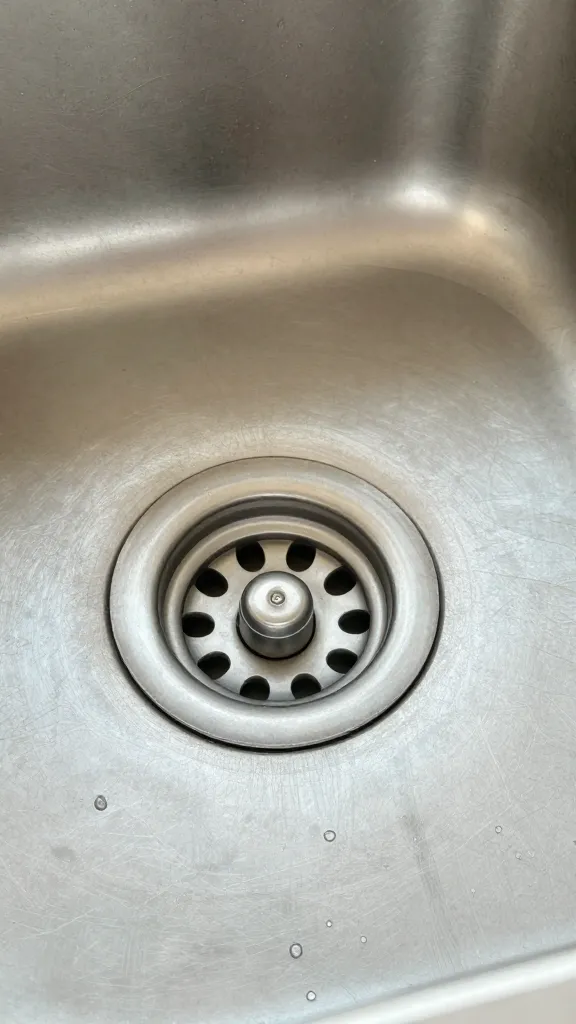
Want that magazine-cover gleam? A small amount of oil and a soft cloth bring it home.
- Make sure the sink is bone dry. Water and oil don’t mix, so drying matters here.
- Add a drop of oil: Use mineral oil or a food-safe oil (like fractionated coconut) on a microfiber cloth.
- Buff with the grain. A few light passes even out micro-scratches and repel water for a bit.
Important: Use a tiny amount—no slip-and-slide situation, please. And don’t oil the basin right before a big wash session or you’ll undo it immediately.
Fixing Fine Scratches
– Light hairline scratches? A non-scratch sponge, baking soda paste, and patient buffing along the grain can reduce their look.
– Deeper scratches? You need a stainless steel scratch kit with graded pads designed for your sink’s finish. Follow the kit’s grain guide carefully or you’ll make zebra stripes.
– If your sink has a brushed finish, always match that direction. Go slow.
The Faucet, Handles, and Extras
Don’t stop at the basin. The faucet area collects hard water and bacteria.
- Faucet and handles: Wipe with dish soap and water, then buff with vinegar for shine. Dry fully.
- Sprayer head: Unscrew the aerator, soak in vinegar 15 minutes, brush away mineral buildup, rinse, and reattach.
- Sink accessories: Clean sink grids, soap trays, and strainers separately with hot soapy water and a brush.
Stain Scenarios: Quick Fixes
Some messes need a targeted response. Here’s your cheat sheet.
Coffee or Tea Stains
– Sprinkle baking soda, add a few drops of vinegar, let it fizz 2 minutes, then scrub and rinse.
– Repeat if needed, then dry and buff.
Rust-Looking Spots (From Iron Particles)
– They usually come from steel wool residue or the bottom of cheap pans.
– Use a paste of baking soda and water. Rub gently with the grain and rinse well.
– If stubborn, use a stainless-safe cleaner labeled “rust remover,” but follow directions exactly.
Grease Film
– Hot water + a few drops of degreasing dish soap, then a microfiber buff.
– Finish with vinegar to cut any remaining residue, then rinse and dry.
Set a Low-Maintenance Routine
Consistency beats intensity every time. Here’s a simple plan:
- Daily: Quick soap wipe, rinse, and dry.
- Weekly: Baking soda scrub, vinegar for limescale, drain refresh.
- Monthly: Deep clean faucet, aerator, and accessories; light oil buff.
Not glamorous, but it works. And IMO, five minutes here saves you from a 30-minute scrub-fest later.
FAQ
Can I use Bar Keepers Friend on a stainless steel sink?
Yes—use the powder or soft cleanser version designed for stainless. Apply with a damp non-scratch sponge, move with the grain, rinse thoroughly, and dry. Don’t let it sit too long, and never mix it with bleach.
Why does my sink still look streaky after cleaning?
You probably didn’t dry it fully, or you used a product that left residue. Rinse with hot water, wipe with a vinegar-damp cloth, then buff dry with a clean microfiber towel. A tiny bit of mineral oil after drying helps even out the finish.
Is vinegar safe for stainless steel?
In short, yes. Vinegar dissolves mineral deposits and soap scum. Use it as a wipe or brief soak (10–15 minutes), then rinse and dry. Avoid long soaks on rubber gaskets or caulk lines.
How do I prevent water spots?
Dry the sink after each use. That’s the big one. A soft water system helps if you have very hard water. An occasional thin oil buff also makes water bead up instead of drying into spots.
What about black marks from pots and pans?
Those are metal transfer marks. A paste of baking soda and water usually lifts them. Rub gently with a soft sponge along the grain, rinse, and dry.
Do I really need to clean the drain?
If you like fresh-smelling kitchens, yes. Baking soda and vinegar keep buildup and odors down, and a hot water flush finishes the job. It’s fast and weirdly satisfying.
Conclusion
A stainless steel sink doesn’t ask for much—just a quick daily wipe and a thoughtful weekly clean. Use gentle abrasives, go with the grain, and finish with a dry buff for instant shine. Skip the harsh stuff, handle limescale with vinegar, and you’ll keep that sink looking effortlessly polished. Low effort, high payoff—the best kind of housekeeping win.