Your silver’s looking a little… moody? Don’t panic. Sterling silver loves to tarnish, and that’s totally normal. The good news: you can bring it back to mirror-shiny glory fast, with stuff you probably already own. Let’s get your pieces from “antique market find” to “sparkling heirloom” in a few easy steps.
Why Sterling Silver Tarnishes (And Why That’s Fine)
Tarnish happens when silver meets sulfur compounds in the air and on your skin. It forms a dark layer called silver sulfide. Sounds scary, but it’s just surface-level drama. Clean it off, and the shine returns instantly.
Also, some jewelry even looks better with a little patina—those dark creases make details pop. But if your ring crossed from “vintage chic” to “forgotten artifact,” it’s time to clean.
Know Your Silver: Check for Hallmarks and Finishes
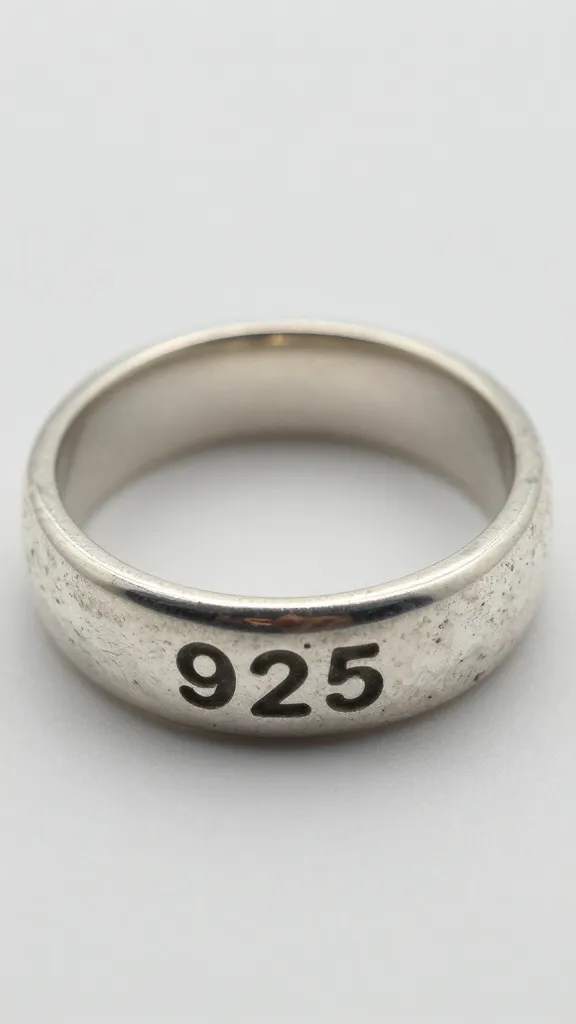
Before you scrub, figure out what you’re dealing with. Look for stamps like:
- 925 or Sterling – 92.5% silver, good to go
- SS – Sterling silver shorthand
- Plated – Silver layer over a base metal; be gentle
Got gemstones? Enamel? Oxidized details? Adjust your approach so you don’t strip finishes or loosen settings.
Quick rule of thumb
If it’s plain silver: you’ve got options.
If it has soft stones (like pearls, opals, turquoise) or delicate finishes: avoid harsh chemicals and soaking.
The Easiest At-Home Clean: Soap and Water
When in doubt, start simple. You’d be amazed what a little TLC does.
- Mix a few drops of mild dish soap in warm water.
- Soak jewelry for 5 minutes (skip soaking on porous stones or glued settings).
- Brush gently with a soft toothbrush.
- Rinse with clean water and dry completely with a soft cloth.
This method removes grime and light tarnish without risk. IMO, it’s the perfect first pass before anything more aggressive.
Baking Soda Methods: When Tarnish Fights Back
Baking soda = budget hero. It works, but use it right so you don’t scratch anything.
Method 1: Baking Soda Paste
Best for solid sterling without delicate finishes.
- Make a paste: 2 parts baking soda to 1 part water.
- Apply with a soft cloth or sponge. Rub gently in straight lines (not circles).
- Rinse thoroughly and dry right away.
FYI: Avoid this on soft stones or silver-plated items. Abrasives can dull and strip.
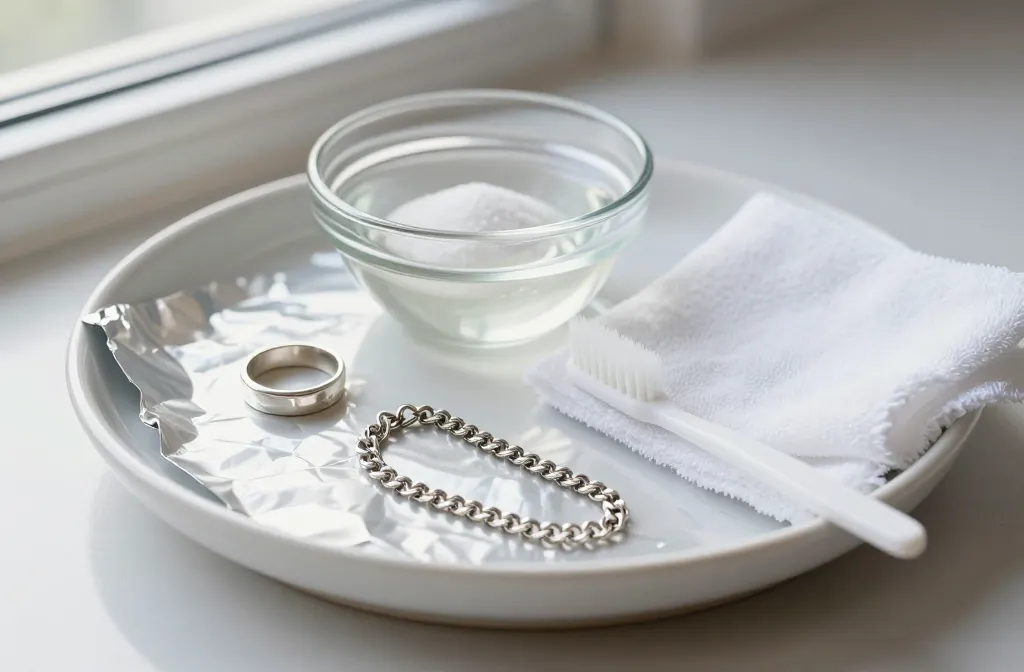
Method 2: Aluminum Foil “Science Experiment”
This one feels like magic. It actually reverses tarnish through a mild chemical reaction.
- Line a bowl with aluminum foil, shiny side up.
- Add hot water, 1 tablespoon baking soda, and 1 tablespoon salt per cup of water. Stir.
- Drop in your silver (pieces should touch the foil). Wait 1–3 minutes.
- Rinse and dry thoroughly.
You’ll smell a little rotten egg vibe—that’s the sulfur leaving your silver. Bad scent, great results.
When to skip the foil bath
– Gem-heavy pieces, glued settings, oxidized designs
– Plated jewelry (you might strip the plating)
– Anything you’re not 100% sure about
Polishing Cloths: The No-Fuss MVP
A treated silver polishing cloth removes tarnish quickly and safely. I keep one in my drawer like a responsible adult, or at least I try.
- Rub softly in long strokes, not circles.
- Hit crevices with the cloth’s corner or a cotton swab.
- Don’t wash the cloth—those dark marks = it worked.
Cloths work great for quick shine-ups or for pieces with light tarnish. They also help maintain that just-cleaned look.
Special Cases: Stones, Plating, and Vintage Pieces
Not all jewelry wants to party with baking soda. Some need VIP treatment.
Soft or porous stones
Pearls, opals, turquoise, lapis, malachite—treat them gently.
– Use a damp soft cloth and mild soap only on the silver parts.
– Avoid soaking entirely.
– Dry quickly and store carefully.
Silver-plated jewelry
Plating is thin and fragile.
– Stick to soap-and-water and polishing cloths.
– Skip abrasives and foil baths.
– If plating already looks patchy, a jeweler can re-plate it.
Antique or oxidized designs
That dark shading? It’s intentional.
– Clean only the high points and leave the recessed areas dark.
– Use a cloth rather than paste or dips, which can strip patina.
What Not to Use (Please and Thank You)
Some hacks belong in the “just don’t” folder.
- Toothpaste – too abrasive; scratches happen fast.
- Bleach or ammonia – can damage silver and stones.
- Vinegar + salt soaks – corrosive combo; risky for finishes and stones.
- Ultrasonic cleaners – only if you’re sure your piece can handle it. Many can’t.
If you love your jewelry, avoid these. If you love chaos, you do you—just don’t say I didn’t warn you.
Drying, Storing, and Preventing Tarnish
You cleaned it. Now keep it shiny longer with a few habits.
- Dry completely after any cleaning—water spots look messy and can trigger tarnish.
- Store airtight: zip bags or anti-tarnish pouches. Push out extra air.
- Add anti-tarnish strips to your jewelry box. They’re cheap and effective.
- Wear it often. Natural friction from wear helps keep silver bright.
- Remove before swimming, hot tubs, workouts, or slathering on lotion and perfume.
Tiny tweaks = way less cleaning down the road. IMO, prevention beats scrubbing every time.
When to Call a Professional
You don’t need a jeweler for every smudge, but sometimes it’s worth it.
– Loose stones, bent prongs, broken chains
– Super valuable or sentimental pieces
– Black stains that don’t budge with any method
A pro can clean, polish, tighten settings, and even re-plate if needed. Consider it a spa day for your jewelry.
FAQ
How often should I clean sterling silver?
Lightly wipe pieces after each wear and do a proper clean every 1–3 months, depending on how often you wear them and your environment. Humid homes and lots of lotions accelerate tarnish, so adjust accordingly.
Can I use silver dip solutions safely?
Yes, with caution. Dips work fast on plain silver but can damage stones, strip patinas, and over-brighten vintage pieces. If you use one, dip briefly, rinse thoroughly, and avoid any gem-set or detailed designs.
Why does my silver tarnish faster than my friend’s?
Body chemistry varies. Medications, skincare, sweat composition, and even diet can speed up tarnish. Storage conditions matter too. If yours tarnishes quickly, store airtight with anti-tarnish strips and clean more frequently.
Is tarnish harmful to my skin?
Tarnish itself isn’t harmful. It’s mostly cosmetic. But if a piece contains nickel or base metals (in plated items), skin irritation can happen. Stick to true sterling (marked 925) if you have sensitive skin.
Can I put sterling silver in an ultrasonic cleaner?
Only if the piece is plain silver without stones, enamel, or glued parts—and even then, it’s not always necessary. Many gemstones and settings hate ultrasonics. When in doubt, skip it or ask a jeweler.
Do I need a special cloth, or will any soft cloth work?
Any soft, lint-free cloth helps, but a treated silver polishing cloth removes tarnish more effectively and leaves a protective layer. They’re inexpensive and last a long time—worth it, IMO.
Wrap-Up: Shine Restored, Crisis Averted
Sterling silver wants attention, not drama. Start with soap and water, then level up to baking soda or a polishing cloth if needed. Be gentle with stones and finishes, store pieces smart, and wear them often. Do that, and your silver won’t just sparkle—it’ll stay that way. Now go flex those shiny treasures like the magpie you are.