Fingerprints, mystery smudges, and that one streak that mocks you in the sunlight—window grime feels personal. The good news? You don’t need fancy gadgets or a PhD in squeegee science to get glass so clear it disappears. I’ll walk you through a simple, proven method that works on any window. No fluff, just the good stuff (with a little personality).
Gear Up: What You Actually Need
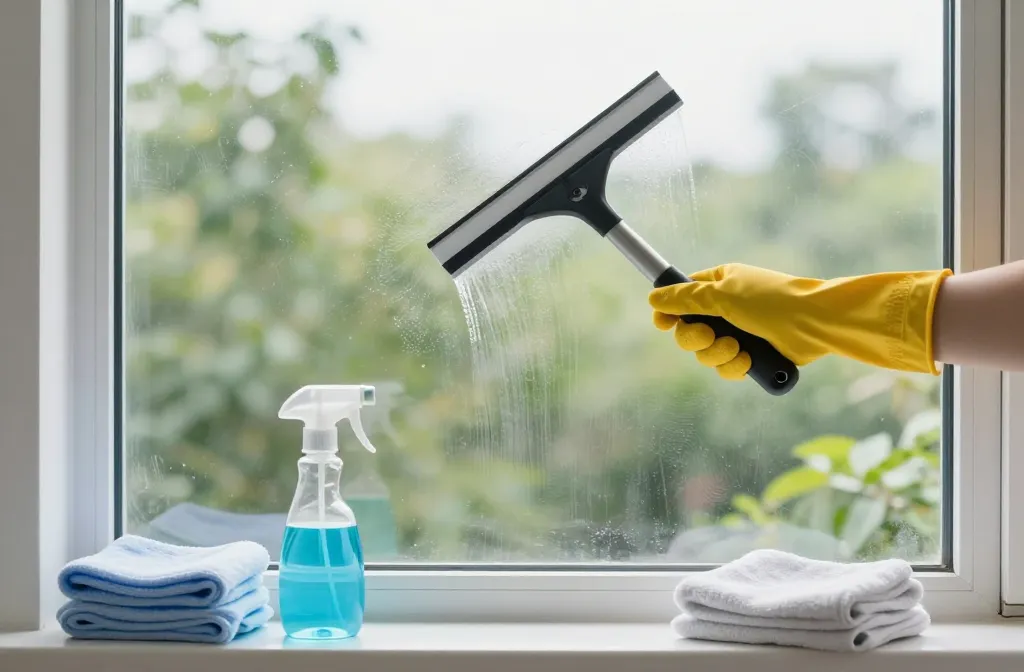
Keep it simple. You don’t need a cart full of chemicals. Here’s the reliable kit:
- Two microfiber cloths: One for washing, one for drying/buffing
- Squeegee: With a sharp, clean rubber blade
- Bucket or spray bottle: Your choice
- Cleaning solution: Water + a few drops of dish soap, or water + white vinegar (50/50)
- Soft brush or vacuum: For dusting frames and tracks
- Old towel: To catch drips on the sill
- Optional: Extension pole, razor scraper (for paint spots), isopropyl alcohol (for greasy fingerprints)
FYI: Paper towels shed lint and smear. Microfiber or a clean cotton cloth beats them every time.
Set the Stage: Timing and Prep
Clean windows on a cloudy day or in the shade. Sunlight dries solution too fast and creates streaks. The sun can go sit in the corner and think about what it did.
- Dust first: Brush or vacuum the frames, tracks, and screens. Don’t grind grit into the glass.
- Lay a towel on the sill to catch drips.
- Remove screens and wash them with mild soap and water if they’re grimy. Let them dry fully.
The Core Method: Streak-Free Every Time
Let’s keep this stupid simple. We’ll wash, squeegee, and buff. That’s it.
- Apply your solution: Spray the glass or dip your cloth and wipe generously. Don’t skimp—wet glass cleans easier.
- Agitate: Use your microfiber cloth to lift dirt in small circles. Hit corners and edges well.
- Squeegee top to bottom: Start at the top corner. Pull down in one straight stroke. Wipe the blade with a towel after each pass.
- Overlap strokes slightly: You’ll avoid lines between passes.
- Detail the edges: Use a dry microfiber to wipe the border and catch drips at the bottom.
- Final buff: If needed, a light buff with a clean, dry cloth makes the glass disappear. Chef’s kiss.
Alternate: No-Squeegee Method
No squeegee nearby? No problem.
- Wash with soapy water or vinegar mix.
- Wipe off with a damp microfiber.
- Buff dry with a second, completely dry microfiber. Work fast so you don’t chase drying marks.
Troubleshoot the Usual Suspects
Still seeing streaks or spots? Here’s how to fix the drama.
- Streaks: Too much cleaner or dirty cloth. Use less solution and a clean, dry microfiber to buff.
- Hard water spots: Use white vinegar first. For stubborn spots, try a paste of baking soda and water. Rinse and buff.
- Greasy fingerprints: Dab with isopropyl alcohol on a cloth, then clean normally.
- Paint/sap: Use a plastic scraper or razor at a shallow angle with soapy water as lubricant. Go slow.
- Cloudy haze: That’s usually residue. Rewash with a fresh solution and new cloths.
When Your Squeegee Misbehaves
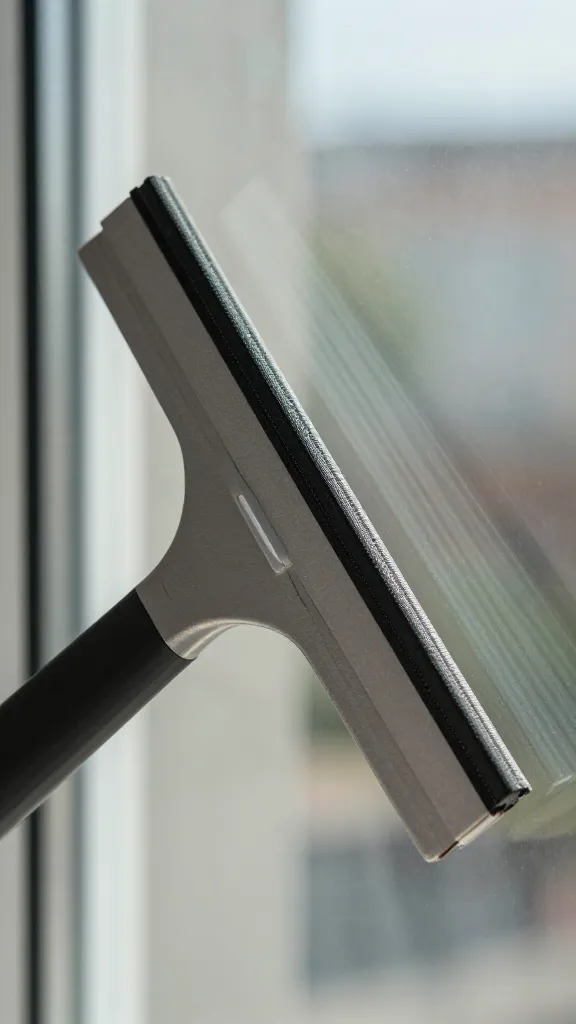
- Chattering or skipping: The rubber dried out or the glass lacks enough solution. Wet the glass more and replace the blade if needed.
- Lines after each pass: Wipe the blade between strokes. Even a tiny grain of grit ruins the finish.
Inside vs. Outside: Slightly Different Game
Indoors stays cleaner but smudgier. Outside collects everything nature throws at it. Game plan:
Inside Windows
- Use minimal water around wood sills and drywall.
- Keep a dry microfiber ready to chase drips immediately.
- For high windows, use an extension pole. Your back will thank you.
Outside Windows
- Rinse heavy dirt with a hose or wet sponge before cleaning to avoid scratching.
- On second stories, use a long-handle squeegee or a hose-fed brush. Safety first—not just a suggestion.
- If you must use a ladder, have a spotter and keep three points of contact. No hero moves.
The Solution Debate: Soap, Vinegar, or Store-Bought?
I’ll be honest: all three can work great. Pick based on your situation.
- Dish soap + water: Best all-rounder. A few drops in a bucket yields slick, forgiving glide. Rinses clean.
- Vinegar + water (50/50): Great for mineral deposits and a shiny finish. Slight smell, but it fades. IMO, excellent for kitchen windows.
- Commercial cleaners: Convenient and streak-free when used sparingly. Avoid ones with heavy fragrances that can leave residue.
Pro tip: Soft water leaves fewer spots. If your tap water runs hard, use distilled water for final passes. FYI, it’s cheap and worth it if you’re picky.
Speed Tips That Make You Look Like a Pro
- Work in an S-pattern with the squeegee on big panes. It’s faster once you get the feel.
- Use two cloths: one always damp, one always dry. Don’t cross-contaminate.
- Start with the shadiest side of the house and chase the shade. You’ll stay streak-free and less sweaty.
- Detail the edges first on French panes. Then finish the centers in one wipe.
- Replace squeegee rubber when it nicks or curls. It’s like driving on bald tires—technically possible, but why.
Maintenance: Keep Them Clean Longer
- Light monthly wipe-down: Quick spray and buff keeps buildup away.
- Deep clean seasonally: Spring and fall hit the sweet spot.
- Clean screens regularly. Dirty screens = dusty windows, guaranteed.
- Avoid candles near windows. Soot loves glass like cats love laptops.
- Treat outside glass with a rain-repellent (auto glass style) if you live in a wet or hard-water area.
FAQ
What’s the best homemade window cleaner?
Two winners: a few drops of dish soap in a bucket of warm water for general cleaning, or a 50/50 mix of white vinegar and water for mineral spots and shine. Use distilled water if your tap water leaves marks.
How do I avoid streaks completely?
Clean in the shade, use a sharp squeegee or two clean microfibers, don’t over-spray cleaner, and always wipe the squeegee blade between strokes. Finish with a quick buff around the edges. That combo nails it.
Can I use newspaper to dry windows?
You can, but IMO it’s outdated. Some inks smudge, and the paper can leave lint. Microfiber cloths cost little, last ages, and deliver a better, cleaner finish.
What about tinted windows?
Avoid ammonia-based cleaners on tinted or film-coated windows. Use mild soap and water or a vinegar solution. Soft cloths only. If your film is new, follow the installer’s cure time before cleaning.
How do I handle very tall or awkward windows?
Use an extension pole with a squeegee and washer attachment. Work from top to bottom, and keep the glass wet so the squeegee glides. If a ladder enters the chat, prioritize safety and consider hiring a pro for anything sketchy.
Why do my windows look worse in sunlight even after I clean them?
Sunlight exposes leftover residue and tiny streaks. Clean when the pane sits in shade, use less cleaner, and swap to a clean, dry microfiber for the final buff. A fresh squeegee blade helps a ton too.
Conclusion
Clean windows don’t require wizardry—just the right tools, a smart sequence, and a little patience. Wash, squeegee, buff, done. Tackle the grime in the shade, keep your cloths clean, and your glass will look invisible. And when that one streak shows up anyway? Give it a quick buff and pretend it never happened. FYI: nobody else will notice.