You spend a third of your life on that mattress, and it’s probably seen things. Crumbs, sweat, dust, mysterious stains you swear weren’t there yesterday. Good news: you can fix most of it without fancy gear or a hazmat suit. Grab a few basics, set aside an hour, and let’s give your bed the glow-up it deserves.
Take Everything Off and Let It Breathe
Strip the bed completely—sheets, pillowcases, mattress protector, the decorative throw you only use for Instagram. Toss all linens in the wash on the hottest recommended setting. While the machine does the boring part, let your mattress air out.
Open a window if you can. Fresh air helps reduce odors and moisture. Think of it as your mattress taking a deep breath after a very long day, week… decade?
Vacuum Like You Mean It
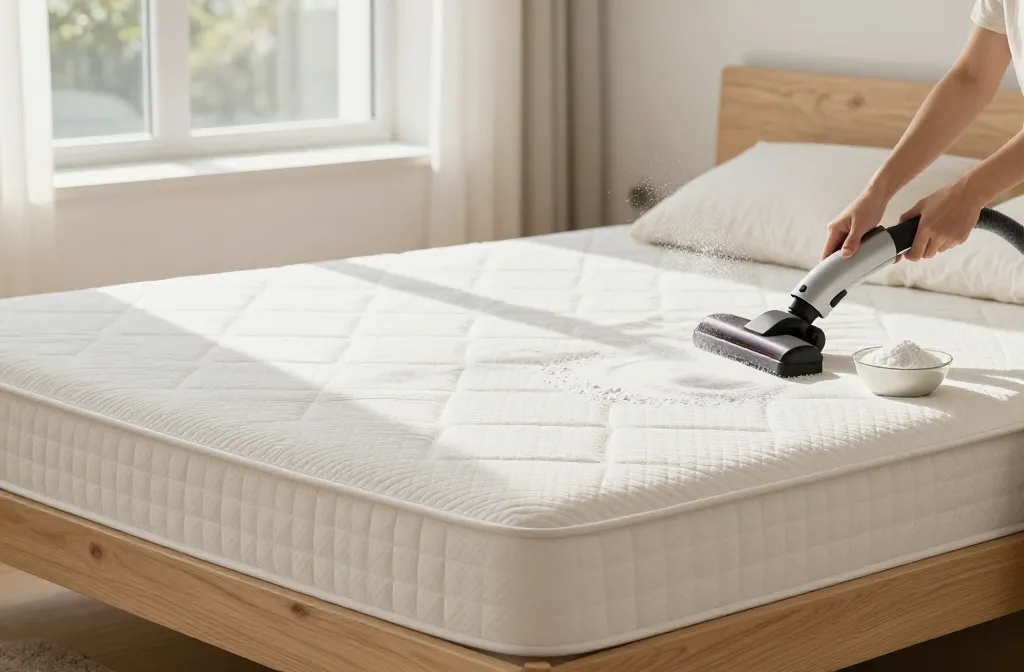
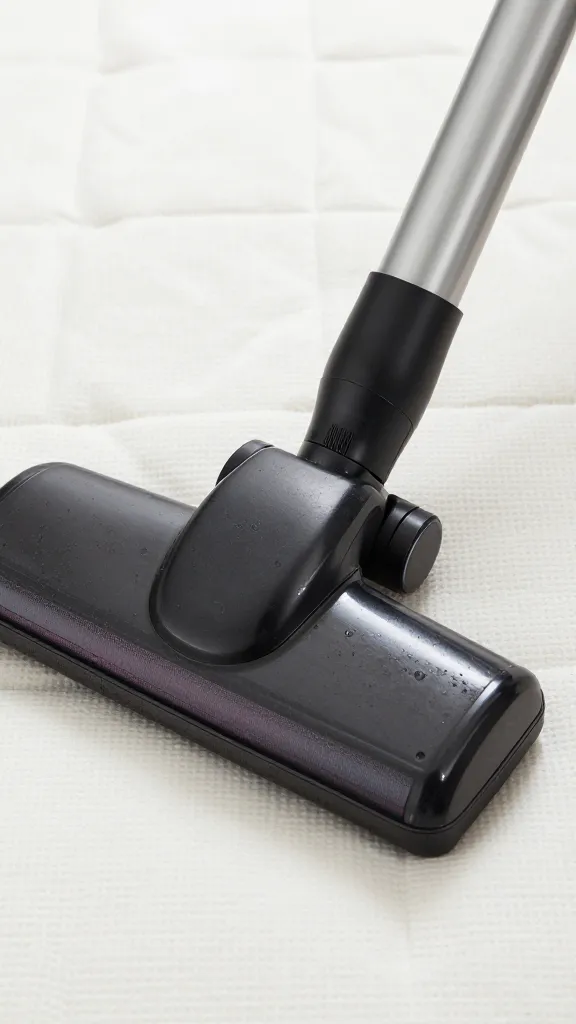
Your vacuum’s upholstery or crevice attachment becomes the star here. You’ll pull up dust, hair, dead skin (sorry), and those crumbs from late-night snacks you don’t tell anyone about.
- Go slow. Move the nozzle in overlapping strokes. Slow passes grab more gunk.
- Hit the seams and edges. Dust and mites love hiding there like tiny trolls.
- Flip if possible. If your mattress allows flipping or rotating, do it now. FYI, many newer mattresses only want rotation.
Deodorize with Baking Soda
After vacuuming, sprinkle a generous layer of baking soda over the mattress surface. Add a few drops of essential oil to the baking soda first if you want a light scent (lavender, eucalyptus, or tea tree). Let it sit for at least 30 minutes—longer if you can swing it. Then vacuum again. Odors? Gone. Ego? Restored.
Tackle Stains the Smart Way
Different messes need different moves. Don’t just blast everything with bleach and hope for the best. That’s chaos. Controlled chaos beats chaos-chaos.
General Rules for All Stains
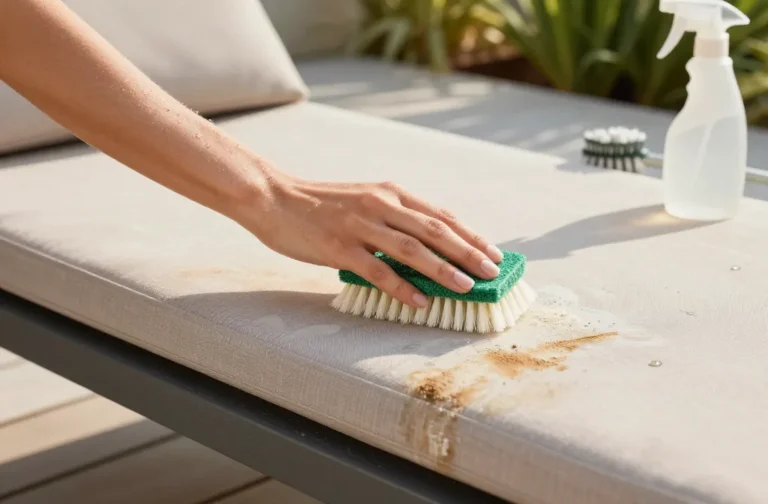
- Blot, don’t rub. Rubbing spreads stains and pushes liquid deeper.
- Use minimal moisture. Mattresses hate soaking. Lightly damp, not wet.
- Test first. Spot-test cleaners on a small area.
Biological Stains (Sweat, Urine, Blood)
Use an enzyme cleaner—these break down proteins and work like a charm on body fluids. Spray lightly, blot with a clean cloth, repeat as needed. For blood, cold water works best; warm water can set it. If you’re DIY-all-the-way, mix a little hydrogen peroxide (3%), dish soap, and baking soda. Dab gently, then blot dry.
Food and Drink Spills
Start with a few drops of dish soap in warm water. Dampen a cloth, blot the area, then use a clean damp cloth to remove soapy residue. For wine or juice, follow up with a touch of white vinegar, then baking soda to neutralize odor. Let it fizz like a tiny science fair, blot, and air dry.
Pet Accidents
Enzyme cleaner again. It handles odor at the source. After blotting, sprinkle baking soda, wait an hour, and vacuum. If odor lingers, repeat. Pets are cute. Their timing? Not so much.
Dry It Properly (Or Regret Everything)
Moisture trapped inside invites mold, which is a hard no. Dry the mattress thoroughly before you make the bed again.
- Airflow is your friend. Open windows, crank a fan, aim it at the mattress.
- Sunlight wins. If you can slide it near a sunny window, do it. UV helps reduce microbes.
- Blow-dry on cool or warm. Avoid hot heat; it can damage some fabrics and foams.
What If You Overdid the Water?
No judgment. If the mattress feels damp deep down, place absorbent towels on the spot and press. Rotate towels as they pull moisture. Keep airflow going for several hours. Patience now beats mildew later, IMO.
Do a Deep Clean Every 6 Months
A seasonal routine keeps your mattress fresh and extends its life. Set a reminder. Future you will thank you.
- Vacuum thoroughly. Top, sides, seams.
- Spot clean stains. Enzyme or mild soapy water, then blot.
- Deodorize. Baking soda nap for at least an hour.
- Rotate. Switch head-to-foot to even out wear.
- Air out. Windows open, fan on, easy win.
Foam and Hybrid Mattresses Need TLC
Memory foam drinks up liquid like a sponge, so keep moisture to a minimum. Always blot quickly, and rely on airflow and time. Steam cleaners? Hard pass for foam—they can force moisture deep inside.
Prevent the Gross Stuff
Let’s avoid crisis mode next time. A few small habits make a big difference.
- Use a waterproof mattress protector. This is non-negotiable if you have pets, kids, or hydration goals at 10 p.m.
- Wash sheets weekly. Or every two weeks if you’re busy. But weekly is ideal, FYI.
- Shower before bed. Removing sweat and oils keeps the mattress cleaner longer.
- No eating in bed. I know, I know. But crumbs invite pests and stains. Weekend croissant? Fine. Daily ramen? Maybe not.
- Rotate quarterly. Evens out body impressions and keeps comfort consistent.
Allergy and Dust Mite Control
If allergies ruin your mornings, go extra on prevention:
- Encasements labeled “allergen-proof” block mites.
- Wash bedding in hot water (130°F/54°C) to kill mites.
- Vacuum the mattress monthly and the surrounding floor weekly.
- Keep humidity around 40–50%—mites love damp air.
When to Call It Quits
Sometimes a mattress just retires itself. If you see deep sags, broken coils, or you wake up sore daily, cleaning won’t fix the structure. Most mattresses last 7–10 years, depending on quality and how you treat them. If you’re stacking pillows to fill a crater, that’s your sign.
FAQs
Can I use a steam cleaner on my mattress?
I don’t recommend it. Steam forces a lot of moisture inside, and many mattresses trap that moisture, which can lead to mold or funky smells. Stick to light spot cleaning, minimal water, and lots of airflow.
What’s the best way to remove urine smell completely?
Use an enzyme cleaner designed for pet or biological stains. Saturate the surface lightly, let it sit per the label, then blot thoroughly. Follow with baking soda for several hours and vacuum. Repeat if necessary—urine odors can be stubborn, but enzymes handle them well.
How often should I deep clean my mattress?
Every six months works for most people. If you have allergies, asthma, pets, or you snack in bed (no judgment, just facts), do a light clean and vacuum monthly and a full refresh quarterly.
Do I really need a mattress protector?
Yes, a thousand times yes. A waterproof, breathable protector prevents stains, sweat, dust mites, and general life chaos from reaching the mattress. It’s way easier to wash a protector than to fix a soaked foam core, IMO.
What if my mattress still smells after cleaning?
Air it longer, use more baking soda, and repeat spot cleaning with enzymes. Set up cross-breeze with fans and open windows. If the smell persists after a few rounds, the odor may have penetrated deep into the foam, and replacing the mattress might be the sanest option.
Can I flip my mattress?
Only if the manufacturer says so. Many modern mattresses have a designated top layer you shouldn’t flip. Rotating head-to-foot, though, helps almost all models and keeps wear more even.
Wrap-Up: A Fresher Bed, Better Sleep
Cleaning your mattress isn’t glamorous, but it seriously upgrades your sleep and your room’s vibe. Strip, vacuum, spot clean, deodorize, and dry well—that’s the core routine. Add a protector and regular rotations, and your mattress will stay comfy way longer. Easy wins, better zzz’s, and fewer “what is that” moments—sounds like a solid plan, IMO.