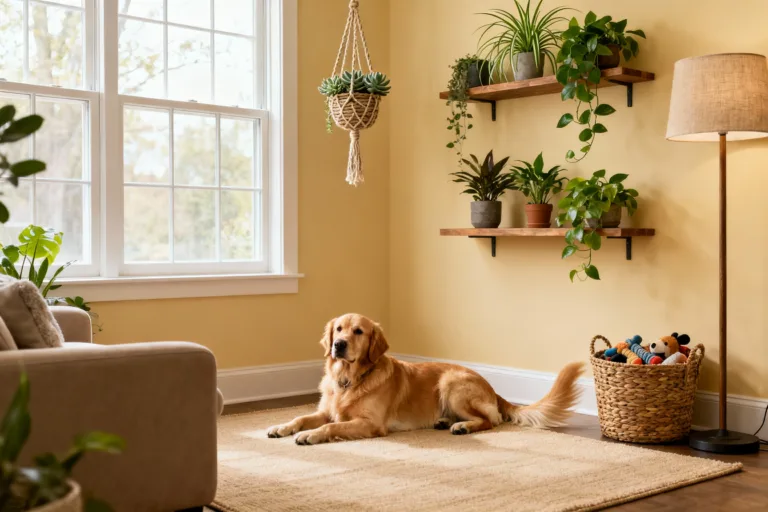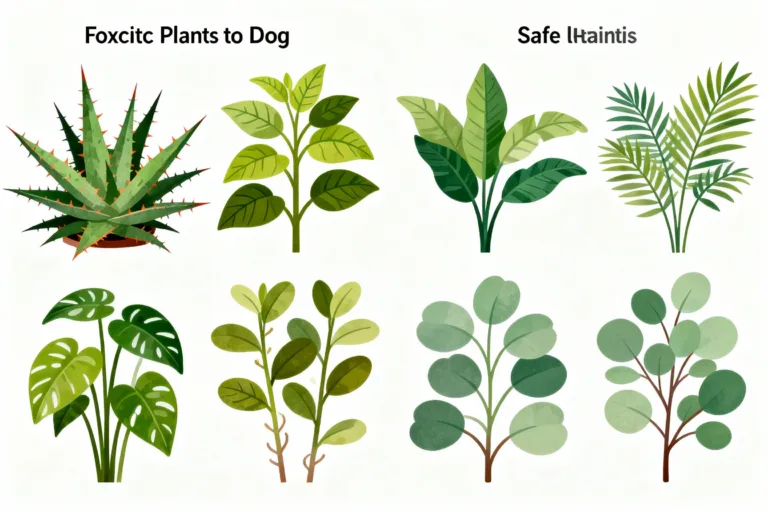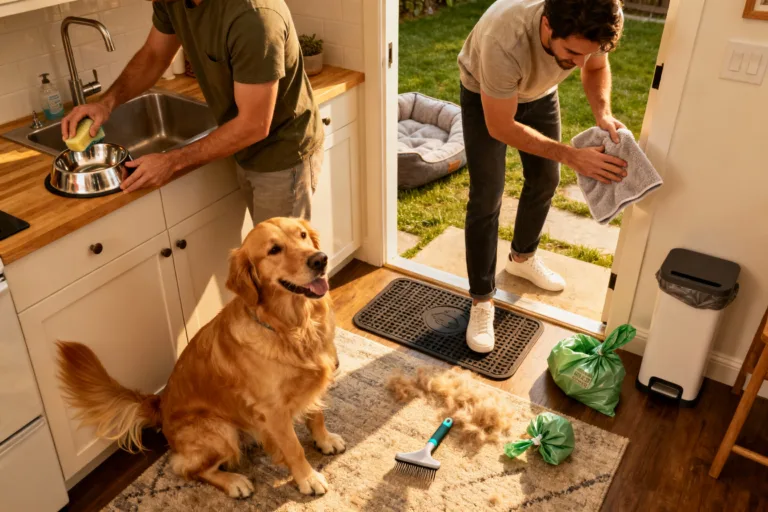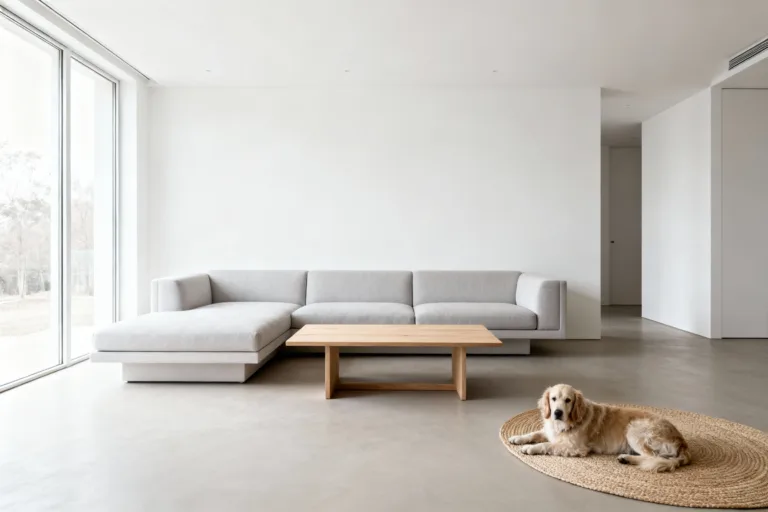
Your dog doesn’t care about your square footage. Your dog cares about you, snacks, squeaky things, and sniffable adventures. Apartment life can deliver all of that—no backyard required. With a little planning and a few clever hacks, you can turn your small space into a big life for your pup.
Know Your Dog’s Energy Budget
Not all dogs need the same “gas money” for their daily energy burn. A greyhound can nap like a pro after a brisk sprint, while a cattle dog will file a complaint if you don’t give them a job. Figure out your dog’s baseline needs so you can match the plan to the pup.
How to gauge your dog’s needs
- Breed tendencies: Herding and working breeds usually need more mental work. Toy breeds often want company and short bursts of play.
- Age and health: Puppies and teens = chaos goblins with excess energy. Seniors prefer mellow strolls and puzzle time.
- Behavior clues: Zoomies at 10 p.m.? Chewing shoes? That’s your dog saying, “I’m bored.”
Build a Daily Routine That Doesn’t Suck
Dogs love predictability almost as much as they love bacon. When you live in close quarters, consistency makes everything calmer. Think of your day as a simple loop with movement, mental work, chill time, and affection.
A sample weekday flow
- Morning: 20–30 minute walk with sniff breaks + 5 minutes of training.
- Midday: Short potty break + independent play (stuffed Kong, lick mat).
- Evening: Longer walk or play session + 10 minutes of obedience or trick training.
- Night: Quiet chew time and a final quick potty walk.
FYI: You don’t need marathon sessions—just consistency. Small, frequent doses beat one chaotic outing, IMO.
Exercise Smart When Space Is Tight
You can’t toss a frisbee down your hallway (your landlord will cry), but you can still wear out your dog.
Outdoor ideas
- Sniffari walks: Let your dog lead and sniff every bush. Sniffing tires them out mentally.
- Intervals: Alternate brisk walking with short jogs or obedience cues (sit, down, heel) to engage their brain and body.
- Stairs (safely): Controlled up-and-down reps on quiet stairwells for athletic dogs with healthy joints.
- Fetch in quiet corners: Use a soft ball in an empty parking lot or fenced court when safe and permitted.
Indoor energy burners
- Tug with rules: “Take it,” “Drop,” and “All done” keep it structured and fun.
- Hallway fetch: Short throws with a plush toy, not the bowling-ball squeaker of doom.
- Hide-and-seek: You hide, dog finds you. It’s adorable and surprisingly tiring.
- Flirt pole: Great for high-drive dogs. Short bursts and frequent breaks.
Make Your Apartment a Canine Playground (Quietly)
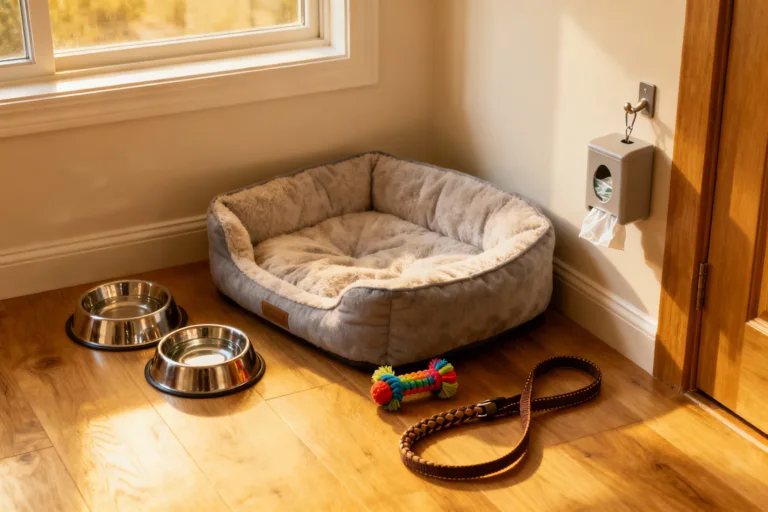
You don’t need a yard—you need zones. Set up spaces for different activities to help your dog understand what happens where.
Zones that work
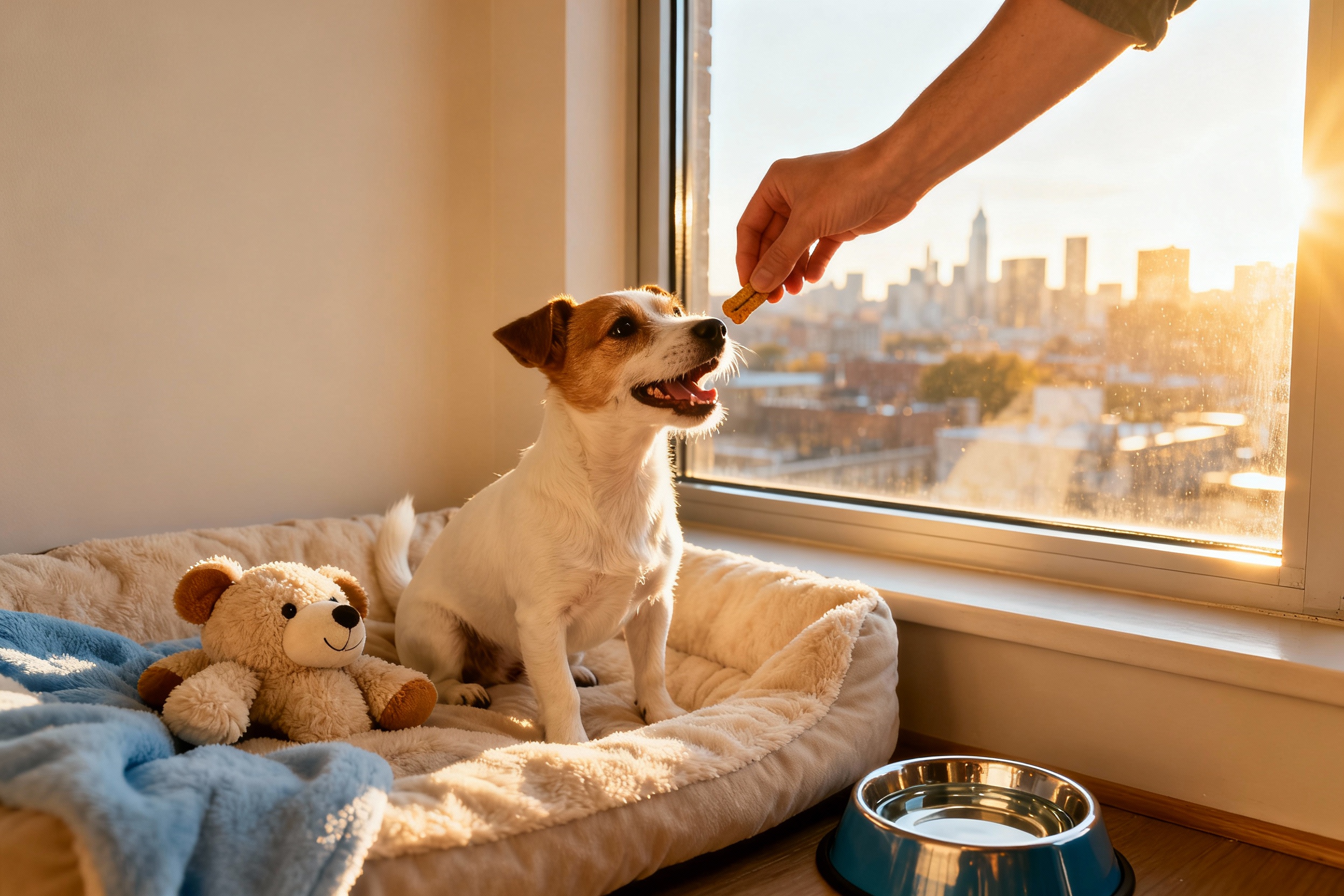
- Calm corner: A cozy bed or crate with a blanket, placed away from windows and doors. Use it for naps and decompression.
- Puzzle station: A basket with food puzzles, Kongs, lick mats, and snuffle mats. Rotate toys to keep novelty high.
- Training spot: A non-slip mat for practicing cues and tricks. Dogs learn faster with a dedicated “classroom.”
Noise-proofing tips
- White noise or soft music: Mask hallway sounds that trigger barking.
- Window film or curtains: Reduce visual triggers from street traffic.
- Rugs and runners: Muffle paw thumps and help with traction.
Your neighbors will thank you. Your dog will chill faster. Win–win.
Feed the Brain: Mental Enrichment That Actually Works
Mental work tires a dog out faster than endless fetch. Ten minutes of thinking can beat an hour of pacing.
Food-based enrichment
- Stuffed Kongs and lick mats: Use wet food, pumpkin, or yogurt. Freeze for extra challenge.
- DIY scatter feeding: Toss kibble into a snuffle mat or around a room and let your dog hunt.
- Puzzle feeders: Start easy, then level up to prevent frustration.
Training games
- Trick of the week: Spin, bow, paws up, “place,” or roll over. Keep sessions to 3–5 minutes.
- Impulse control: Practice “wait,” “leave it,” and door manners to reduce chaos.
- Nose work: Hide treats in boxes or under cups and let your dog sniff them out.
IMO, a little nose work makes apartment life feel like an adventure without leaving the couch.
Social Life Without the Drama
Your dog needs a social calendar, not a frat party. Curate safe, low-stress interactions.
Good options
- Leashed meetups: Short walks with a dog friend—parallel walking builds confidence.
- Obedience or agility classes: Skills plus social exposure, in a controlled environment.
- Dog-friendly patios: Practice calm behavior while you sip a latte and pretend not to share a croissant.
Maybe skip these
- Chaotic dog parks: Great for some, stressful for many. Watch body language closely.
- Overcrowded elevators: Give space if your dog feels trapped. Wait for the next ride.
Crate Training and Alone-Time Confidence
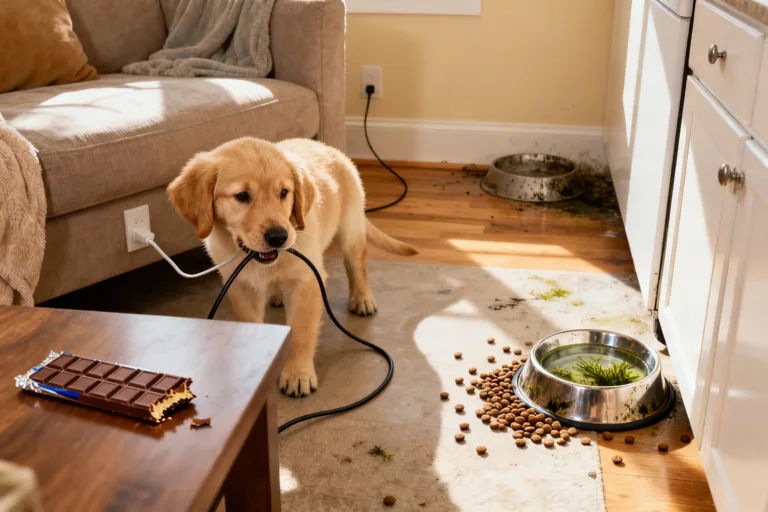
Apartment dogs hear everything: doors, elevators, footsteps, mystery clanks. Teach your dog to relax solo so you don’t come home to a chewed couch and an apology side-eye.
Build a positive association
- Start with open-door hangs: Feed meals in the crate or on the bed. Toss treats randomly.
- Short absences: Leave for 1–5 minutes, return casually, then extend time gradually.
- Busy work: Offer a safe chew or stuffed toy only during alone time to make it special.
Reduce separation stress
- Pre-departure tiredness: A short training session + sniffy walk helps your dog relax.
- Sound masking: White noise can dull hallway triggers while you’re out.
- Tech check-in: A pet cam lets you see if your dog settles or needs a new plan.
Apartment Manners: Keep the Peace
Your dog can be the building’s favorite resident with a few polite habits.
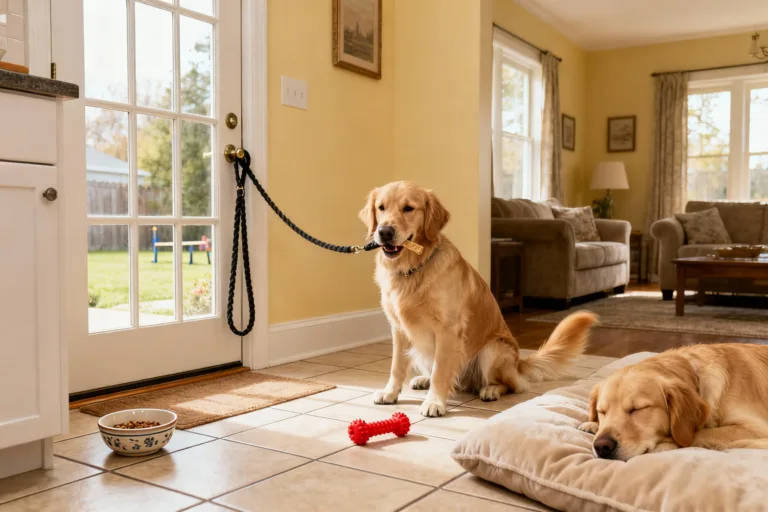
- Door drills: Practice “place” when you get deliveries to prevent kamikaze greetings.
- Elevator etiquette: Ask for a sit before doors open. Step aside for nervous dogs.
- Quiet cue: Reward silence at windows and doors. Manage triggers with curtains and distance.
- Potty routine: Pick a consistent spot, bring bags, and clean up every time—obvious, but apparently not to everyone.
Gear That Actually Helps
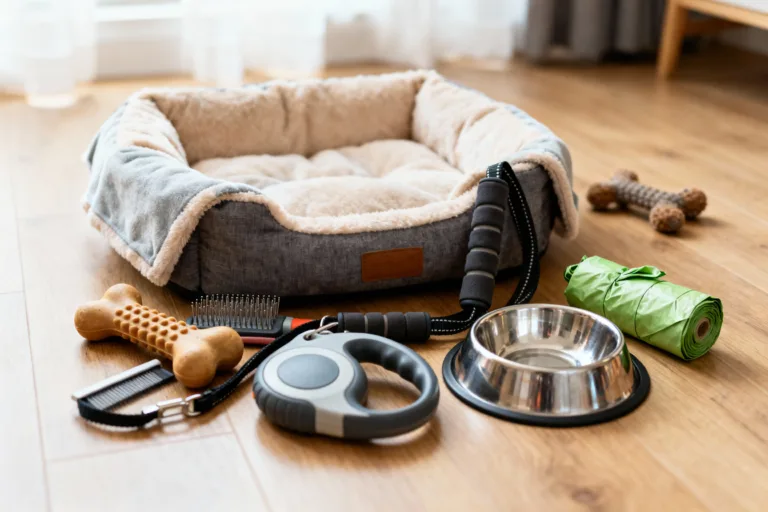
You don’t need to buy the whole pet store. A few smart tools make apartment life easier.
- Front-clip harness: Better control for city walks and tight spaces.
- Long line (15–20 feet): For park training and recall practice when it’s safe and allowed.
- Interactive feeders: Slow mealtime equals longer quiet time.
- Chews: Bully sticks, rubber chews, or dental chews for calm energy.
- White noise machine: Reduces bark-worthy sounds from neighbors.
FAQs
How much exercise does an apartment dog really need?
It depends on age, breed, and temperament, but most adult dogs do well with 60–90 minutes of daily movement broken into two or three sessions. Add 10–15 minutes of mental work and you’ll see a calmer pup. Watch your dog’s behavior—if they settle well at home, you’re on the right track.
What if my dog barks at every hallway noise?
Manage and train. Use white noise and curtains to reduce triggers, then teach a “quiet” cue by rewarding moments of silence. Give your dog a job—send them to a “place” when they hear a sound, and pay with treats for staying calm.
Can big dogs be happy in small apartments?
Absolutely. Big doesn’t equal high-energy. Many large breeds lounge like pros as long as they get daily walks and mental enrichment. The layout and routine matter more than square footage.
Do I need a crate in an apartment?
You don’t need one, but it helps a ton. A crate or defined rest area gives your dog a safe spot and prevents destruction when you’re out. Make it cozy, never use it for punishment, and build positive associations slowly.
How do I keep my dog entertained while I work from home?
Create a rhythm: short walk, 5 minutes of training, then a stuffed Kong or chew while you take a call. Rotate puzzle toys, schedule micro-breaks, and use a “settle” cue on a bed near your desk. Variety keeps boredom at bay.
What if my schedule is unpredictable?
Hire help. A dog walker, daycare once or twice a week, or a trusted neighbor can cover gaps. Keep frozen enrichment ready for chaotic days, and front-load mornings with a quality walk.
Conclusion
Apartment life with a dog isn’t a compromise—it’s a strategy game. You build routines, feed the brain, and make smart use of every square foot. Do that, and your dog will snooze happily by your side while you binge shows and pretend the laundry doesn’t exist. Small space, big joy—that’s the goal.