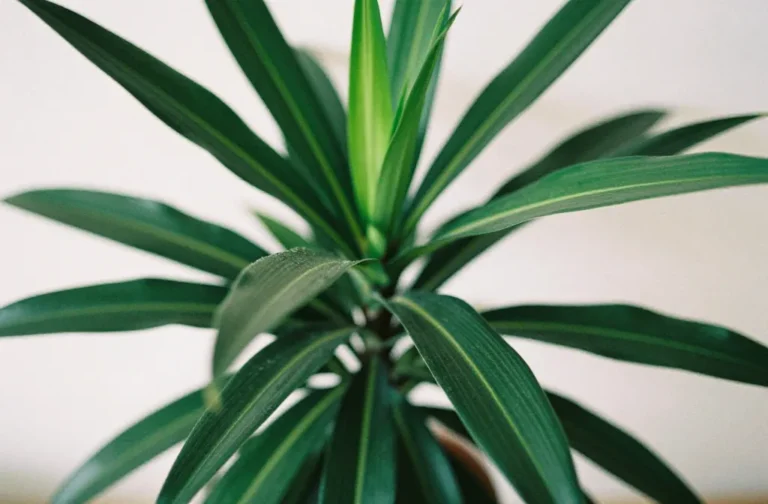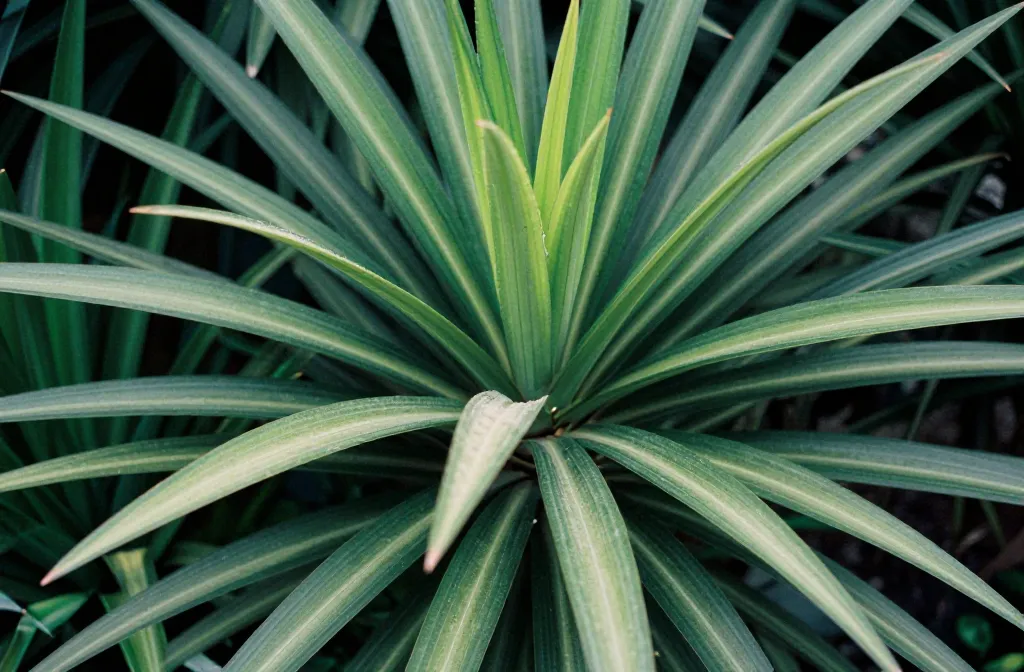
Your dracaena looks tall, leggy, and a little… confused? Good news: a quick prune can fix that and spark fresh, bushy growth. No need to overthink it—you just need the right cuts in the right places. I’ll walk you through the when, where, and how so your plant rebounds with style and swagger.
Why Prune Dracaena in the First Place?
Pruning dracaena does two big things: it controls height and encourages branching. When you cut a cane, the plant responds by pushing out new shoots below the cut. That’s your cue for a fuller, balanced shape.
You also remove dead or messy foliage so the plant doesn’t waste energy. Think of it like a haircut—less split ends, more glow up. And FYI: dracaena forgives mistakes. You can prune confidently.
Timing: When to Grab the Shears
You can prune dracaena year-round, but you’ll get the fastest response in spring and early summer. The plant grows faster with longer days and bounces back quickly.
Got a disaster situation—like snapped canes or severe legginess? Go ahead and prune anytime. Just adjust aftercare to match the season. In winter, growth slows, so don’t expect instant regrowth.
Tools and Setup (AKA, Don’t Hack with Dull Scissors)
Use clean, sharp tools to get smooth cuts and reduce infection risk. You don’t need a pro kit—just a few basics.
- Bypass pruners for clean cuts on canes up to 1/2 inch.
- Sharp scissors for leaf cleanup.
- Rubbing alcohol or soap to sanitize blades before and after.
- Gloves if you have sensitive skin—dracaena sap can irritate.
- Paper towel to dab sap at cuts.
Prep the Plant
- Water 1–2 days before pruning so the plant feels perky.
- Move it somewhere bright with room to work.
- Wipe dusty leaves so you can actually see what you’re doing.
Where to Cut: The Simple Rule
Find the cane you want to shorten. Decide how tall you want it. Then cut just above a node—the ring-like line on the cane. New shoots emerge from nodes right below your cut.
- Angle your cut slightly so water doesn’t sit on the wound.
- Leave at least 6–8 inches of cane below the cut so it has room for new growth.
- Don’t scalp it down to the soil unless the cane is rotten. You want nodes above the base to sprout from.
How Much to Remove?
– Light refresh: take off 2–4 inches from tall tips.
– Reshape: remove 1/3 of the cane height.
– Drastic makeover: you can cut canes back by half, but do it in stages if the plant looks stressed. IMO, bold cuts create the best branching.
Step-by-Step: Pruning Different Dracaena Types
Dracaena come in a few vibes. Same logic, slightly different tactics.
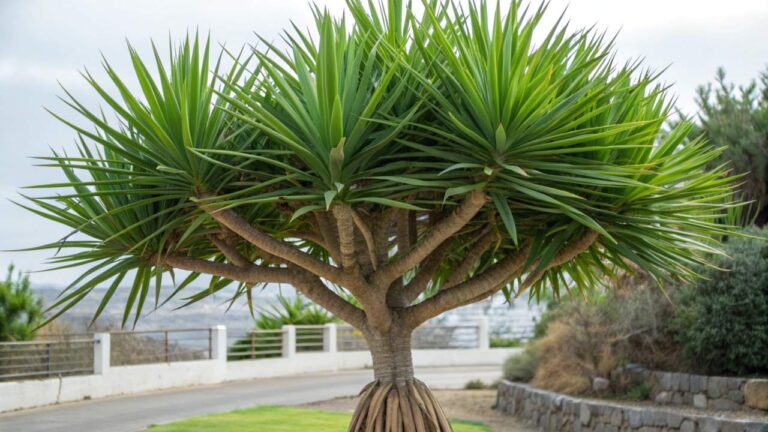
Dracaena marginata (Dragon Tree)
– Identify the tallest, thinnest canes.
– Cut 2–8 inches below the foliage puff to force branching at that point.
– For multi-stem balance, prune the tallest one first, then stagger others to different heights for a layered look.
Dracaena fragrans (Corn Plant)
– These have thicker canes with leaf tufts on top.
– Cut below the leafy rosette to a clean cane section 6–12 inches from the soil.
– It will sprout 1–3 new heads beneath the cut. Want more heads? Cut a little lower and wait.
Dracaena compacta (Janet Craig Compacta)
– Grows dense and slow.
– Remove whole rosettes or clip individual stubborn leaves at the base.
– Make smaller cuts and give extra time for recovery.
Leaf Cleanup: Fast Wins for Health and Looks
Not every fix needs a big chop. Tidy leaves for instant glow.
- Brown tips: trim the crispy part, follow the leaf’s natural shape. Leave a thin border of brown so the cut doesn’t spread.
- Yellow or fully brown leaves: snip at the base. The plant won’t miss them.
- Dusty leaves: wipe with a damp cloth. It improves photosynthesis and aesthetics. Win-win.
What to Do with Cuttings (Because Free Plants)
You can root the tops and cane sections you removed. Yes, your plant can be immortal.
Top Cuttings
– Take the leafy top with 4–8 inches of stem.
– Strip the bottom leaves.
– Root in water (faster visuals) or soil (less transplant shock).
– Keep bright, indirect light and change water weekly. Roots form in 2–6 weeks.
Cane Cuttings
– Cut the cane into 3–6 inch segments.
– Pay attention to orientation—keep the top end up if possible. If you forget, look for faint leaf scars; the “smiles” should face up.
– Lay horizontally on moist soil or plant vertically with the bottom end down.
– Keep humidity up and don’t overwater. New shoots pop along nodes.
Aftercare: Help It Bounce Back
Your plant just had surgery. Treat it like the star it is.
- Light: bright, indirect light for strong regrowth. Avoid harsh midday sun right after pruning.
- Water: keep soil lightly moist, never soggy. Let the top inch dry between waterings.
- Fertilizer: wait 2–4 weeks, then feed lightly during active growth. Skip heavy doses. IMO, less is more.
- Humidity: normal room humidity works, but a little extra helps new shoots.
- Rotate the pot: turn it weekly so new growth doesn’t lean like it’s reaching for gossip.
Common Mistakes (And How to Avoid Them)
– Cutting too low on a dead cane: check for green tissue under the bark. If it’s mushy or brown all the way down, remove the whole cane at soil level.
– Overwatering after pruning: new growth doesn’t drink like a full canopy. Scale back.
– Ignoring light: leggy dracaena screams “not enough light.” Move it closer to a bright window (filtered).
– Using dull tools: ragged cuts heal slower. Sharpen or replace those pruners, champ.
– Pruning everything at once: stagger big cuts over 2–3 weeks if your plant looks weak.
FAQ
Will my dracaena die if I cut it back hard?
Unlikely. Dracaena handles hard prunes well when the roots stay healthy and you leave some cane above the base. Strong light and proper watering after pruning make all the difference.
How long until I see new growth?
Usually 2–8 weeks, depending on season and light. Spring and summer bounce faster. If nothing happens by week 10, reassess light and watering.
Can I prune in winter?
Yes, but growth slows a ton. Expect a longer wait for new shoots, and water carefully since the plant uses less moisture. If you can, wait until days get longer.
Why do the leaf tips keep browning?
Dracaena dislikes fluoride and salts in tap water. Try filtered or let tap water sit 24 hours before using. Also check humidity and avoid letting the soil swing from bone-dry to swampy.
Is dracaena toxic to pets?
Yes—mild to moderately toxic to cats and dogs if ingested. Keep pruned pieces out of reach and consider pet-safe alternatives if your fur crew loves a nibble.
Can I shape it into a tree with multiple heads?
Totally. Prune at different heights on different canes. Each cut triggers new heads. Over a few rounds, you’ll create that sculptural, multi-tier look everyone posts on Instagram.
Wrapping It Up
Pruning dracaena isn’t scary—you just make clean cuts above nodes, root the trimmings for bonus plants, and give the mother plant good light and moderate water. Keep tools sharp, timing smart, and aftercare simple. Do that, and your dracaena will bounce back bushier, happier, and way less awkward. FYI: once you see those new shoots, you’ll want to prune every plant you own.